
The Open starts today — and it'll be won with the club you practise least
By Sunday, Royal Birkdale's trophy won't go to whoever bombs it furthest. It'll go to whoever controls the ball on and around firm, wind-scoured greens. Links golf is a short-game championship — and it's a live rebuke to every amateur grinding the driving range.
By Ross Hamilton · Staff Writer
 Opinion
The 154th Open begins this morning at Royal Birkdale, and by Sunday evening the Claret Jug will be lifted by whoever best solved a problem that has almost nothing to do with how far they hit it. Links golf on the Lancashire coast — firm, fast, wind-flogged, pot-bunkered — quietly deletes the long game as the deciding variable. Everyone in the field carries it 300 yards. The championship gets settled on and around greens the colour and speed of a motorway, where a two-putt is an achievement and a chipped ball can run thirty feet past if you look at it wrong. Watch what actually wins this week. Then look at how you spend your own practice time, because there is a lesson in the gap and it is not a flattering one.
What Birkdale rewards, and what it ignores
A links in July is the purest short-game examination in golf. The ground is baked, so approach shots don't stop — they land, skip and release, and judging that release is a feel skill, not a power one. The wind means you can't fly a wedge to a number; you have to flight it, land it short and let the firm turf do the work. The greens are enormous and undulating, so you're routinely 40, 50, 60 feet from a flag with a putter, and lag putting — pure speed control — becomes the difference between a stress-free par and a card-wrecking three-jab. None of this is about the tee shot. Everyone drives it far enough. The separation is entirely in the last 100 yards and, above all, on the greens. The winner this week will have out-holed the field, not out-hit it.
The amateur's inverted priorities
Now the uncomfortable pivot. The average club golfer spends the overwhelming majority of practice time on the tee — pounding drivers, chasing another five yards of carry, buying the season's launch story. Meanwhile roughly 40% of the shots in any round happen on the green with the flat stick, and a big chunk of the rest are chips, pitches and lag putts from inside 50 yards. We obsess over the club that hits a dozen shots a round and neglect the one that hits fourteen or more. It's the single most reliable way to leave strokes on the course, and it's completely backwards. The players at Birkdale know exactly where scores come from — which is why the best putters in the world spend hours a day on a green while amateurs treat putting as the thing you do to fill time before the range mat opens up.
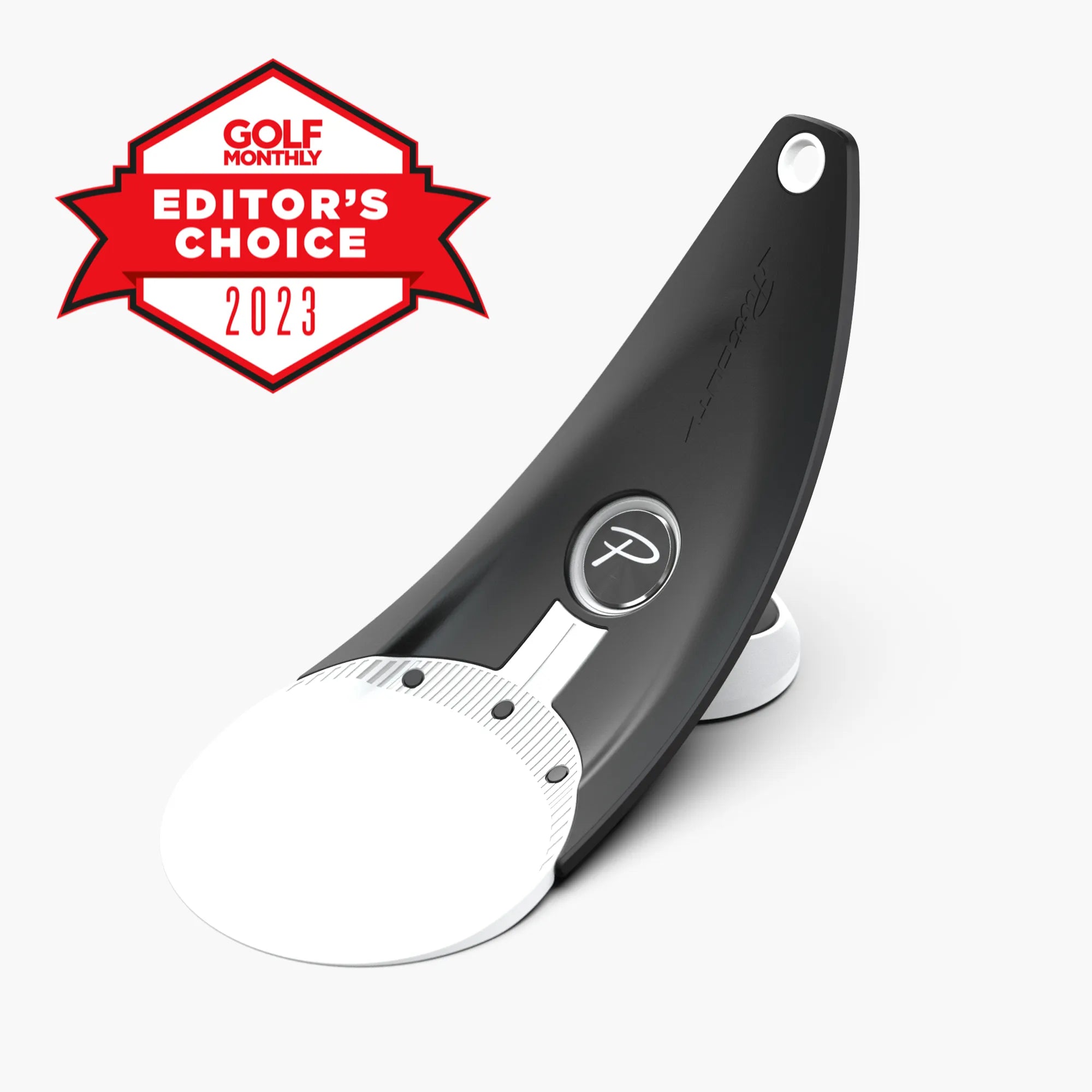
The PuttOut Pressure Putt Trainer is the cheapest fix for the cheapest strokes to save. It's a curved ramp that rejects any putt hit too hard and returns a perfectly weighted one straight back to you — so every rep on your living-room carpet carries a consequence instead of the consequence-free rolling most home practice amounts to. Ten minutes a night on pace and start-line does more for a mid-handicapper's score than a month of range balls. It costs less than a driver headcover and saves more shots than a driver.
The flat stick is where the real gains hide
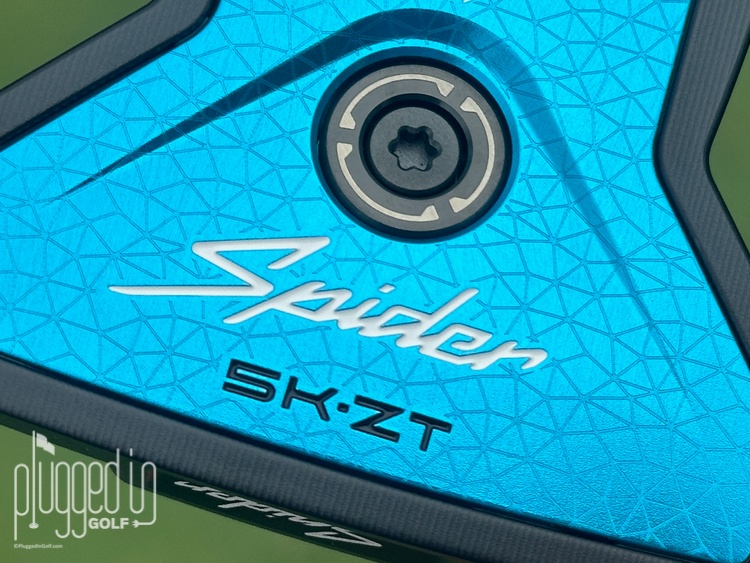
If you want to score like a links player, you buy the tools links players trust and then you actually use them. The move at every level of the pro game over the last decade has been toward high-MOI mallets — putters engineered to hold their line when the strike isn't perfect, which under pressure it never is. The TaylorMade Spider Tour is the archetype: a heel-and-toe-weighted mallet whose stability blueprint has been copied across the industry precisely because it forgives the nervy, decelerating strokes that a firm, fast Sunday green punishes. It's not a gimmick. It's the most-validated design philosophy in putting.
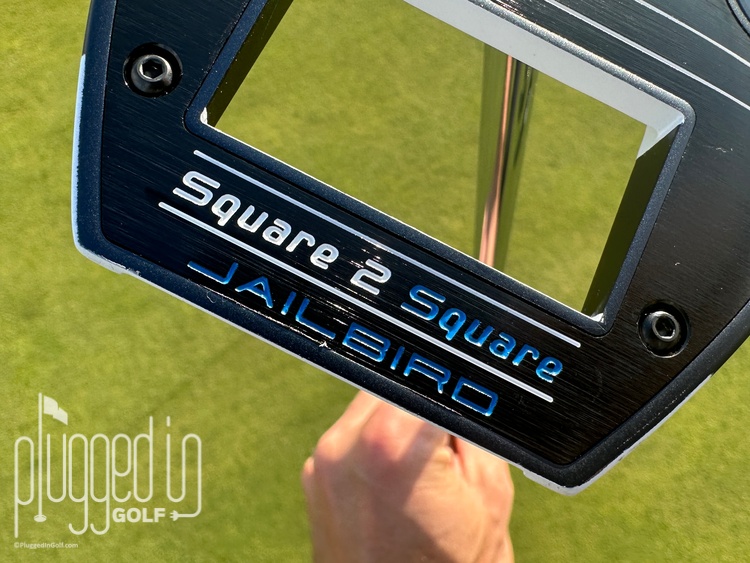
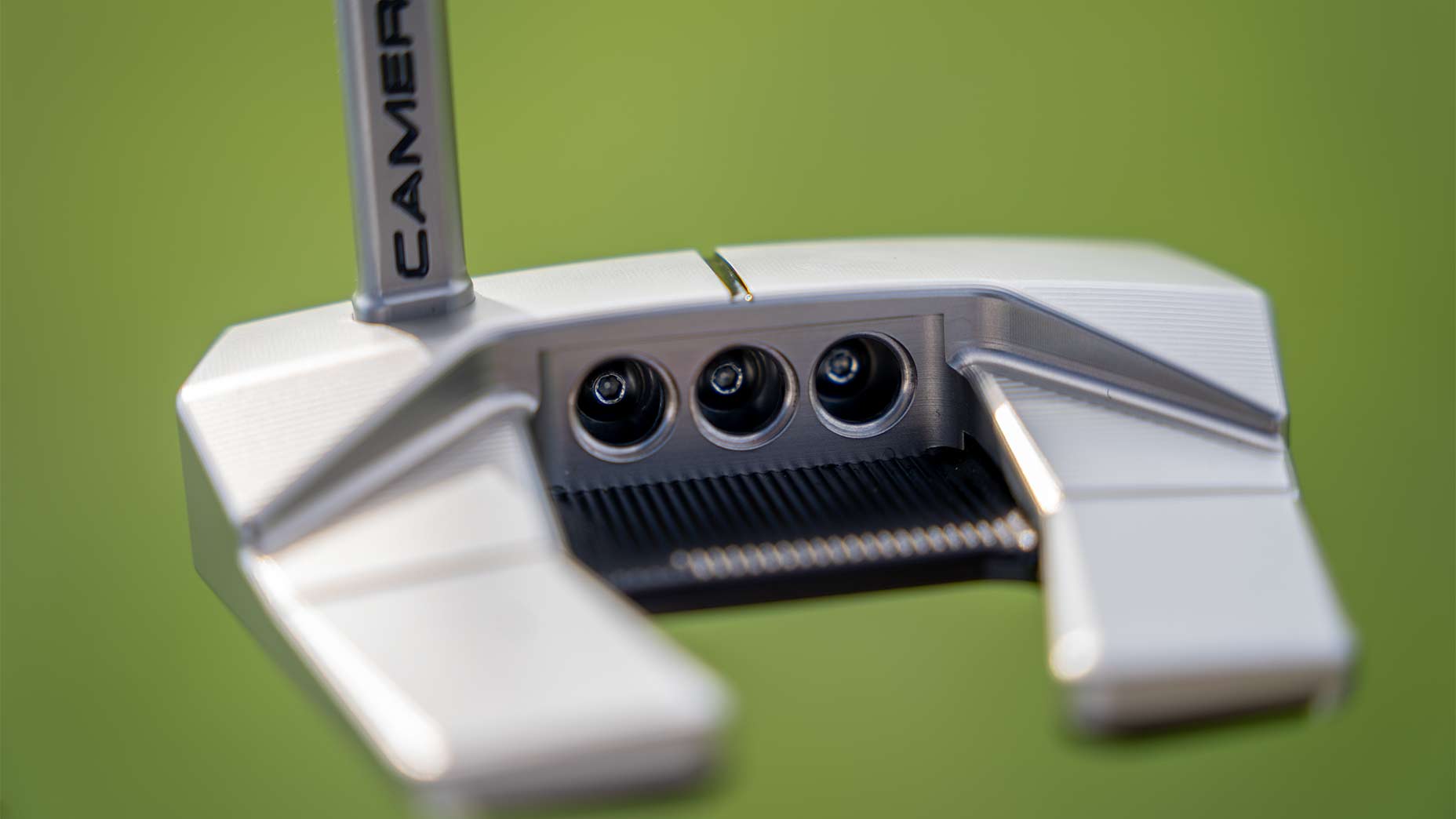
For the golfer who can't give up feel to get stability, the Scotty Cameron Phantom is the reconciliation — a milled mallet that pairs high forgiveness with the soft, reactive touch a lag-putting week demands, because judging 50-foot speed is a feel exercise before it's a mechanical one. And for the specific misery of the off-centre strike, the Odyssey Ai-ONE Jailbird leans on an AI-designed face insert tuned to protect ball speed across the face, so the toe-y knock that would come up four feet short instead finishes stone dead. These are the three flavours of the same idea: hole more, three-putt less, control the ball on fast greens. That's the whole game at Birkdale, and it's the whole game at your place too.
Who should ignore every word of this
There's an honest exception, and I'll name it clearly: if you genuinely cannot break 100 and you're losing three balls a nine off the tee, none of this is for you yet. When you're carding a snowman because of a lost-ball penalty and a top into the water, the greens aren't your problem — getting the ball in play is, and time on the range earning a repeatable, in-bounds tee shot is exactly where your practice belongs. Short-game obsession is a scoring lever for people who are already keeping the ball on the property. If that's not you yet, go hit drivers with my blessing.
The lesson the leaderboard will teach by Sunday
For everyone else — the 80s-to-90s golfer who keeps it roughly in play and can't work out where the strokes go — the Open is four days of free evidence. Watch how much of it is decided by a downhill lag stone dead, a bump-and-run that trickles to a kick-in, a putt holed under wind and pressure. Then divide your own next ten practice sessions the way the winner divides theirs: mostly the stuff inside 50 yards, mostly the flat stick. Firm summer greens back home behave a little more like Birkdale every week the drought runs on, which makes right now the ideal time to start. The rest of the flat-stick field is in our best putters guide, and there's more in the putters hub. The trophy this week won't reward the longest hitter. Your scorecard won't either.
Products mentioned in this article
TaylorMade
TaylorMade Spider ZT Zero-Torque Putter
The most-copied stability blueprint in golf: a high-MOI mallet that forgives the mishit strokes pressure creates.
Scotty Cameron
Scotty Cameron Phantom Putter (2026)
Milled precision with mallet stability — the feel merchant's answer to going high-MOI without losing the touch.
PuttOut
PuttOut Premium Pressure Putt Trainer
The at-home rep machine: it rejects a weak putt and returns a perfect one, so every stroke has a consequence.
Odyssey
Odyssey Ai-ONE Square 2 Square Jailbird Putter
An AI-designed insert tuned to protect ball speed on off-centre hits — the misses that cost you three-putts.
ifrothgolf earns a commission on purchases made through these links, at no extra cost to you. It never changes what I recommend. Full disclosure.
Frequently asked
- Why is links golf considered a short-game championship?
- Firm, fast links turf means approach shots release rather than stop, wind forces low flighted shots you land short of the flag, and huge undulating greens leave frequent long lag putts. The deciding skills are chipping, pitching and putting speed control, not driving distance, because every professional already hits it far enough.
- How much of a golf score is actually decided on the greens?
- Putting accounts for roughly 40% of the strokes in a typical round, and shots from inside 50 yards make up a large share of the rest. Yet most amateurs spend the majority of their practice time on full swings, which is why short-game and putting practice offers the biggest untapped scoring gains for most players.
- Are high-MOI mallet putters better than blades?
- For most golfers, yes. High-MOI mallets like the TaylorMade Spider Tour resist twisting on off-centre strikes, so mishits hold their line and finish closer. Blades reward a very consistent strike and can suit better players who prefer the feel and shot-shaping feedback, but mallets are the more forgiving choice under pressure.
- Can a putting trainer at home actually lower my scores?
- Yes, if you use it on the right things. A device like the PuttOut trains pace and start-line with a consequence on every stroke, which builds the speed control that prevents three-putts. Short, regular sessions on distance control transfer to the course more reliably than occasional long practice on the range.
Read next
Review
8.7/10Zero-torque putters: golf's fastest-spreading idea
Tour bags are quietly being rebuilt around a putter that won't twist. Here's why — and where it started.
Review
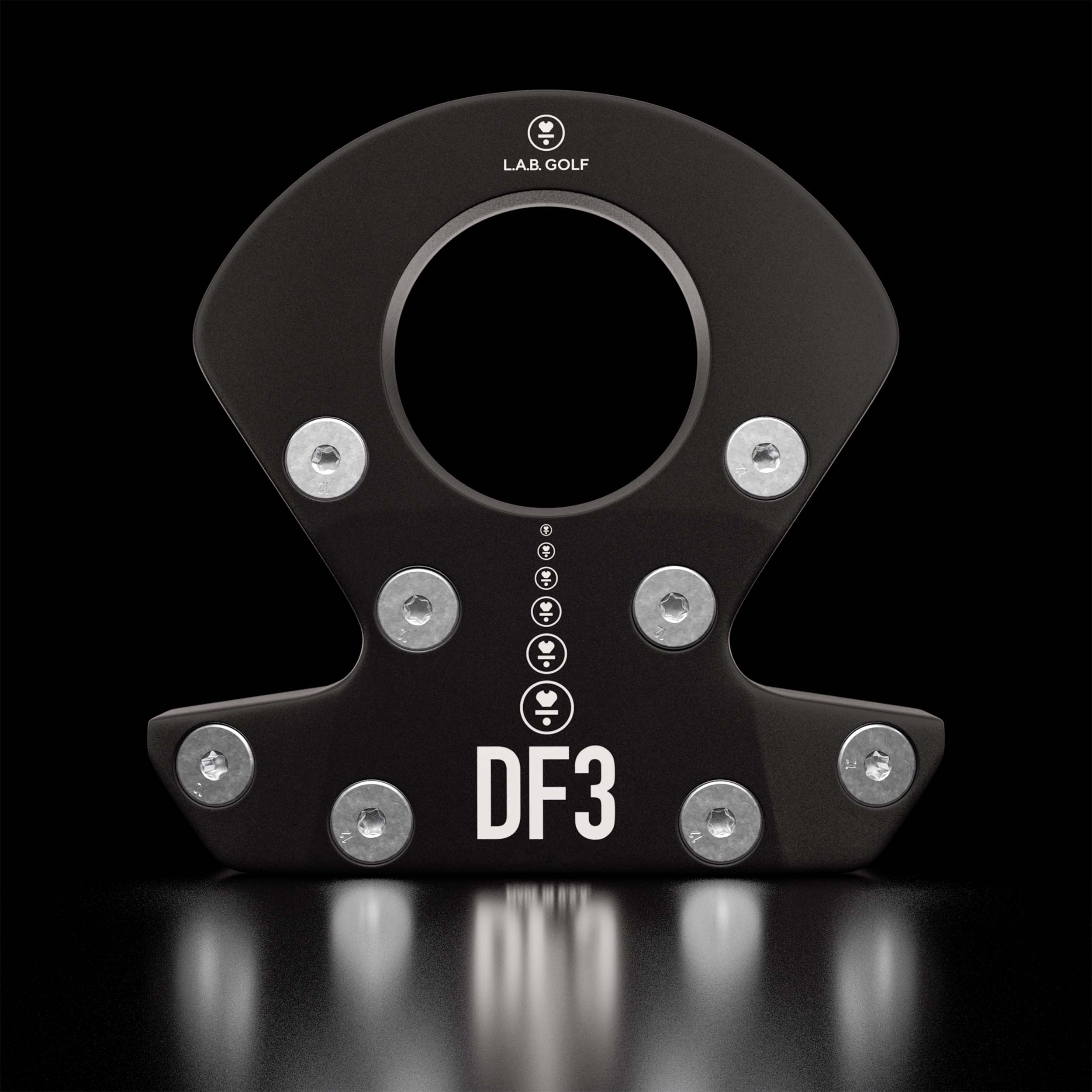
8.8/10L.A.B. DF3 review: the putter the tour keeps switching to
The zero-torque putter that won a US Open and rewrote the category. We score the most talked-about flat stick in golf — and tell you who should skip it.
Versus
Spider ZT vs Odyssey Jailbird: two routes into zero-torque
The big brands' answers to the zero-torque craze, head to head — and which one suits how you actually putt.