
Rain gloves come in pairs, and the grip underneath does half the work
The counterintuitive bit is well known. The bit almost nobody works out is that your gloved hand was never the problem, and the grip under it is doing half the job badly.
By Tom Whitaker · Staff Writer
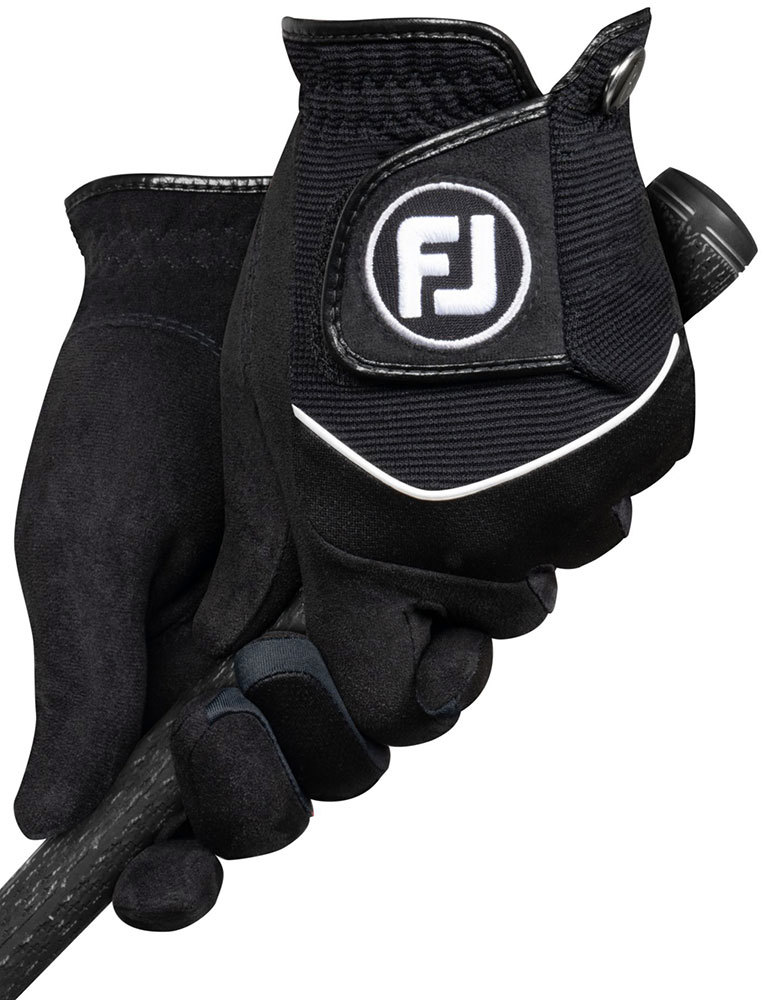
FootJoy
FootJoy RainGrip Gloves (Pair)
ifrothgolf earns a commission on purchases made through these links, at no extra cost to you. It never changes what I recommend. Full disclosure.
Eighth tee, the drizzle that was atmospheric on the first has turned into weather, and the glove that felt fine an hour ago now feels like it has been dipped in washing-up liquid. You grip harder. Everybody does. By the twelfth the round has quietly ended without anybody announcing it.
The fix is in about one bag in ten, and it is the only piece of equipment in golf that performs better wet than dry. Most people who own a pair have forgotten why they work. Most people who do not own a pair assume one would do.
Why the wet glove works and the dry one does not
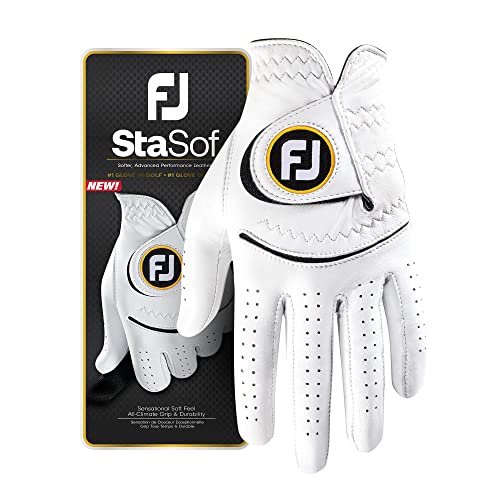
A normal golf glove is cabretta, which is thin, soft sheepskin. Its whole selling point is that there is almost nothing between your hand and the grip, which is why a glove like the FootJoy StaSof has been on tour hands since 1980 and why its own product copy is upfront that it dislikes getting soaked. Leather is a fibre structure that drinks. Water goes into it, the surface goes slick, and the leather stretches while it is wet — which is why a glove you played four wet holes in comes out of the bag the following week a size too big and never quite comes back. You did not wear it out. You drowned it.
A rain glove works on the opposite principle. The palms are a synthetic suede — autosuede, in FootJoy's language on the RainGrip — with a raised nap of fine fibres. Those fibres pull surface water off the contact patch and hold it inside the nap, and a saturated nap is grabbier than a dry one, in the same way a damp cloth grips a jar lid that a dry hand slides off. The wetter it gets, the more of the material is doing that job. The catch is the mirror image: in the dry the same nap feels squeaky and slightly dead, which is why nobody wants these as an everyday glove and why they live in the bag pocket rather than the glove pocket.
The bare hand is the actual failure point
Here is the part the packaging glosses over. Rain gloves are sold as a pair and the marketing reason given is coverage. The mechanical reason is more specific than that. A right-handed golfer wears one glove, on the left hand, which is the lead hand — and the lead hand is not where the club escapes. The trail hand is the one that ends up gripping hardest under pressure, and in the rain it is bare skin on wet rubber, which is a genuinely poor interface with no material doing anything about the water at all.
So a wet round in one leather glove gives you one hand getting slicker by the hole and one hand that had no plan in the first place. Two rain gloves is not belt and braces. It is the first time both hands have been addressed. A pair costs roughly what one premium leather glove does, they barely wear out because you use them a handful of times a year, and the only reasonable place for them is permanently in the bag rather than in the boot of the car.
The other half of the job is the grip, and that is the half people skip
Two things decide whether a club stays in your hands: the friction of the material touching it, and how much water is on the club. A rain glove only addresses the first. Nothing about it keeps the grip dry.
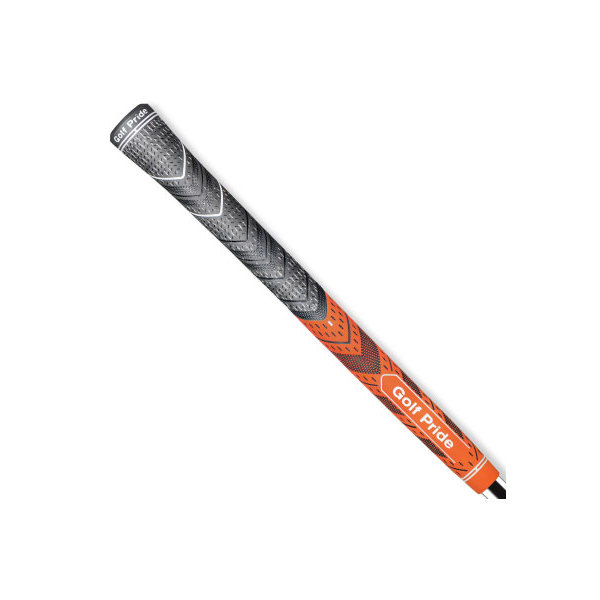
Which makes grip choice worth a moment, and the Golf Pride MCC Plus4 is the useful example because it is the best-selling performance grip in golf and its layout is instructive. It puts brushed-cotton cord in the upper hand for moisture management, and softer rubber in the lower hand for feel. For dry golf that is exactly right — cord under the glove, comfort under the bare hand. For wet golf it is precisely backwards. The material engineered to cope with water is sitting under the hand that is already wearing a glove, and the bare hand gets the smooth rubber.
That is not a criticism of the grip, which is doing the job it was designed for. It is an argument for one of two things: full cord in both hands if you genuinely play a lot of your golf in the rain, or the second rain glove if you do not. And it is a hard limit on what any glove can achieve. If your grips have gone hard and shiny, no glove saves you, because you will squeeze to compensate and the squeezing is the thing that ruins the swing. We have made that case in full in the only part of the club you touch, and a wet round is where a set of tired grips stops being a slow leak and becomes the whole problem.
Keeping a dry towel is a skill nobody teaches
On a properly wet day the binding constraint is not your glove. It is whether you have anything dry left to wipe a grip with. A towel clipped to the outside of the bag in rain is a wet towel by the third hole, at which point it is actively counterproductive: you are moving water around rather than removing it.
The answer is two towels and some discipline about where they live. One hangs outside and does mud and ball cleaning. The other stays dry, stowed under the bag hood or zipped in a pocket, and comes out only for grips and hands under the umbrella. A waffle microfibre like the Zero Friction towel holds around three times its own weight in water — but only if it starts the hole dry.
The order matters too, and it is the reverse of what most people do. Grip first, then hands, then the ball. Dry a grip with a towel you have just used on soaking hands and you have achieved nothing.
Storing and drying them, which is where most rain gloves die
Rain gloves do not want the ritual that leather wants. A cabretta glove needs to come off the moment it is soaked and dry flat at room temperature, away from any radiator, because heat cooks the oils out and the salt in your sweat crystallises in the fibres. A synthetic suede palm does not care about any of that. What it does care about is being sealed away damp — stuffed back into a bag pocket wet, or worse into the plastic bag they came in, the nap mats down, it picks up a smell within a fortnight and the tack goes with it. Air them somewhere ventilated until properly dry, then put them back in the bag. If they have been through mud, rinse them in cold water first: grit in the nap is what eventually kills the surface.
The middle answer, for people who will not carry a rotation
Plenty of golfers will read all of that and still not want three sets of gloves in a bag. The sensible compromise is a synthetic all-weather glove bought in pairs, and the Callaway Weather Spann two-pack is the shape of that answer: a FUSETECH synthetic body with leather reinforcement at the wear points and micro-ventilation across the palm and fingers, two gloves for roughly the price of one premium leather one.
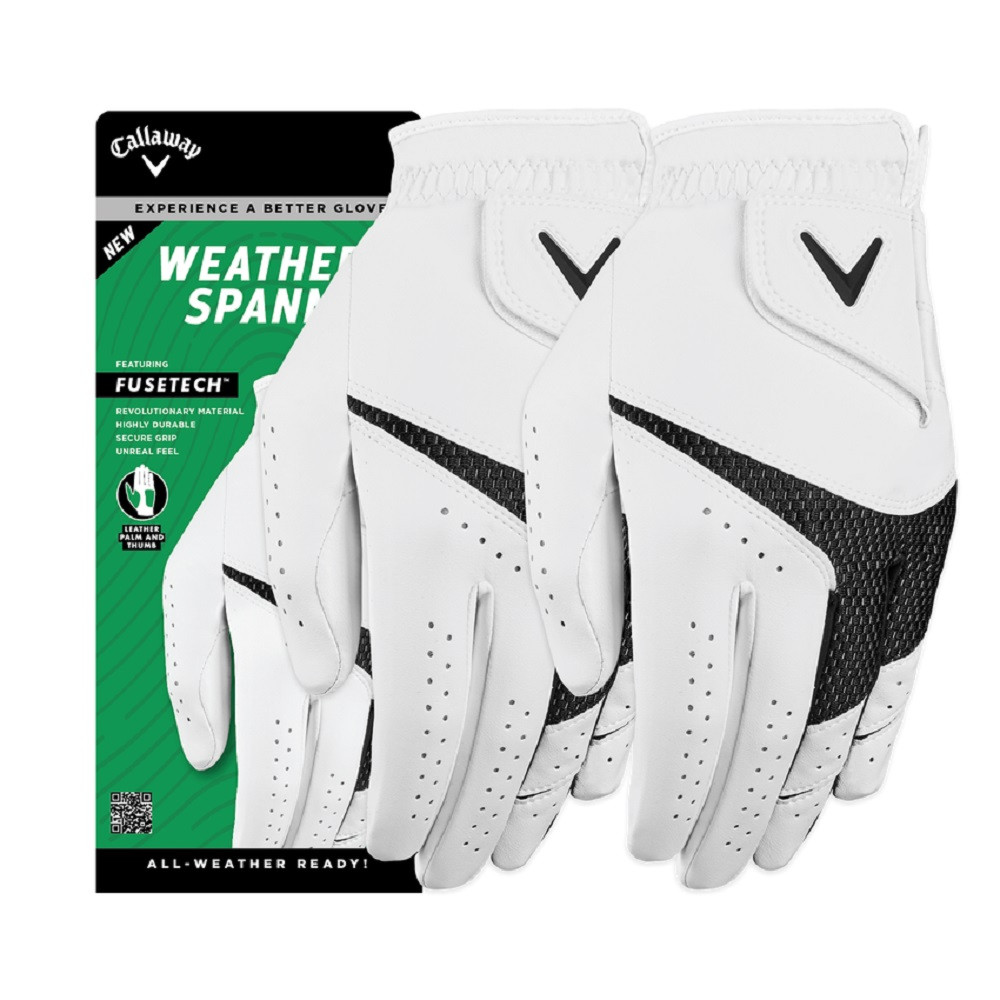
Be clear about what that buys you. A synthetic all-weather glove grips better than leather when things are damp and lasts far longer. It manages moisture. It does not defeat it, and in an actual downpour it is not a rain glove and will not behave like one. What it is good for is the far more common condition of persistent damp — wet grass, heavy air, a shower that came and went — where a leather glove is quietly underperforming and nobody has noticed.
When a glove is the wrong fix entirely
Three cases. If the club slips only on full drivers on hot days, that is sweat and not rain, and the answer is a rotation and a cooling glove. If it slips on every club in all conditions, look at the grips before you look at your hands — rubber that has gone hard and glazed is unsavable and a regrip costs a fraction of a single club. And if you do not wear a glove at all, which plenty of good players do not, the whole argument runs through the grips instead: your bare hands have no material advantage to lose, so the club is the only variable you have.
Everyone else: buy the pair, put them in the bag, and stop taking them out. For the seasonal version of this argument across all four kinds of weather, which glove for the weather sets out the full rotation, and do golf gloves matter covers how many you actually need to own.
Products mentioned in this article
FootJoy
FootJoy RainGrip Gloves (Pair)
The reference rain glove, sold as a pair because the ungloved hand is where the club actually escapes.
FootJoy
FootJoy StaSof Glove
The premium cabretta that becomes a liability the moment it gets soaked, and the clearest example of why.
Golf Pride
Golf Pride MCC Plus4 Grip
A hybrid grip whose cord section sits in the upper hand, which is exactly the hand already wearing a glove.
Callaway
Callaway Weather Spann Golf Gloves (2-Pack)
The middle answer: a synthetic all-weather pair that manages damp without pretending to be a rain glove.
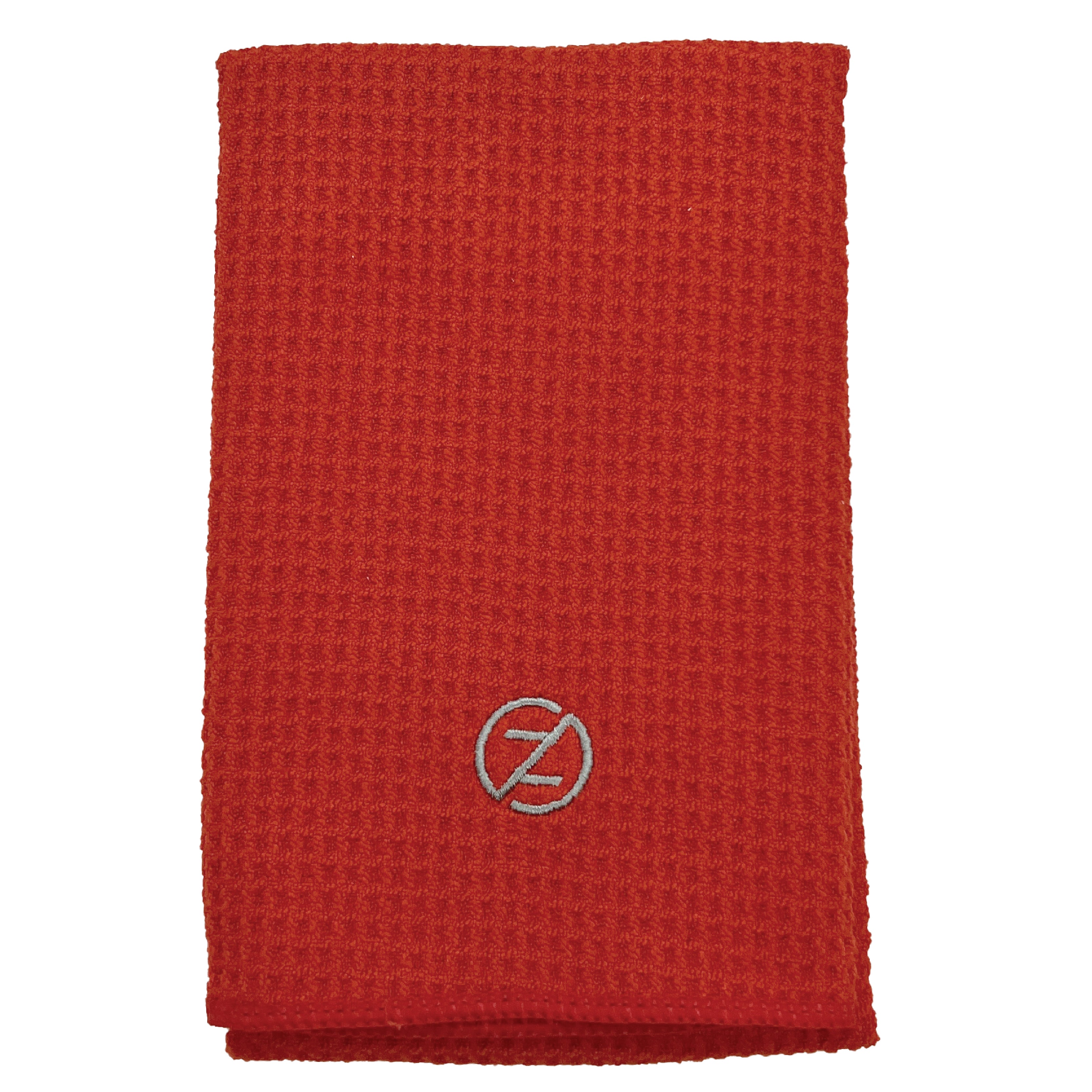
Zero Friction
Zero Friction Waffle Microfibre Golf Towel
The limiting factor on a wet day is a dry towel, and this one holds around three times its weight in water.
ifrothgolf earns a commission on purchases made through these links, at no extra cost to you. It never changes what I recommend. Full disclosure.
Frequently asked
- Do you wear two rain gloves or one?
- Two. Rain gloves are sold as a pair for a mechanical reason rather than a marketing one: a right-handed golfer normally wears a glove only on the lead hand, which leaves the trail hand — the one that grips hardest under pressure — as bare skin on a wet rubber grip with nothing managing the water. Wearing two is the first time both hands are actually addressed.
- Why do rain gloves grip better when wet?
- The palms are a synthetic suede with a raised nap of fine fibres. The nap lifts surface water off the contact patch and holds it inside the material, and a saturated nap has more grip than a dry one. Leather does the opposite: it absorbs water into its fibre structure, the surface goes slick, and it stretches while it is wet.
- Does a wet golf glove get ruined?
- A leather one usually does. Cabretta stretches while it is soaked, so a glove worn through several wet holes typically comes back a size larger and never fully recovers. Take it off as soon as it is wet and dry it flat at room temperature, never on a radiator or a dashboard. Synthetic rain gloves are far more tolerant, but they should not be sealed away damp or the nap mats down and loses its tack.
- Will a rain glove stop the club slipping if my grips are worn?
- No. Two separate things determine whether the club stays in your hands: the friction of what is touching it, and how much water is on the grip itself. A rain glove only fixes the first. If the rubber has gone hard and shiny, you will grip tighter to compensate regardless of what you are wearing, and a full regrip costs a fraction of a single club.
Read next
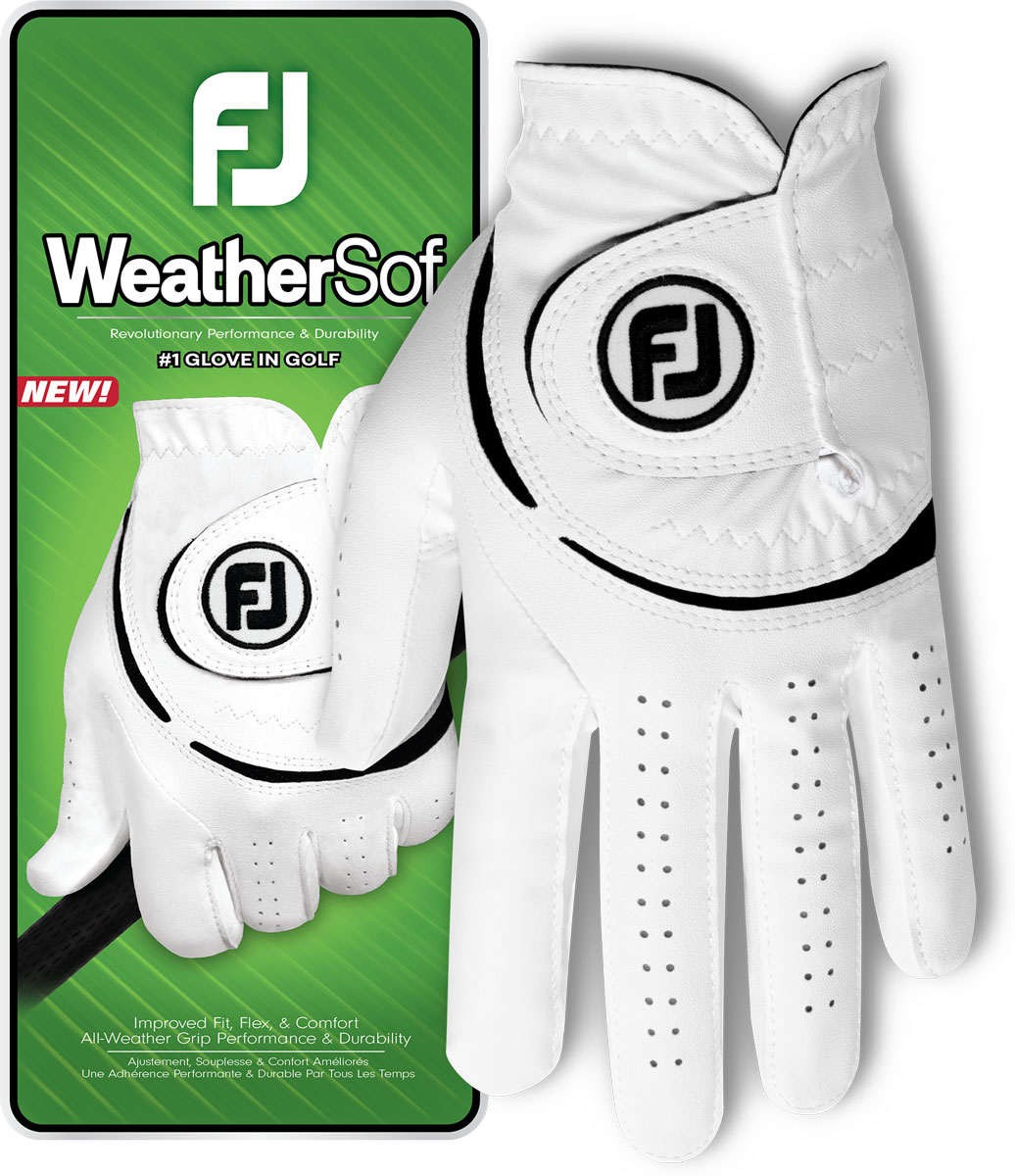
Explained
The golf glove is the cheapest upgrade in golf — and most golfers get it wrong
A glove touches every full swing you make, costs less than a sleeve of premium balls, and most golfers play the wrong one for the conditions. Here's the small rotation of gloves that keeps your grip locked in — dry, wet, cold and sweltering — for the price of one premium dozen.
Explained
Do golf gloves matter — and how many do you actually need?
It's the cheapest bit of kit you touch every swing, and most golfers treat it as an afterthought. Here's what actually matters.
Review
8.5/10FootJoy StaSof review: the premium glove tour pros have trusted for decades
The best feel and grip money can buy in a glove — as long as you accept that premium Cabretta leather wears faster than synthetic.