
Beyond 'shrink it and pink it': what's actually engineered for women golfers now
For decades 'women's' golf gear meant a smaller men's product in a pastel colourway. That's finally changing — and the difference between real engineering and a marketing paint job is now worth knowing.
By Jordan Hale · Equipment Writer
 Explained
For most of golf's history, the industry's approach to half its potential market could be summed up in four words: shrink it and pink it. Take a men's product, scale it down, wrap it in lavender or coral, add the word 'ladies', and charge the same or more. It was lazy, it was patronising, and it was oddly bad business — women are the fastest-growing segment in the game, and a lot of them quietly worked out that the 'women's' club or ball they'd been sold was a worse-fitting version of something designed for someone else. The good news, and the reason this piece exists, is that it's genuinely changing. Some of what carries the women's label now is real engineering. Some of it is still a paint job. Knowing which is which is the whole game.
Where 'women's' is real: the ball
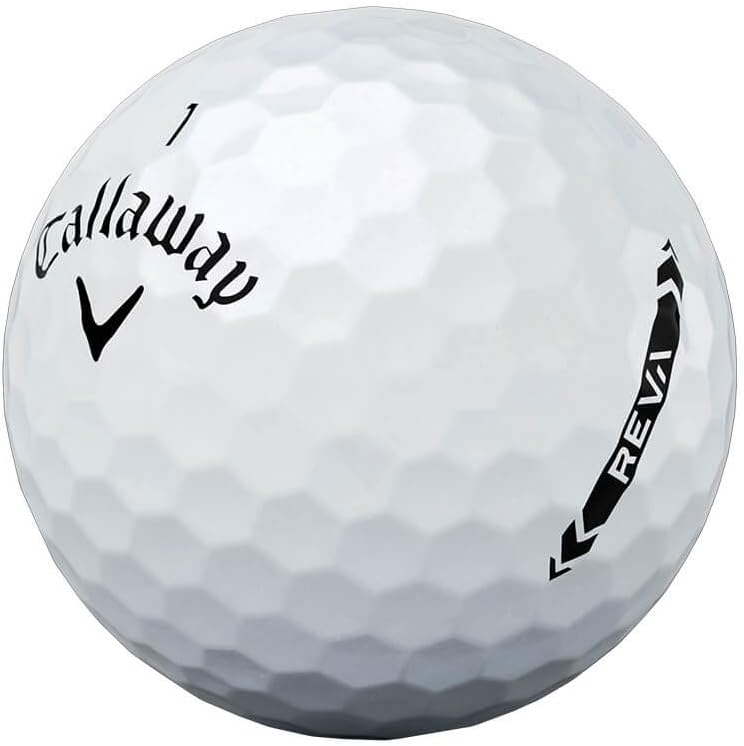
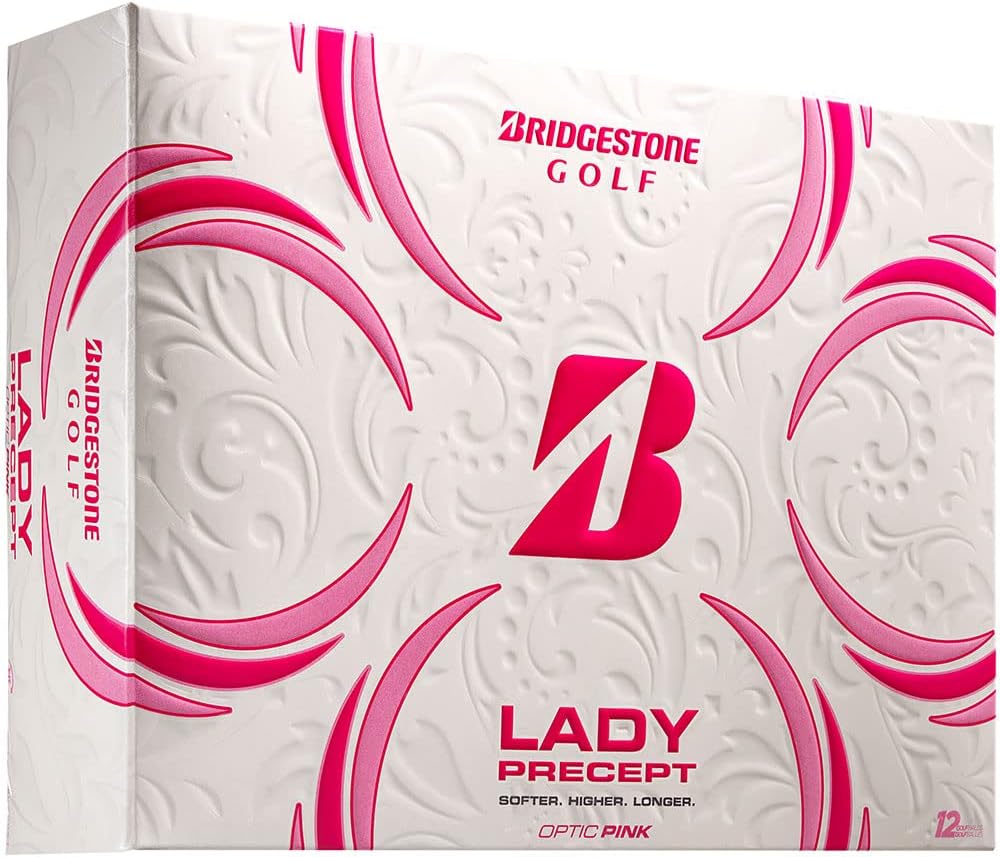
Start with the ball, because it's where the engineering is most honest and most misunderstood. Compression isn't a gimmick — it's the measure of how much a ball deforms at impact, and a ball needs enough clubhead speed to compress it properly or it simply won't give back the energy you put in. Firm tour balls are built for fast swings; put a moderate swing behind one and you're hitting something that barely flexes, leaving distance on the table for no benefit. A ball like the Callaway REVA is engineered the other way round: a low-compression core tuned to slower-to-moderate swing speeds, with a larger construction designed to launch high and carry. This isn't a pink men's ball — it's a genuinely different piece of design aimed at a swing profile the tour ball ignores. The Bridgestone Lady Precept pushes the idea further, sitting among the softest, lowest-compression balls on the market; for a golfer whose speed doesn't crush a firm ball, it turns wasted effort into real carry.
The catch worth naming: compression is about speed, not gender. A strong, fast-swinging woman may get more from a firmer ball, and a senior man with a gentle tempo may score better with one of these 'women's' balls than with the tour ball his ego is attached to. The label is a rough proxy for a swing profile — a useful shortcut, not a rule. Buy the ball that matches your speed, whatever the box says. There's more on matching ball to swing in our balls hub.
Where 'women's' is real: shoes
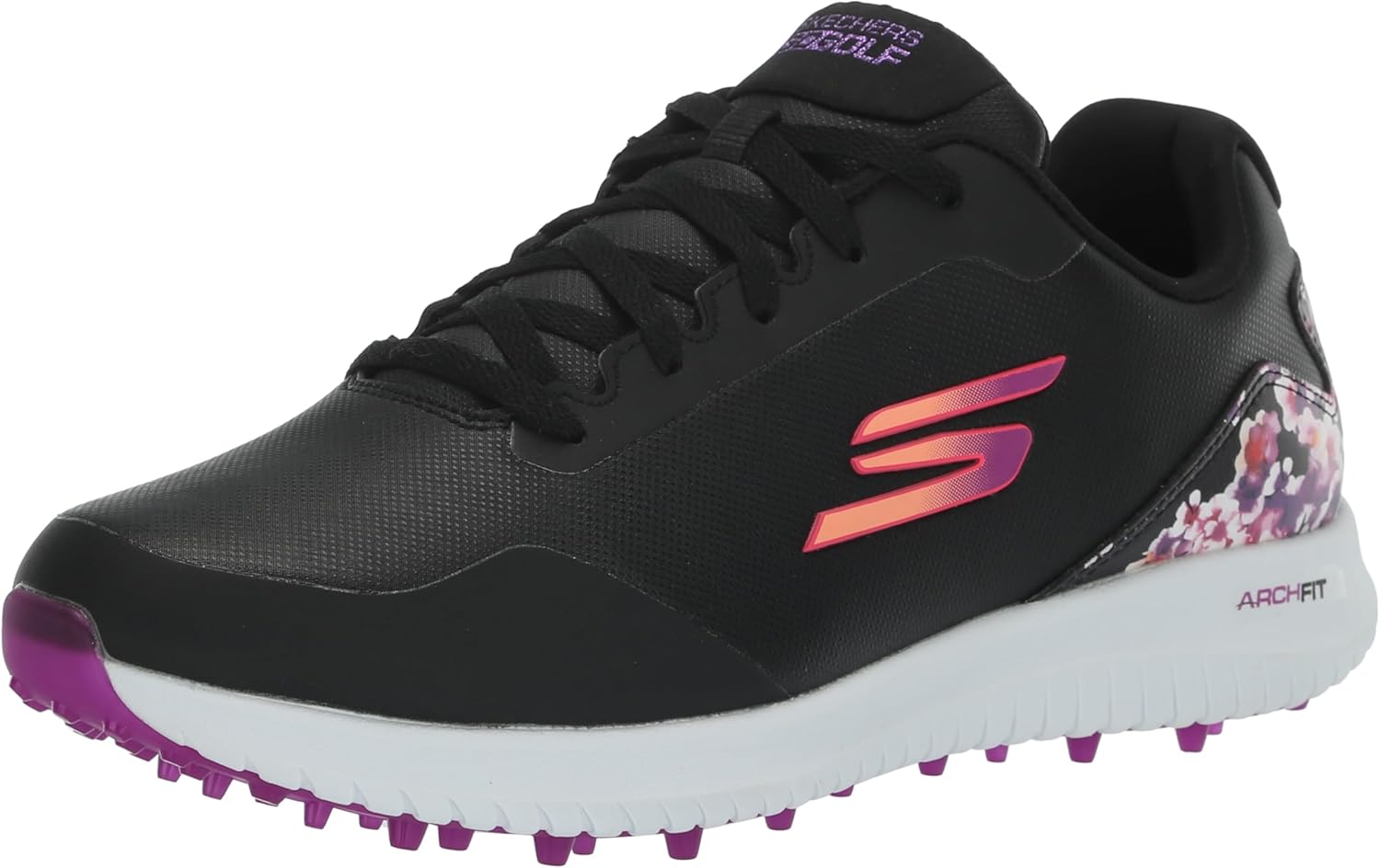
Footwear is the other category where the engineering is genuine, because feet are genuinely different. Women's feet tend to be narrower through the heel relative to the forefoot, with a different instep and arch profile — and a shoe built on a proper women's last accounts for that, rather than shrinking a men's mould and hoping. It matters more than comfort: a shoe that slips at the heel or floats at the instep can't anchor you through a swing, and a swing starts from the ground. The Skechers GO GOLF Max is a good example of the modern approach — a women's-specific spikeless build with the cushioned, walk-all-day comfort that made the brand's name, no leather break-in ordeal required.
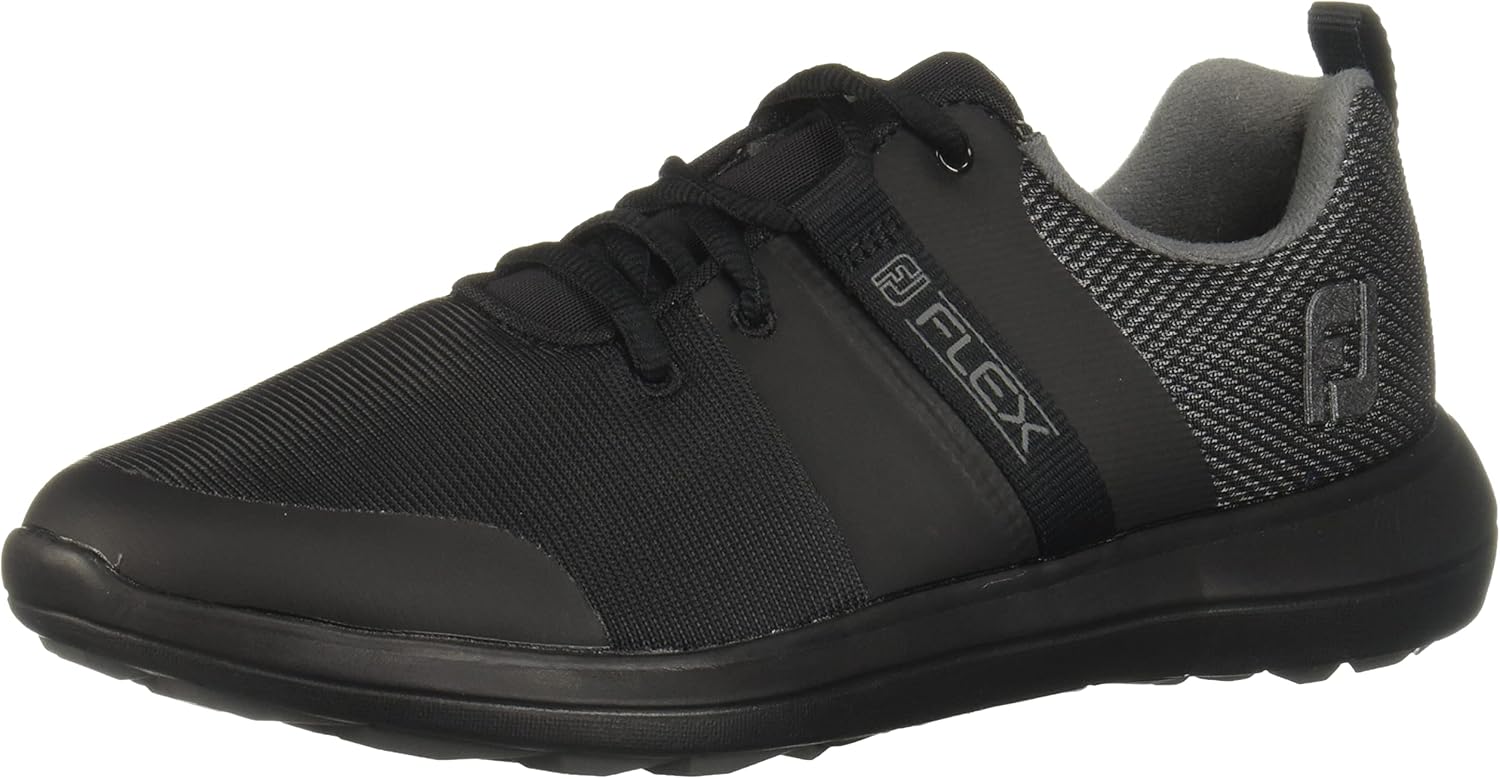
The FootJoy Women's FJ Flex comes at it from the performance side: an athletic, sneaker-like shoe built on a women's fit through the heel and instep, with enough grip to hold the ground when you turn. Between them they make the point — a real women's golf shoe is a different shoe, not a smaller one in a friendlier colour. This is where paying attention to fit pays off most.
Where the fit is small but real: gloves
Gloves sit in between. A glove is a fit product above all, and hand proportions differ enough that a women's-specific cut — narrower across the palm, shorter and slimmer through the fingers — is a real improvement, not a marketing flourish. The FootJoy Women's WeatherSof is cut for a woman's hand, and the difference shows up as a glove that doesn't bunch at the fingertips or gap across the palm, which is exactly where a loose glove starts costing you grip security. It's a small thing that touches every shot. The honest note: fit varies by hand more than by category, and the right size in a well-cut glove matters more than the label — but a genuinely women's-cut glove is a better starting point for most women's hands than a men's small.
Where 'shrink it and pink it' still lurks
Now the part the marketing won't volunteer. Not every 'women's' product has engineering behind it. Plenty of women's clubs are simply lighter, more flexible-shafted versions of men's designs — which is often exactly right for a slower swing, but is sometimes just a colourway with a premium attached and no real fitting logic. The tell is whether the maker can explain what's different beyond the finish: a specific compression, a specific last, a specific shaft profile matched to a swing-speed range. If the only answer is the colour, it's a paint job, and you should shop on spec instead. And the reverse trap is just as real — a talented, fast-swinging woman being steered into 'ladies' flex gear that under-serves her because a chart assumed her speed from her gender. The label is a starting hypothesis, never a diagnosis.
What this means if you're buying
The shift is real and it's overdue: balls tuned to actual swing speeds, shoes on genuine women's lasts, gloves cut for genuine women's hands — this is engineering aimed at an audience the game spent decades treating as an afterthought, and it's arriving because that audience is growing fast enough to be worth designing for. Buy on the spec, not the colourway. Match the ball to your speed, the shoe to your foot and the glove to your hand, and treat 'women's' as a helpful shortlist rather than a verdict — the fast swinger and the gentle-tempo player of any gender should both be ready to shop across the aisle. More of the gear worth the attention is in our apparel hub. The paint-job era is ending; the golfers it short-changed for a generation are the reason.
Products mentioned in this article
Callaway
Callaway REVA Golf Balls (Dozen)
A ball engineered around slower-to-moderate swing speeds — low compression for real carry, not a pink version of the men's ball.
Bridgestone
Bridgestone Lady Precept Golf Balls (Dozen)
One of the softest, lowest-compression balls in golf; genuine distance help where a firm tour ball just leaves speed on the table.
Skechers
Skechers Women's GO GOLF Max Arch Fit
Built on a women's last, not a downsized men's mould — spikeless comfort that walks 18 without a break-in war.
FootJoy
FootJoy Women's FJ Flex Golf Shoes
A women's-specific fit through the heel and instep, athletic-shoe comfort, and the grip to actually anchor a swing.
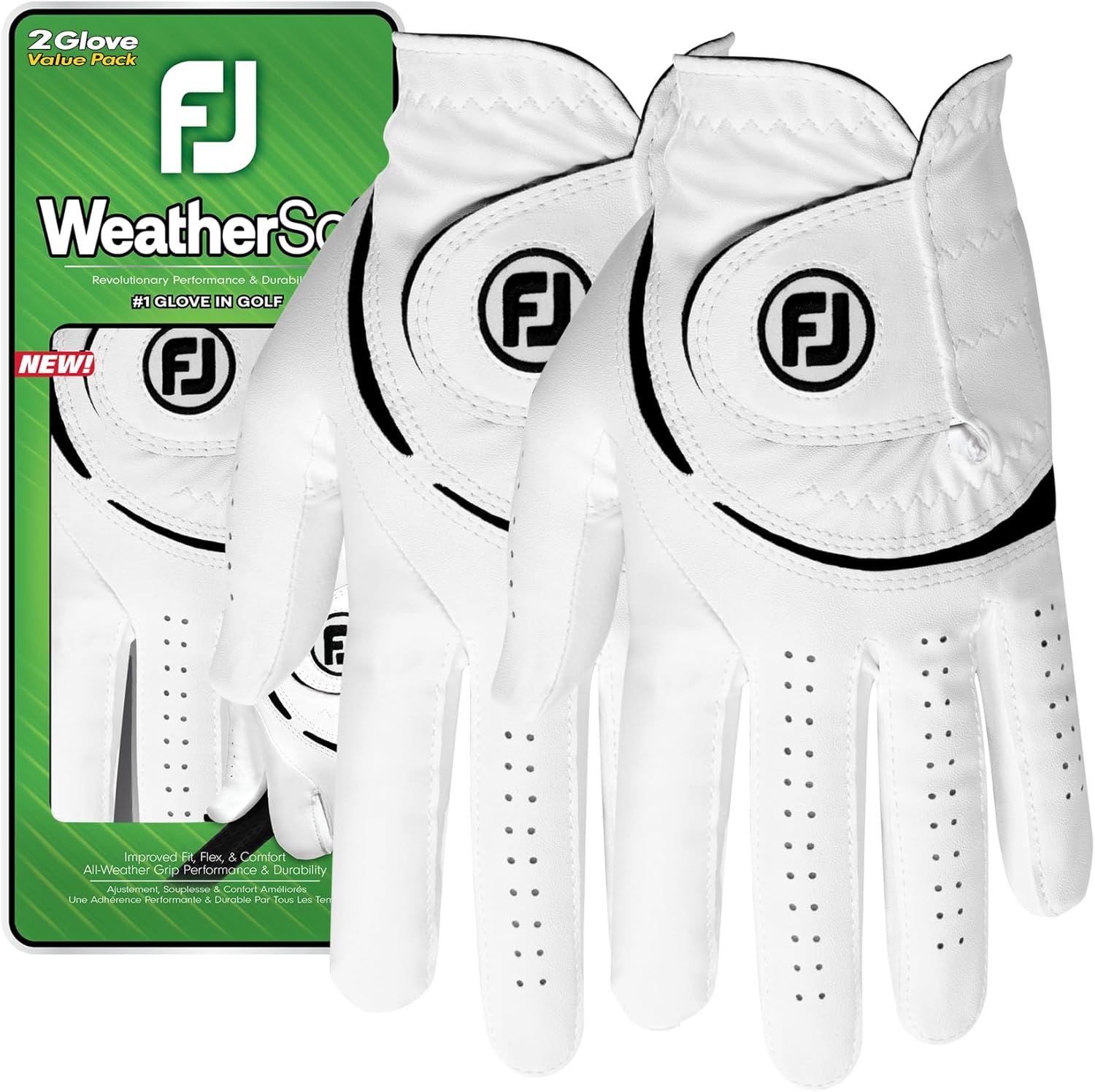
FootJoy
FootJoy Women's WeatherSof Golf Glove (2-Pack)
Cut for a woman's hand across the palm and fingers — the fit difference you feel on every grip.
ifrothgolf earns a commission on purchases made through these links, at no extra cost to you. It never changes what I recommend. Full disclosure.
Frequently asked
- What actually makes a golf ball a 'women's' ball?
- Compression. Women's balls are typically low-compression, meaning they deform more easily at impact, so a slower-to-moderate swing speed can still compress them and get real distance and launch. It isn't about gender — it's about matching compression to swing speed. A fast-swinging woman may prefer a firmer ball, and a gentle-tempo man may score better with a low-compression one.
- Is there a real difference between women's and men's golf shoes?
- Yes, when the shoe is built on a proper women's last. Women's feet are generally narrower through the heel relative to the forefoot, with a different instep and arch, so a genuine women's shoe fits and anchors the swing better than a downsized men's model. Watch out for shoes that are just a men's design in a different colourway.
- How do I know if 'women's' gear is engineered or just marketing?
- Ask what's actually different beyond the colour. Real engineering points to something specific — a defined compression, a women's-specific last, a shaft profile matched to a swing-speed range. If the only difference the maker can name is the finish, it's likely a paint job, and you should shop on spec instead.
- Should a woman with a fast swing avoid 'women's' gear?
- Not automatically, but she shouldn't be boxed in by the label either. Ball compression and shaft flex should match swing speed, not gender. A fast-swinging woman may get more from a firmer ball and a stiffer shaft than a chart based on gender would suggest, so it's worth fitting to the actual swing and shopping across categories.
Read next
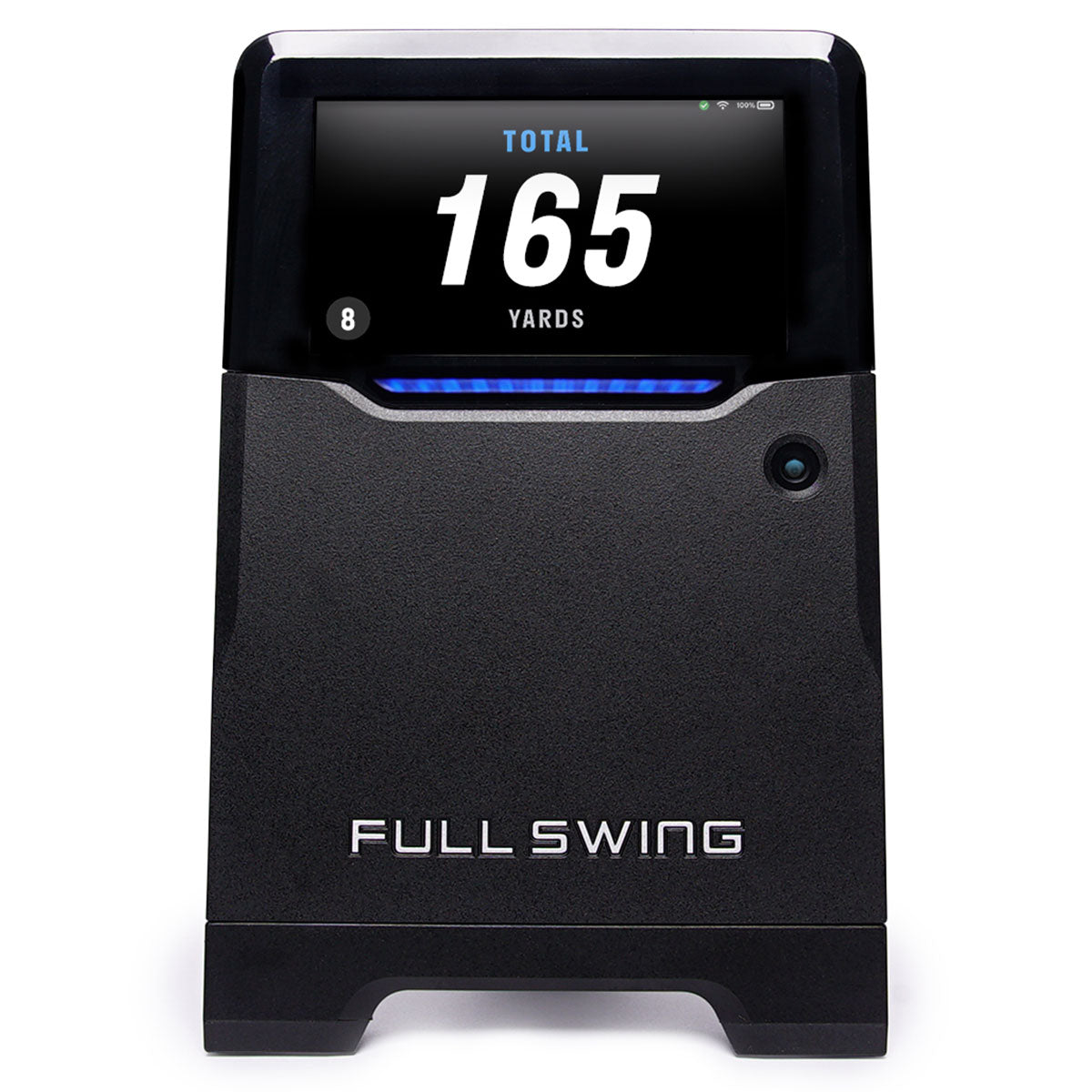
Review
7.9/10Full Swing KIT review: the tape measure decides this, not Tiger
Tour pedigree, TGL on ESPN, and radar good enough to be checked against a Trackman outdoors. It also wants eighteen to twenty feet of room, which rules out most of the garages people buy it for.
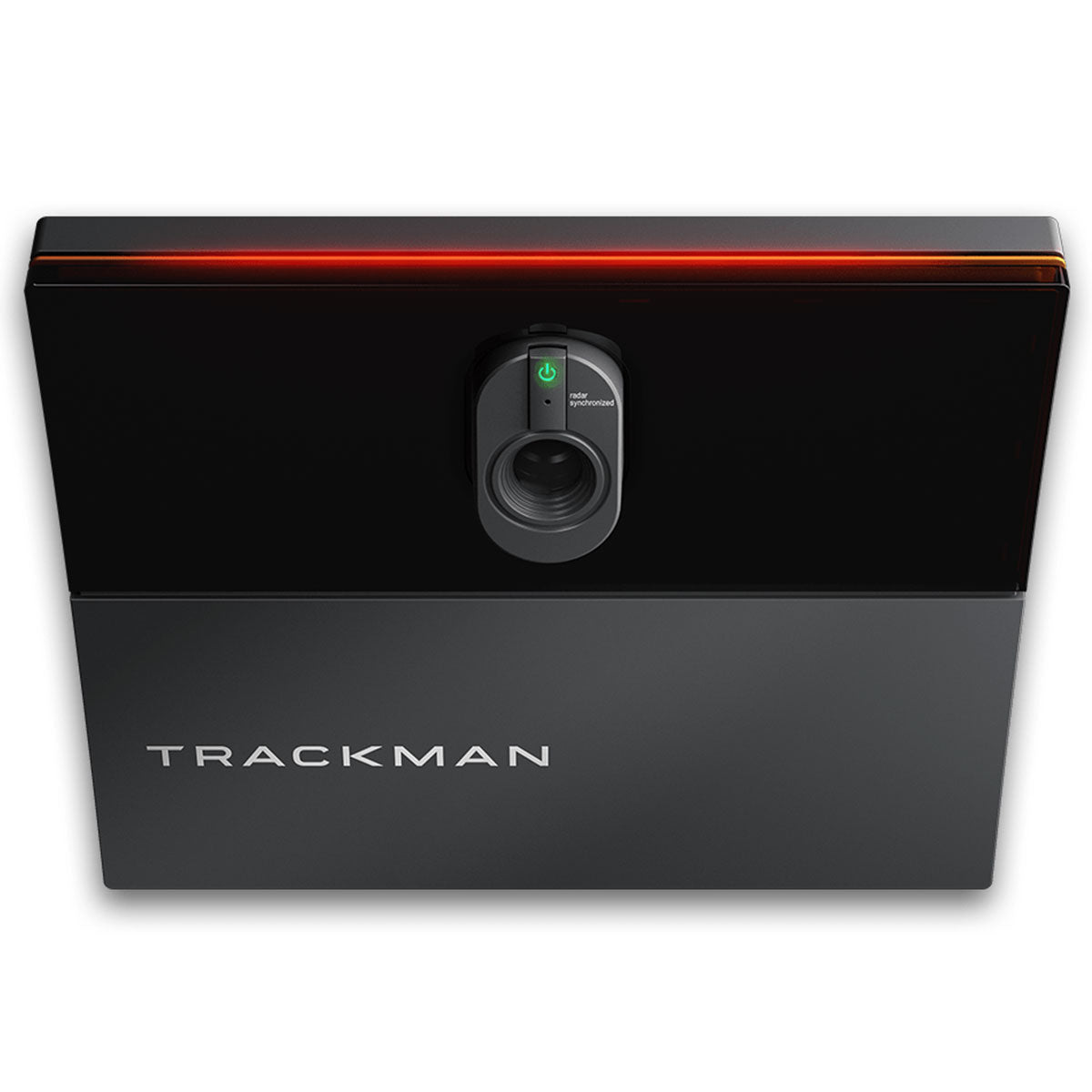
Versus
Trackman iO vs Uneekor EYE XO2: the year-one trap
Both mount overhead, both want ten feet of ceiling, and about $3,000 separates them on the shelf. Then Trackman's included first year runs out, and the gap starts growing by $1,100 a year.
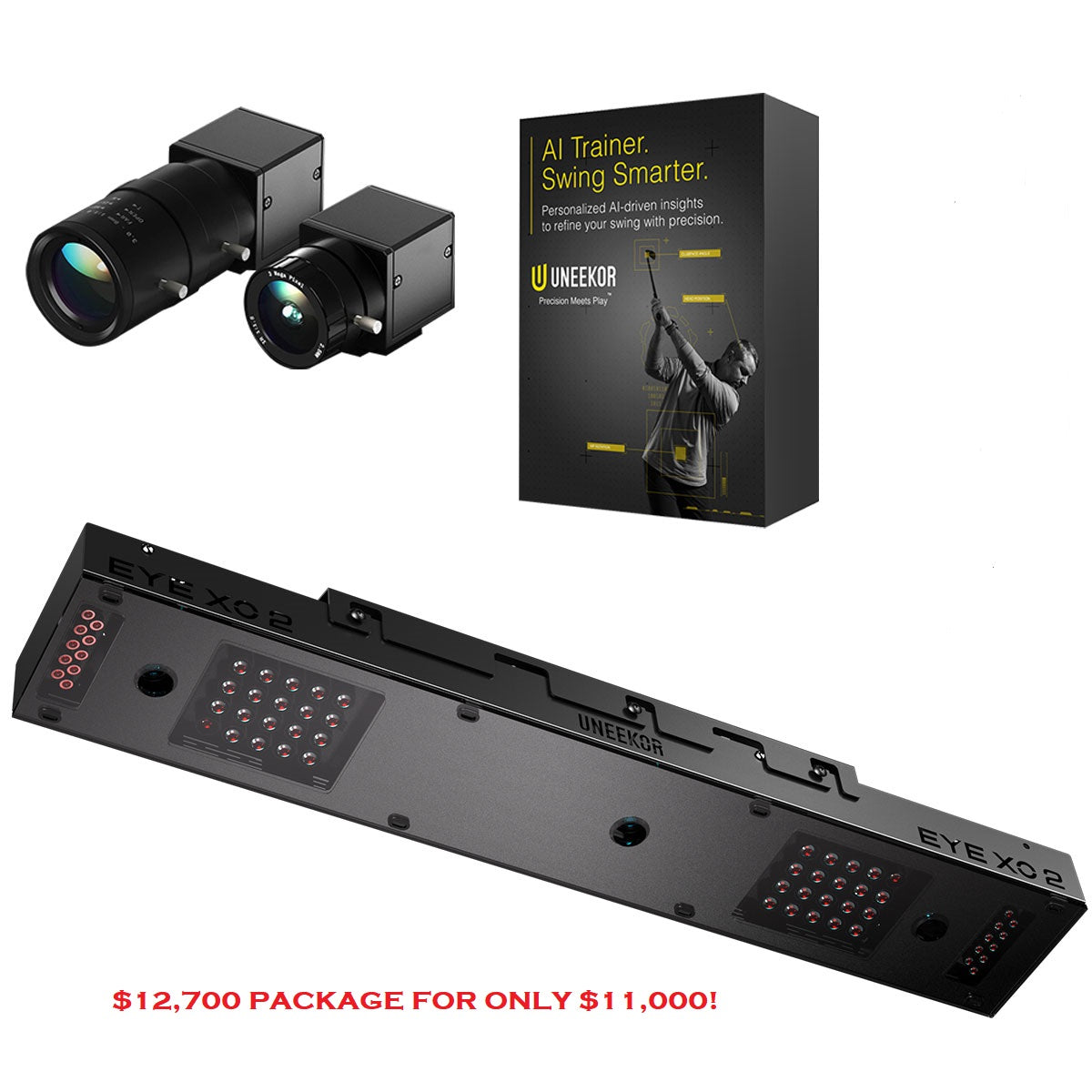
Versus
Uneekor EYE XO2 vs Foresight GC3: ceiling or floor?
About $4,000 separates them, but they're not really rivals — one lives in your ceiling forever, the other sits on the floor and travels. The cheaper one is also the one with no subscription.