Tralee golf guide: Arnold Palmer's first, and Ireland's most cinematic, links
Arnold Palmer's first design outside the US is a two-part masterpiece — a gentle opening nine along a film-star beach, then a back nine that climbs into some of the biggest dunes in golf. How to play it, when to go, and how it fits a Kerry links trip.
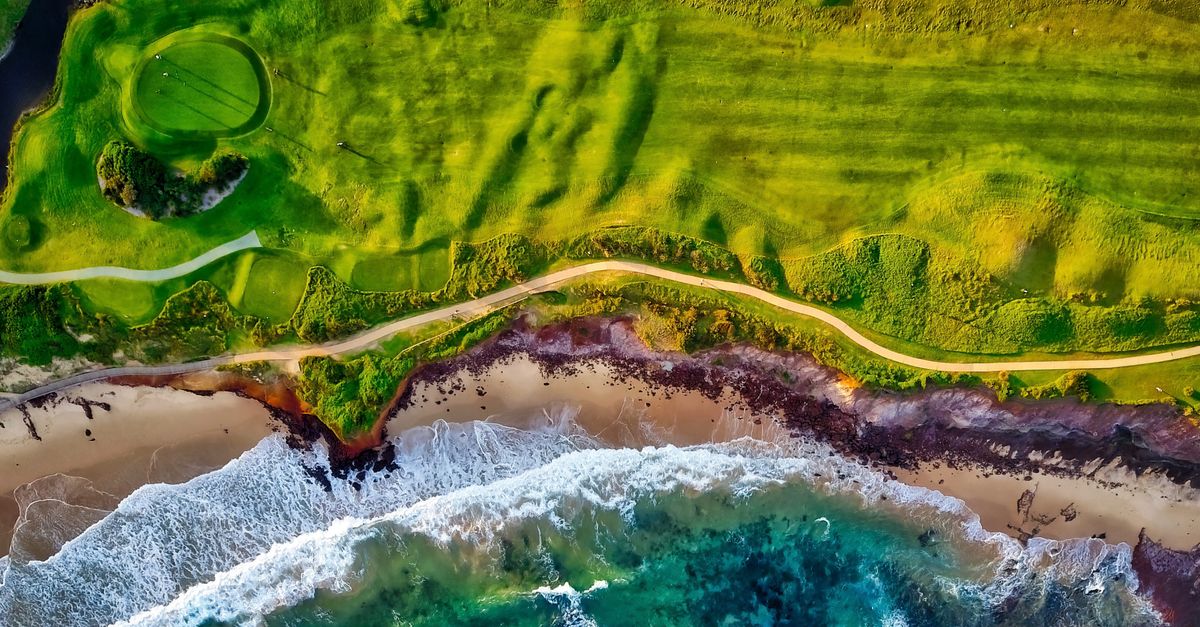
Tralee is the links Arnold Palmer built — his first design anywhere outside the United States — and it's split into two utterly different halves. The front nine runs along Barrow beach, the very sand where David Lean filmed Ryan's Daughter; the back nine climbs into a wild range of dunes so dramatic that Palmer famously said he'd designed the first nine but 'surely God designed the back nine.'
That contrast, plus the sheer scale of the scenery, makes Tralee one of the most cinematic rounds in Ireland. This guide covers how visitors play it, the holes that define it, when to go, and how it slots into a south-west Ireland links tour.
Where
West Barrow, Ardfert — about 8 miles north-west of Tralee town, County Kerry
Course
The Links (par 72, up to ~6,975 yds) — natural links on the Atlantic
Designer
Arnold Palmer & Ed Seay (opened 1984) — Palmer's first design outside the USA
May–September for daylight and firm links; wind possible any month
Access
Visitors welcome daily — advance booking essential, often months ahead in peak season
The courses
The Links
Arnold Palmer & Ed Seay · 1984 · 18 holes · Links · par 72 · up to ~6,975 yds
Arnold Palmer's first course outside the US; a fixture in Ireland's top links
The front nine plays across gentler ground beside Barrow beach, past the ruins of Barrow Castle, and lulls you into thinking Tralee is more scenic than severe. Then the back nine turns inland and upward into a colossal dune system, and the course bares its teeth: blind carries, elevated tees and greens tucked into hollows and perched on ledges.
The signature is the par-3 16th, 'The Castle', a mid-iron played across a deep chasm to a green with nothing but trouble short — one of the most photographed one-shotters in Ireland. Add the long par-5 'Culin' and a string of clifftop views and you have a course that's as much an experience as a test. It's long from the tips but very playable from sensible tees; the drama is the point.
How visitors play Tralee
Tralee is a visitor-friendly club — you don't need a member's introduction — but it's also popular and protective of its tee sheet, so advance booking is essential, often months ahead for a peak-season slot. It's a members' club rather than a resort, so there's no on-site hotel; most visitors base themselves in Tralee town or Killarney and drive out.
Caddies and trolleys are available, and given how much the back nine climbs and drops through the dunes, a caddie's line off the blind tees is genuinely useful the first time round. Green fees are premium in high season, as you'd expect for a course of this ranking, but Tralee is a walk you'll remember long after the score.
The two nines
No links in Ireland has a more pronounced split personality. The front nine is the photogenic warm-up: flatter, seaside, framed by the beach and the castle ruins, with the sea rarely out of view. The back nine is the main event — Palmer and Ed Seay routed it straight into the tallest dunes, and holes like the plunging par-3 16th 'The Castle' and the roller-coaster closing stretch deliver the wow moments. Save something in the tank; the second nine is where Tralee earns its reputation, and its exposure means the wind bites hardest exactly when the golf gets hardest.
When to go
May to September offers the longest daylight and the firmest, fastest links conditions, with light summer evenings ideal for a late tee time. Spring and autumn are quieter and a little cheaper, but this is the Atlantic coast of Kerry, so wind and rain can arrive in any month — and Tralee's exposed back nine is thrilling in a breeze. Winter access is limited and weather-dependent.
How to build the trip
Tralee is a cornerstone of the south-west Ireland links tour. It sits within easy reach of Ballybunion to the north and Waterville out on the Ring of Kerry to the south, with Lahinch up in Clare completing the classic loop. Because Tralee is a modern (1984) links among ancient ones, it adds welcome variety to a trip — a different rhythm and a different kind of drama. Base in Tralee or Killarney, and treat the driving between courses, along some of Ireland's most spectacular coast, as part of the holiday.
What to pack
The kit this trip demands
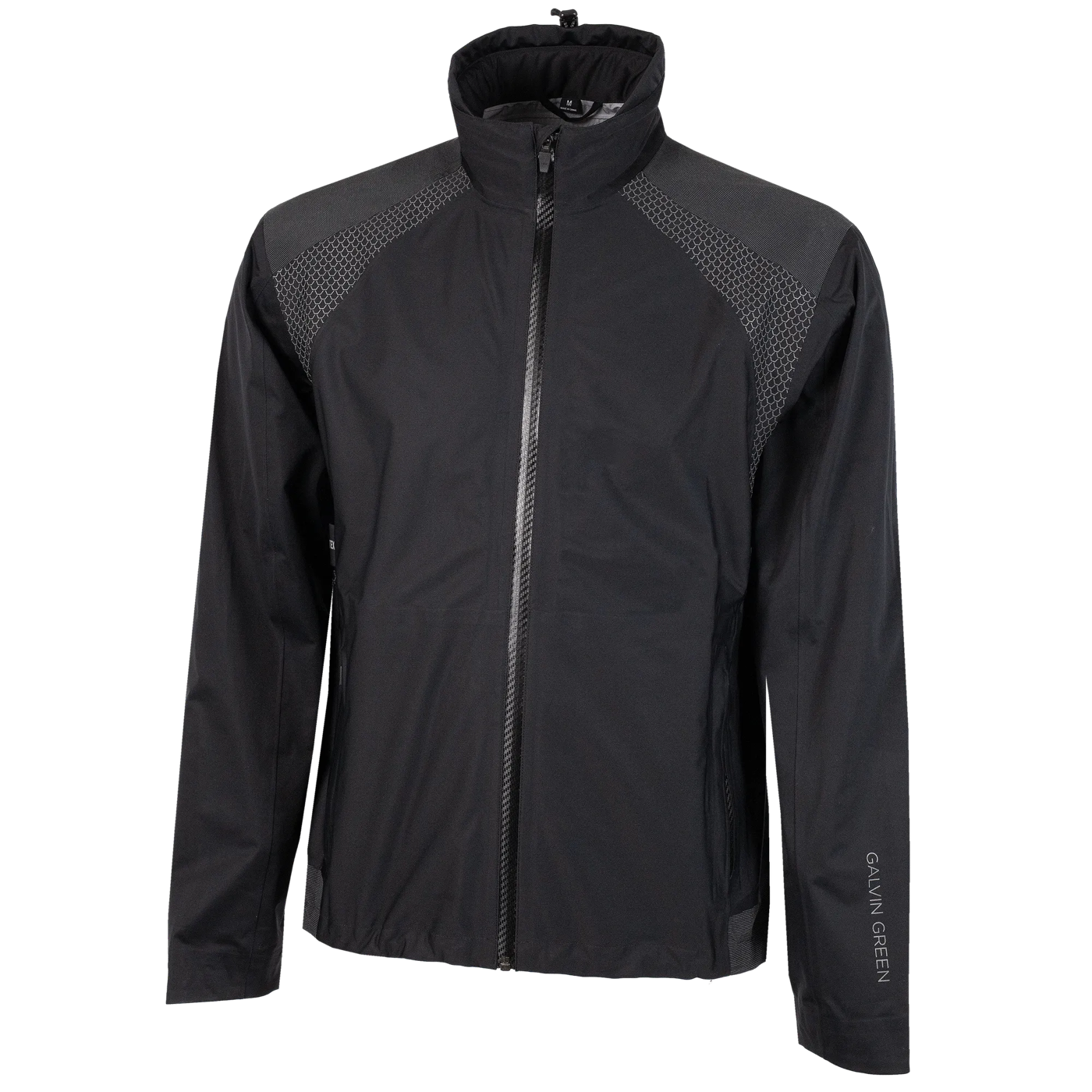
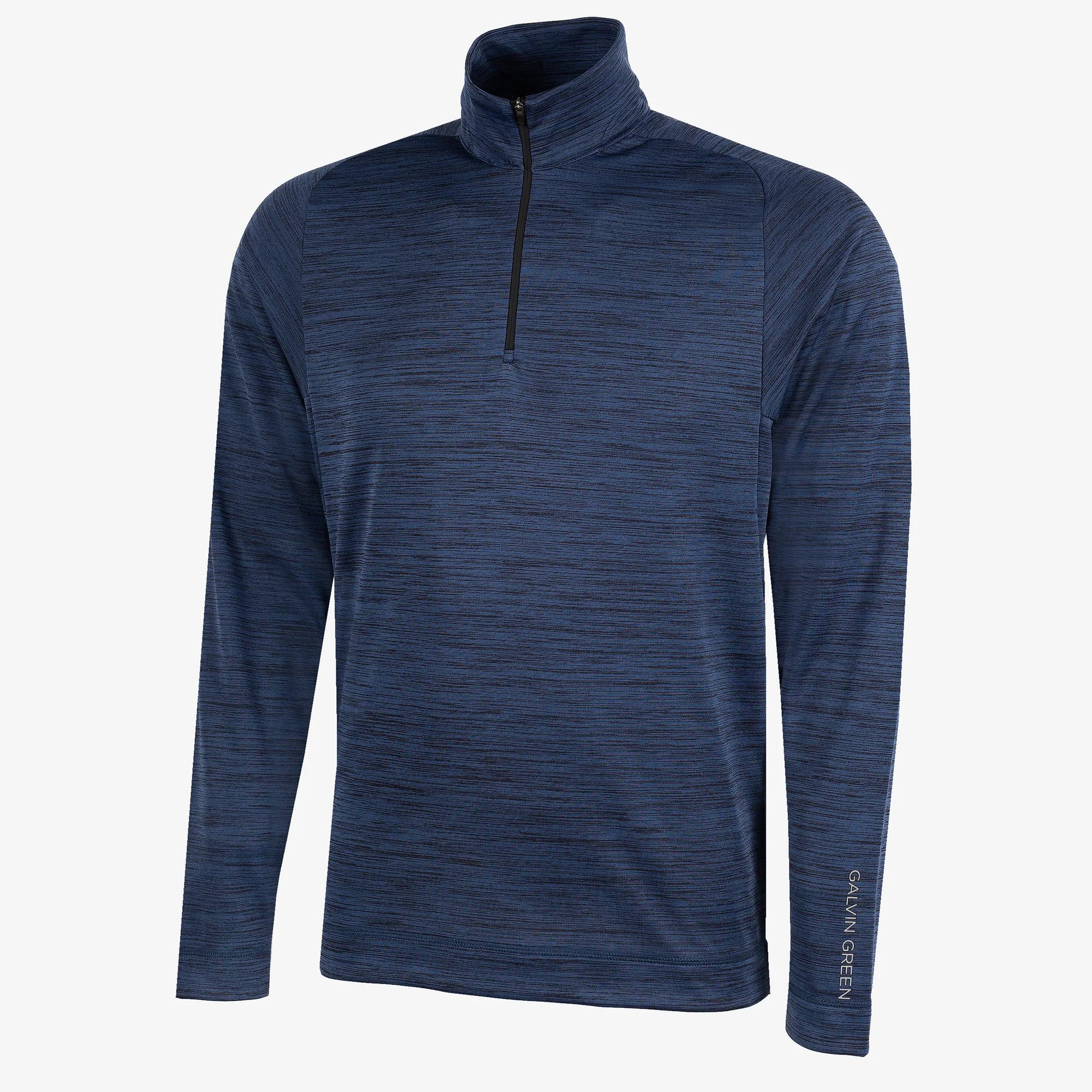
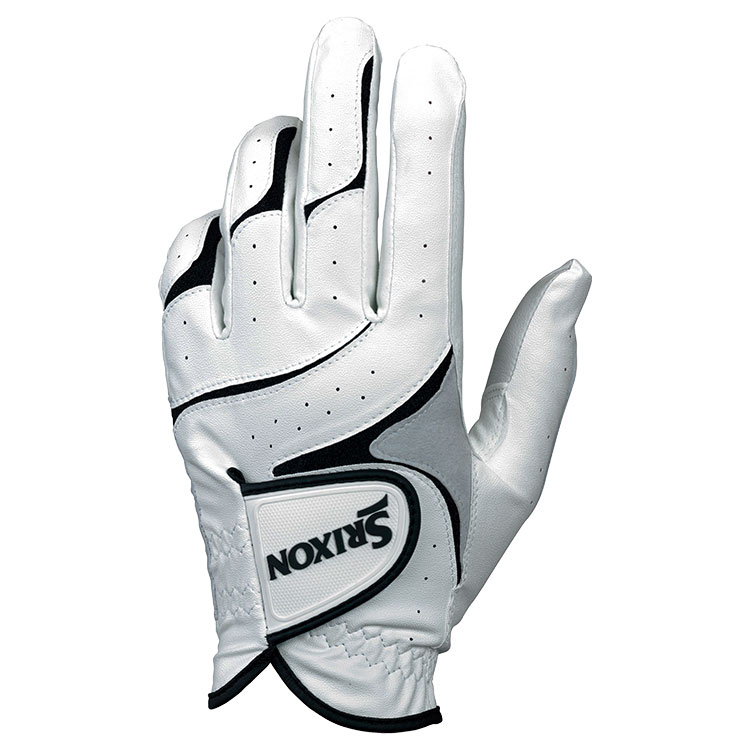
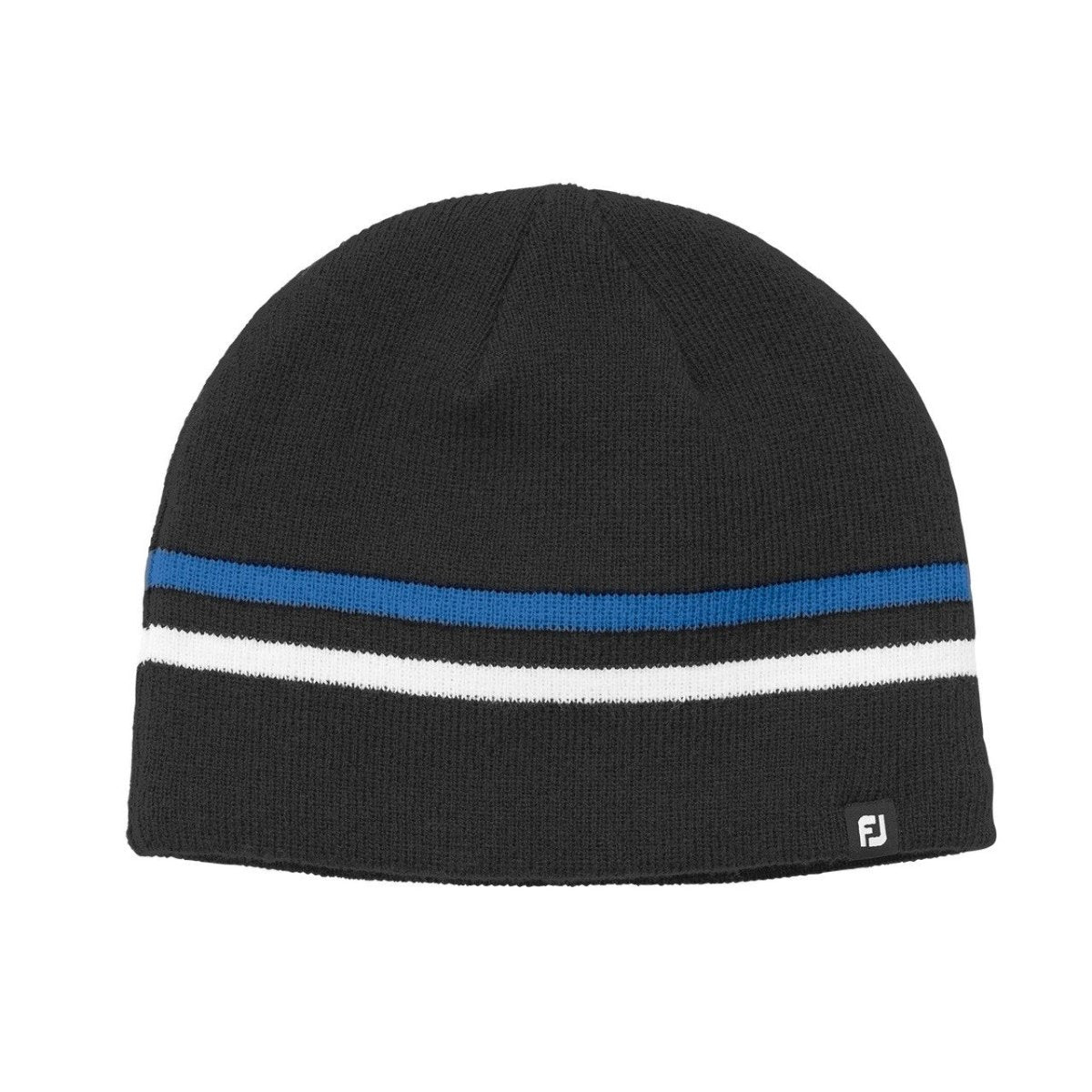
Tralee is exposed Atlantic links golf with a back nine high in the dunes — pack for wind and showers, and something to help you commit over the blind carries:
Yes — Tralee welcomes visitors daily and you don't need a member's introduction, but advance booking is essential and peak-season tee times go months ahead. It's a members' club with no on-site hotel, so most visitors base themselves in Tralee town or Killarney.
Did Arnold Palmer really design Tralee?
Yes. Tralee, opened in 1984, was Arnold Palmer's first golf course design outside the United States, created with his partner Ed Seay. Palmer famously said he had designed the front nine 'but surely God designed the back nine', referring to the dramatic dune-land holes.
What is Tralee's signature hole?
The par-3 16th, 'The Castle', is the most celebrated — a mid-iron played across a deep chasm to a green ringed by trouble, and one of the most photographed one-shot holes in Ireland. The plunging back nine as a whole, set in towering dunes, is the course's calling card.
What else can you play near Tralee?
Tralee is a cornerstone of a south-west Ireland links tour, within easy reach of Ballybunion to the north and Waterville on the Ring of Kerry to the south, with Lahinch in Clare completing the loop. It's roughly 30 minutes from Kerry Airport.