Waterville golf guide: the Ring of Kerry links Payne Stewart loved
On the far edge of the Ring of Kerry sits one of Ireland's most spiritual links — Eddie Hackett's routing through the dunes of Ballinskelligs Bay, later polished by Tom Fazio. How to play it, when to go, and how it fits a south-west Ireland trip.
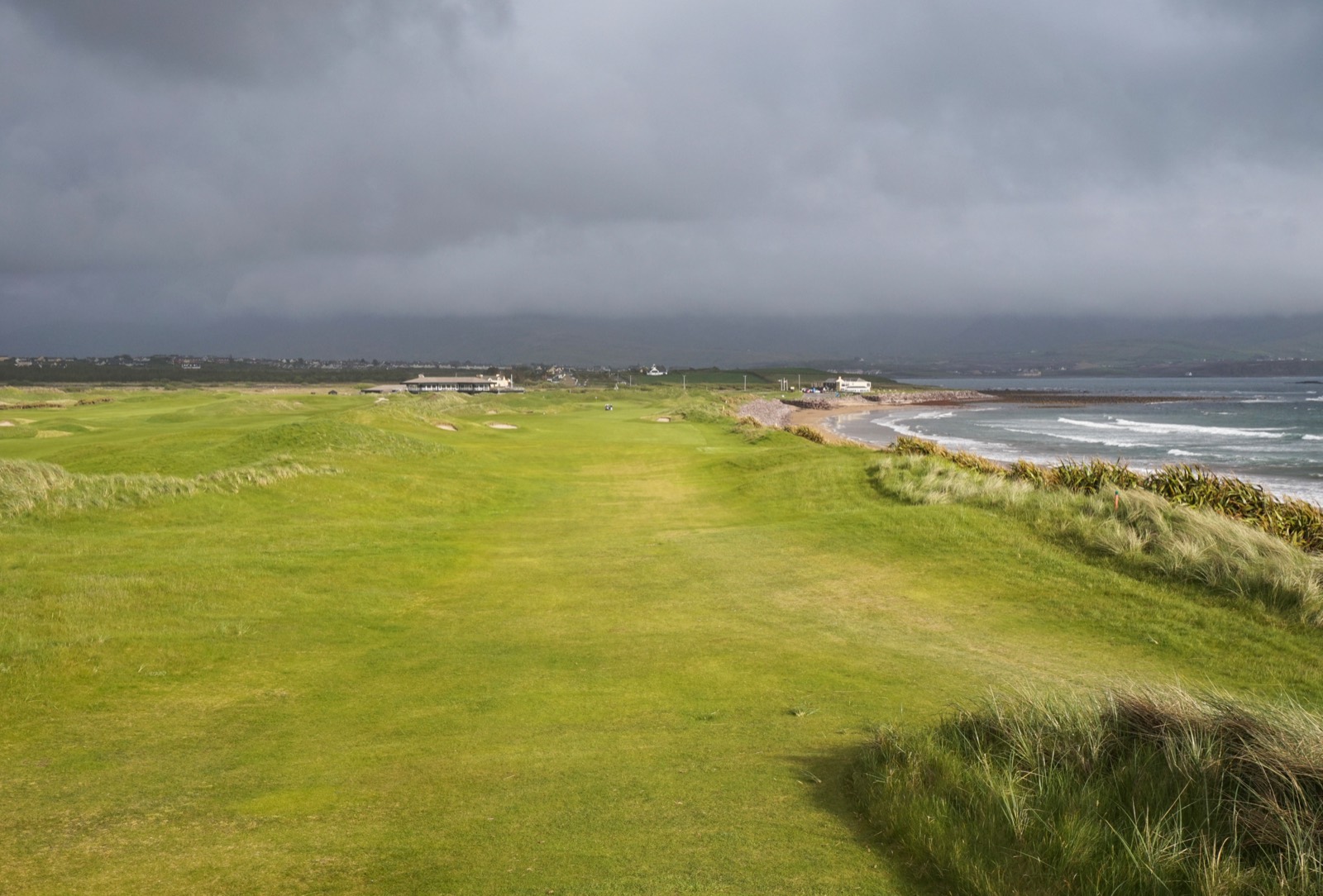
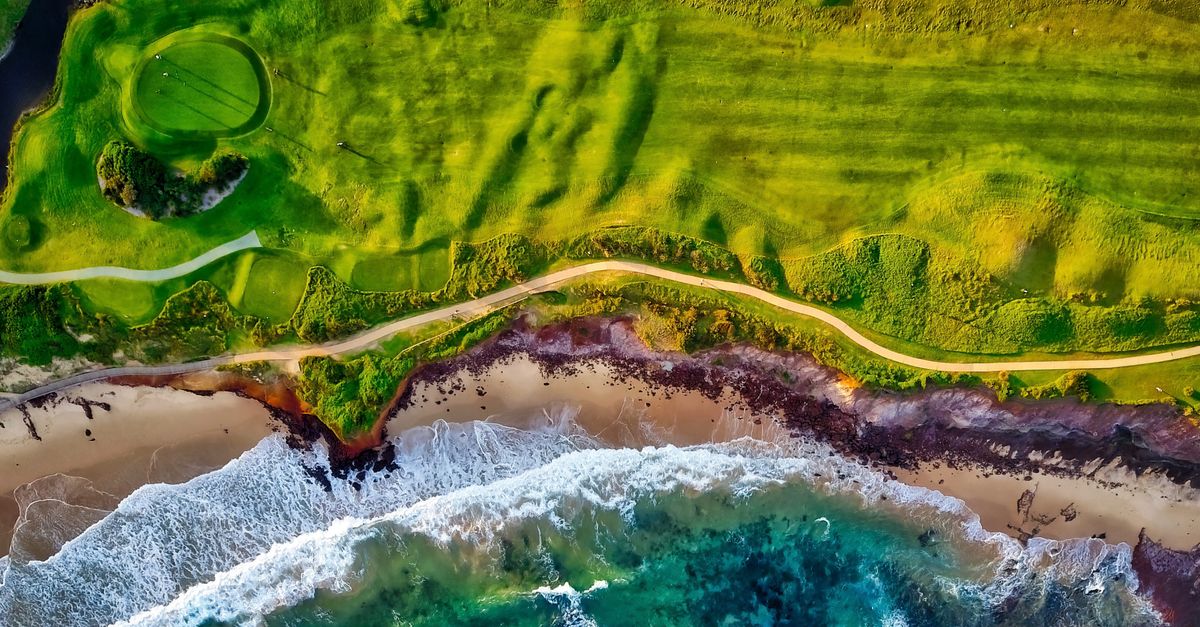
Waterville is the links you drive two hours out of your way for and never regret it. Marooned on the far south-western tip of the Ring of Kerry, wrapped around Ballinskelligs Bay with the Atlantic on three sides, it's one of the most atmospheric rounds in Ireland — and one of the most welcoming, because unlike many of the world's great links it actively wants visitors.
This guide covers how to play it, the holes that make it, its deep Payne Stewart connection, when to go, and how Waterville slots into the classic south-west Ireland links road trip alongside Ballybunion, Lahinch and Tralee.
Where
Waterville, County Kerry — on the Ring of Kerry, Ireland's far south-west
Course
The Links (par 72, ~7,200 yds) — natural links on Ballinskelligs Bay
Designers
Eddie Hackett (opened 1973), revised by Tom Fazio (2006)
May–September for daylight and the driest links; wind possible any month
Access
Visitor- and society-friendly — book a tee time directly; Waterville House on site for stay-and-play
The courses
The Links (Championship Course)
Eddie Hackett; revised by Tom Fazio (2006) · 1973 (Fazio revision 2006) · 18 holes · Links · par 72 · ~7,200 yds
A fixture in world and Ireland top-100 links rankings
Irish-American tycoon John A. 'Jack' Mulcahy found the site in the late 1960s and hired the great Irish architect Eddie Hackett to route a championship links through the towering dunes; it opened in 1973. In 2006 Tom Fazio was brought in to refine it — adding the new par-3 sixth and par-4 seventh and reshaping much of the flattish front nine — without touching the classic back-nine run for which Waterville is famous.
The result is a genuine test that still feels handmade rather than manufactured: a gentler-than-it-looks front nine that lulls you, then a back nine that climbs into the biggest dunes and turns ferocious when the wind gets up. It is long off the back tees but eminently playable from the right markers — the appeal is the drama and the setting as much as the difficulty.
How visitors play Waterville
Waterville is one of the more welcoming of the world-ranked links: it's a visitor- and society-friendly club, so you simply book a tee time directly rather than needing a member's introduction. Green fees are premium in high season — this is a bucket-list links — but the experience is unhurried and the welcome is famously warm.
On site, Waterville House is a restored 18th-century manor that turns the course into a stay-and-play retreat, which suits the remote location: this is not somewhere you dash in and out of, and an overnight lets you play a relaxed second round or simply soak up the Kerry coast. Caddies are available and, on a course this dramatic, well worth taking for the local knowledge.
The holes that make it
Waterville's reputation rests on a back nine that ranks with any in Ireland. The par-5 11th, 'Tranquility,' threads through a natural valley between two dune ridges — a stunning, sheltered walk. The par-3 12th, 'Mass Hole,' is named for the hollow where locals secretly held Mass during penal times, played across a chasm to a green you must carry.
The signature is the par-3 17th, 'Mulcahy's Peak' — the tee sits high on a dune with the green isolated below and the MacGillycuddy's Reeks framing the shot. It's where founder Jack Mulcahy's ashes are buried, and it's the photograph everyone takes home. The closing 18th then sweeps along the beach back to the clubhouse, one of golf's great finishing walks.
The Payne Stewart connection
Waterville holds a special place in the affections of American tour pros, and none more than Payne Stewart, who fell for the place while using it as an Open-warmup base — he played here with Tiger Woods and Mark O'Meara before the 1998 Open. Stewart had accepted an honorary captaincy of the club for 2000, but was killed in a plane crash in October 1999 before he could take office. A bronze statue of him now overlooks the links, and it remains one of the most-visited spots on the property — a poignant reminder of how deeply this remote Kerry links gets under a golfer's skin.
When to go
May to September gives the longest daylight and the driest, firmest links conditions, with midsummer evenings light enough for a late tee time. Spring and early autumn are quieter and cheaper, but Kerry sits right in the Atlantic's path, so wind and rain are possible in any month — that's simply links golf, and Waterville is at its most thrilling with a breeze up. Winter play is limited and weather-dependent.
How to build the trip
Waterville is the natural centrepiece of a south-west Ireland links tour. The classic loop pairs it with Ballybunion and Lahinch to the north in Clare, plus Tralee and Dooks nearby in Kerry, and many golfers add Old Head on the run back towards Cork. Because Waterville sits out at the tip of the Ring of Kerry, it rewards building a night or two around it rather than treating it as a day trip — the drive is spectacular but slow. Base in Waterville itself (or Killarney for more amenities) and let the scenery of the Ring be part of the holiday.
What to pack
The kit this trip demands
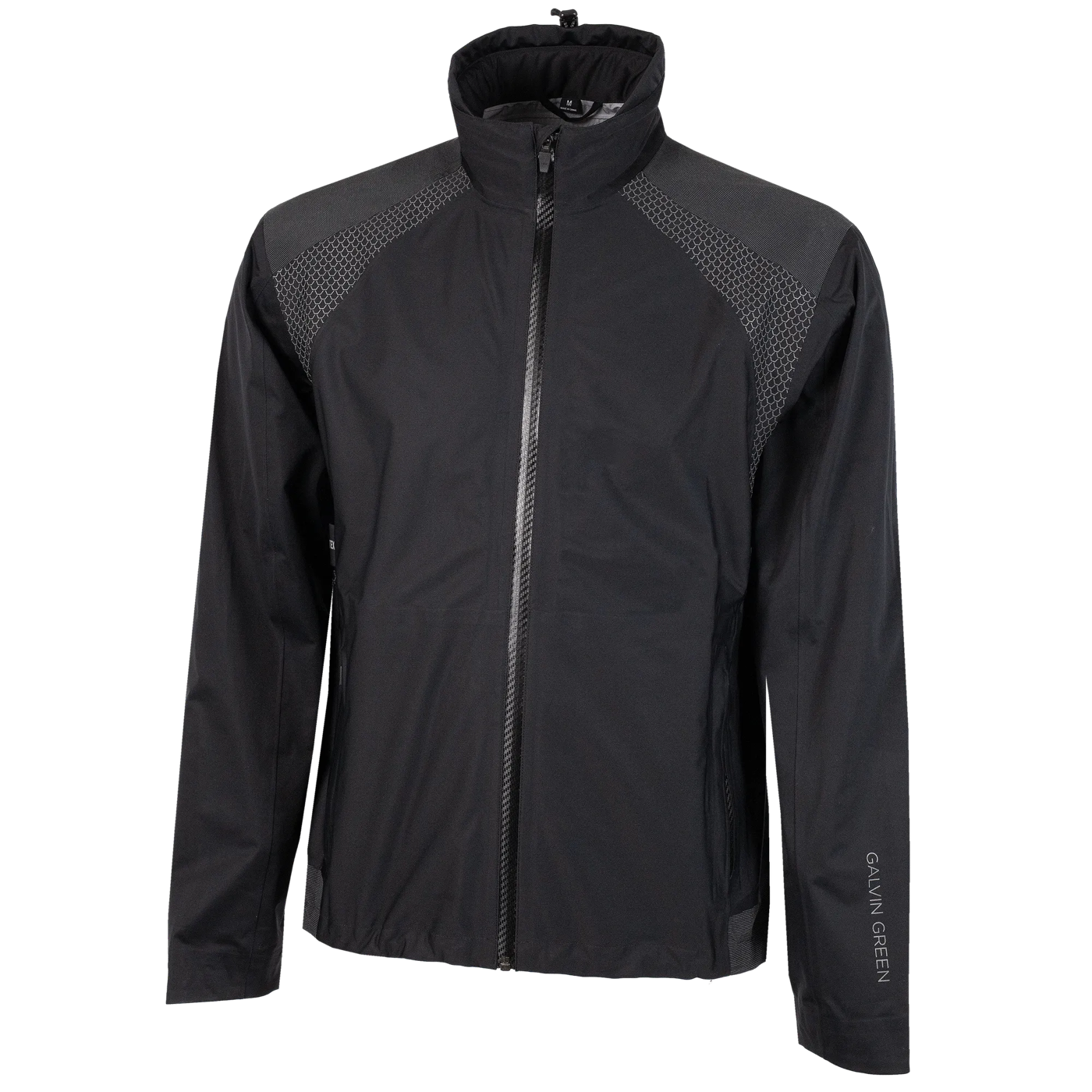
Waterville is proper Atlantic links golf on an exposed Kerry headland — pack for wind and sideways showers, and travel light enough to walk it:
Yes. Waterville is a visitor- and society-friendly club — you book a tee time directly rather than needing a member's introduction. Green fees are premium in high season, and caddies are available. Waterville House on site offers stay-and-play packages, which suit the remote Ring of Kerry location.
Who designed Waterville?
The links was routed by the celebrated Irish architect Eddie Hackett for founder John A. 'Jack' Mulcahy and opened in 1973. Tom Fazio carried out a widely praised revision in 2006, adding the new sixth and seventh holes and reshaping much of the front nine while leaving the famous back nine intact.
What is the connection between Payne Stewart and Waterville?
Payne Stewart loved Waterville, using it as an Open-warmup base and playing there with Tiger Woods and Mark O'Meara before the 1998 Open. He had accepted an honorary captaincy for 2000 but died in a plane crash in October 1999. A bronze statue of him now overlooks the links.
How do you get to Waterville and what else can you play nearby?
It's on the far south-west tip of the Ring of Kerry — roughly 1hr 15min from Kerry Airport, or 2.5–2.75 hours from Cork or Shannon. It pairs naturally with Ballybunion, Lahinch, Tralee and Dooks on a south-west Ireland links tour, with Old Head an option on the way back towards Cork.