
Autumn dew kills a cabretta glove by the fourth tee: swap to a synthetic at the turn
The rotation everyone recommends has a glove for hot, a glove for wet and a glove for freezing. It has no glove for a September eight o'clock tee time where the grass is soaked and the sky is clear, which is most of the next two months.
By Ross Hamilton · Staff Writer
Titleist
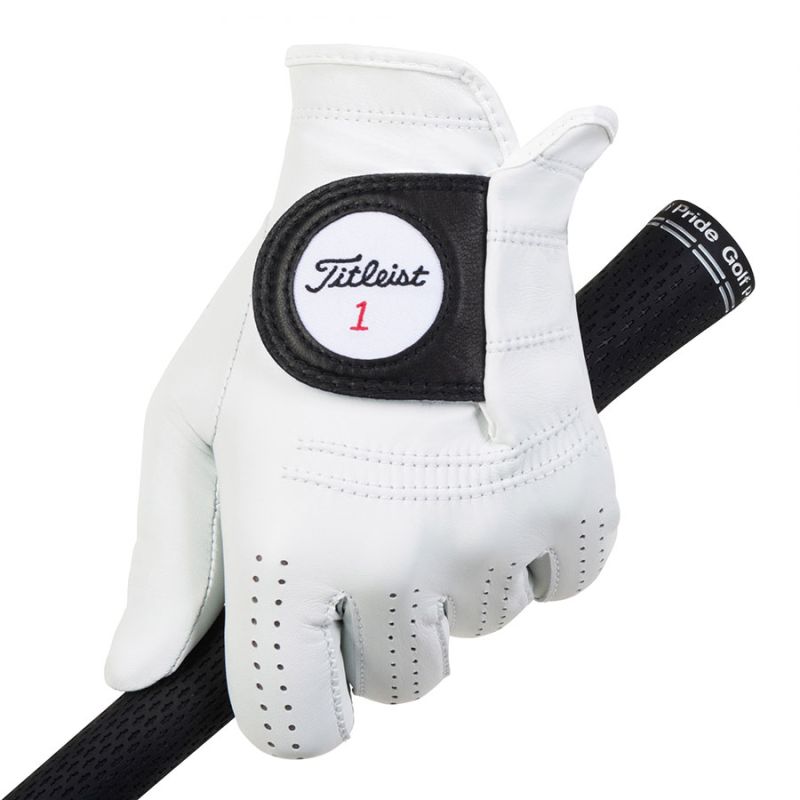
Titleist Players Glove
ifrothgolf earns a commission on purchases made through these links, at no extra cost to you. It never changes what I recommend. Full disclosure.
Eight-ten tee time, last week of September, and the first thing that happens is your shoes go dark. The grass is loaded. Not wet from rain — it has not rained since Thursday — but carrying an entire night of dew that will not burn off until somewhere around the seventh. You pick the ball out of the first cup and it is wet. You set the club down on the second tee and the grip picks up a stripe of water. You wipe your hands on a towel that stopped being dry two holes ago.
By the fourth, the glove that felt perfect in August feels like it has a film on it, and you have started gripping harder without deciding to. Nobody reaches for wet-weather kit, because it is a beautiful morning.
Dew is a different problem to rain, and that is why it catches people
Rain is loud about itself. You see it coming, you get the bag hood on, and if you own a pair of rain gloves you put them on — they are the one piece of kit in golf that works better wet, and we covered exactly why in rain gloves come in pairs. That is the last you will hear about them here, because on a dew morning they are the wrong tool and they stay in the pocket.
Autumn damp arrives from underneath instead, and it is relentless rather than heavy. The ball is wet every time you pick it up, the grip takes water off the turf every time you ground the club, and the towel is saturated by the third. The total volume of water is trivial next to a downpour. The number of times your glove contacts it is not, and that is the variable that decides what happens to the leather.
What that does to a thin cabretta glove
Cabretta is thin, soft sheepskin, and its entire selling point is that there is almost nothing between your hand and the grip. The Titleist Players is the purest example on our shelves — all-cabretta, perforated, about as thin as a golf glove is made, and superb in dry conditions for exactly that reason. Titleist do not hide the other half of it: grip drops off noticeably once it gets wet.
The failure is a two-stage one and the second stage is the expensive one. Wet, the surface goes slick and the leather stretches, so the glove is loose as well as slippery. Then it dries, and if it dries stiff — in the bag, balled up, or on a radiator — the fibres set hard and the palm never comes back. A thin cabretta glove that has been through three dewy mornings is not a worn glove. It is a stretched, hardened glove with plenty of visible life left in it, which is why people keep playing them.
The condition the standard rotation has no bucket for
The advice everybody gives, including us, is a four-glove rotation: an everyday one, a hot-weather one, a rain pair and a winter pair. Run an autumn morning through those four buckets and none of them fits. It is not hot. It is not raining. It is not cold enough for a winter pair, and reaching for one at fourteen degrees costs you feel for no gain. And the everyday glove, for an enormous number of golfers, is a soft leather one, which is the material that copes worst with the exact condition in front of you.
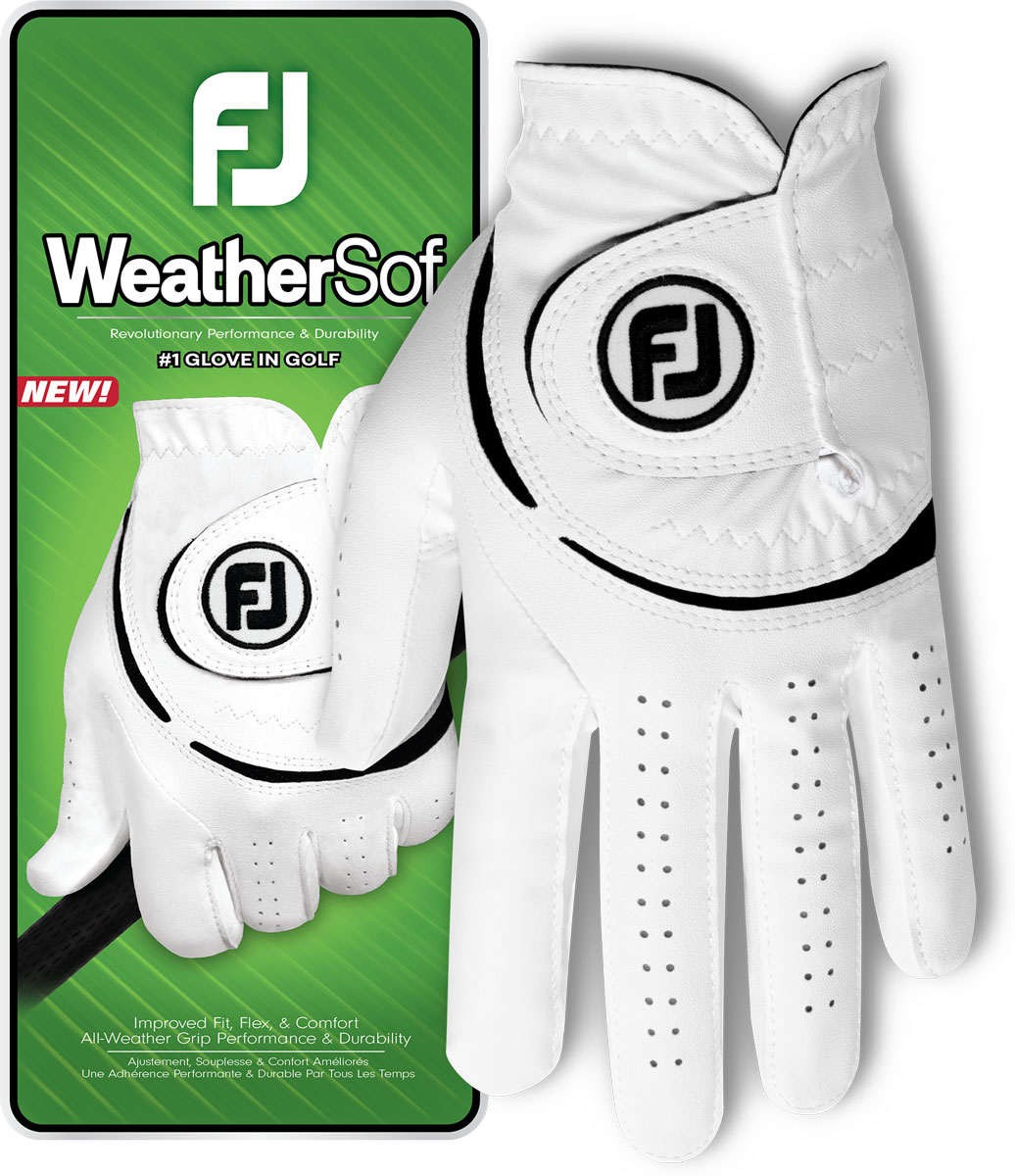
The material that is actually designed for the half-state is the synthetic-bodied all-weather glove, and the FootJoy WeatherSof at around $15 is the plainest version of it: a FiberSof body with leather patches only where you need feel, at the palm and thumb. Synthetics grip better damp than leather does, they do not stretch when they get wet, and they do not harden when they dry. You give up some of the connected feel of a good cabretta glove. In September and October you are giving up feel you had already lost to the water.
Buy the second one now, and buy it for a different reason
Rotating two gloves so each dries properly between rounds is well-trodden ground and it works — we made that case in your glove died three rounds ago. Autumn adds a second, separate reason to own two, and it is the one people miss: you need a dry glove available on the same day, not next Saturday.
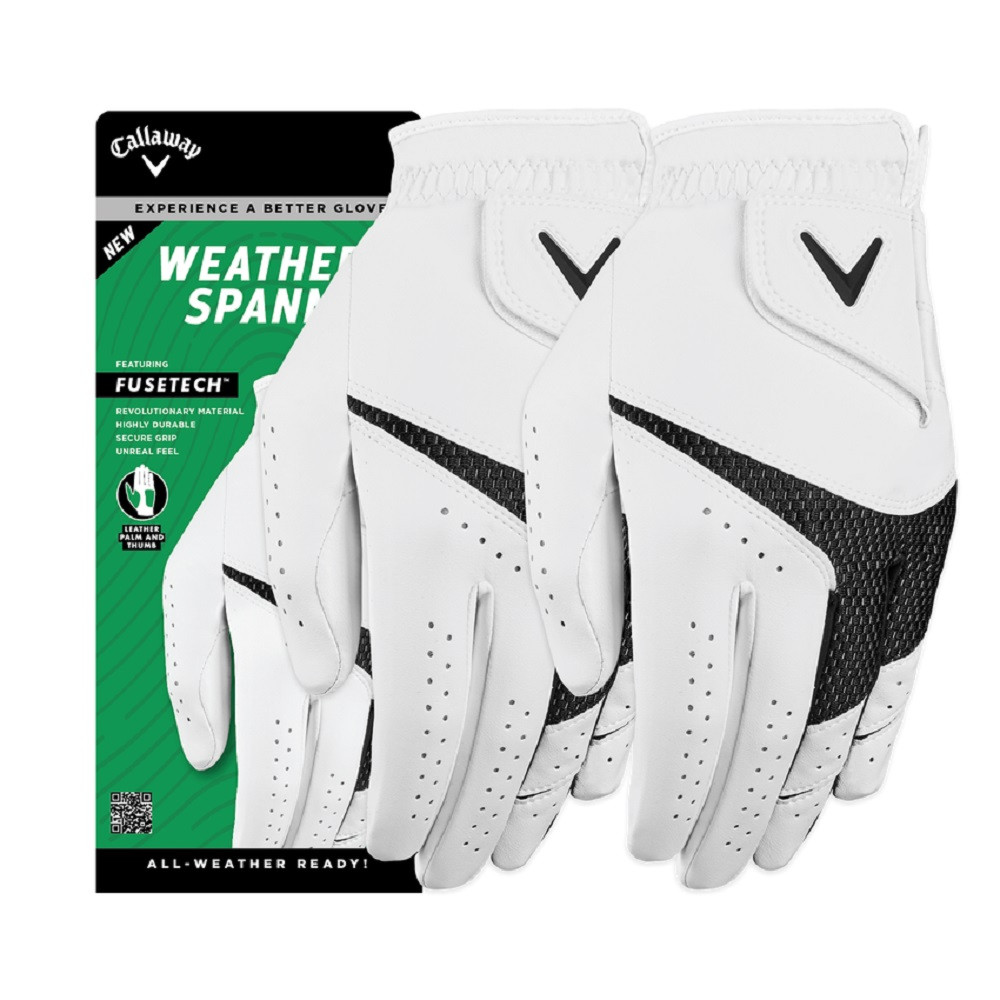
A single glove has no answer to a round that starts soaked and finishes dry. Two of the same glove does. This is the argument for buying all-weather gloves in packets rather than singly, and the Callaway Weather Spann two-pack is the shape of it — two FUSETECH synthetic gloves with leather reinforcement at the wear points and micro-ventilation across the palm, for roughly what one premium leather glove costs. Two gloves, one purchase, and the second one lives in a zipped pocket rather than clipped to the outside of the bag where it will quietly become as wet as the first.
Swap at the turn, not when it feels bad
Here is the position, and it is the most useful line in this piece. If you tee off before nine in September or October, change gloves at the turn as a matter of routine, whether or not the first one feels finished.
The reason is that a glove does not announce its failure. By the time you can feel the club moving in your hands you have been compensating for two or three holes, and the compensation is grip pressure, which locks the forearms and delays the release. You do not decide to squeeze. You just do it, and the shots it produces look like a swing fault rather than a kit fault. A fixed swap at the ninth removes the judgement call entirely, costs nothing, and means the glove you played the front nine in gets nine holes of air in a pocket instead of four more hours on your hand.
The winter pair is later than you think
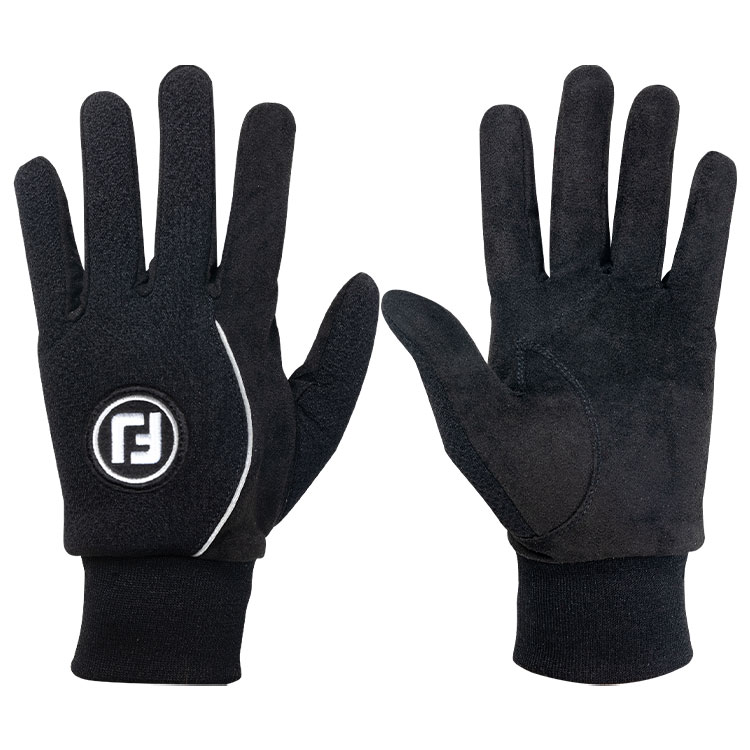
The FootJoy WinterSof pair at around $30 is excellent and it is not the answer to this month. High cuffs to block draughts, a waterproof structured back, Weather-Shield fleece and enough palm grip to swing properly — that is a temperature product, not a moisture product, and it trades away feel deliberately to deliver warmth.
The trigger for reaching for them is not a date and it is not rain. It is your hands being cold enough that you cannot sense grip pressure, which is the point at which feel has already gone and you may as well have warmth instead. In practice that means sustained single figures, frost on the first tee, or wind that makes it feel that way. Pulling them on in late September because the calendar says autumn is how you spend six weeks playing with less feedback than you needed to.
Retire the summer glove properly
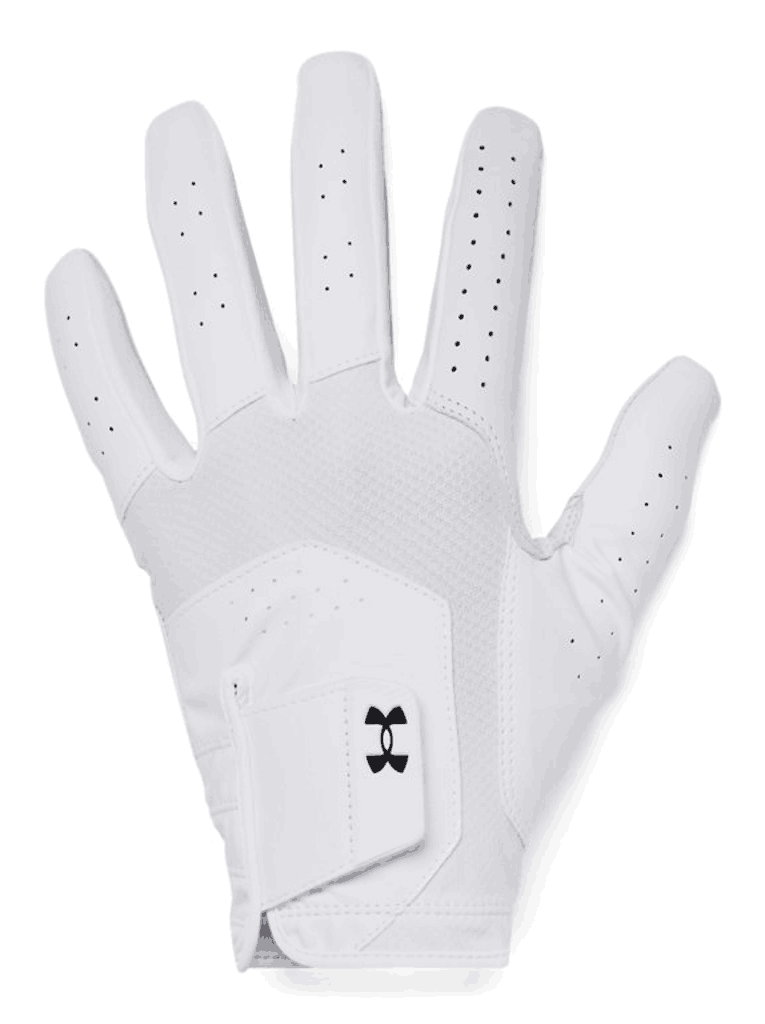
The other end of the same decision. The Under Armour Iso-Chill is a good glove doing a specific job — a cabretta palm behind a perforated, fast-drying synthetic back built for the round where your problem is sweat. That architecture is now working against you: micro-perforations are ventilation in July and a route for cold water in October. Take it out of the bag, dry it flat, and store it uncrushed. A summer glove that spends autumn getting damp and pressed at the bottom of a bag will not be a summer glove next May.
So how many gloves, and when do you bin one
From October, three items in the bag and no more. Two synthetic all-weather gloves, one in play and one dry in a zipped pocket, and a rain pair that never comes out except in actual rain. Add the winter pair as a fourth when it turns genuinely cold, and leave your good leather glove at home until spring rather than martyring it to a wet Tuesday.
The autumn bin rule is different from the ordinary one, and it is worth knowing because it fires early. A leather glove that has been soaked and then dried hard is finished, regardless of how few rounds are on it. The glazing that kills a glove through ordinary summer wear takes weeks and shows at the heel pad. Hardening from a single bad dry cycle takes one night, and no amount of working it between your hands brings the surface back. If the palm feels papery rather than supple, it is a range glove now.
Who can ignore this entirely
If your course is links or sand-based, most of the above does not apply — the ground drains, dew burns off faster on exposed turf, and your summer glove is the right tool well into winter. If you only ever play afternoon tee times, you have skipped the problem by accident.
And if you do not wear a glove, which plenty of good players do not, the argument runs through the grips instead: your hands have no material advantage to lose, so the club is the only variable you have, and a wet autumn is when hard, shiny grips stop being a slow leak and become the round. The rest of our gloves coverage goes deeper on fit, and the seasonal version of the full rotation is in which glove for the weather.
Products mentioned in this article
Titleist
Titleist Players Glove
The thinnest leather here, and the first thing in the bag that autumn ground makes wrong.
FootJoy
FootJoy WeatherSof Golf Glove
The synthetic-bodied everyday default, and the only category built for damp that is not rain.
Callaway
Callaway Weather Spann Golf Gloves (2-Pack)
Two all-weather gloves in a packet, which is how you get a dry one at the turn rather than next Saturday.
FootJoy
FootJoy WinterSof Gloves (Pair)
The warm pair, and a temperature product rather than a moisture one — hold them back until it is properly cold.
Under Armour
Under Armour Iso-Chill Golf Glove
The summer specialist to retire now: a cooling, perforated back is the wrong architecture for a wet morning.
ifrothgolf earns a commission on purchases made through these links, at no extra cost to you. It never changes what I recommend. Full disclosure.
Frequently asked
- Does morning dew ruin a leather golf glove?
- It does more damage than most golfers expect, because the contact is constant even though the amount of water is small. Cabretta leather absorbs moisture, so the surface goes slick and the leather stretches while it is damp. The lasting damage comes afterwards: if the glove dries stiff, in a bag or near heat, the palm hardens permanently. A glove that has been through a few dewy mornings can be finished with barely any visible wear.
- When should you start wearing winter golf gloves?
- When your hands are cold enough that you can no longer sense grip pressure, not when the calendar turns. Winter gloves trade feel for warmth by design, so wearing them at fourteen degrees costs you feedback for no benefit. In practice the trigger is sustained single-figure temperatures, frost, or a wind that makes it feel that way.
- Should you change your golf glove halfway through a round?
- On a wet or dewy morning, yes, and as a fixed routine rather than a judgement call. A glove gives no warning when it stops gripping, so by the time you notice you have already been squeezing the club for two or three holes, which locks the forearms and delays the release. Swapping at the turn removes the decision and gives the first glove nine holes to air out.
- Can you soften a golf glove that has dried out hard?
- Not really. Once cabretta has dried stiff the fibre structure has set and working it between your hands only restores a fraction of the suppleness, never the grip. Prevention is the whole game: take the glove off as soon as it is wet, smooth it flat, and dry it at room temperature away from radiators, dashboards and direct sun.
Read next
Explained
The golf glove is the cheapest upgrade in golf — and most golfers get it wrong
A glove touches every full swing you make, costs less than a sleeve of premium balls, and most golfers play the wrong one for the conditions. Here's the small rotation of gloves that keeps your grip locked in — dry, wet, cold and sweltering — for the price of one premium dozen.
Explained
Do golf gloves matter — and how many do you actually need?
It's the cheapest bit of kit you touch every swing, and most golfers treat it as an afterthought. Here's what actually matters.
Review
8.5/10FootJoy StaSof review: the premium glove tour pros have trusted for decades
The best feel and grip money can buy in a glove — as long as you accept that premium Cabretta leather wears faster than synthetic.