
Callaway just invented the "scoring wood". Across the 53 tour bags we track, nobody plays the club it's built around
The Quantum Mini Spinner launches today in 21, 24 and 27 degrees. We keep dated records of 53 professional bags — the 7-wood is in 17 of them, the 9-wood in three, and the 11-wood in none at all.
By Jordan Hale · Equipment Writer
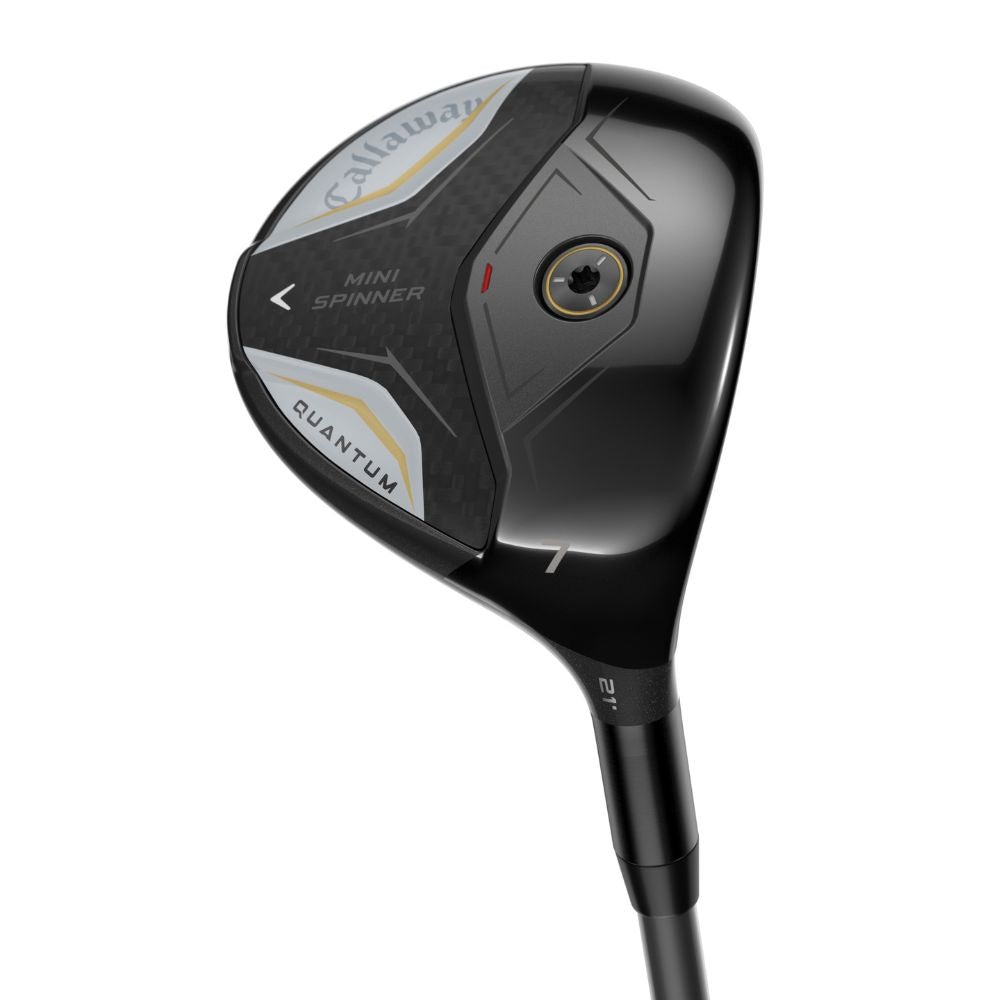
Callaway
Callaway Quantum Mini Spinner
ifrothgolf earns a commission on purchases made through these links, at no extra cost to you. It never changes what I recommend. Full disclosure.
Callaway launched the Quantum Mini Spinner today, 14 August, and it arrives with a category attached: the "scoring wood", which the company positions as the missing rung between a fairway wood and a hybrid. It comes in three lofts — 21 degrees, 24 degrees and 27 degrees — at around $375 each.
The marketing is doing marketing things. But underneath it is a genuinely unusual engineering decision, and it is worth separating the two.
The idea is real, even if the category isn't
Almost every fairway wood built in the last decade has been engineered to reduce spin, because spin costs distance off the tee and distance sells clubs. The Mini Spinner does the opposite on purpose. Callaway pairs a higher centre of gravity with a high-spin face — it calls the combination Optimised Spin Construction — to produce a claimed 500 to 800rpm more than a conventional 7-wood.
Spin is what makes a golf ball climb, land steeply and stop. So the target here is specific and real: the golfer who can get to a long par 4 or reach a par 5 in two, but whose ball arrives flat and skids through the back of the green every time. Long irons fail those golfers because they can't launch them. Low-spin fairway woods fail them because the ball won't stop. That is a genuine gap, and it's a more honest problem to solve than another five yards nobody can verify.
The number Callaway would rather you didn't have
We maintain dated, source-cited bag records for 53 players across the PGA Tour, LPGA Tour and LIV Golf. Because the Mini Spinner's whole pitch is that high-lofted woods are the coming thing, that set is the obvious place to check it.
The 7-wood appears in 17 of the 53 bags. That is a third of the field, and it confirms the trend Callaway is leaning on — the 7-wood really has become a normal tour club rather than a curiosity.
The 9-wood appears in three. Tommy Fleetwood, Adam Scott and Dustin Johnson. That's it.
The 11-wood appears in none of them. Not one bag in the set carries a wood of 27 degrees or weaker.
So Callaway has built a three-club family, named a category after it, and the top two-thirds of that family is worn by three professionals and zero professionals respectively. The 21-degree model is riding a real wave. The 24 and the 27 are asking club golfers to adopt something the tour has looked at and largely declined.
The usual caveat applies and it matters: this is the 53 bags we maintain and re-verify against named sources, not a census of professional golf, and bags change week to week. But it is 53 bags checked against sources rather than a feeling, which is more than the category announcement offers.
Why the tour's verdict isn't automatically your verdict
Here's the part that complicates the easy dunk. Tour players are the worst possible test market for this club.
A 27-degree wood exists to launch the ball high and stop it for someone who can't do that themselves. Tour professionals can all do that themselves. They generate enough speed and enough spin to hold a green with a 4-iron, so a club engineered to manufacture height and spin solves a problem they simply don't have. The absence of the 11-wood from professional bags is close to meaningless as a signal about whether it works for a 15-handicapper with an 88mph driver swing.
That cuts both ways, though. It also means Callaway cannot point at the tour to validate the category, which is the industry's usual move — and it's notable that the 7-wood, the one loft with real tour adoption, is also the one that needed no new category name at all.
Who should actually look at one
Look, if your long approaches don't stop. The specific symptom is pitch marks past the flag or nothing at all — balls that land shallow, take a big first bounce and finish over the back. If you are losing shots long rather than short, extra spin is the correct medicine and there aren't many other ways to buy it.
Look, if you already carry a 7-wood and want the next one up. The 24-degree slots where a 4-iron or a weak hybrid sits for most people, and that's the club amateurs hit worst in the whole bag.
Skip it if your problem is distance. Extra spin costs carry. If your complaint is that you can't get there, this club will make that marginally worse while solving something you weren't asking about.
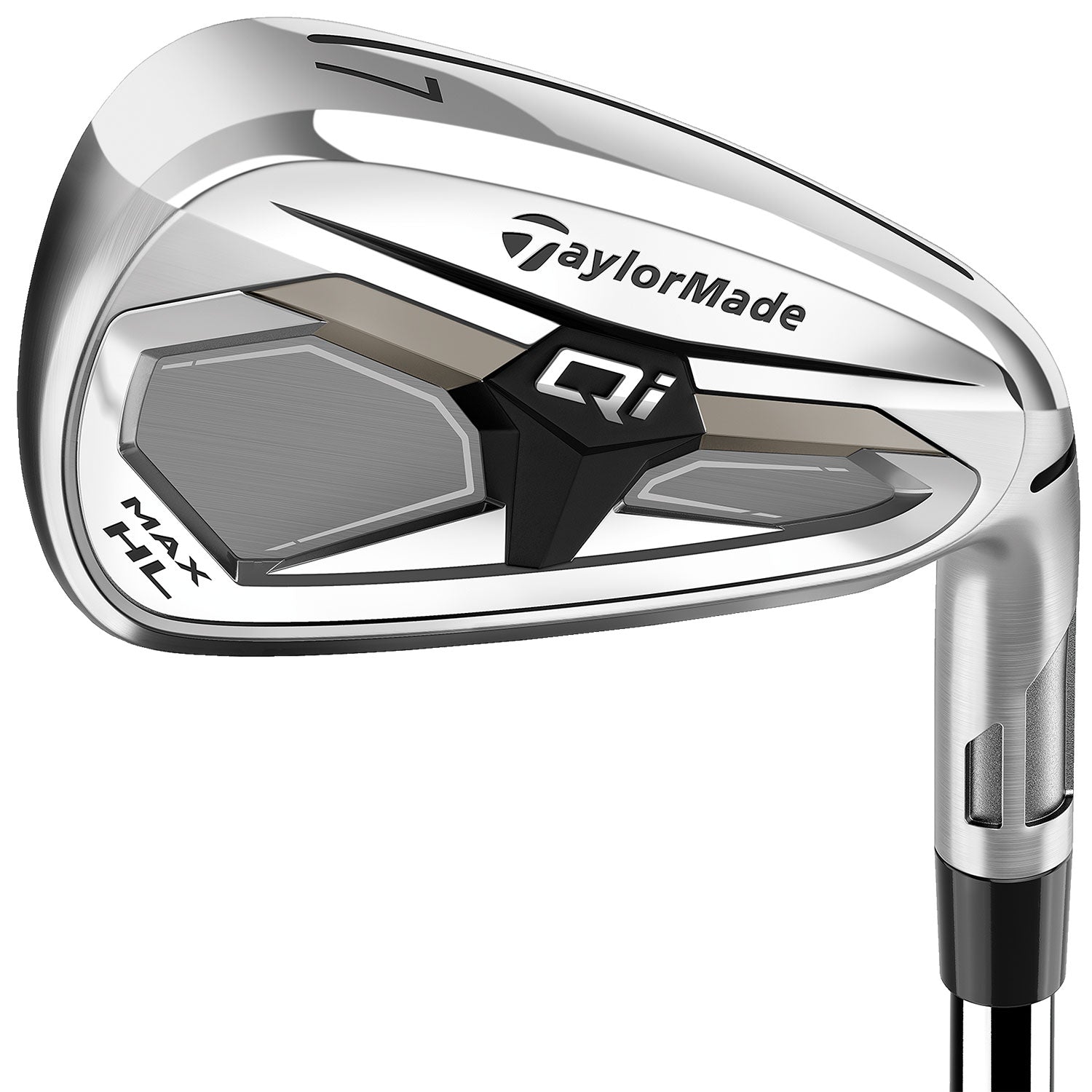
Skip it if the long irons are the real issue. A set of genuinely high-launch irons like the Qi Max HL fixes the top of the bag more coherently than bolting a specialist wood onto a set that already isn't launching. That's the cheaper and usually better answer.
Get fitted before you buy any of it. A 500 to 800rpm claim is a laboratory number against an unnamed baseline. What matters is your descent angle with your swing, and that takes ten minutes on a launch monitor to establish. If you don't have access to one, our [launch monitor price ladder](/read/launch-monitor-price-ladder) covers what the entry point actually costs now.
The honest verdict on the category
Naming a category is a land grab, not a discovery. Callaway is doing what TaylorMade did with the mini driver: taking a niche that already existed at the edges and giving it a label so that everything else in the segment becomes a copy of your original. It's smart, and there's nothing wrong with it.
But a category with one member, built around lofts that 50 of the 53 best bags we track have declined, isn't a category yet. It's a product with an interesting idea in it. The idea — that some golfers need to buy spin rather than shed it — is correct, under-served and worth your attention. The word "scoring wood" is worth none of it.
Products mentioned in this article
Callaway
Callaway Quantum Mini Spinner
The club the category is named after — genuinely novel, genuinely narrow
ifrothgolf earns a commission on purchases made through these links, at no extra cost to you. It never changes what I recommend. Full disclosure.
Frequently asked
- What is a "scoring wood"?
- It's Callaway's name for a new segment it says sits between a fairway wood and a hybrid — a high-lofted wood engineered to add spin so long approach shots land steeply and stop. The Quantum Mini Spinner is the first club sold under the label, in 21, 24 and 27 degrees.
- How many tour pros carry a 9-wood or an 11-wood?
- In the 53 PGA Tour, LPGA Tour and LIV Golf bags we maintain and date-stamp, three players carry a 9-wood — Tommy Fleetwood, Adam Scott and Dustin Johnson — and none carries an 11-wood. The 7-wood is far more established, appearing in 17 of the 53.
- Does more spin mean less distance?
- Generally yes. Spin makes the ball climb and land more steeply, which costs carry compared with a lower-spinning club of the same loft. That trade is the entire point of this club: you give up a little distance to gain the ability to stop the ball on a green.
- Should I buy a Mini Spinner or high-launch irons?
- If several long clubs launch too low, high-launch irons fix the top of the bag more coherently and usually for less money. The specialist wood makes more sense when your irons are fine and you have a single yardage gap where approaches consistently run through the green.
Read next
Review
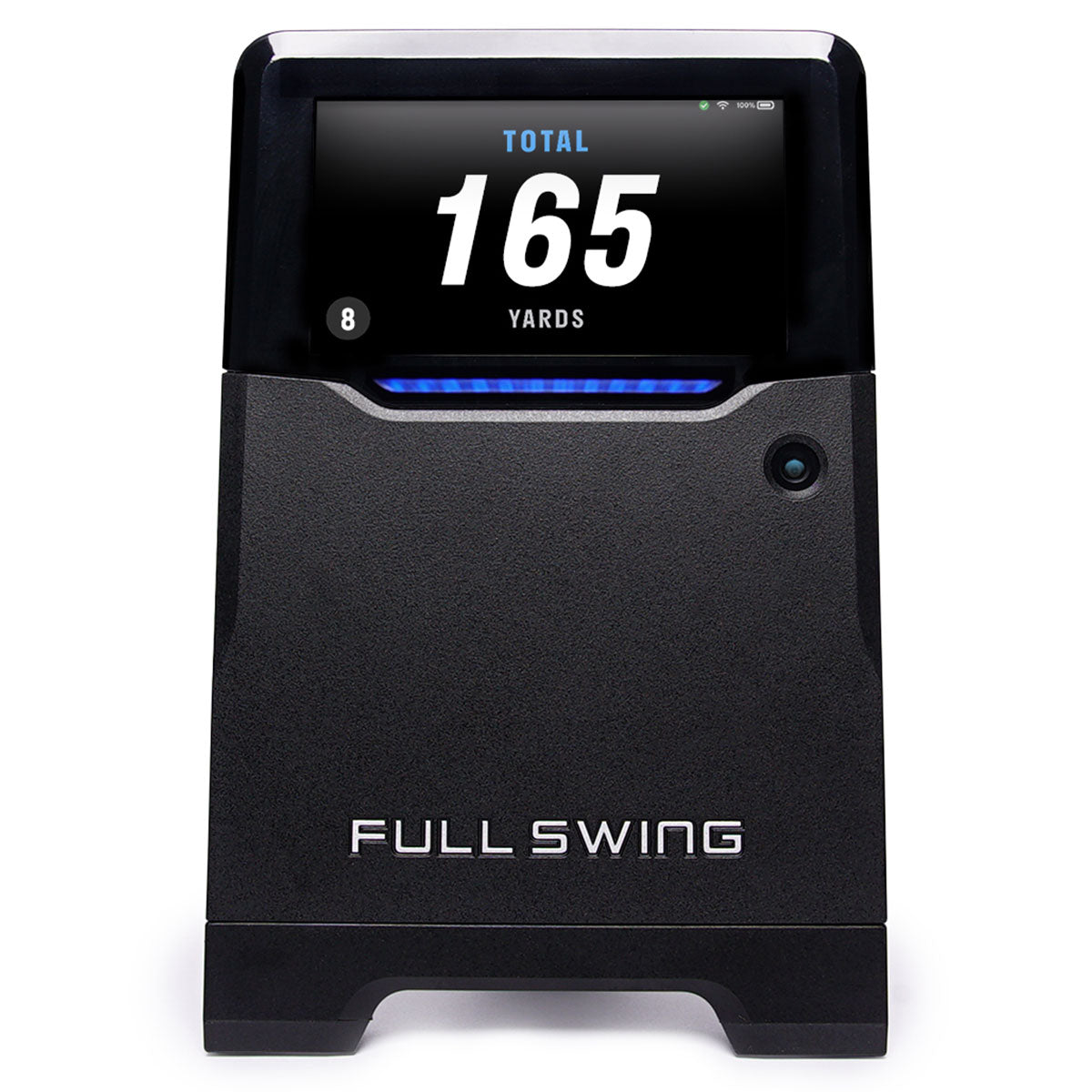
7.9/10Full Swing KIT review: the tape measure decides this, not Tiger
Tour pedigree, TGL on ESPN, and radar good enough to be checked against a Trackman outdoors. It also wants eighteen to twenty feet of room, which rules out most of the garages people buy it for.
Versus
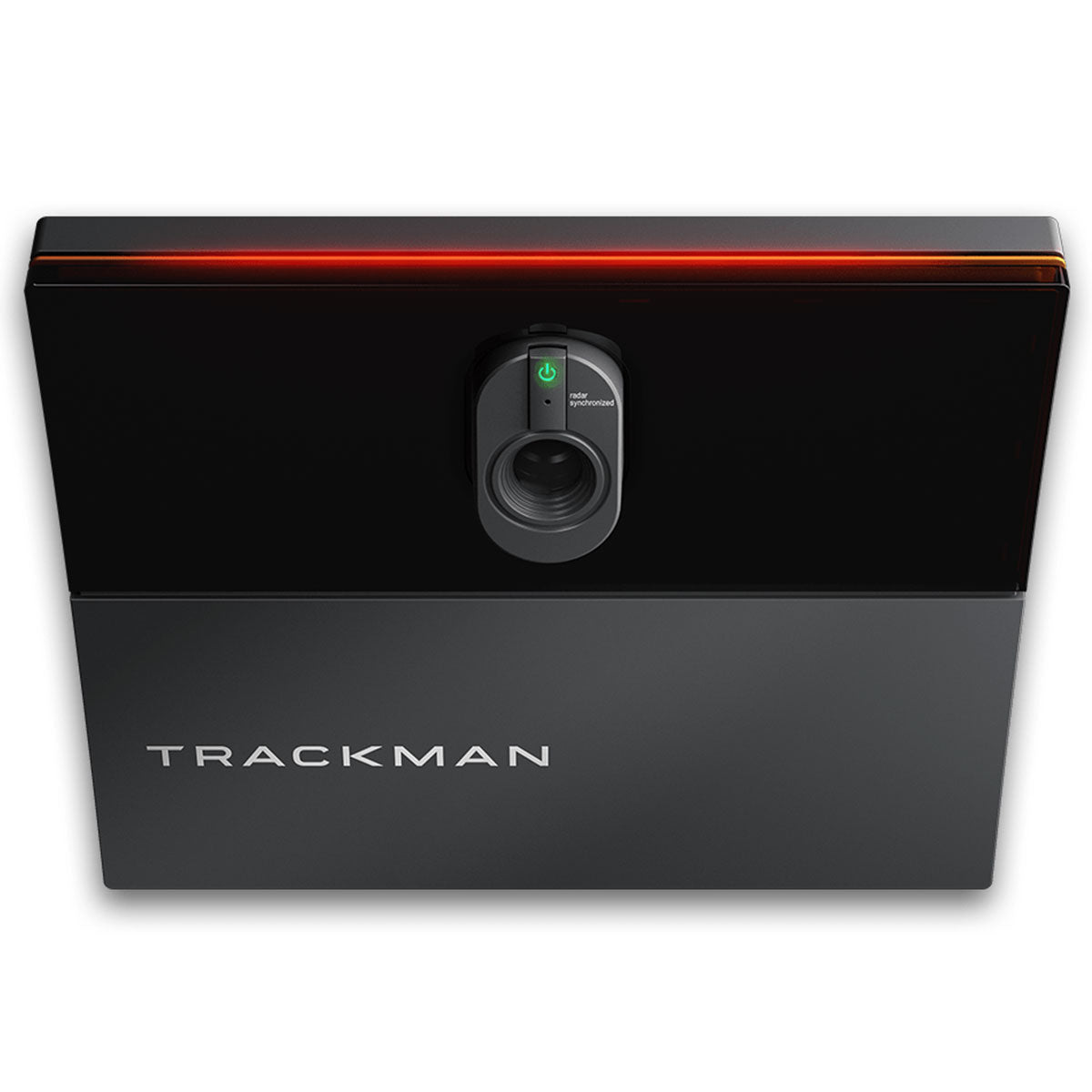
Trackman iO vs Uneekor EYE XO2: the year-one trap
Both mount overhead, both want ten feet of ceiling, and about $3,000 separates them on the shelf. Then Trackman's included first year runs out, and the gap starts growing by $1,100 a year.
Versus
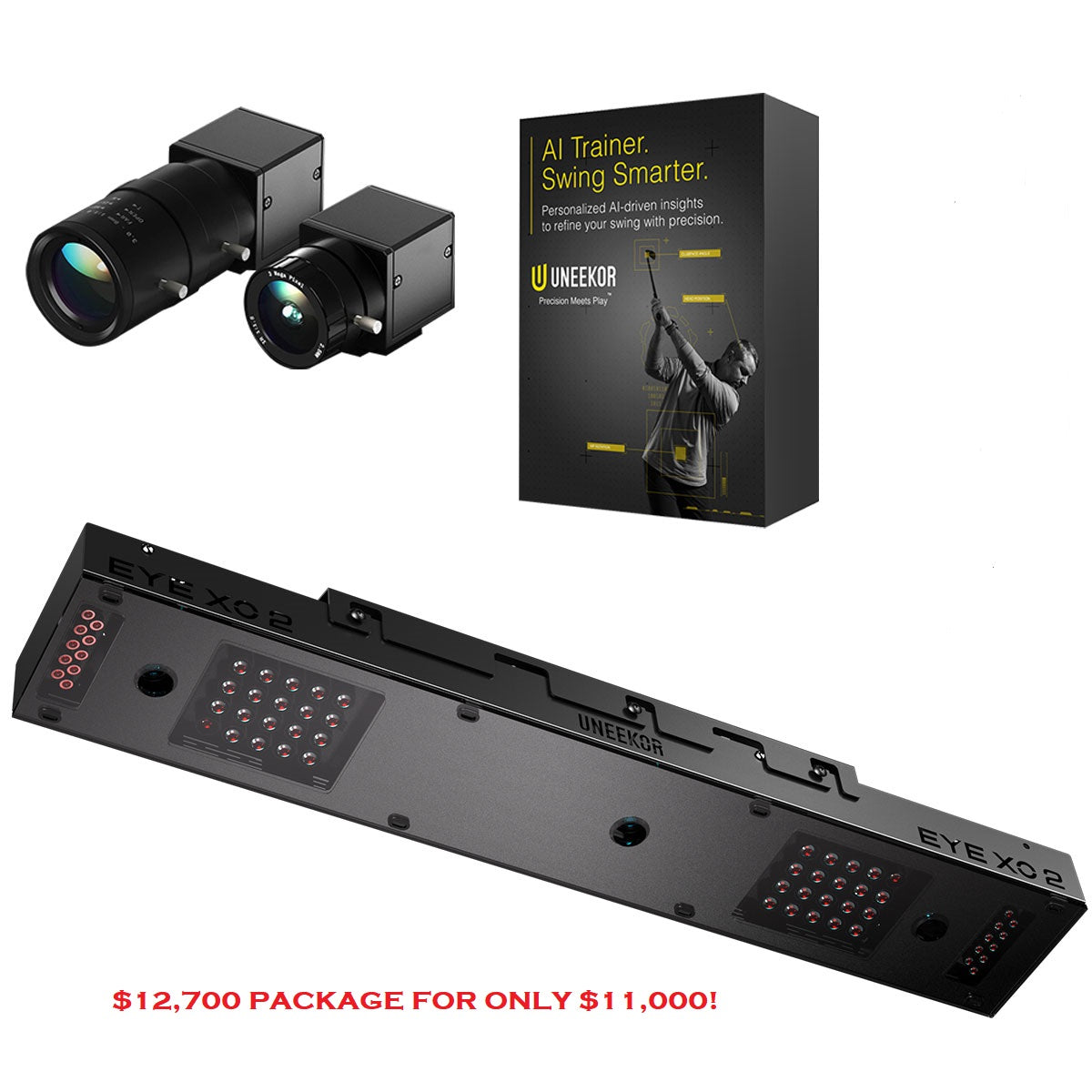
Uneekor EYE XO2 vs Foresight GC3: ceiling or floor?
About $4,000 separates them, but they're not really rivals — one lives in your ceiling forever, the other sits on the floor and travels. The cheaper one is also the one with no subscription.