
Garmin R50 vs SkyTrak+: which premium home-sim brain should you buy?
The big home-simulator decision. One does everything in a single box; the other gives you sharper numbers for far less. Here's how to choose.
By Tom Whitaker · Staff Writer
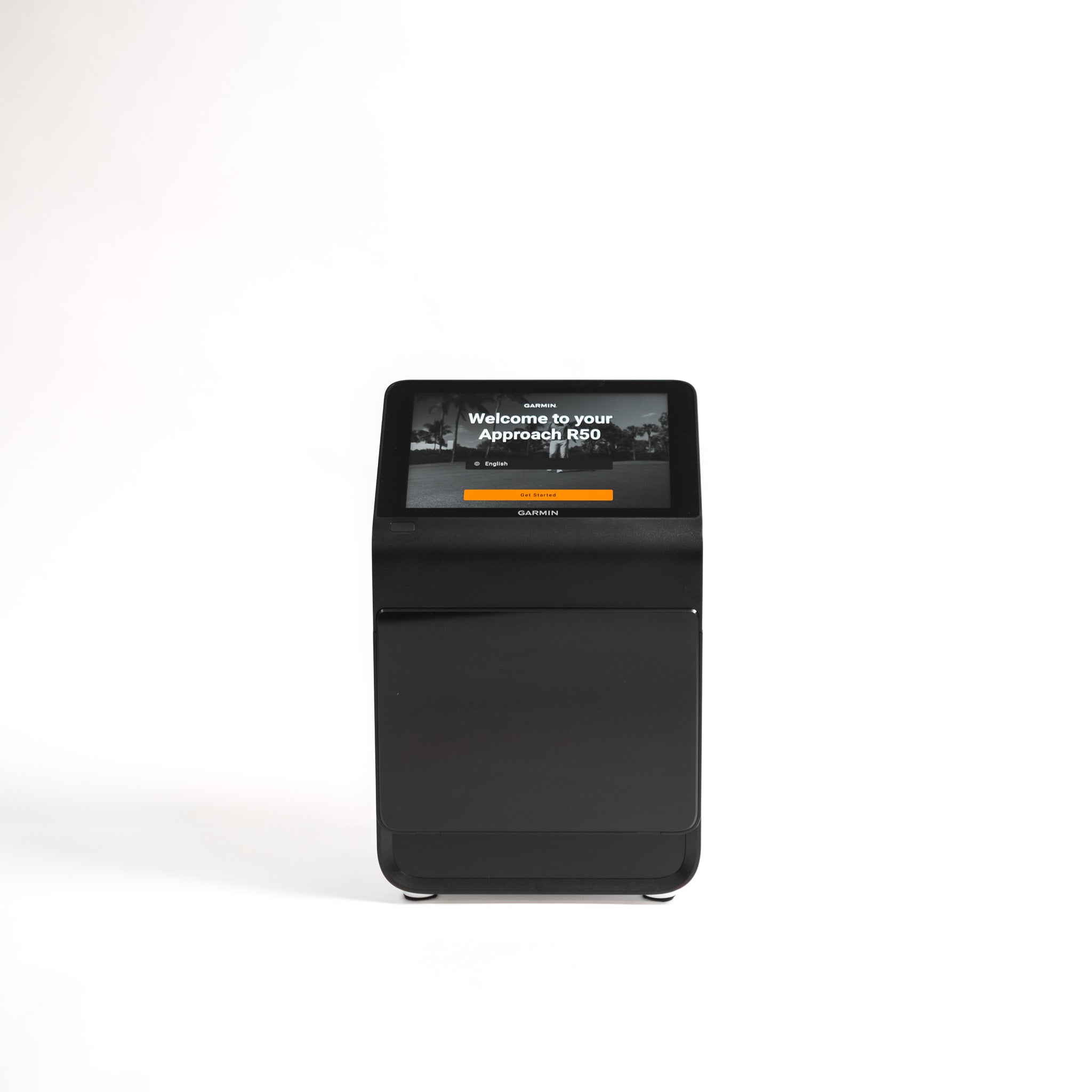
Garmin
Garmin Approach R50 Launch Monitor
Pick for all-in-one convenience — built-in screen, no laptop, plug in and play.
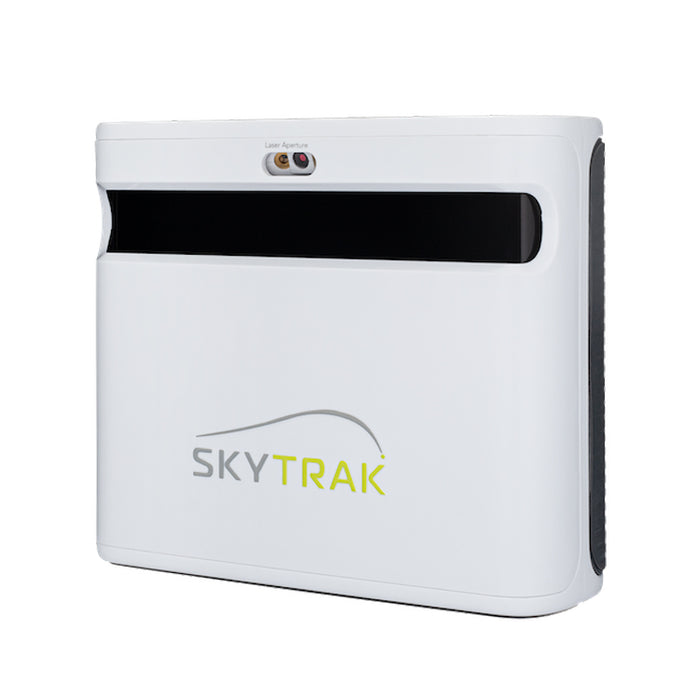
SkyTrak
SkyTrak+ Launch Monitor
Pick for accuracy-per-pound — bring your own screen and pocket the savings.
This model is no longer made. The current version is SkyTrak ST MAX. Remaining stock is often discounted, so this can still be the better buy — check both prices.
ifrothgolf earns a commission on purchases made through these links, at no extra cost to you. It never changes what I recommend. Full disclosure.
Part of our guide toBest Launch Monitors 2026Buy the Garmin Approach R50 if you want a single box that runs a full simulator with no laptop, screen or wires to fuss over; buy the SkyTrak+ if you want the most accurate numbers per pound and don't mind supplying your own screen and PC. That's the whole decision in one line. The R50 costs around $5,450 and bakes a 10in touchscreen into the unit; the SkyTrak+ is around $2,900 and assumes you'll bring the display. They're chasing the same golfer — someone building a proper home bay — by two genuinely different philosophies. Here's how to split them.
Two philosophies, one home bay
The Garmin Approach R50 is a three-camera photometric unit with a 10in colour touchscreen built straight into the body. It runs Home Tee Hero virtual rounds and shows your numbers without any external laptop, tablet or projector wired in — plug it in and play (our full review). The SkyTrak+ — discontinued in early 2026, with the ST MAX inheriting the same hardware — takes the opposite route: it's a photometric camera now backed by dual Doppler radar, and it expects you to supply the screen, the PC and the sim software yourself (our full review). One unit hands you a finished simulator out of the box; the other hands you the most trusted sensor in the bracket and lets you build the room around it. That convenience-versus-accuracy axis is the entire decision — everything below is just working out which side of it you sit on.
When the R50 wins: convenience
If you want to walk into the garage, switch one device on and be playing a course in two minutes, the R50 is unmatched. The built-in screen is the headline and it genuinely changes the experience — most launch monitors in this bracket are useless without a separate laptop or tablet, and the R50 just works. It reads 15-plus metrics including spin, carries a 43,000-course library, supports up to four players for a social session, and packs into an included carry case with enough battery to double as a range tool. For the golfer who values low-faff sessions over squeezing out the last percentage of accuracy — and who'd rather not own and maintain a separate sim PC — the R50 is the convenient premium pick. Just know the value-add features lean on a paid Garmin Golf membership, and capturing full club data means sticking fiducial markers on your clubs.
When the SkyTrak+ wins: accuracy per pound
If your priority is trustworthy numbers and stretching the budget, the SkyTrak+ is the smarter buy — and it's roughly $2,550 cheaper. Independent testing (Plugged In Golf among them) found its ball and club speeds usually within 1 mph, launch within a degree and spin within a couple hundred RPM of a GCQuad on irons — reference-grade territory for the money. It runs the widest software ecosystem of any unit at this price, so it scales from pure practice into a full simulator with TGC, E6, GSPro and more. The trade is that you supply the screen, the PC and the space, and you accept its known compromises: driver carry runs roughly 7 to 9 percent short of a GCQuad, it's an indoor unit first, and the best courses sit behind a yearly subscription. But pound for pound, the data is the benchmark in this bracket.
Budget, space and convenience: how to choose
Three questions settle it. On budget, the gap is stark: the R50 is around $5,450, the SkyTrak+ around $2,900 — but the honest comparison adds a screen, mount and a capable PC to the SkyTrak+ side, which narrows the real-world gap, so do the all-in maths rather than comparing stickers. Both also lean on subscriptions for their best features, so factor ongoing cost either way. On convenience, it's no contest: the R50's built-in screen means no laptop to boot, update or wire in, where the SkyTrak+ is a component you assemble a room around. On space, both are camera-based and want adequate room and decent lighting — the SkyTrak+ reads happily with as little as a couple of metres of ceiling and hitting space, which suits a tight garage, while the R50's low-sitting touchscreen means kneeling to change settings mid-session. If you're starting from an empty room, building a garage sim maps the wider job, our Home Sim Build Planner turns your room and budget into a complete build list in four questions, and both units sit in our best launch monitors guide.
The fiddly bits both share
Neither unit is plug-and-forget, and it's worth being honest about the friction. Both are camera-based, so both want decent, even lighting and adequate room — fluorescent flicker or a dim corner will cost you reads on either. The R50 asks you to stick fiducial markers on your clubs to capture full club data, which is easy to forget and a faff to maintain, and its touchscreen sits low to the ground, so you'll be kneeling or bending to change settings between sessions. The SkyTrak+ carries a 2 to 3 second shot delay, the occasional missed read, and a first-time setup that can test your patience while you get the room dialled in. Driver numbers are the soft spot on the SkyTrak+ specifically — carry runs short of a reference unit — so if big-stick data is your obsession, temper expectations on both. These aren't dealbreakers; they're the reality of camera units at this level, and knowing them up front stops the buyer's remorse.
The verdict
Neither is wrong — these are two of the best home-sim brains going, aimed at different golfers. The R50 is the buy for the convenience-first golfer who wants one box, a built-in screen and zero laptop faff, and will happily pay the premium for it. The SkyTrak+ is the buy for the accuracy-and-value golfer who wants reference-grade iron numbers, the widest software ecosystem, and already owns (or will happily supply) a screen and PC. Pick on the question that actually matters to you: do you want it to just work, or do you want the sharpest numbers per pound? If your budget is tighter, the cheaper end of the field is mapped in launch monitors explained.
Frequently asked
- Garmin R50 or SkyTrak+?
- The R50 is the convenience pick — a built-in 10in screen means no laptop, screen or wires to set up. The SkyTrak+ is the accuracy-per-pound pick: reference-grade iron numbers for roughly two thousand pounds less, but you supply the screen and PC.
- Is the SkyTrak+ more accurate than the R50?
- On the numbers that matter most — iron ball and club speed, launch and spin — the SkyTrak+ has the stronger independent-testing track record, landing close to a GCQuad. Both are good optical units; the SkyTrak+'s data reputation is its core selling point.
- Do I need a laptop for the Garmin R50?
- No — that's its whole point. The 10in touchscreen is built into the unit and runs Home Tee Hero rounds without any external laptop, tablet or projector. The SkyTrak+, by contrast, needs a screen and PC you supply yourself.
- Which needs less space?
- The SkyTrak+ is the more forgiving of the two on room size, reading happily with as little as a couple of metres of ceiling and hitting space. Both are camera-based and want decent lighting; the R50's low touchscreen also means kneeling to adjust settings.
- Do both need a subscription?
- Effectively yes. The R50's value-add features lean on a paid Garmin Golf membership, and the SkyTrak+'s best courses and modes sit behind a yearly plan. Factor the ongoing cost into either decision, not just the unit price.
Read next
Versus
SkyTrak+ vs FlightScope Mevo+: your room decides this one, not your budget
Both are now outgoing models on run-out prices, which makes this more useful rather than less — the successors inherit the same trade-off. And it isn't the spec sheet. It's how much space you actually have.
Versus
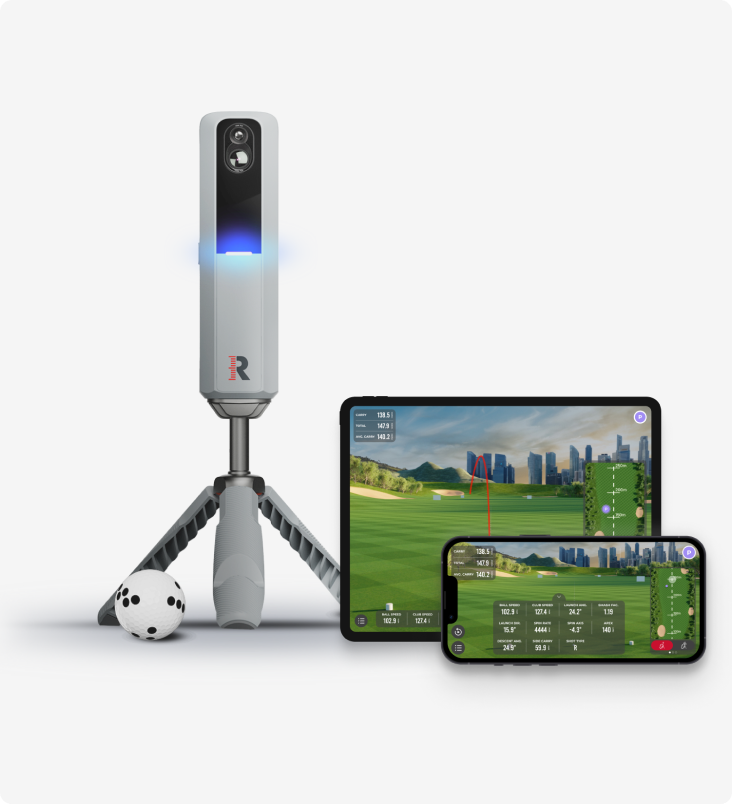
Rapsodo MLM2 Pro vs Shot Scope LM1: measured spin and sim golf, or just the number?
Two launch monitors golfers cross-shop constantly, sitting either side of the same question — how much do you actually need? One films your swing, measures spin and plays sim courses all winter. The other strips the whole idea down to a carry number on a screen.
Review
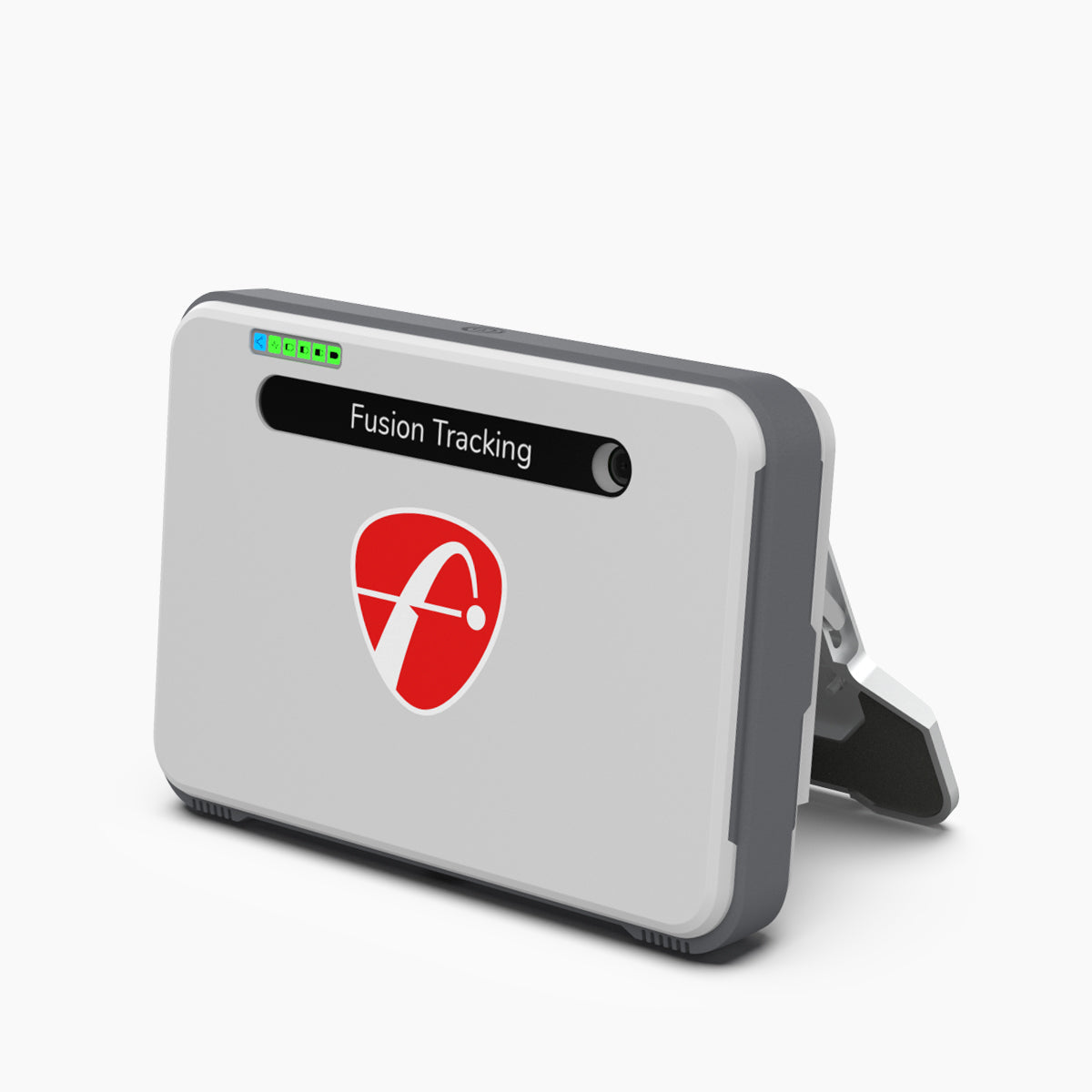
8.7/10FlightScope Mevo+ review: the launch monitor home simulators are actually built around
While the internet argues about budget camera units and the Garmin R10, the Mevo+ quietly became the default brain of the serious home sim — tour-grade radar heritage, full ball and club data, and out-of-the-box simulator connectivity. It needs room to breathe, and the add-ons push the real cost up.