
The mid-handicapper's gear guide: what actually helps, and what's a waste
For the 10-to-20 handicap improver, here is where new equipment genuinely lowers scores and where the money quietly disappears.
By Jordan Hale · Equipment Writer
 Explained
If you play to a 10-to-20 handicap, the gear that lowers your scores is unglamorous: a forgiving driver that keeps you in play, a fitted iron you can grow into, a wedge that closes your gapping, and a ball matched to your speed. Everything else, chasing tour blades and the longest driver, is mostly money spent on the wrong problem.
The frustrating truth is that equipment helps you most at the margins you actually live in. A mid-handicapper's lost shots come from the toe and heel, from a double-cross off the tee, from a half-gapped pitch that lands long. New gear that shrinks those misses is worth every cent. New gear that chases an extra few yards you'll spray into the trees is not.
It helps to be honest about where a 10-to-20 handicap actually leaks shots, because that is what should drive every purchase. It is rarely a lack of distance. It is the double-bogey that arrives in clusters: the tee shot that finds trouble and forces a punch-out, the long iron that comes up short and right, the half-gapped pitch from a yardage you have no club for, and the three-putt that follows a green missed in the wrong place. Gear earns its keep only when it shrinks one of those recurring disasters. Tested against that standard, most of the equipment marketed at improvers is solving a problem you do not have, while the boring, fitted, gap-closing stuff is quietly worth real strokes.
A driver that keeps you in play beats a longer one
The single most expensive mistake at this handicap is buying the driver that went furthest on a launch monitor for one good swing. You don't make one swing. You make fourteen of them, and the bad ones decide your round. A high-MOI head that holds its line on off-centre strikes saves you more strokes than ten extra yards of carry ever will.
The Ping G440 Max is the archetype here. It's built around forgiveness rather than headline ball speed, and independent testing consistently places it among the most stable heads off-centre. For the player who fears the right side of the course, that stability is the upgrade. Get it fitted for loft and shaft, hit the fairway more often, and your scorecard improves in a way no "low-spin" tour head will replicate.
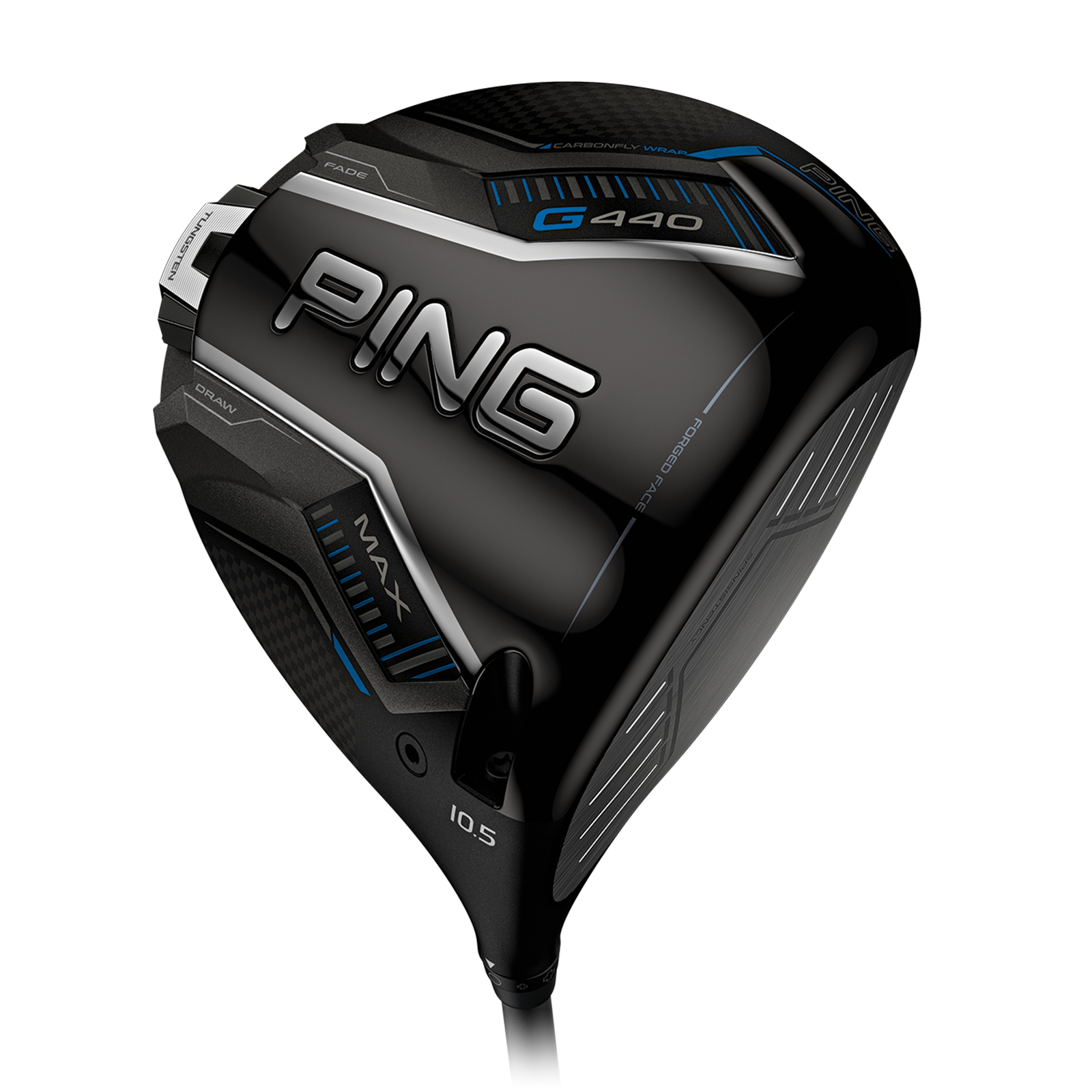
Where's the waste? Buying a low-spin, compact "better player" driver because a tour pro endorses it. Those heads punish the exact misses you're trying to eliminate. You'd be paying a premium to make the game harder.
Fitted players-distance irons you can grow into
Irons are where fitting pays for itself fastest, and where ego costs the most. The temptation is to buy blades or thin players' irons because they look pure in the bag. For a mid-handicapper, that's a tax on every slightly thin or toe-y strike, and you hit plenty of those.
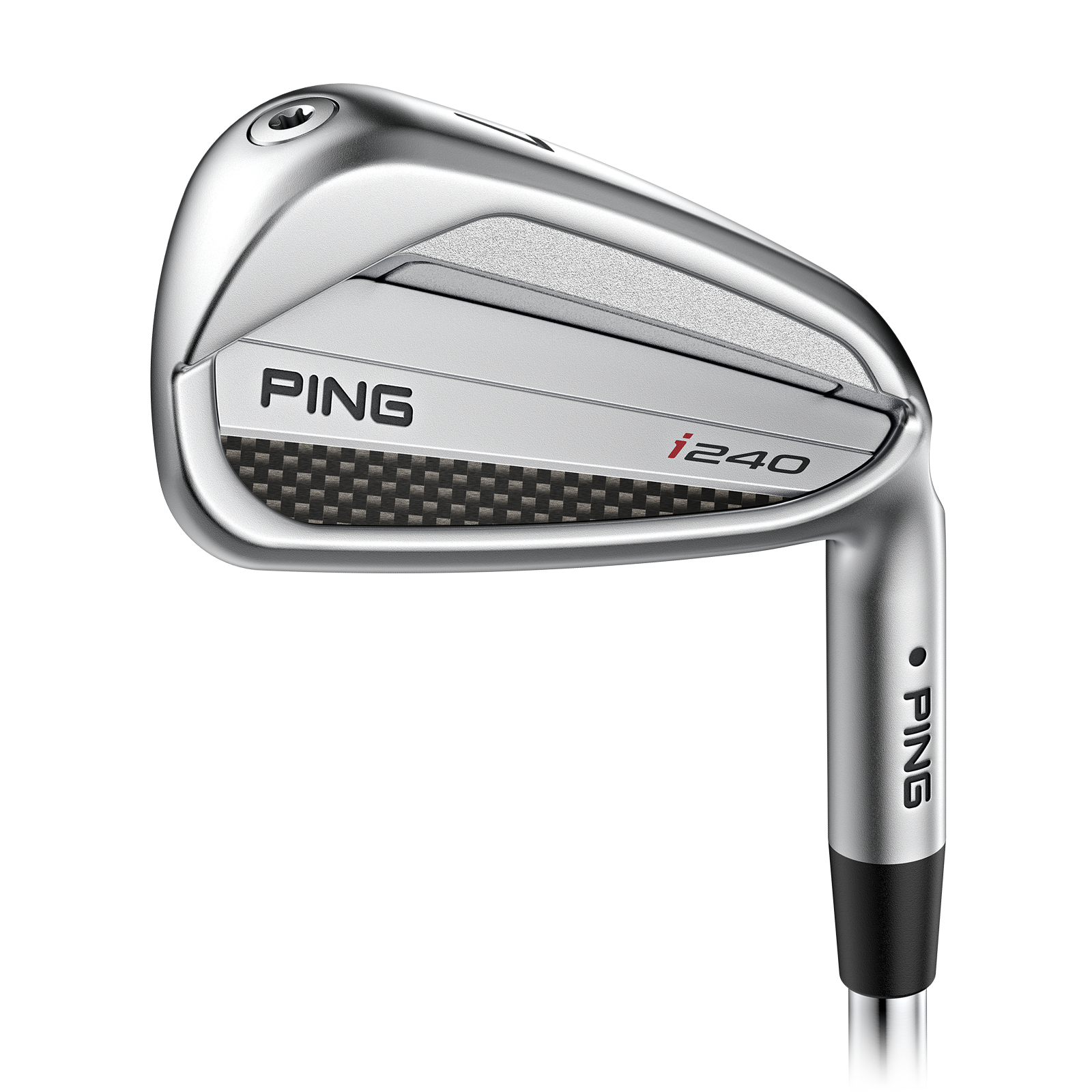
The smarter buy is a players-distance iron with real help baked in. The Ping i240 sits in that sweet spot: it gives you a tidier, more compact look and genuine feedback, but with forgiveness and a launch profile that flatter the strikes you're still working on. Owner consensus is that it's an iron you can play at 18 and still enjoy at 8, which is exactly the point. You buy it once and grow into it, rather than re-buying as you improve.
The waste here is obvious: tour blades. They reward a repeatable, centred strike you don't yet own, and they punish everything else. Buy the irons that match where your contact actually is today, not where you hope it'll be next season.
Close your wedge gap before anything else
Here's the upgrade nobody gets excited about and everybody needs. Most mid-handicappers carry a pitching wedge around 44-45 degrees and then a sand wedge at 56, leaving a cavernous gap right in the scoring zone. That gap is where you make doubles, the awkward 90-yard shot you have to manufacture.
A properly fitted gap wedge fixes it. The Titleist Vokey SM11 is the standard because the fitting matters as much as the wedge: loft to close your gap and bounce matched to your turf and angle of attack. Get the right combination and you turn a guess into a stock yardage. That's a real stroke or two per round, which is more than any driver will give you.
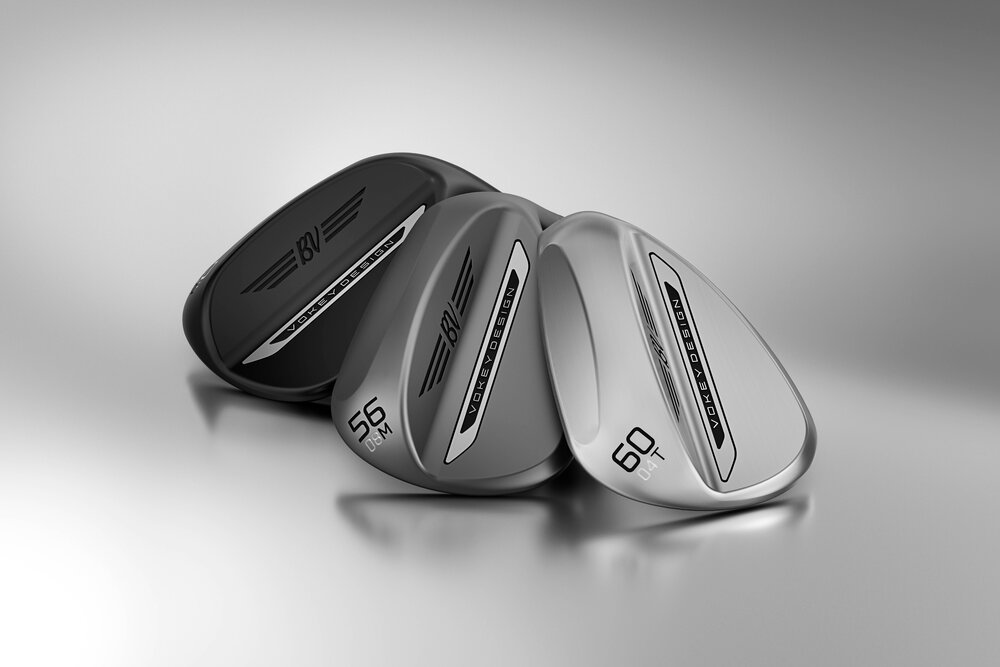
The waste? Buying three matching wedges in lofts you'll never use, or ignoring bounce entirely and fighting the turf every round.
A ball that suits your speed, not the tour's
Golf balls are the most over-bought item in the game. Mid-handicappers routinely play a premium tour ball at full compression because the best players in the world do, then lose three of them a round. You're paying for greenside spin your swing speed can't fully activate.
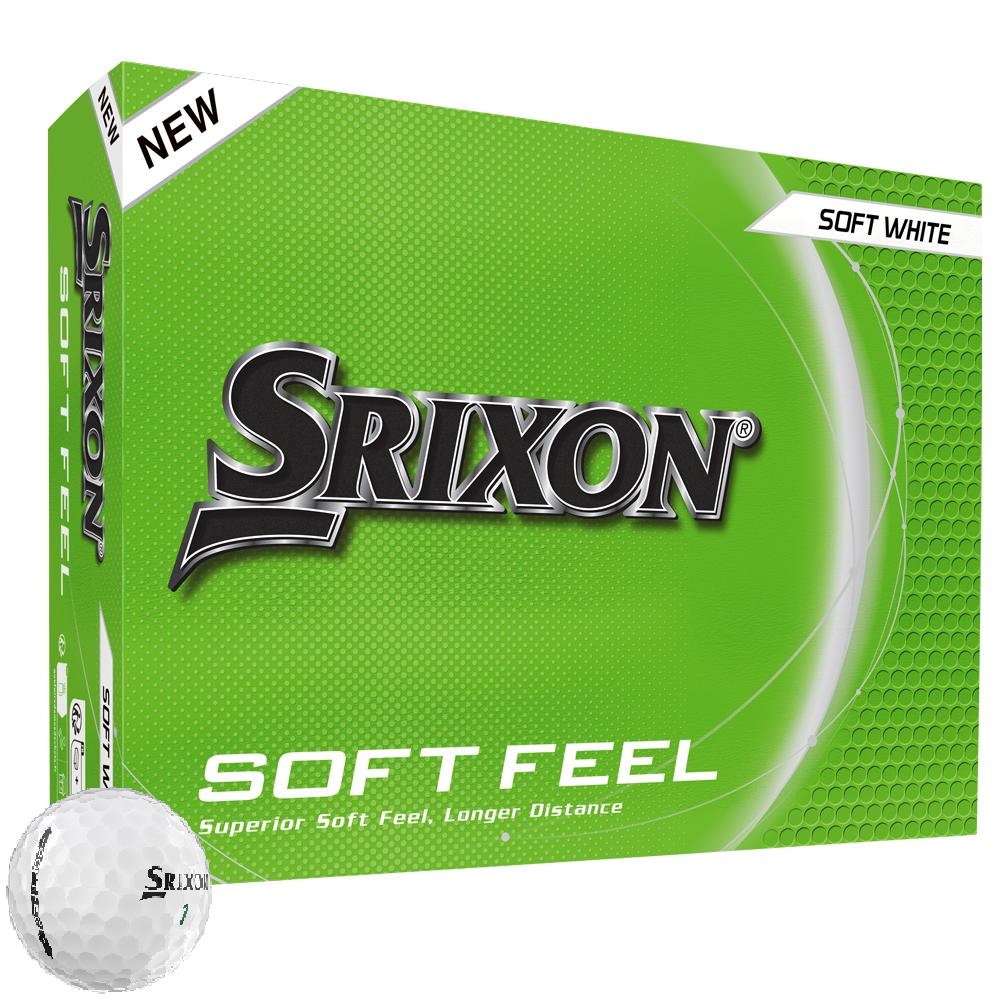
Match the ball to your speed instead. The Srixon Soft Feel is built for moderate swing speeds: a softer compression that gives you a pleasant feel and respectable distance without the premium price. For most improvers it performs functionally as well as a tour ball where it counts, and it costs a fraction, so losing one doesn't sting.
The waste is buying a new sleeve of premium balls every week, or switching models constantly. Pick one ball that suits you and play it long enough to actually learn your distances with it.
Forgiveness versus workability: pick the trade you can actually use
Every club sits somewhere on a line between forgiveness and workability, and the marketing wants you to believe you can have both. You cannot, not meaningfully, and at this handicap the choice is easy: take forgiveness every time. Workability, the ability to shape shots on demand and control trajectory precisely, is a real benefit, but it is unlocked by a repeatable, centred strike that a mid-handicapper does not yet own. Buying a workable, compact head to access shot-shaping you cannot reliably produce is paying a premium to make the game harder, while quietly losing the off-centre help that would actually keep you in play.
The honest way to think about it is that forgiveness is not a beginner's compromise; it is the correct spec for a swing that is still inconsistent, which describes almost everyone in this band on almost every shot. A higher-MOI head that holds its line and distance on a toe or heel strike does not stop you improving, and it does not make good swings worse in any way you will notice on the course. What it does is narrow the cost of your bad swings, and since your bad swings outnumber your great ones and decide your scores, that is the trade that lowers your handicap. Chase workability later, if your contact ever genuinely demands it.
Get fitted at this level, and know what fitting is really for
There is a stubborn belief that fitting is a luxury for low handicappers, and it is exactly backwards. The better player has a repeatable swing that masks small spec errors; the mid-handicapper does not, so an ill-fitting club compounds an already inconsistent strike. Fitting at this level is not about extracting the last yard, it is about removing a variable. The right shaft, lie angle and length stop the club fighting you, which means a poor swing is the only thing producing a poor result, rather than a poor swing plus a club that was never set up for you in the first place.
Be realistic about what a fitting can and cannot do, because that is where the value lies. It will not hand you a new swing, and a good fitter will not pretend otherwise; what it does is match the equipment to the swing you have today so your misses are smaller and more predictable. The highest-return fittings for this player are the driver, the irons and, most overlooked, the wedges, where loft and bounce decide whether you fight the turf on every short shot. Spend the fitting money there, on the clubs you hit under pressure and around the green, and leave the boutique upgrades until your swing, not your spec, is the thing holding you back.
The diminishing-returns rule
Here's the honest frame: equipment helps most when it fixes a miss you make often, and helps least when it chases a number you rarely produce. A fitted driver, iron set, wedge and ball can genuinely shave strokes. A second new driver six months later will not. Spend on the fit and the gaps, then spend the rest on lessons and range time, because at this handicap your swing is still the biggest variable in the bag.
Products mentioned in this article
PING
PING G440 Max Driver
The forgiveness-first driver that keeps a wayward swing in play, which matters far more than raw distance for this player.
PING
PING i240 Irons
A players-distance iron with enough help to be honest but enough feel to grow into as your contact improves.
Titleist
Titleist Vokey SM11 Wedge
Fill the gap below your set wedge with a properly fitted bounce and loft, the single most overlooked scoring upgrade.
Srixon
Srixon Soft Feel Golf Balls (Dozen)
A soft, moderate-compression ball matched to typical mid-handicap swing speed, so you stop overpaying for spin you can't use.
ifrothgolf earns a commission on purchases made through these links, at no extra cost to you. It never changes what I recommend. Full disclosure.
Frequently asked
- Should a mid-handicapper get fitted?
- Yes, especially for irons and driver. Fitting for loft, shaft and lie corrects misses that gear alone can't, and it's usually the highest-return money you can spend on equipment.
- Do I need a tour ball?
- Usually not. Unless you have the speed and short game to use the extra greenside spin, a softer, moderate-compression ball performs comparably where it matters and costs far less to lose.
- Are players-distance irons better than game-improvement irons?
- They're better if your contact is reasonably consistent and you want something to grow into. If you still hit a lot of thin or toe strikes, lean toward more forgiveness.
- What's the single best upgrade for the money?
- Closing your wedge gap with a properly fitted gap wedge. It directly targets the scoring-zone yardages where mid-handicappers lose the most strokes.
Read next
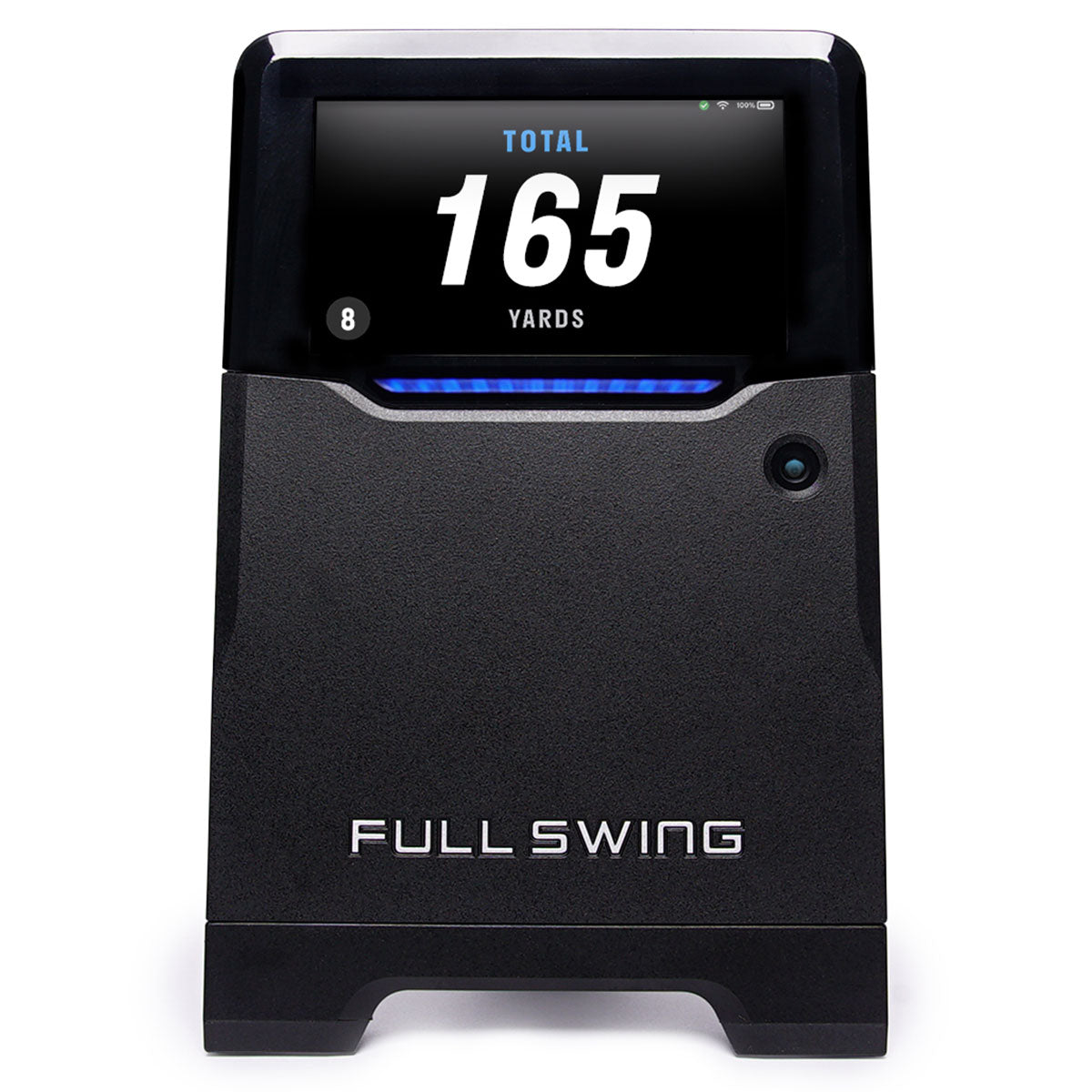
Review
7.9/10Full Swing KIT review: the tape measure decides this, not Tiger
Tour pedigree, TGL on ESPN, and radar good enough to be checked against a Trackman outdoors. It also wants eighteen to twenty feet of room, which rules out most of the garages people buy it for.
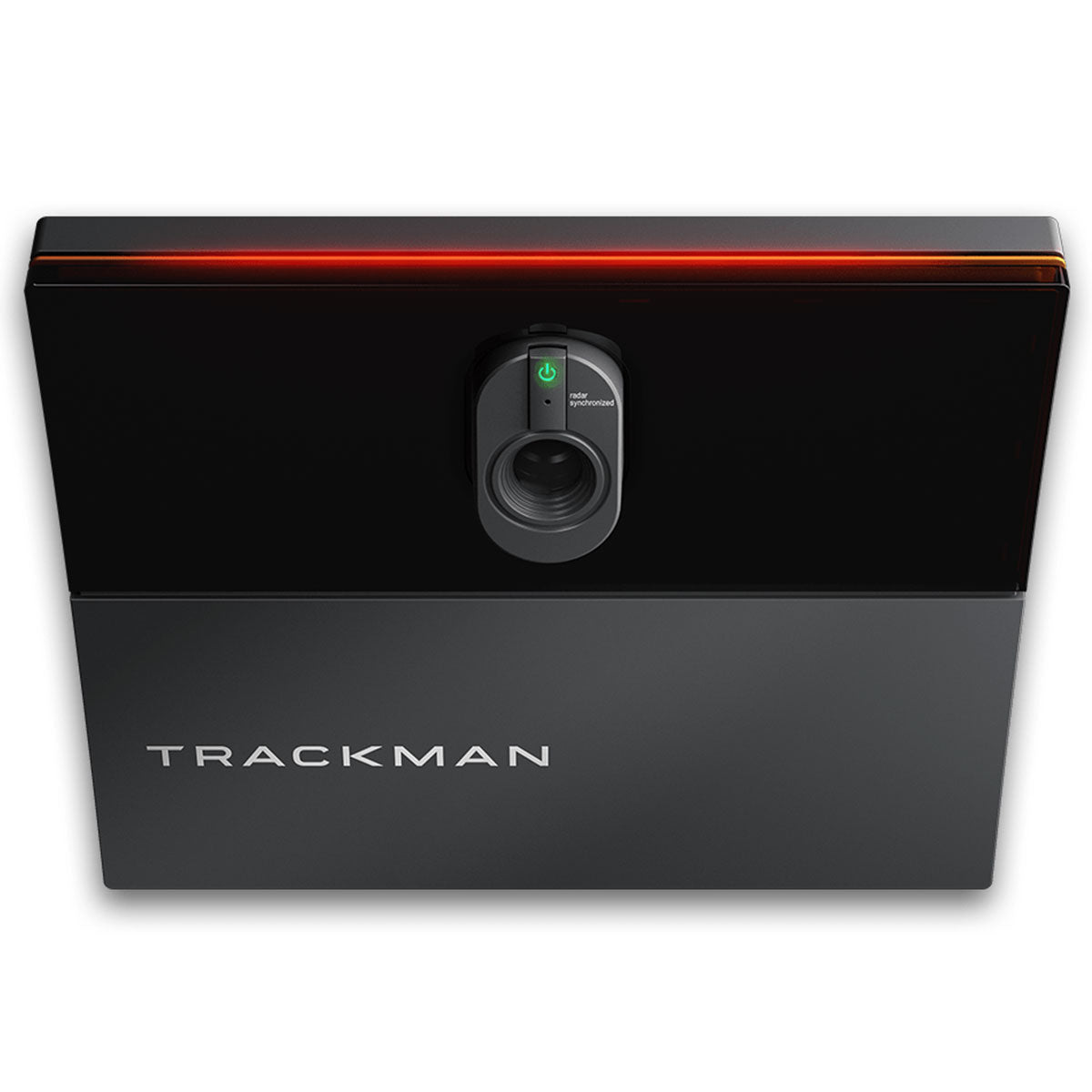
Versus
Trackman iO vs Uneekor EYE XO2: the year-one trap
Both mount overhead, both want ten feet of ceiling, and about $3,000 separates them on the shelf. Then Trackman's included first year runs out, and the gap starts growing by $1,100 a year.
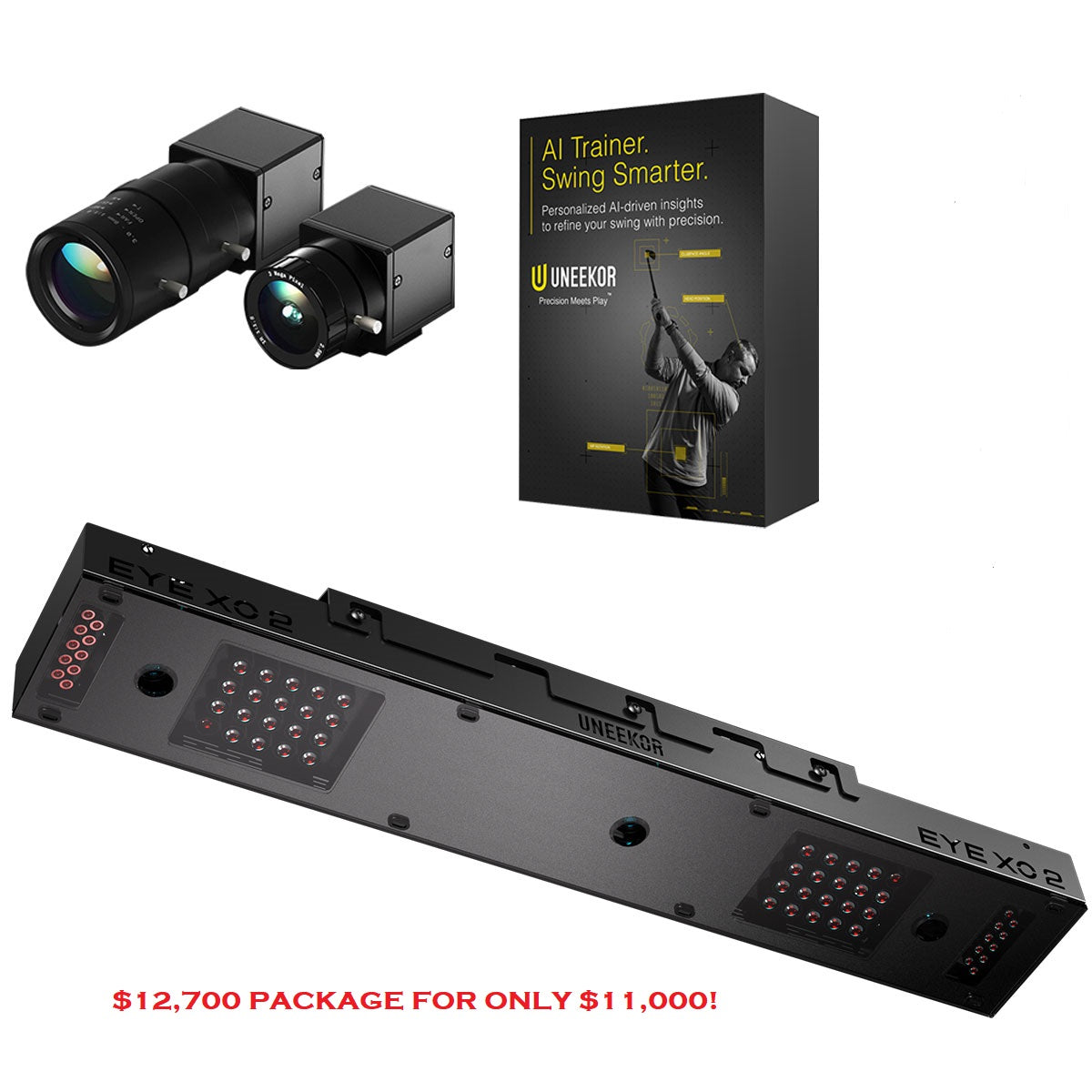
Versus
Uneekor EYE XO2 vs Foresight GC3: ceiling or floor?
About $4,000 separates them, but they're not really rivals — one lives in your ceiling forever, the other sits on the floor and travels. The cheaper one is also the one with no subscription.