
Scotland golf trip guide: where to play, when to go, what to pack
Planning a Scotland golf trip? Here's where to play, when to go, how the Old Course ballot works in general terms, and exactly what to pack for links weather.
By Tom Whitaker · Staff Writer
 Explained
A Scotland golf trip means firm links turf, sea wind, and the chance to play courses that shaped the game. Plan it around the warmer half of the year, base yourself near a cluster of courses to cut driving, accept that the weather will be changeable, and pack genuinely waterproof kit. Do that and Scotland delivers golf you'll talk about for years.
This is the detailed companion to our overview of the best golf trip destinations. Below we cover the main regions, the realities of booking the famous courses, when to go, how long you need, and — because it matters more here than almost anywhere — exactly what to pack.
Why Scotland is the home of golf
Golf grew up on Scotland's coastal linksland, and playing here is as close to the original game as you can get. Links courses sit on sandy soil between the sea and the farmland: firm, fast-running turf, humps and hollows, revetted bunkers, few trees, and wind as a constant fourth opponent. The ground game matters — low, running shots and imaginative chips often beat a high, soft approach that the breeze can swat down.
It's a humbling, joyful kind of golf. You will hit shots you didn't know you had in you, and you'll lose a few to the wind and the gorse. Going in with realistic expectations is the secret to loving it.
The main regions for a Scotland golf trip
Fife, and St Andrews in particular, is the obvious heart of any first trip — the town is compact, golf-obsessed, and ringed with courses including the famous Old Course. It's an easy place to base yourself and walk to the first tee.
Ayrshire, on the west coast, is a links treasure chest with names like Royal Troon among its draws, and works well as a self-contained base. East Lothian, just east of Edinburgh, packs a remarkable density of quality links into a short coastal stretch, making it superb for a no-driving, course-a-day trip. And the Highlands offer a wilder, more scenic experience — fewer courses spread further apart, so factor in the drives and the scenery as part of the holiday.
Pick one or two regions rather than trying to cover the whole country. The driving between clusters eats into playing time, and Scotland rewards depth over distance.
Booking the Old Course and famous tee times
The most sought-after rounds, the St Andrews Old Course chief among them, are not simply booked like a normal tee time. Access to such courses is typically allocated through a mix of advance booking and a daily ballot system, with demand far outstripping supply in peak season. The honest advice is to plan a long way ahead, treat the marquee round as a bonus rather than a certainty, and build an itinerary of excellent courses around it so the trip stands up even if the headline round doesn't come off.
Specifics — windows, ballot deadlines, single-golfer rules — change over time and by course, so always confirm directly with the relevant course or your operator close to your dates rather than relying on old information.
Best time to go (and weather honesty)
The playing season broadly runs from late spring to early autumn, with the longest days and warmest, driest conditions around midsummer. That's also the busiest and priciest window. Late spring and early autumn can offer a fine balance of decent weather, lighter crowds and better value midweek and out of peak.
Be honest with yourself about the weather. Scotland is changeable year-round; you can get four seasons in a round at any time of year, and wind is a near-constant. This is not a guaranteed-sunshine destination — it's a play-whatever-comes one. The golfers who enjoy it most are the ones who packed for rain and were delighted to be wrong.
How long you need
Three to five playing days is the sweet spot. That's enough to settle into a region, play several contrasting courses, and absorb a marquee round if you get one, without the fatigue of daily 36-hole marathons on demanding links. A week lets you split between two bases — say Fife and East Lothian — with a rest or sightseeing day in between. Resist the temptation to overbook; links golf into the wind is tiring, and a knackered group plays worse and enjoys it less.
The wind, the weather, and what to pack
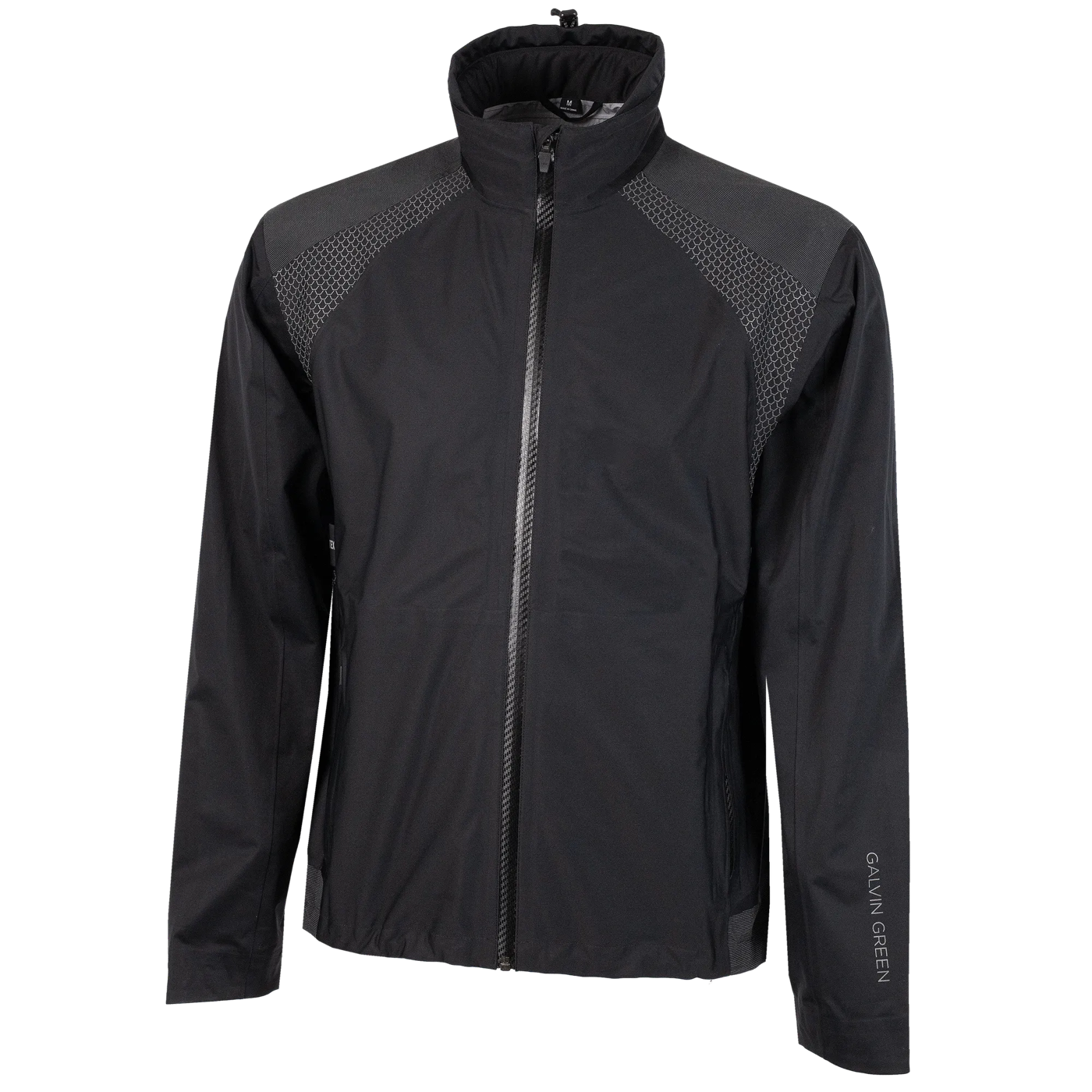
This is where a Scotland trip is won or lost. The single most important purchase is a genuinely waterproof jacket — the Galvin Green waterproof jacket type of shell that keeps driving rain out for a full round, not a shower-resistant layer that wets through by the turn. It's worth knowing what waterproof actually means before you spend.
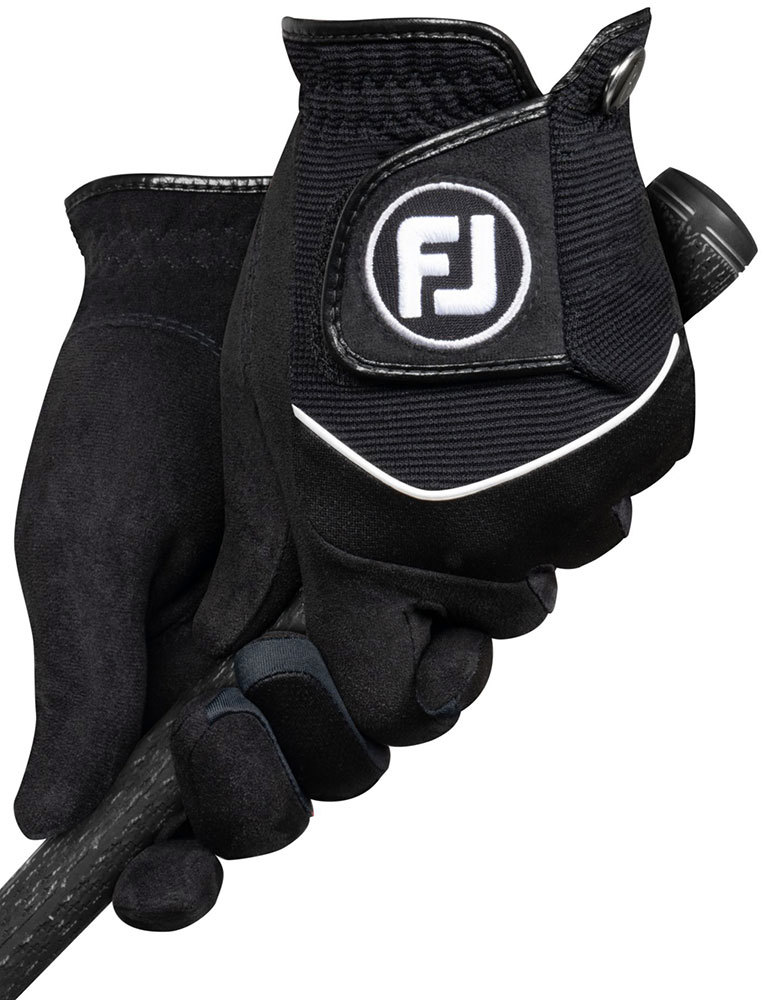
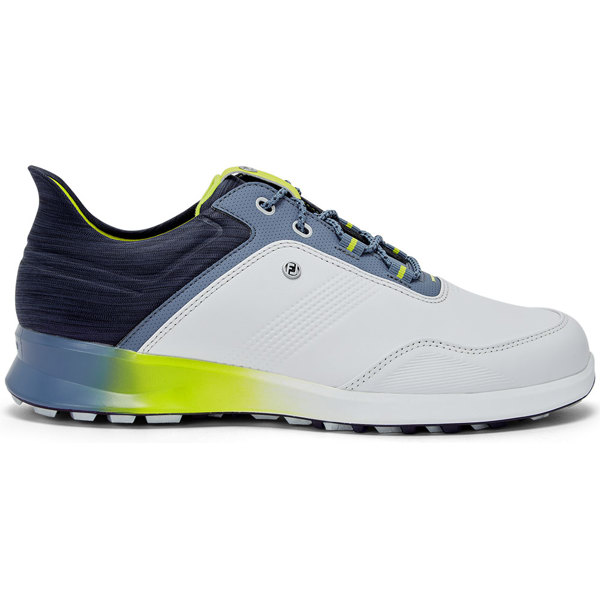
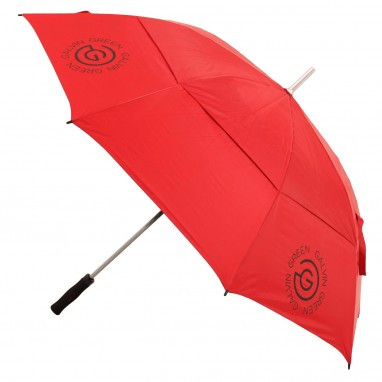
Keep your feet dry too. Waterproof shoes like the FootJoy Stratos waterproof handle soaking links turf and dewy early tee times, and dry feet keep your balance and your mood. Pack rain gloves — the FootJoy RainGrip gloves actually grip better the wetter they get, which is exactly backwards to normal leather and exactly what you want in Scotland. And take a storm-rated umbrella; the Galvin Green Tromb umbrella is built to survive a links gust rather than turn inside out on the first tee.
For the swing itself, commit to lower, controlled flight in the wind, and play a consistent ball you trust — the Srixon Z-Star gives you a predictable flight to lean on when you're knocking it down. Beyond that: layer for warmth rather than packing one bulky coat, bring a spare glove or two, and take more balls than you think — gorse and the wind are hungry. Our links golf trip packing guide has the full checklist.
Who a Scotland golf trip suits
Scotland suits the golfer who wants the soul and history of the game and treats the weather as part of the adventure, not a flaw. It rewards good ball-strikers and imaginative short games, and it tests patience — so a group that can laugh off a triple bogey in a gale will have the time of their lives. If your group is fixated on perfect tans and gentle resort golf, point them at Portugal instead. But if even one of you has ever dreamed of teeing off where the game began, Scotland belongs at the top of the list.
Products mentioned in this article
Galvin Green
Galvin Green GORE-TEX Waterproof Jacket
On a Scotland golf trip a serious waterproof shell isn't optional — it's the difference between finishing the round and abandoning it.
FootJoy
FootJoy Stratos
Waterproof shoes keep your feet dry through wet links turf and dewy early tee times, which keeps your swing and your mood intact.
FootJoy
FootJoy RainGrip Gloves (Pair)
Rain gloves grip better the wetter they get — the one piece of kit Scottish regulars never travel without.

Srixon
Srixon Z-Star Golf Balls (Dozen)
A consistent premium ball helps you commit to low, controlled flight in the wind rather than guessing.
Galvin Green
Galvin Green Tromb 60 Storm Umbrella
A storm-rated umbrella that survives a links gust does more than a flimsy one that turns inside out on the first hole.
ifrothgolf earns a commission on purchases made through these links, at no extra cost to you. It never changes what I recommend. Full disclosure.
Frequently asked
- When is the best time to play golf in Scotland?
- Late spring to early autumn, with midsummer offering the longest, warmest days but the biggest crowds and prices. Late spring and early autumn often give the best balance of weather, availability and value, though the weather is changeable at any time of year.
- How do you book a tee time on the St Andrews Old Course?
- Access to the Old Course is typically through a combination of advance booking and a daily ballot rather than a normal reservation, with demand far exceeding supply in peak season. Plan well ahead, confirm the current process directly with the course or your operator, and build a strong itinerary around it in case the round doesn't come off.
- How many days do you need for a Scotland golf trip?
- Three to five playing days is ideal — enough to settle into a region and play several courses without daily-marathon fatigue. A week lets you split between two bases with a rest or sightseeing day. Don't overbook; links golf in the wind is tiring.
- Is a Scotland golf trip good for high handicappers?
- It can be, but go in with realistic expectations. Links golf and wind are humbling, so choose a few less punishing courses, accept lost balls, and focus on the experience over the scorecard. A group that laughs off bad holes will love it.
- What should I pack for a golf trip to Scotland?
- A genuinely waterproof jacket, waterproof shoes, rain gloves, a storm-rated umbrella, warm layers, spare gloves and plenty of balls. The weather is changeable year-round and wind is constant, so good rain kit is the single best investment for the trip.
Read next
Review
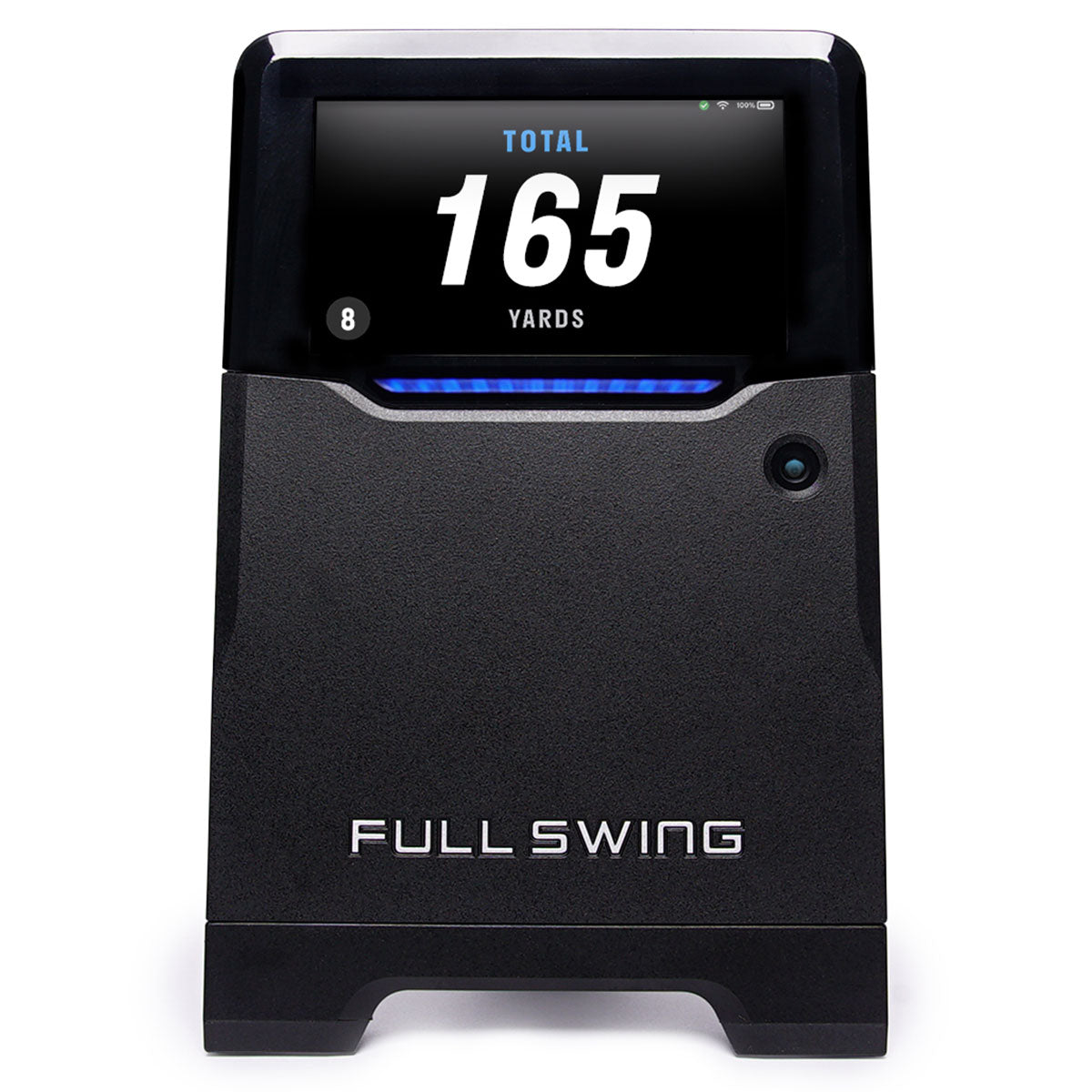
7.9/10Full Swing KIT review: the tape measure decides this, not Tiger
Tour pedigree, TGL on ESPN, and radar good enough to be checked against a Trackman outdoors. It also wants eighteen to twenty feet of room, which rules out most of the garages people buy it for.

Versus
Trackman iO vs Uneekor EYE XO2: the year-one trap
Both mount overhead, both want ten feet of ceiling, and about $3,000 separates them on the shelf. Then Trackman's included first year runs out, and the gap starts growing by $1,100 a year.

Versus
Uneekor EYE XO2 vs Foresight GC3: ceiling or floor?
About $4,000 separates them, but they're not really rivals — one lives in your ceiling forever, the other sits on the floor and travels. The cheaper one is also the one with no subscription.