
Tour putters quietly got enormous while club golfers kept buying blades
The best strikers alive putt with the most forgiving heads in golf. The golfer who actually needs the forgiveness buys a slim blade because it looks right at address. That is backwards, it isn't really a taste question, and in 2026 there is no good reason left for it.
By Ross Hamilton · Staff Writer
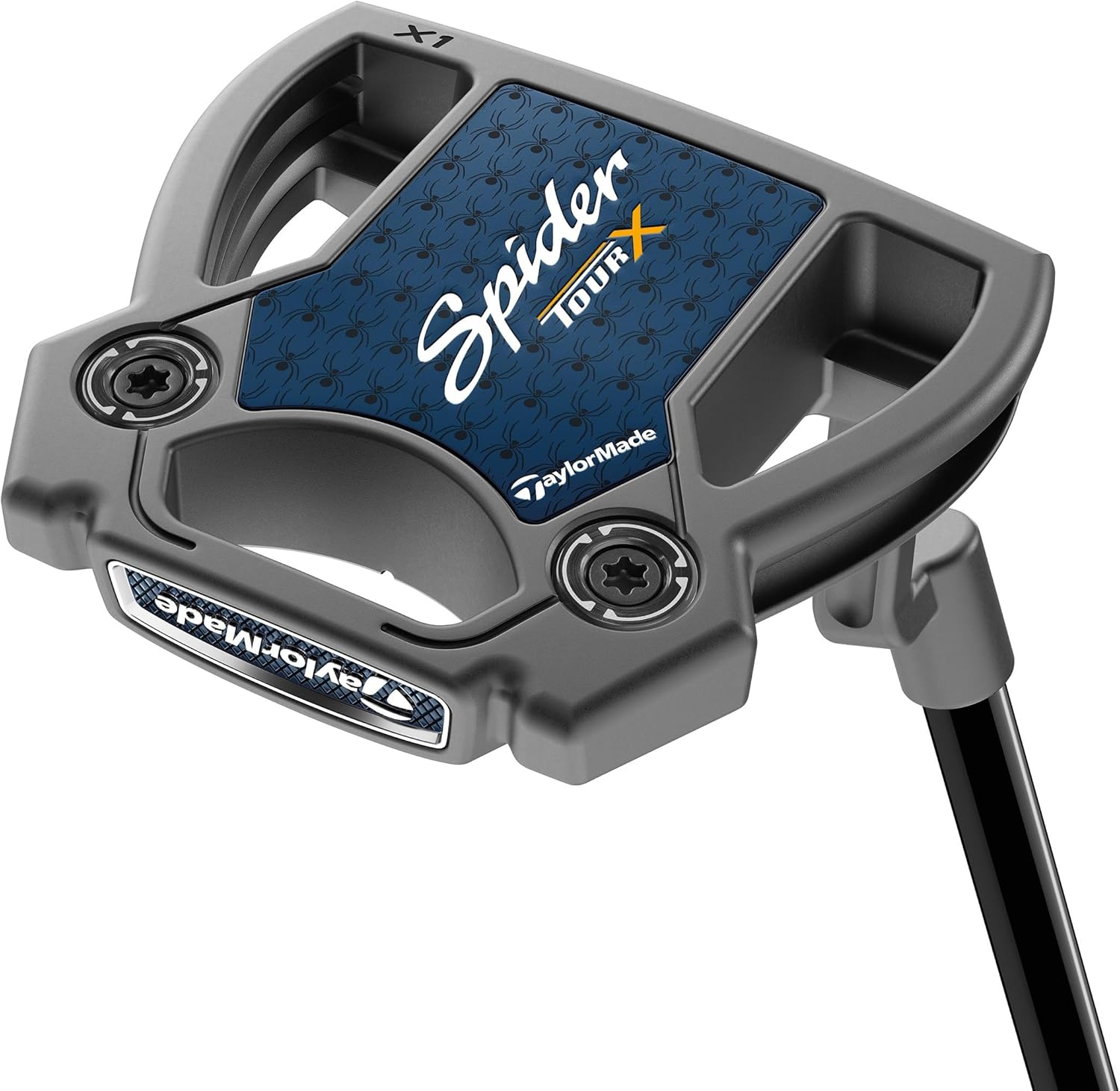
TaylorMade
TaylorMade Spider Tour X Putter
ifrothgolf earns a commission on purchases made through these links, at no extra cost to you. It never changes what I recommend. Full disclosure.
Stand behind the last group on any Sunday and count the putter heads. Then walk into any pro shop and look at what sells. The two pictures have been diverging for years and almost nobody says the obvious thing about it out loud: the players with the most repeatable strikes in the world play the most forgiving putters available, and the players who miss the centre of the face most often buy the least forgiving ones.
That is not a small irony. It is a straightforwardly bad allocation of forgiveness, and it costs club golfers strokes every week.
What MOI actually does to a putt
Moment of inertia is resistance to twisting, and on a putt it does one specific job. When you catch the ball away from the centre of the face, the head wants to rotate around its own axis at impact. That rotation costs you two things: a small start-line error, and — the one that actually ruins your card — ball speed.
Miss the sweet spot on a low-MOI head and the face gives way. Energy that should have gone into the ball goes into twisting the putter instead, and the putt comes up short. Miss it on a high-MOI head and the face resists, so far more of the energy transfers and the ball rolls a much more similar distance to a centre strike. The distance loss shrinks. That is the whole benefit, stated plainly: MOI is not about holing more putts from twenty feet, it is about the toe-strike from twenty feet finishing two feet past the hole instead of five feet short.
Three-putt avoidance is a speed problem far more than a line problem, and speed control on off-centre strikes is precisely what perimeter weighting protects. Which is why the modern top-of-the-market mallet exists in the form it does — the TaylorMade Spider Tour X is a large, heavily perimeter-weighted head at the very sharpest end of the game, and it is not there because it looks pretty in a bag.
The forgiveness is pointed at the wrong golfer
Here is the uncomfortable arithmetic. A tour professional strikes the centre of the putter face with a consistency that makes MOI a marginal gain — genuinely useful under pressure, but marginal. A fifteen-handicapper does not. The dispersion of strike across the face is wider, the mishits are more frequent, and the penalty per mishit is therefore paid far more often.
So the golfer for whom high MOI would produce the largest measurable improvement is the amateur. And the amateur is the one buying the blade. The tour player, who needs the help least, has largely taken it anyway, because at that level you accept every marginal gain going. It is the same pattern as forgiving irons: the people who most need a wider sole and a deeper cavity are the ones most likely to be found playing something thin and pretty.
Why blades keep selling anyway, and where the argument is fair
I am not going to pretend the blade buyer is simply wrong, because a few of the reasons are real.
The first is genuine. A blade with pronounced toe hang wants to rotate through the stroke, and a golfer with a strongly arcing stroke and a reliable strike is properly served by that. Forcing a face-balanced head onto a big arc means fighting the putter for four hours. That is a real fitting principle, not a preference, and we have written it up properly in mallet versus blade.
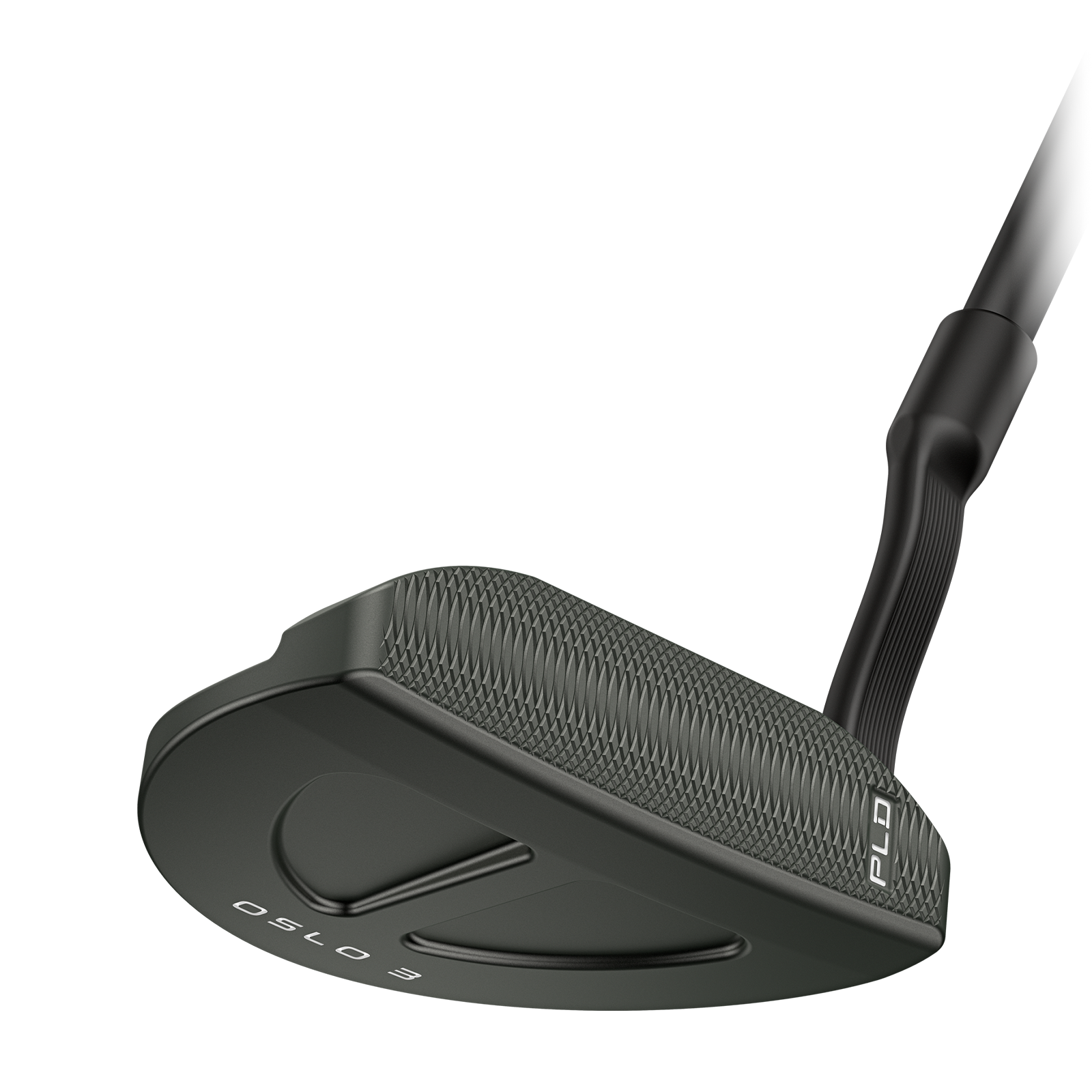
The second is half real. Feel and feedback matter, and there was a long period when mallets did feel dead by comparison. That period is over. A fully milled head like the Ping PLD Milled Oslo delivers premium stainless feel with high MOI, which used to be a contradiction and is now just a product. If you rejected mallets on feel more than five years ago, your objection has expired.
The third is not real at all, and it is the one doing most of the sales. Blades look right. They look like what a putter is supposed to look like, they photograph well, they carry a hundred years of association with good players, and a slim head at address feels serious in a way a large mallet does not. That is aesthetics wearing the clothes of performance, and it is worth being honest that a lot of putter buying is a taste purchase people describe in technical language afterwards.
The middle ground is the actual answer for most people
The framing of this as blade-or-mallet is the reason the conversation stalls, because the sensible destination for a great many golfers is neither extreme.
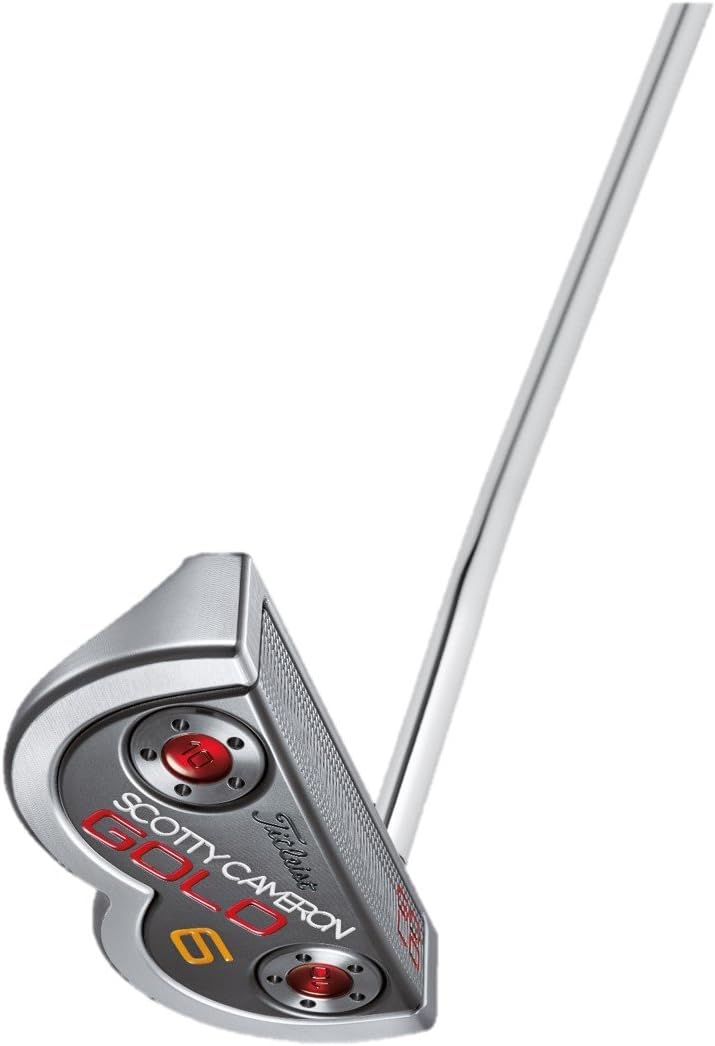
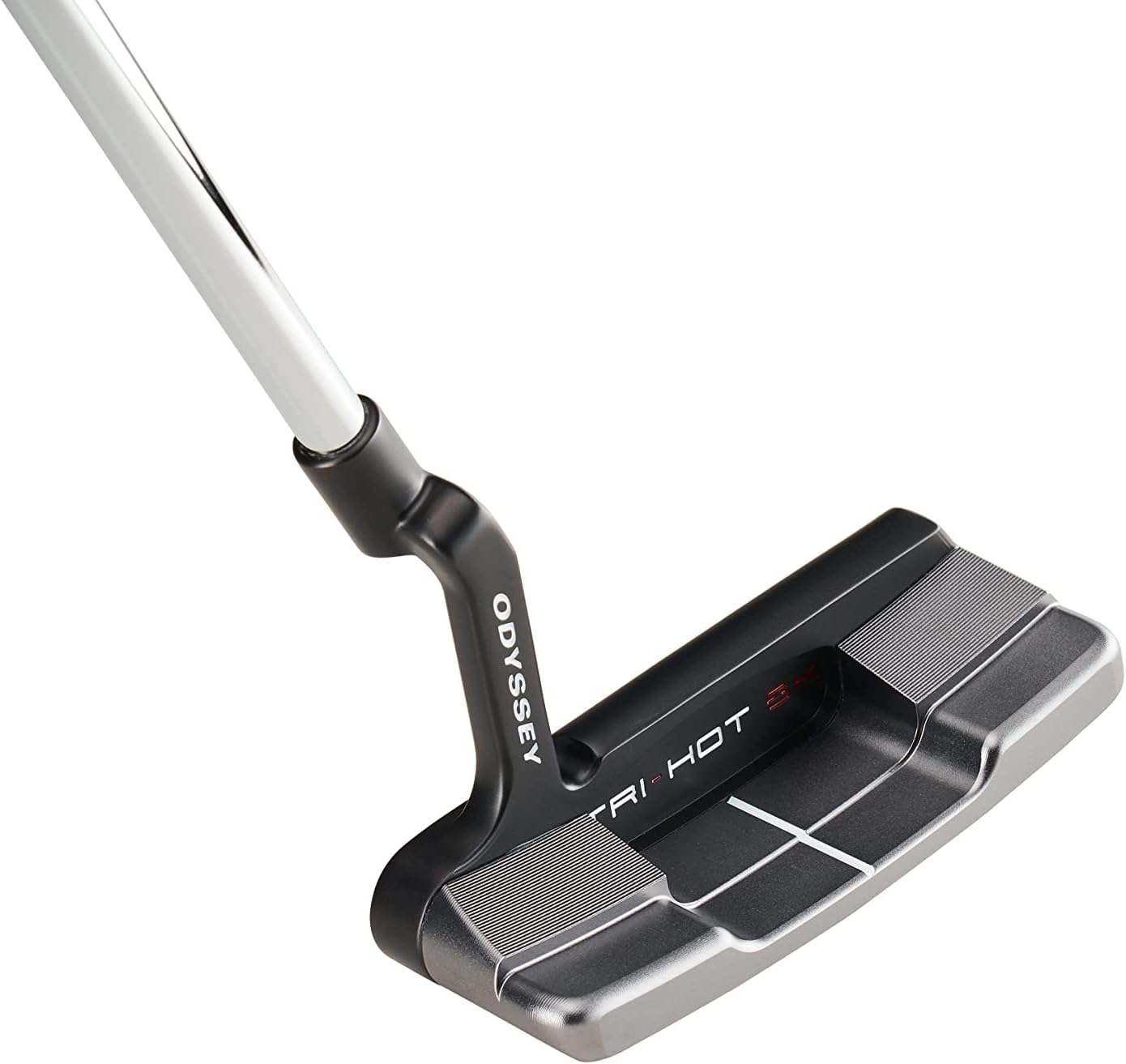
A mid-mallet gives you meaningful perimeter weighting in a head that still looks compact behind the ball and still has enough toe hang to suit a moderate arc. The Scotty Cameron Super Select GoLo is exactly this: multi-material construction, mallet stability, a head shape a blade player can actually look at. So is the Odyssey Tri-Hot 5K Double Wide, which uses tungsten weighting to buy high MOI inside a compact footprint rather than by simply making the head bigger.
If you have been resisting mallets because of how they look, this category was built for you and you have probably never rolled one. It is not a compromise between two better options. For an arcing stroke with an average strike pattern, it is the correct fitting answer.
Who should keep the blade
Keep it if you have a genuinely arcing stroke and you find the centre of the face consistently — you can check the second part in one minute with a strip of face tape and a dozen putts on a practice green, and the tape is not going to flatter you. Keep it if your putting is already the strongest part of your game, because there is no upside in disrupting a working method for a theoretical gain. And keep it if you have had a blade fitted properly for length and lie, since a fitted blade beats an unfitted mallet every time.
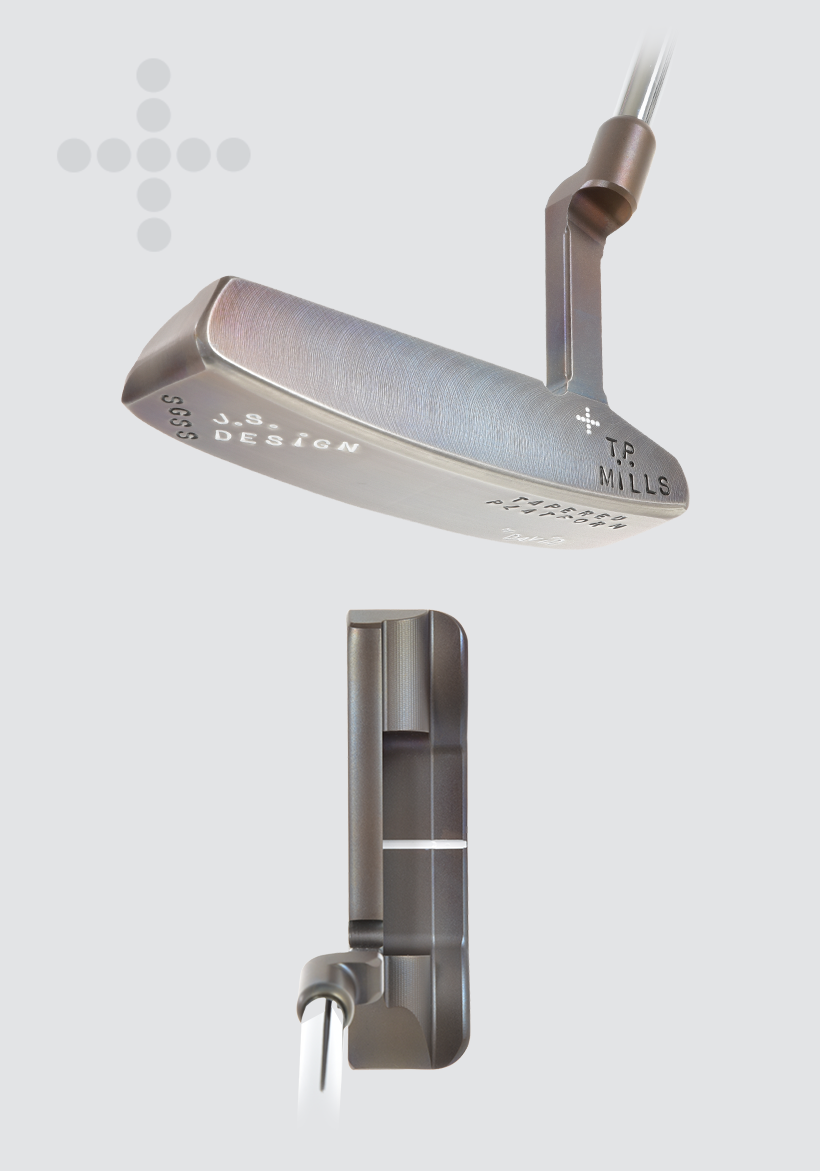
If you are keeping one, keep a good one. Something hand-finished with traditional heel-toe weighting like the T.P. Mills Trad II is the version of this decision made deliberately rather than by default, and there is real pleasure in owning it.
What I would actually do
Take face tape to the practice green before you take an opinion. If your strikes cluster in the middle, this entire article is optional reading and you should play what you love. If they scatter — and for most club golfers they scatter more than expected — then you are paying a distance-control tax on every putt you do not flush, and a higher-MOI head is the cheapest stroke saving available in the bag.
Then get fitted rather than shopping by head shape, because length and lie change how any putter releases, and the zero-torque designs now sitting alongside conventional mallets are a further answer to the same twisting problem from a different direction. The rest of our putters coverage goes deeper on each route.
The game's best players worked all this out and quietly moved. There is no prize for being the last person in your fourball holding out with a blade you were never fitted for.
Products mentioned in this article
TaylorMade
TaylorMade Spider Tour X Putter
The clearest statement of where the top of the game went — a large, high-stability mallet at the highest level.
Odyssey
Odyssey Tri-Hot 5K Double Wide Putter
Tungsten Tri-Hot weighting in a compact mallet, for people who want the stability without the visual bulk.
Ping
Ping PLD Milled Oslo Putter
Proof that high MOI and a premium milled feel are no longer a trade-off you have to make.
Scotty Cameron
Scotty Cameron Super Select GoLo
The middle ground done properly: compact head shape, mallet stability, still suits an arc.
T.P. Mills
T.P. Mills Trad II
If you are keeping the blade, keep a good one — hand-finished, traditional heel-toe weighting.
ifrothgolf earns a commission on purchases made through these links, at no extra cost to you. It never changes what I recommend. Full disclosure.
Frequently asked
- What does MOI do on a putt?
- It resists the head twisting when you strike the ball away from the centre of the face. The main benefit is speed rather than line: a high-MOI head transfers more energy on a mishit, so the putt finishes much closer to the distance a centre strike would have produced.
- Are mallet putters better than blades for amateurs?
- Usually, yes, because amateurs miss the centre of the face more often and therefore pay the mishit penalty more often. The exception is a golfer with a strongly arcing stroke and a consistent strike, who may well be better served by a blade with proper toe hang.
- Do mallet putters still feel worse than blades?
- Not any more. Fully milled mallets deliver the same premium feel and feedback that used to be a blade-only property, so the old feel objection is largely out of date.
- How do I know whether my putter is costing me strokes?
- Put face tape on the putter and hit a dozen putts on a practice green. If the strike marks cluster near the centre, your current head is fine. If they scatter across the face, you are losing distance control on mishits and a higher-MOI head is likely to help.
Read next
Review
8.7/10Zero-torque putters: golf's fastest-spreading idea
Tour bags are quietly being rebuilt around a putter that won't twist. Here's why — and where it started.
Review
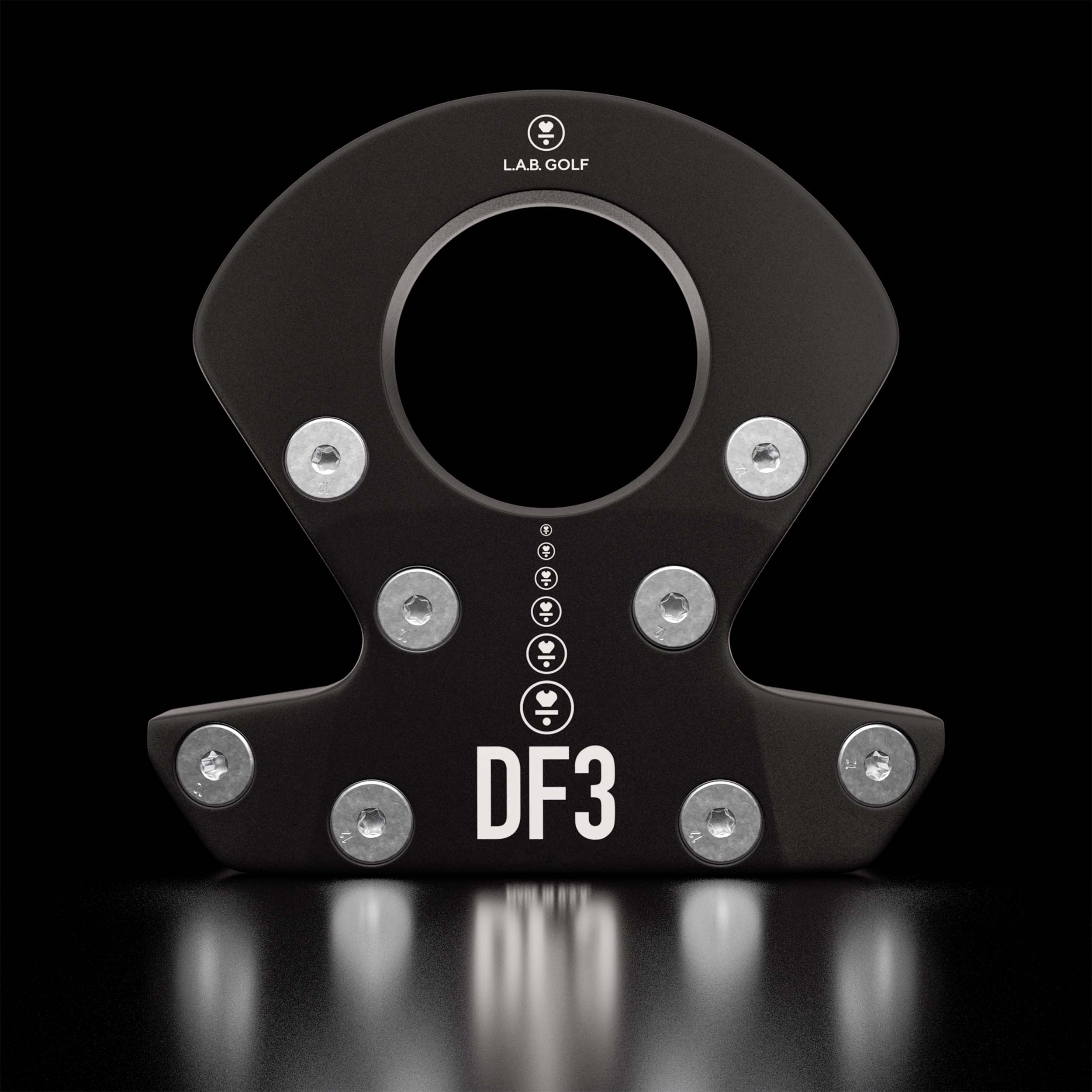
8.8/10L.A.B. DF3 review: the putter the tour keeps switching to
The zero-torque putter that won a US Open and rewrote the category. We score the most talked-about flat stick in golf — and tell you who should skip it.
Versus
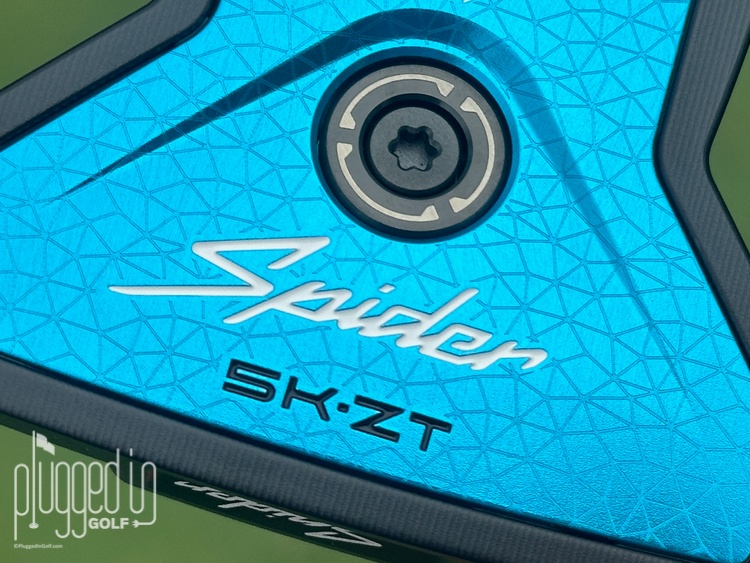
Spider ZT vs Odyssey Jailbird: two routes into zero-torque
The big brands' answers to the zero-torque craze, head to head — and which one suits how you actually putt.