
Ten of the sixteen Scotty Camerons on tour are putters you can't buy
We counted the putters in 49 current tour bags. The gap between what the best players use and what the shop will sell you is real, it is much bigger for some brands than others, and it should change how you shop.
By Ben Marsden · Reviews Editor
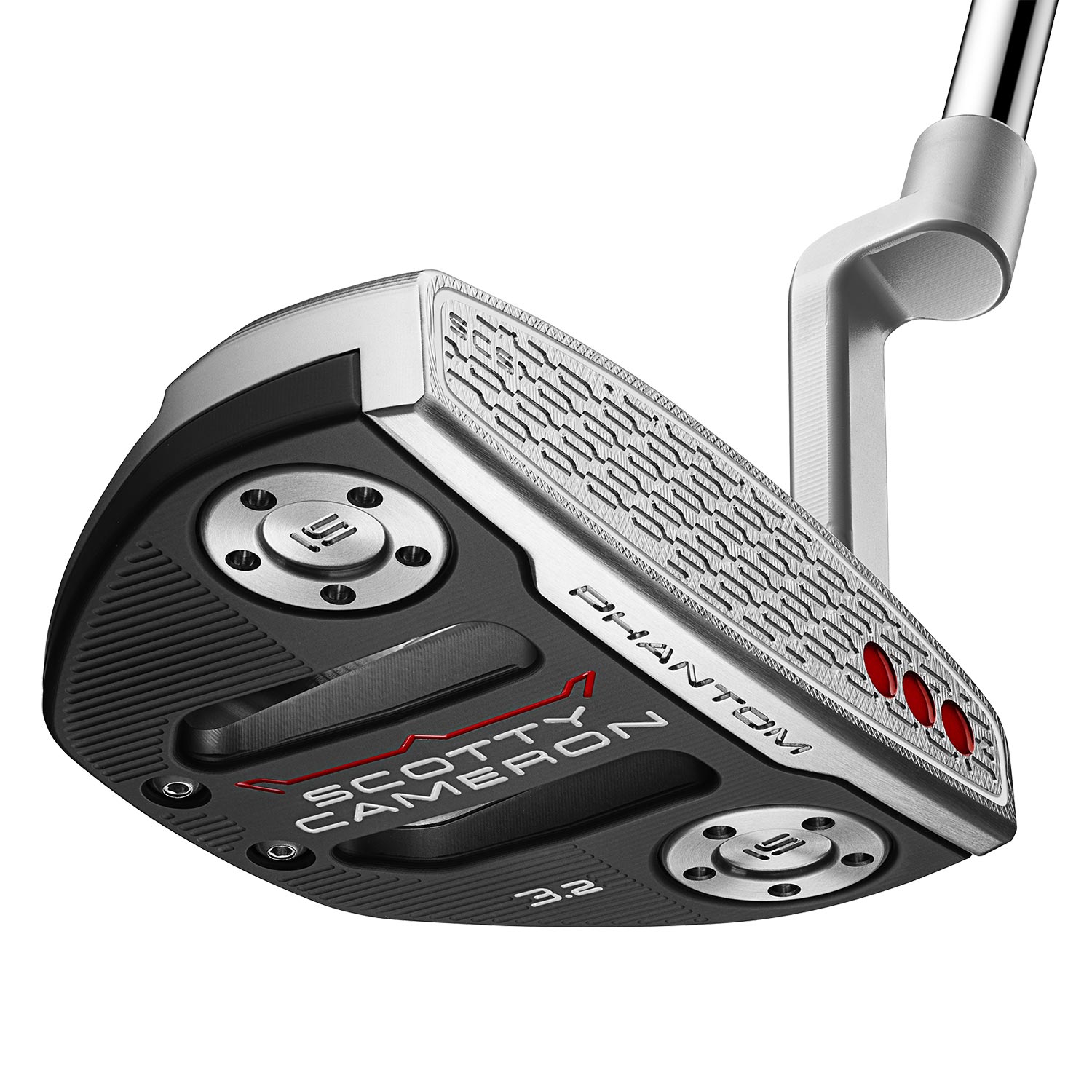
Scotty Cameron
Scotty Cameron Phantom 3.2 Putter
There is a glass case behind the counter at almost every decent pro shop, and the Scotty Cameron is in it. Four hundred and something pounds, milled steel, the badge you have watched win major championships. The unspoken pitch is that this is the club the best putters in the world use.
I went and counted. Across the 49 current tour bags we track and date-stamp, 20 contain at least one club whose name explicitly says prototype. Fourteen of those are putters. Not drivers, not irons. Putters, the one category where amateurs are most likely to buy on a badge they saw on television.
The Scotty problem, in one number
Scotty Cameron is the most-played putter brand in our data by a distance: 16 of the 49 bags. It is also the brand with the widest gap between the tour and the shop. Ten of those 16 are prototypes or explicitly tour-only builds — a T-5 Tour Prototype, a 009M, a TourType GSS, a Phantom 7.2 Tour Prototype, and so on down the list. Just under two thirds of the Scottys on tour are not clubs you can walk in and buy.
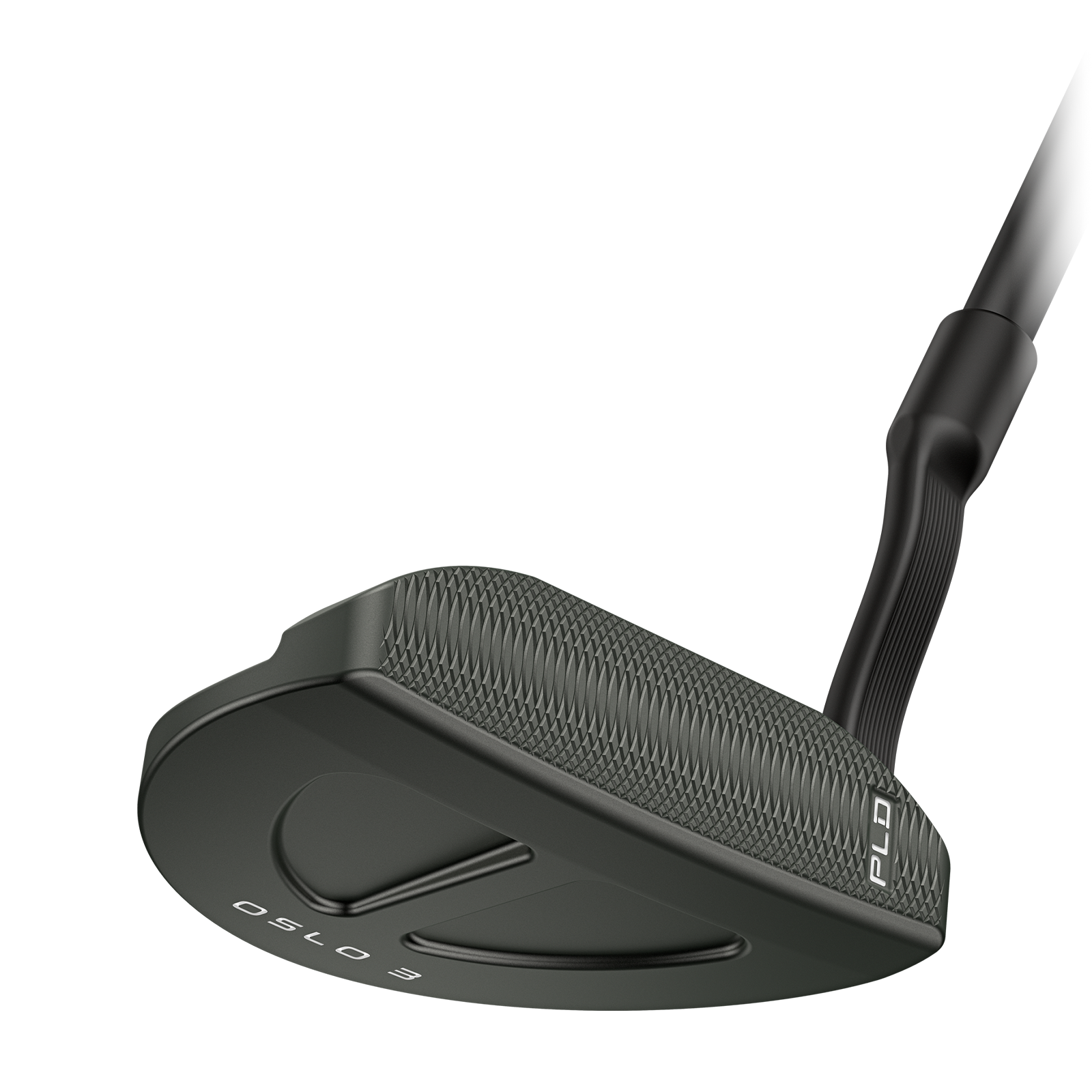
Take Ludvig Aberg, who plays a Scotty Cameron Phantom 3.2 prototype. The retail Phantom 3.2 exists, it is a good putter, and it costs about $500. It is also not the club in his bag. It shares a name and a shape with the club in his bag. Those are different things, and the shop is not especially motivated to draw the distinction for you.
The brand that mostly plays what it sells
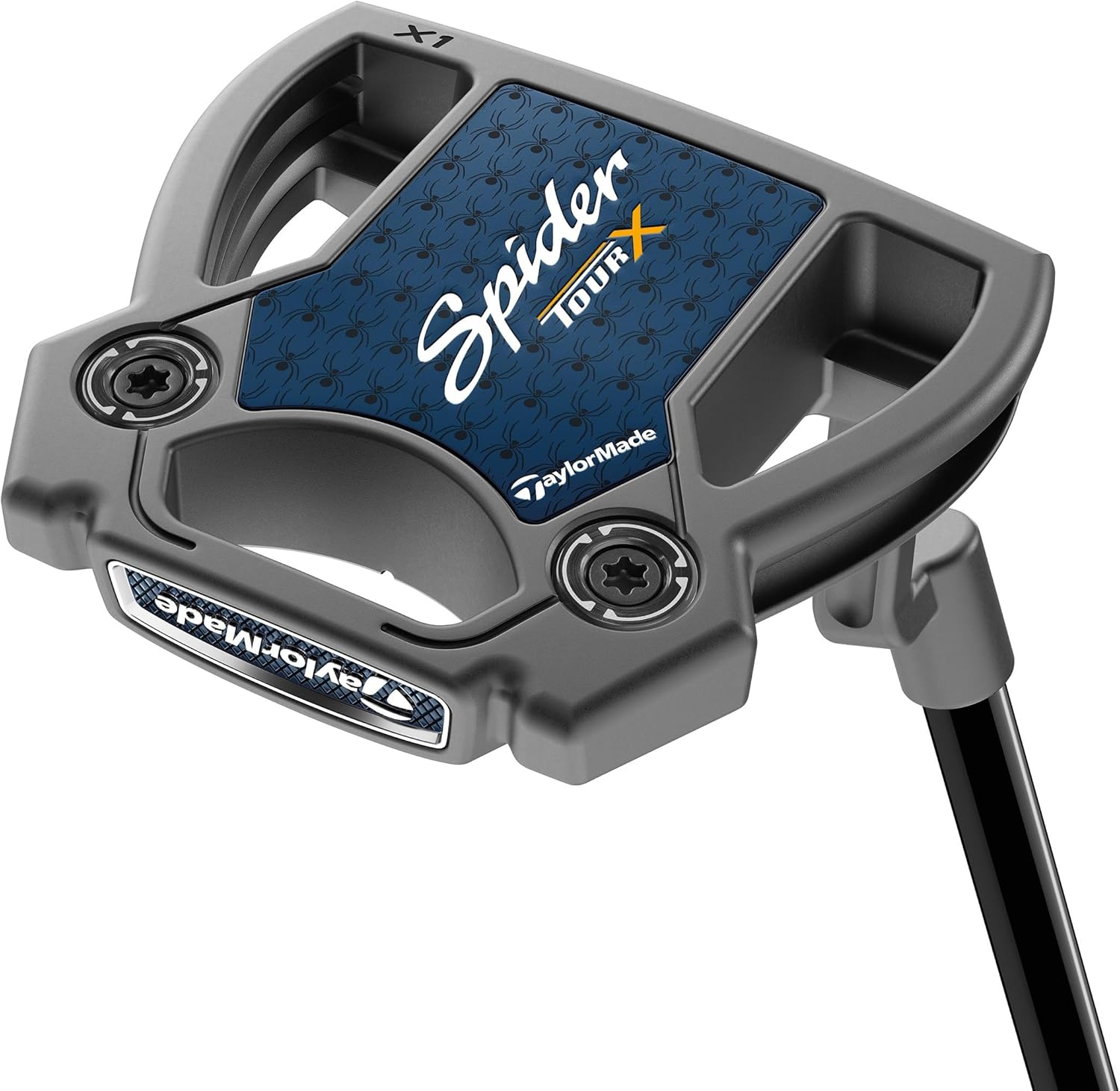
Here is the part I did not expect. TaylorMade has 11 putters in the same 49 bags and exactly one of them is a prototype. The rest are Spider Tour X, Spider Tour Black, Spider Tour Z, Spider Tour, TP Soto. Retail models, sold in shops, in the bags of people winning golf tournaments with them. Five of those eleven are the same Spider Tour X you can order this afternoon.
Odyssey sits in between: 11 bags, two prototypes. Ping has six bags and one prototype, Viktor Hovland aside, mostly PLD and Scottsdale models you can order.
So the honest version of "the pros play it" depends entirely on which logo you are looking at. For a Spider Tour X the claim is close to literally true. For most of the Scottys on tour it is closer to marketing.
Why putters and not everything else
Our own count points at the answer. Those 20 bags hold 27 prototype clubs between them: 14 putters, 8 irons, 4 wedges and a single fairway wood. Putters are the category where fit is most personal and the head is most hand-finished, so the gap between a tour build and a production run is widest there. A driver head is a casting with an adjustable hosel; the tour version and the shop version have far less room to diverge. That is inference from the count rather than a manufacturing document, but it fits what the numbers show.
None of which makes the retail clubs bad. This is the bit that matters and it is the bit that gets lost in the cynicism.
What I would actually do with this
Stop treating the badge as evidence. A putter is the most fitting-sensitive club in the bag: length, lie, loft, head weight and, above all, whether the shape sits square to your eye. Those are the things that make you hole putts. None of them are improved by the club having been in a tour bag, especially when the tour bag contains a different club.
If you like the look of a Phantom, buy the Phantom because you like the look of it and it fits you, and pay the $500 with your eyes open about what it is. If you want the actual tour club, the Spider Tour X at around $450 is one of the few places you can have it, and it is cheaper. If you want the best-fitting putter regardless of what anyone on television plays, go and get fitted and let the result surprise you.
The inversion nobody mentions
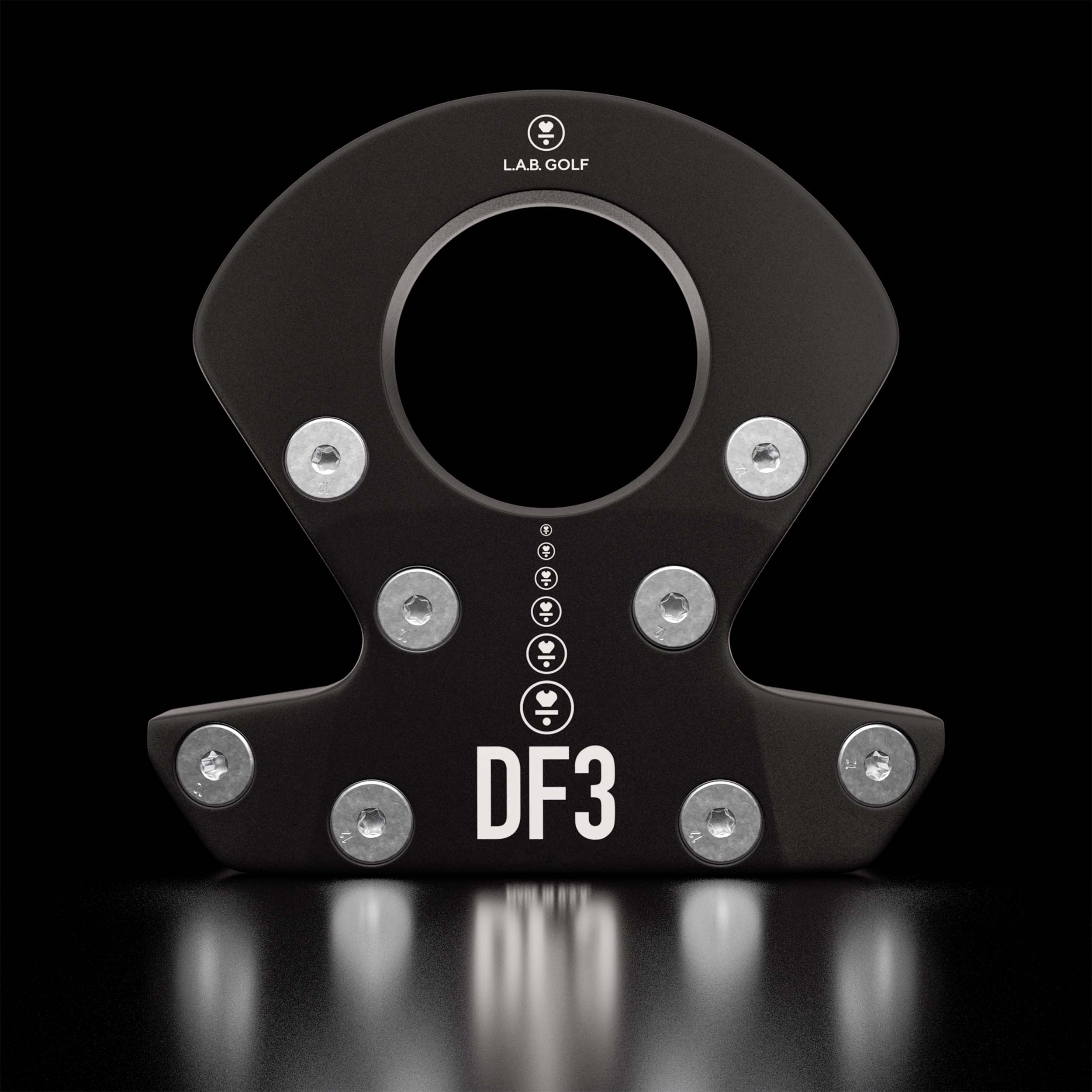
One more number, because it cuts the other way. L.A.B. Golf — the zero-torque brand that has taken over club car parks, waiting lists and every putting conversation of the last two years — appears in 2 of the 49 bags. Two.
That is not a criticism of the putters. It is a useful reminder that tour adoption and amateur usefulness are separate questions, and that they come apart in both directions. A club can be all over tour and unbuyable. A club can be barely on tour and exactly right for a golfer who fights a rotating face. Neither fact tells you much about your own stroke.
Who should ignore all of this
If you already have a putter you trust and hole putts with, this changes nothing and you should not read another word about it. Putter switching is where good rounds go to die. And if you want a Scotty Cameron because you have wanted one since you were fifteen and it will make you happy every time you pull it out of the bag, buy the Scotty Cameron. That is a completely respectable reason to spend money on golf. It is just not the same reason as the one printed on the marketing.
One caveat on the count itself: this is the 49 bags we maintain and re-verify against named sources, not a census of every player on every tour, and bags change week to week. Every bag behind these numbers is linked and sourced, which is more than the glass case offers.
Products mentioned in this article
Scotty Cameron
Scotty Cameron Phantom 3.2 Putter
The retail version of the head Ludvig Aberg plays a prototype of
TaylorMade
TaylorMade Spider Tour X Putter
The rare case where the tour putter and the shop putter are the same club
Odyssey
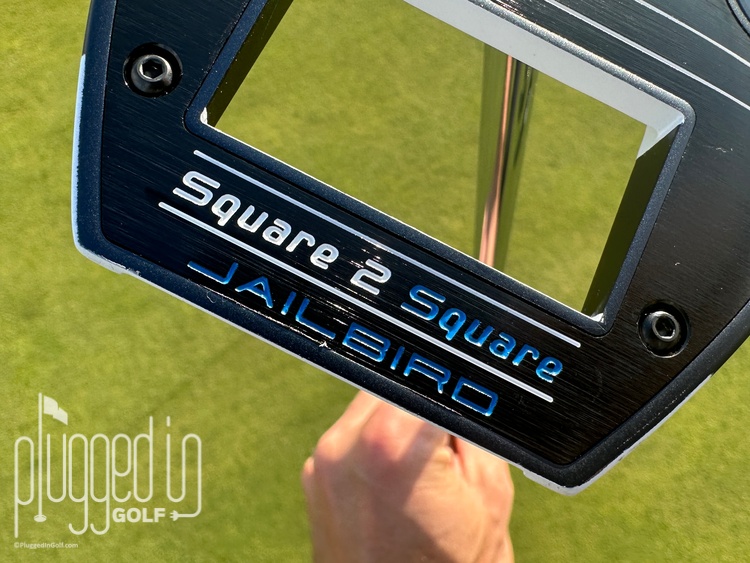
Odyssey Ai-ONE Square 2 Square Jailbird Putter
Buyable, and in bags on merit rather than as a tour one-off
ifrothgolf earns a commission on purchases made through these links, at no extra cost to you. It never changes what I recommend. Full disclosure.
Frequently asked
- Do tour players use the same putters you can buy?
- Sometimes, and it varies enormously by brand. Across the 49 current tour bags we track, 14 carry a putter whose name explicitly says prototype. Scotty Cameron is the widest gap at 10 prototypes out of 16 bags, while TaylorMade has just one prototype in 11 bags, with the rest being retail Spider models.
- Which tour putters can I actually buy?
- The TaylorMade Spider family is the clearest case: five of the 49 bags we track carry a Spider Tour X, which is the same club sold in shops. Most of the Odyssey and Ping putters in our data are retail models too. The Scotty Cameron tour builds are largely prototypes and tour-only specifications that never reach retail.
- Is a retail Scotty Cameron worth the money?
- It can be, but judge it as a putter rather than as the club you saw on television, because in most cases it is not that club. Length, lie, head weight and how the shape sits at address decide whether you hole putts. Get fitted, and buy the one that fits, which may or may not carry the badge you had in mind.
- How many tour players use a L.A.B. putter?
- Two of the 49 bags we track, which is strikingly few given how visible the brand has become among club golfers. Tour adoption and amateur suitability are separate questions. Zero-torque designs suit players who struggle to keep the face stable through the stroke, and that is a fitting question rather than a tour-count question.
Read next
Review
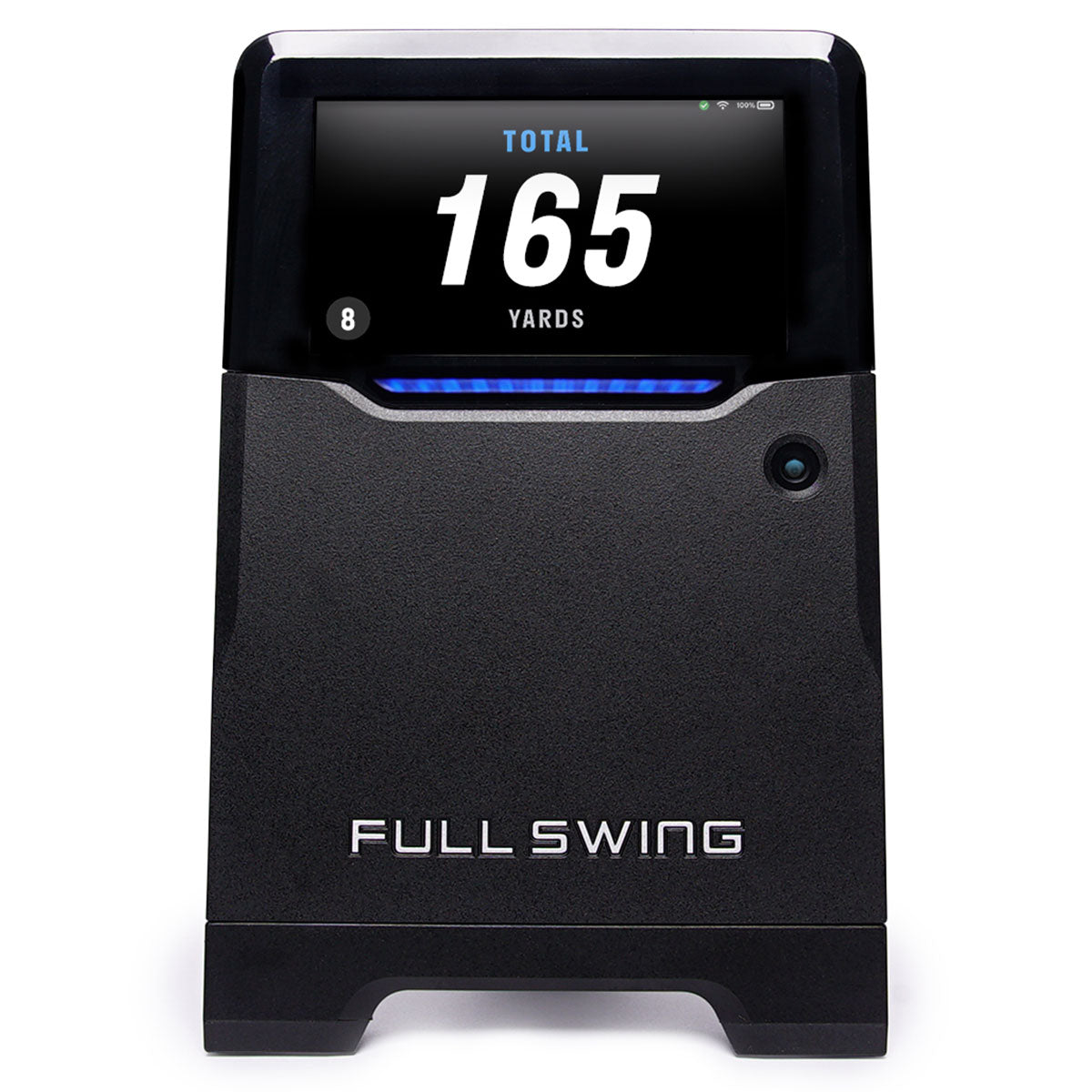
7.9/10Full Swing KIT review: the tape measure decides this, not Tiger
Tour pedigree, TGL on ESPN, and radar good enough to be checked against a Trackman outdoors. It also wants eighteen to twenty feet of room, which rules out most of the garages people buy it for.
Versus
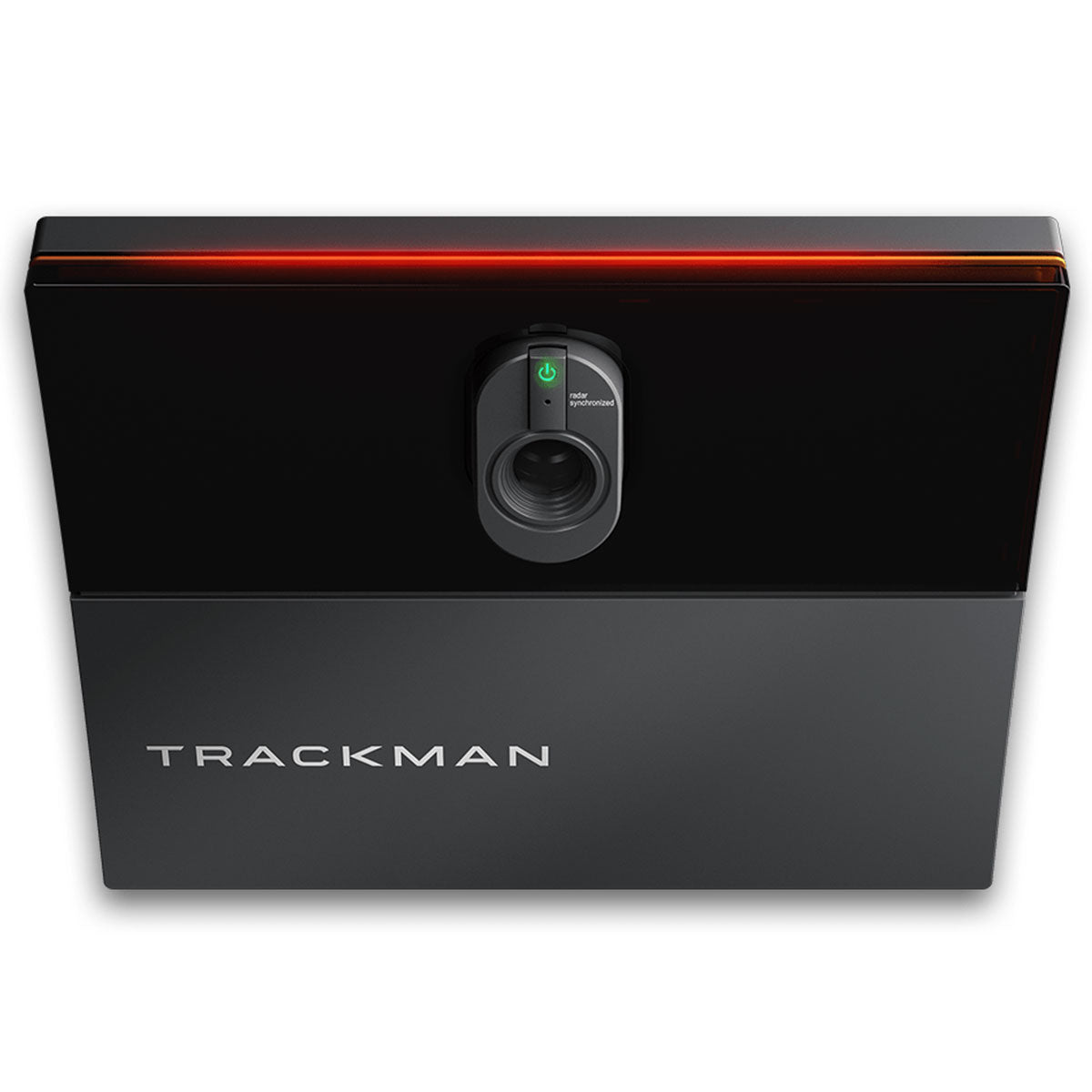
Trackman iO vs Uneekor EYE XO2: the year-one trap
Both mount overhead, both want ten feet of ceiling, and about $3,000 separates them on the shelf. Then Trackman's included first year runs out, and the gap starts growing by $1,100 a year.
Versus
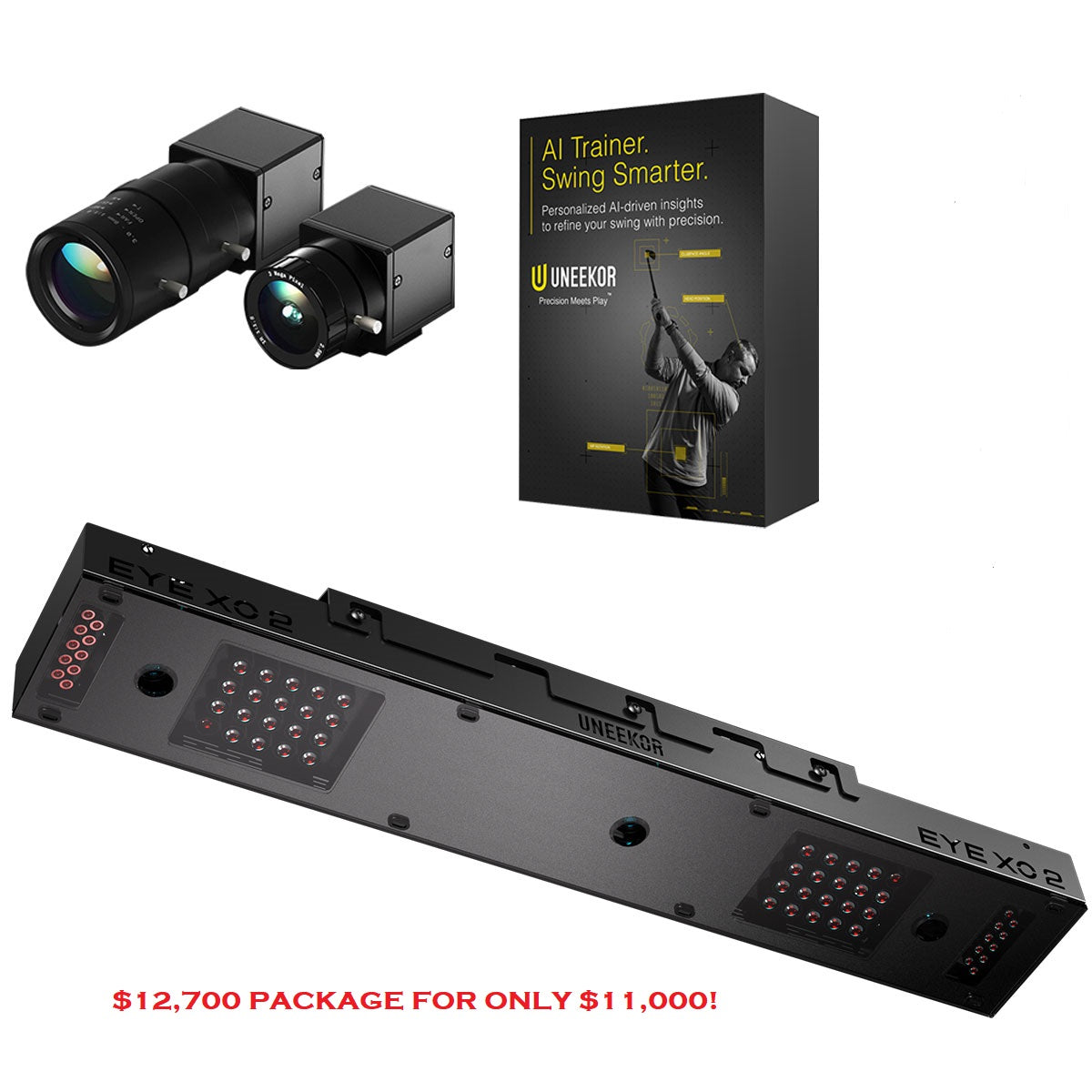
Uneekor EYE XO2 vs Foresight GC3: ceiling or floor?
About $4,000 separates them, but they're not really rivals — one lives in your ceiling forever, the other sits on the floor and travels. The cheaper one is also the one with no subscription.