
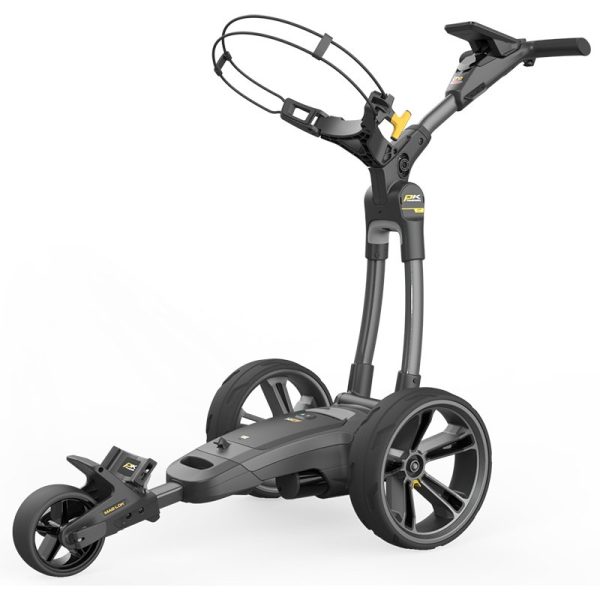
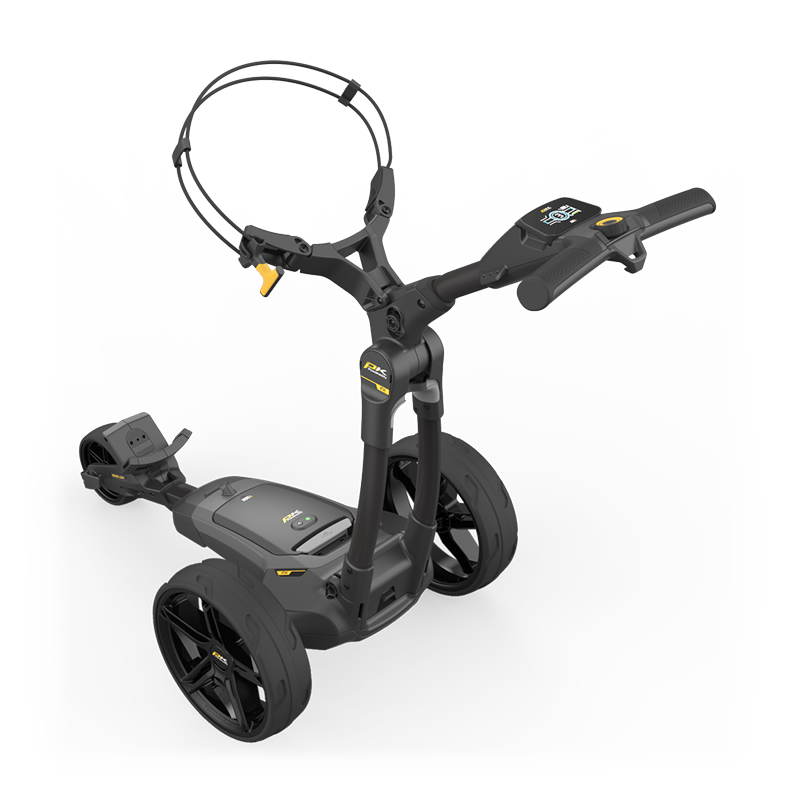
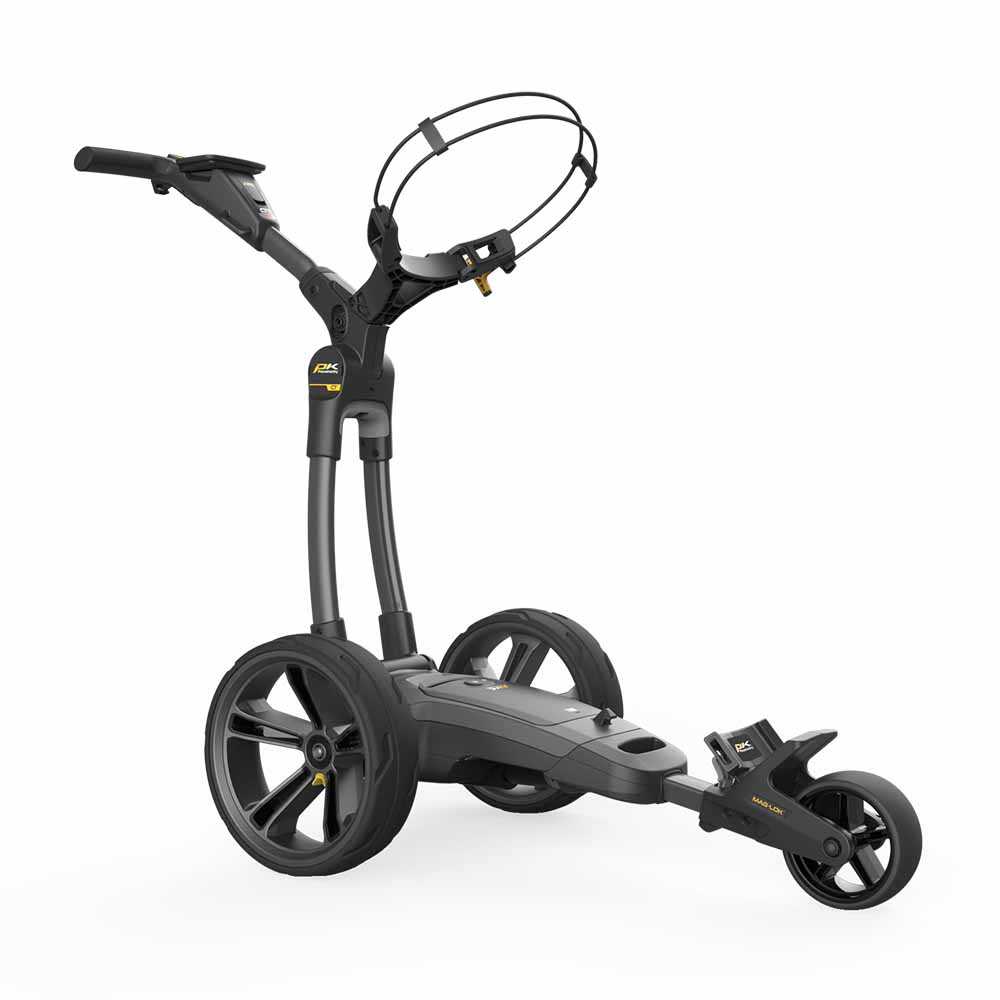
PowaKaddy's flagship compact electric trolley with a built-in 5-inch touchscreen GPS, the first of its kind on the market.
Best Electric Trolleys 2026
Let the battery carry the load.
For most golfers the Motocaddy M5 GPS and PowaKaddy CT8 are the two to choose between — both run reliable lithium power rated for 36 holes, carry a 3.5-inch colour touchscreen GPS preloaded with 40,000+ courses, and fold small enough for a normal boot. Motocaddy edges it on the screen and the one-action fold; PowaKaddy folds down notably smaller (around 35% more compact than its nearest rival) and adds proper downhill control. An electric trolley takes the bag off your back and saves your legs for the back nine, and a good one lasts years.
Three things decide which to buy. First, battery: insist on lithium, not older lead-acid — it's lighter, recharges faster and the 36-hole rating covers a full day with room to spare. Second, fold size and weight, because a trolley you have to wrestle into the boot gets left at home. Third, how much tech you actually want: a plain push-button model does the core job, GPS adds course mapping and ditches the watch, and remote or follow units (the Motocaddy M7, Stewart Q Follow) trundle along behind you.
Prices climb steeply with features — from around $500 for a no-frills push-button trolley to $1,150–$1,250 for GPS models and $1,800+ for remote and follow units. Honest note: the follow and remote trolleys are brilliant fun, but they cost a lot and have more to go wrong, so buy one only if you'll genuinely use the feature rather than for the novelty.
ifrothgolf earns a commission on purchases made through these links, at no extra cost to you. It never changes what I recommend. Full disclosure.
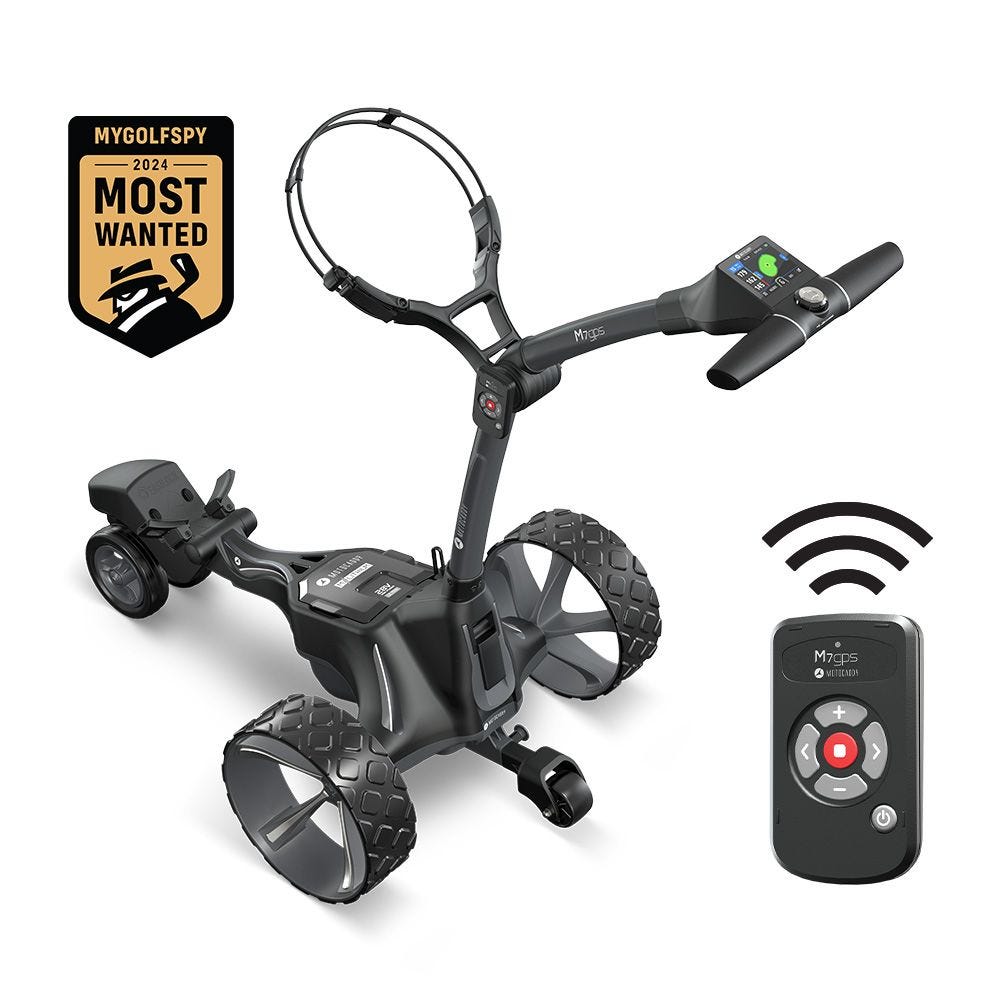
Motocaddy's flagship: a fully remote-controlled electric push trolley with a built-in 3.5 inch touchscreen GPS, twin motors, downhill braking and a cable-free lithium battery. It drives itself ahead of you, parks where you point it, and shows yardages and full-hole maps without needing a watch or phone.
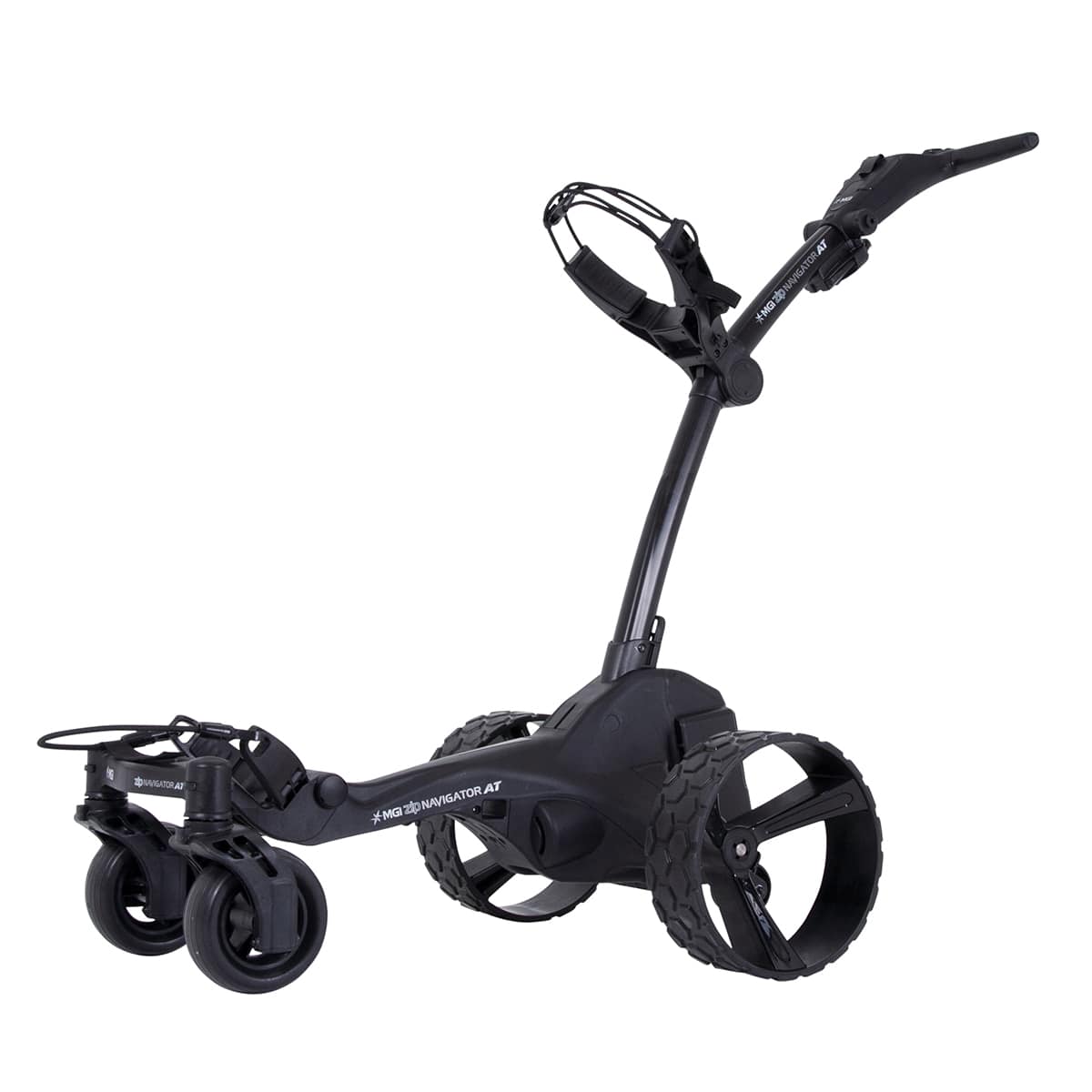
Remote trolleys divide neatly into the ones that cope with a flat parkland course and the ones you can send up a bank without jogging after it. The Zip Navigator AT is the second kind, and the AT — all-terrain — is doing real work in the name. MGI's full-directional remote is the best-regarded in the category: it steers rather than just driving forward, which sounds like a detail until you're threading it between a bunker and a slope while carrying two drinks. The point of any of these is the walking round you'd otherwise have taken a buggy for, and on undulating ground that's exactly where cheaper remote trolleys start slipping wheels and eating battery. It's a big spend and a big object — check your boot space, because folded footprint is the thing owners complain about, not the motor. If your course is flat and you don't mind pushing, MGI's own E-BOOST does the lightweight job for a third of the money.
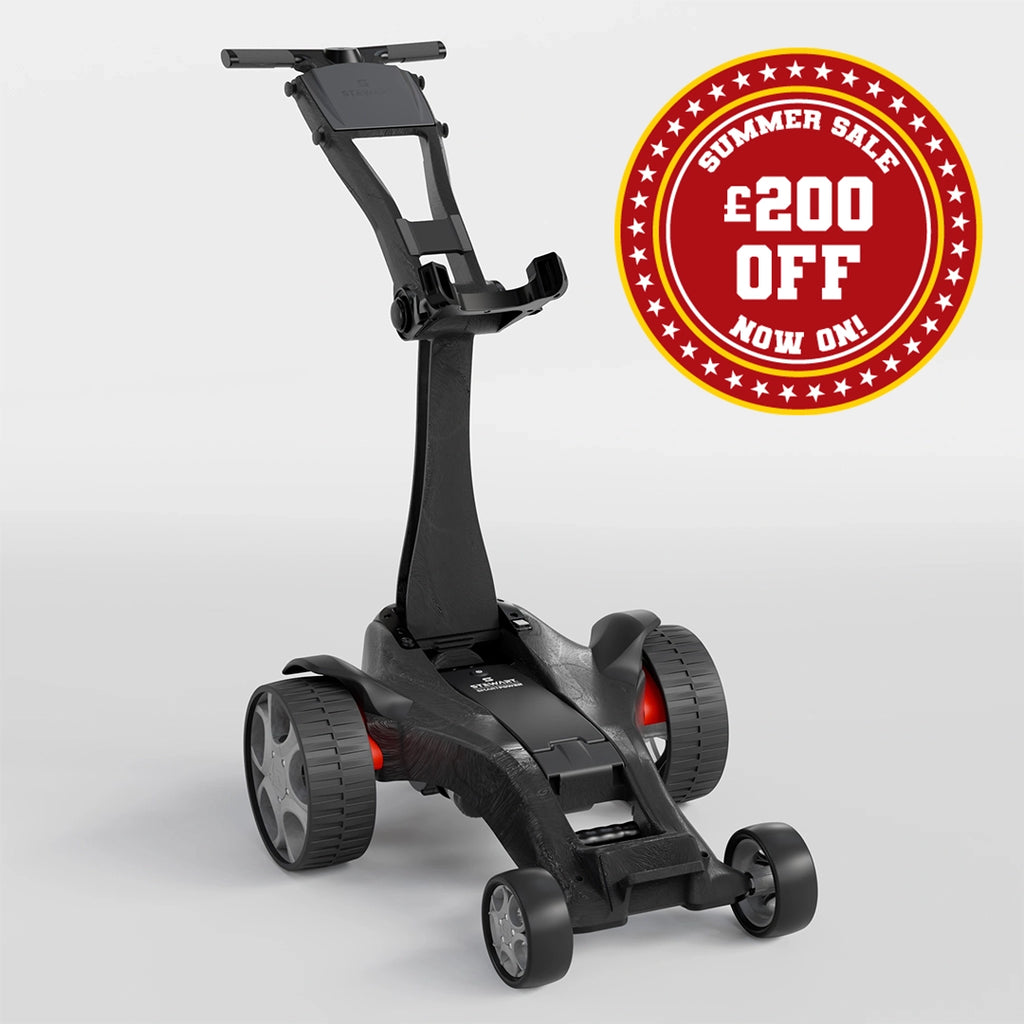
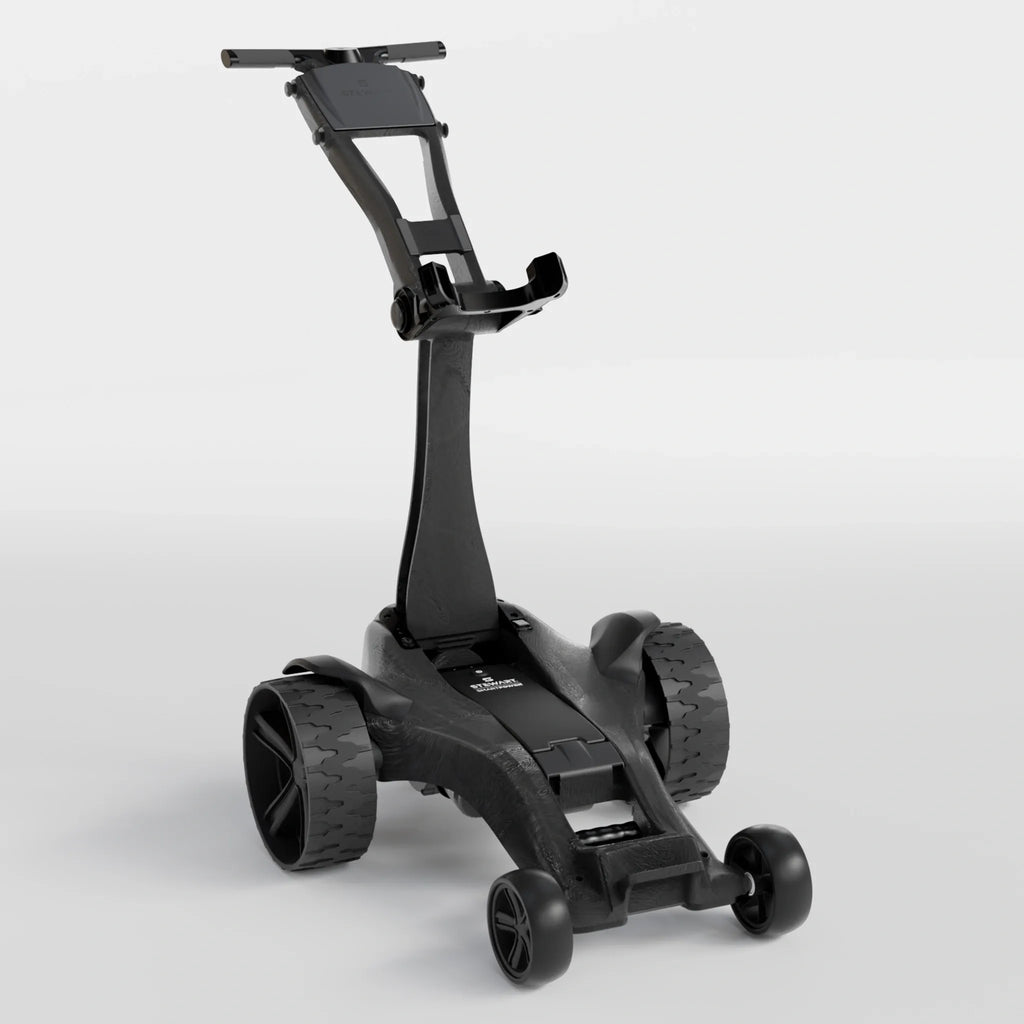
Stewart Golf's flagship electric trolley. It does the usual remote-control thing, but its party trick is Follow mode: pop the handset in your pocket and the trolley tracks you down the fairway on its own, adjusting speed and direction so you can walk with nothing in your hands. It is designed, engineered and hand built in Britain.
A premium remote-controlled electric trolley, designed and hand-built in the UK by Stewart Golf. You drive it from a handset up to 100m away, or let it follow three programmable cruise speeds while you walk alongside. The headline trick is Active Terrain Control: a CORTEX chip samples the ground a thousand times a second and feeds power to two EcoDrive motors so the trolley holds a steady line and pace across cambers and climbs instead of running away downhill or stalling up a bank.
A premium three-wheel push-button electric trolley with Motocaddy's GPS screen baked straight into the handle. It carries your bag round the course under its own power across nine speed settings, while a 3.5 inch colour touchscreen serves up front/middle/back distances, full-hole mapping and hazard info from over 40,000 pre-loaded courses. The cable-free CLICK N CONNECT lithium battery drops on without trailing wires, and you get Bluetooth phone notifications and USB charging on top.
A compact lithium electric trolley with a built-in 3.5 inch colour touchscreen GPS in the handle. You get distances to the green, hazard and bunker info, scoring and app-based game tracking, all without strapping a separate device to the frame. It folds down smaller than just about anything else in its class and runs a quiet 30v motor off a Plug n Play lithium battery available in 18 or 36 hole capacities.
PowaKaddy's mid-range, best-selling electric push-along trolley. You clip your bag on, press buttons on a colour screen to set the speed, and a 30V motor does the pulling while you walk alongside. The headline trick is the 1-Click folding: it collapses to a compact bundle in one motion with the battery still attached, so it lives in your boot without a wrestling match.
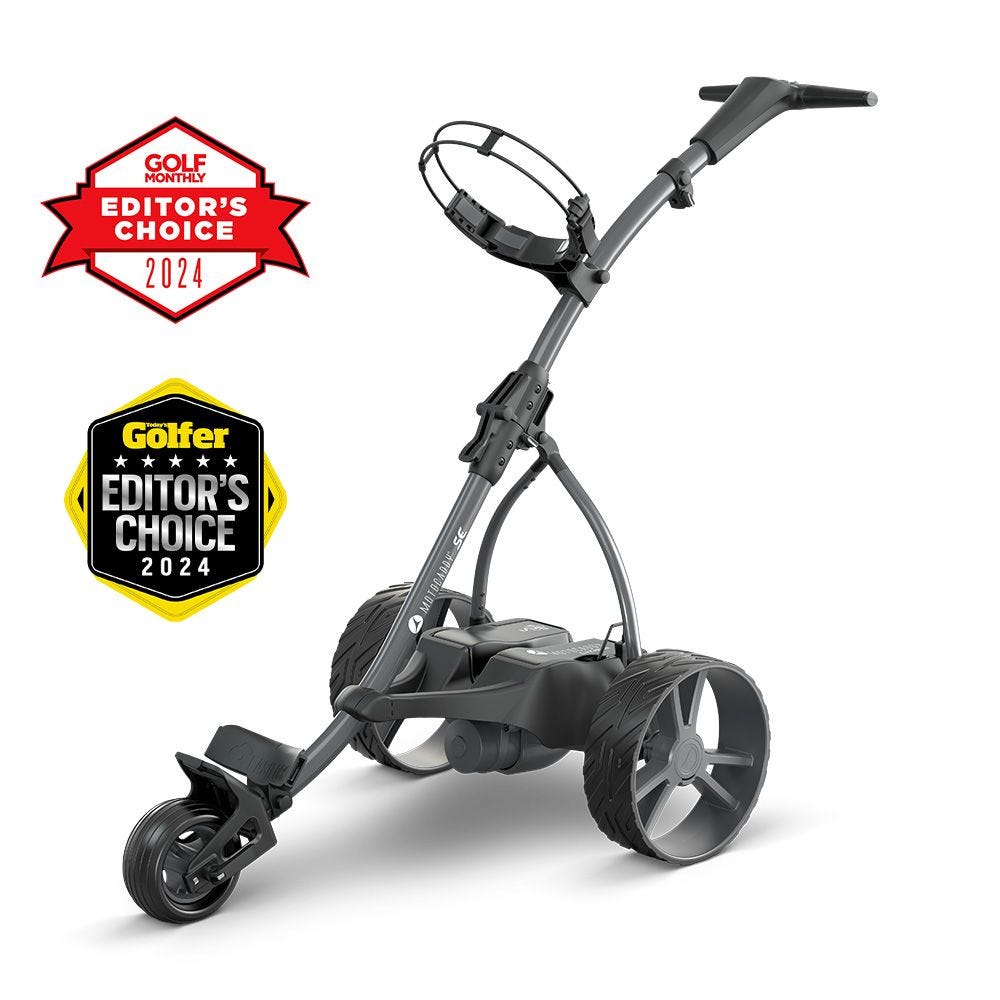
The Motocaddy SE is the brand's back-to-basics electric trolley, aimed at golfers stepping up from a push cart who want the legs done for them without paying for tech they won't use.
A lithium-powered electric push trolley sold as a complete package. You get the trolley, the lithium battery and charger, plus an accessory pack (umbrella holder, scorecard and drinks holders, GPS cradle, rain cover and a carry bag) that other brands make you buy separately. A 200W motor drives it up the hills, a nine-speed dial sets the pace, and a digital screen shows speed and remaining charge. The party trick is the pre-set distance function that sends the trolley 10, 20 or 30 metres ahead while you walk to the next tee.
Frequently asked
- What is the best electric golf trolley?
- The Motocaddy M5 GPS and PowaKaddy CT8 are the two to beat for most golfers — both offer 36-hole lithium range, GPS maps and an easy fold. Pick the Motocaddy for the slicker screen and fold, the PowaKaddy for build and downhill braking.
- Are remote or follow electric trolleys worth it?
- They're great fun and genuinely handy, but they cost significantly more and have more to go wrong than a push-button trolley. Buy one only if you'll really use the remote or follow feature; otherwise a standard GPS trolley is better value.
- How long does an electric trolley battery last?
- Quality lithium batteries are rated for 36 holes on a charge, comfortably covering a full day's golf, and they're light and quick to recharge. Always check the battery is lithium rather than older lead-acid for that range and weight.
- Do I really need GPS built into the trolley?
- Not strictly — a non-GPS trolley does the heavy lifting just as well and costs hundreds less. Built-in GPS is a convenience: distances on a big screen at eye level, no watch to charge. If you already own a GPS watch or rangefinder you're happy with, save the money and buy a simpler trolley.
- What should I check before buying an electric trolley?
- Confirm the battery is lithium and rated for 36 holes, check the folded dimensions against your boot, and look at the warranty — frames often carry two years and lithium batteries up to five. On hilly courses, downhill control (automatic braking on descents) is worth having so the trolley doesn't run away from you.
Related reading
More on this from the desk
Versus
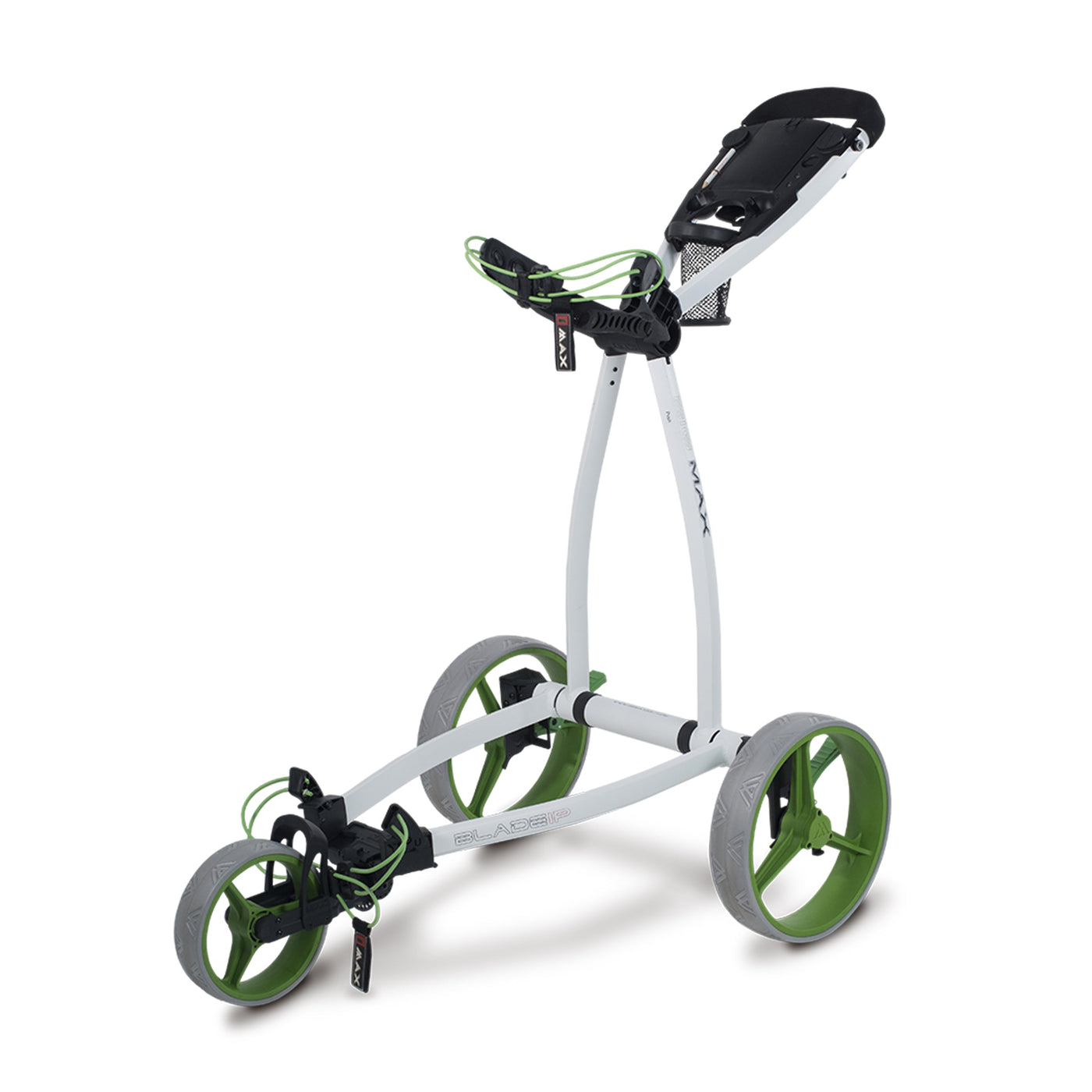
Push vs electric trolley: which is actually worth it?
One saves your back for not much money; the other saves your legs for rather more. How to spend wisely on carrying nothing.
Opinion
An electric trolley is the best money I've spent on golf
Not the clubs, not the gadgets. The thing that made me enjoy walking 18 again was the least glamorous purchase in the bag.
Review
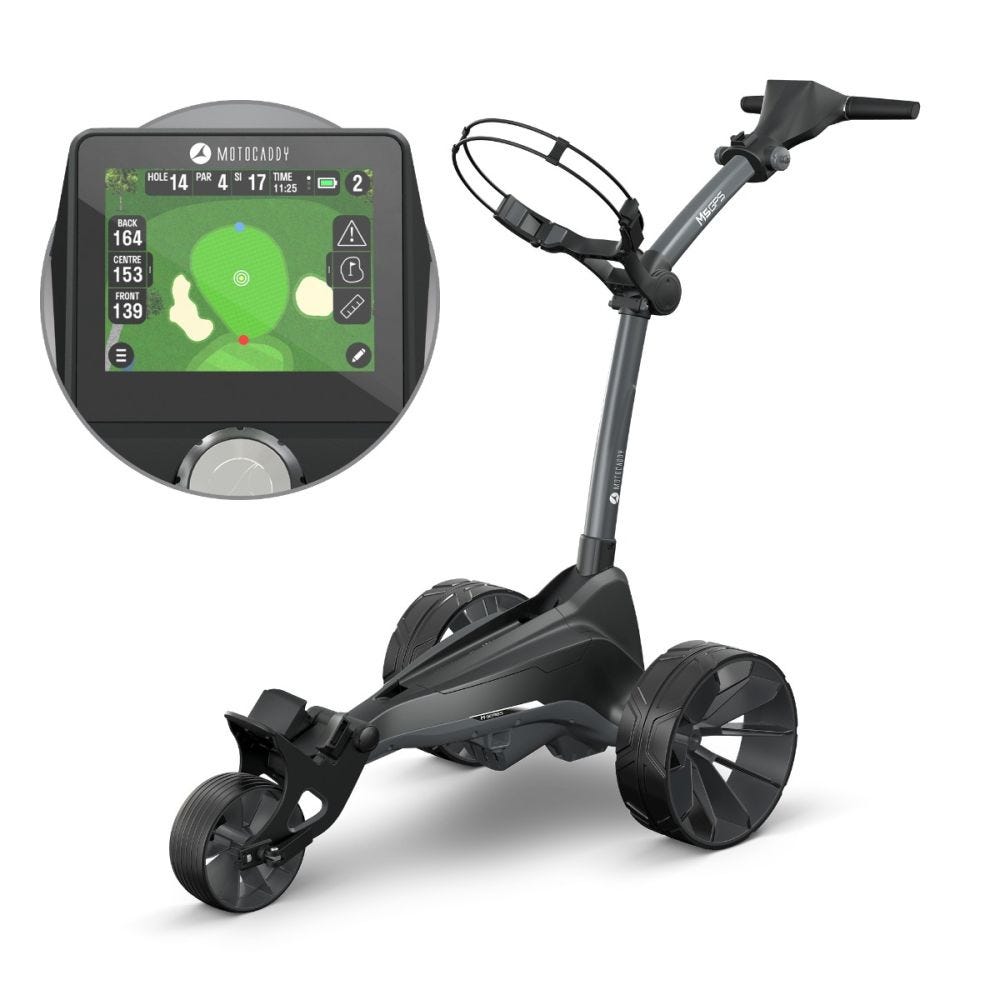
8.8/10Motocaddy M5 GPS review: the electric trolley that does the thinking
GPS course maps, downhill control and a battery that shrugs off 36 holes — the do-it-all electric trolley most walkers should buy first.
Versus
Motocaddy M5 GPS vs PowaKaddy CT8: the electric trolley to buy
The two brands that own the fairway, head to head — it comes down to the screen, the fold and how your course slopes.
Review
8.5/10PowaKaddy CT8 GPS review: the compact trolley with GPS baked into the handle
It folds smaller than almost anything in its class and puts a colour touchscreen GPS on the handle. Is the integrated screen worth the premium?
Review
8.3/10MGI Zip Navigator AT review: the remote trolley that finally stopped being a gimmick
At around $1,700 the Zip Navigator AT pairs full-directional remote control with all-terrain drive. On a hilly course that combination is the point. On a flat parkland course it is a very expensive way to walk.
Versus
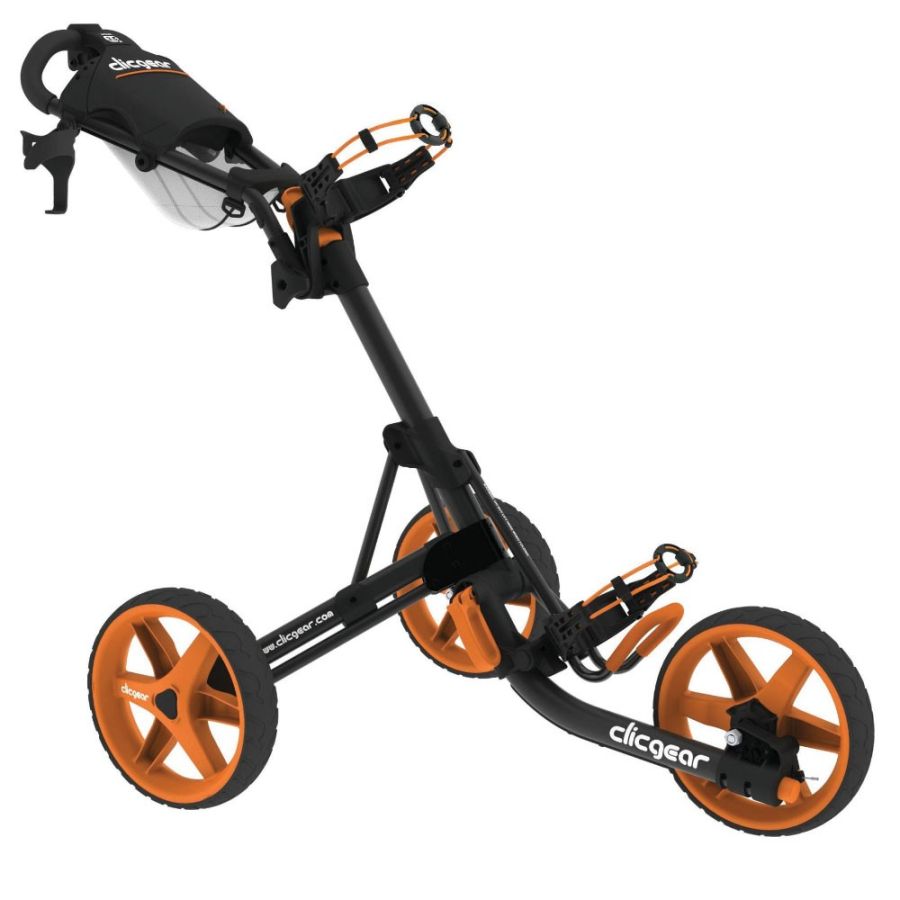
Push trolley vs electric trolley: is the extra money worth it?
One asks you to push your own clubs up the hill. The other does it for you, for nearly three times the price. How to tell which one you actually need.
Review
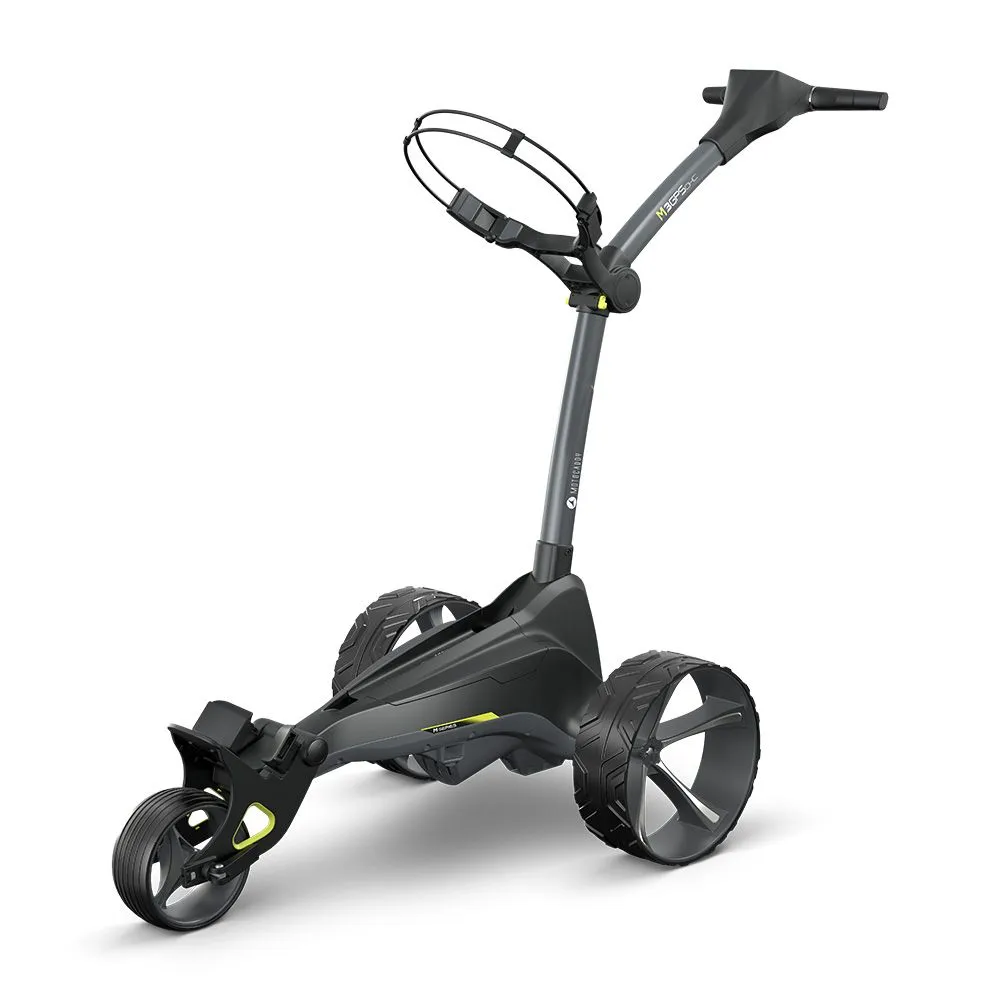
8.4/10The Motocaddy I would actually buy is the one in the middle
The screen is the bit you pay extra for. Downhill control is the bit that earns its money, and on this model it costs less than the trolley above it.
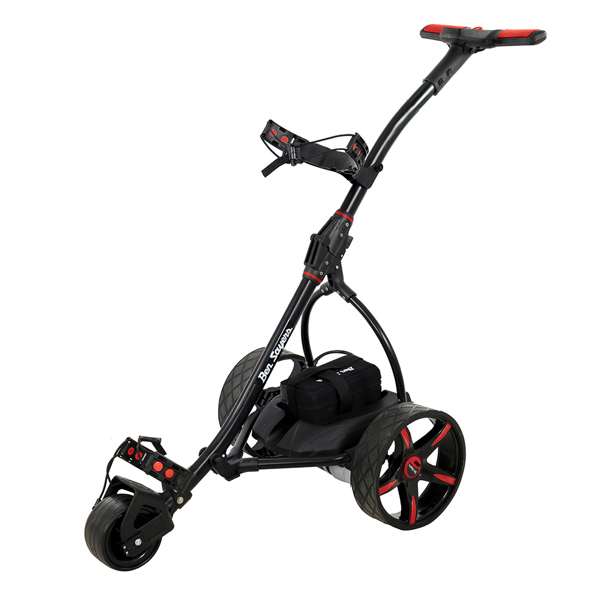
Versus
Ben Sayers Lithium vs Motocaddy QB2: is the cheapest electric trolley a false economy?
Every electric trolley conversation on this site has been held at the expensive end. Here is the one most club golfers are actually having, between a budget lithium trolley and the best compact push cart in the shop.