
An electric trolley is the best money I've spent on golf
Not the clubs, not the gadgets. The thing that made me enjoy walking 18 again was the least glamorous purchase in the bag.
By Dan Mercer · Editor
 Opinion
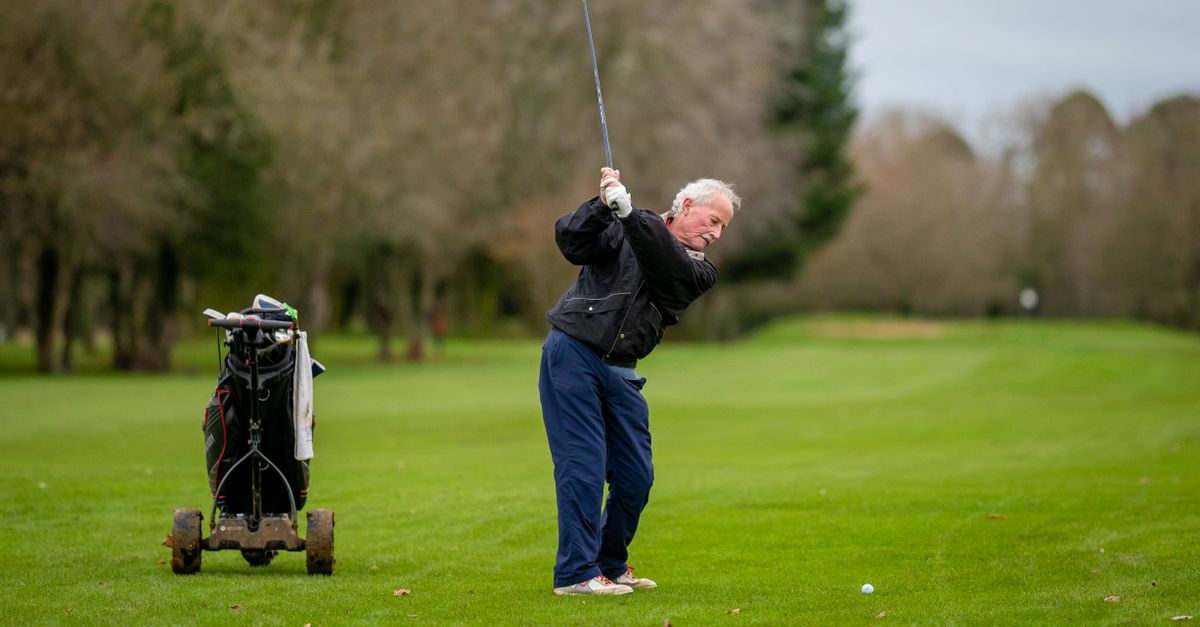
An electric trolley was the best money I've spent on golf — not the clubs, not the gadgets, not a single one of the launch monitors I've talked myself into over the years. It let me arrive at the 16th with the legs and focus to still play, instead of limping through the closing holes nursing whatever the round had left of my back. The pitch is unglamorous but it's true: it protects the energy your swing and your decisions need late in a round. It's emphatically not for everyone, and I'll be honest about who should keep their money. But for a lot of us it's transformative, and here's why I came round.
The snobbery I got wrong
I resisted one for years — real golfers carry, don't they? — and I was an idiot about it. There's a quiet status game in golf where the carry bag is a badge and the trolley is for people who've given up, and I bought into it completely. The first round pushing a powered trolley instead of hauling fourteen clubs and a dozen balls on one shoulder, I shot the back nine I'd usually struggle through, and the reason was embarrassingly simple: I wasn't cooked. Same swing, same course, same handicap. The only variable I'd removed was the slow drain of carrying, and it turned out that drain had been quietly costing me two or three shots a round for years. That's the whole thing in one round — energy kept for golf, not spent on luggage.
What surprised me most was how invisible the cost had been. Carrying doesn't hurt in a way you'd point to; it just sits in the background, and by the 14th your swing has shortened, your tempo has crept up and your patience has thinned, and you blame your technique. Take the bag off your back and those late mistakes don't vanish entirely — I'm not pretending a trolley plays your shots — but they shrink noticeably, because you're choosing clubs and targets with a clear head instead of a tired one. For me that was worth more than any club I'd ever bought, and clubs are where I'd previously thrown all my money.
The unglamorous mechanism
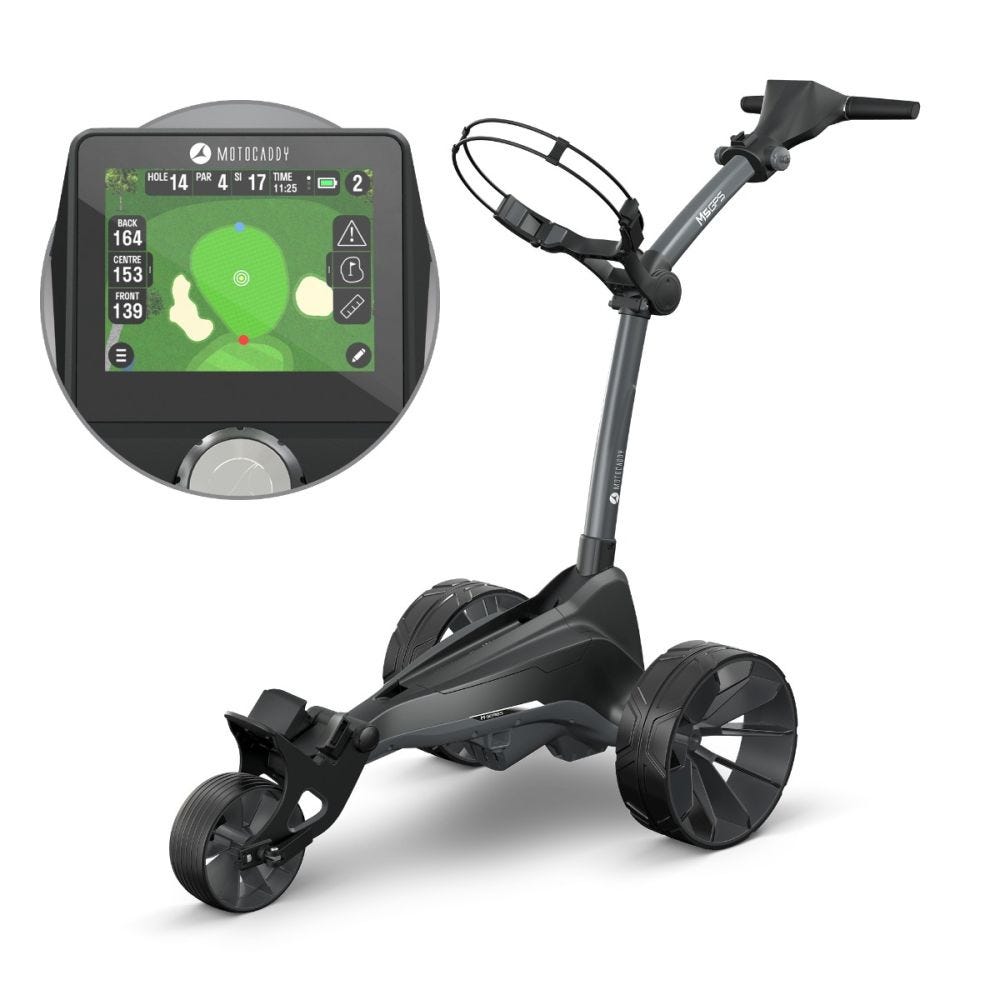
Here's why it works, and it isn't complicated. Carrying a bag fatigues you, and fatigue late in a round wrecks tempo and decision-making far more than any flaw in your equipment. The tired swing gets quick and handsy; the tired brain takes on the sucker pin and the three-wood it can't hit. Take the physical load off entirely — and an electric trolley takes more off than a push cart, because your legs aren't even driving it round — and you protect the exact part of your game that collapses when you're spent. A good Motocaddy M5 GPS covers 18 comfortably on its lithium battery (with headroom for 36 if you charge between rounds), pulls the bag across nine speed settings without a sound, and even puts hole maps and front-mid-back yardages on a screen in the handle so the walk is genuinely brain-off. It's not laziness. It's stamina management, and stamina is a skill the scorecard rewards.
The thing it isn't
Let me head off the obvious counter. An electric trolley won't add a yard to your drives, won't straighten your slice, and won't roll a putt in for you. If you're flush with cash and looking for performance, the money is better spent on a fitting or lessons — full stop. What it buys is consistency across four hours: the difference between the player you are on the 1st and the player you become on the 17th. One practical caveat worth knowing before you spend: true downhill braking (Motocaddy's DHC) is a separate, dearer trim, not standard on the base M5 GPS. On most courses the speed dial handles descents fine and you'll never miss it; if your club is built on the side of a mountain, budget up for it rather than assuming the base model brakes itself.
Who shouldn't bother
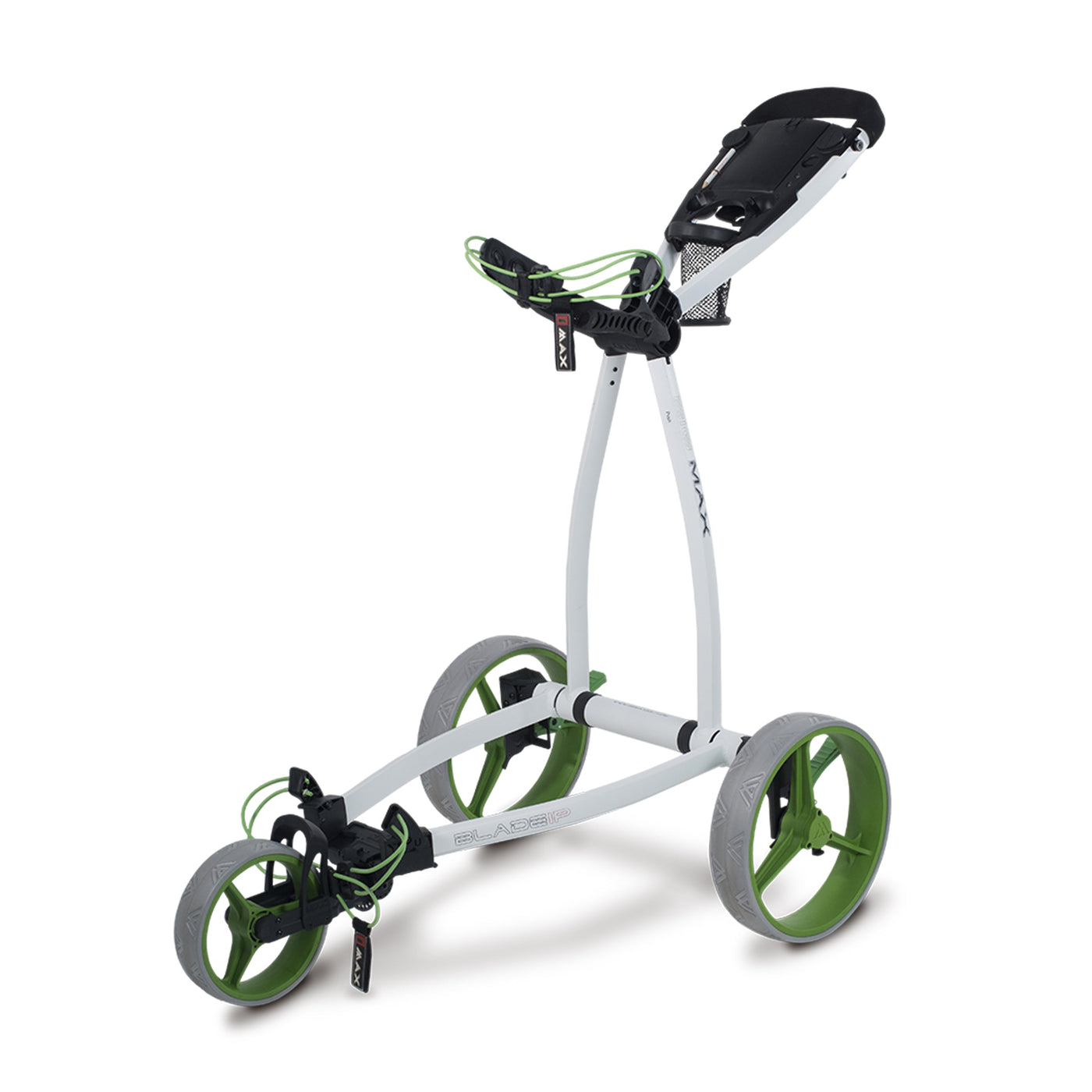
Plenty of golfers, and I won't pretend otherwise. On a flat course with a healthy back, a push trolley like the Big Max Blade does most of the job for a quarter of the price, folds flatter, never needs charging and is lighter to lift into the boot. If you only play nine, or you walk for the exercise and the bag has never bothered you, save the money — you'd be paying four figures to fix a problem you don't have. And if you ride a buggy anyway, none of this applies. The push-vs-electric decision comes down to exactly those questions about your course and your body, and the honest answer for a lot of fit golfers on flat courses is 'push, and spend the rest on golf'.
The honest verdict
It won't lower your handicap on paper, and I'd never sell it as if it would. But it'll let you play your actual game on the closing holes instead of a tired imitation of it, and — the part I didn't expect — you'll enjoy the walk again, because you're not gritting your teeth through the last few holes wishing you'd stayed home. That matters more than the scorecard admits.
If you take one thing from a golfer who spent years being wrong about this: buy for how often and how hard you actually walk, not for the version of yourself you picture in the shop. If you walk 18 most weeks and your body has started to notice, the cost spread across years of fresher closing holes is far easier to justify than the four-figure sticker suggests — and you'll wonder, as I did, why you held out so long over a point of pride. If you've decided electric is for you, weigh the two brands worth buying in Motocaddy M5 vs PowaKaddy CT8, and the full field sits in our best electric trolleys guide.
Products mentioned in this article
Motocaddy
Motocaddy M5 GPS Electric Trolley
The one I rate — GPS, downhill control, a battery that laughs off 18.
Big Max
Big Max Blade IP 2 Push Trolley
If the budget says no to electric, a great push trolley is still a win.
PowaKaddy
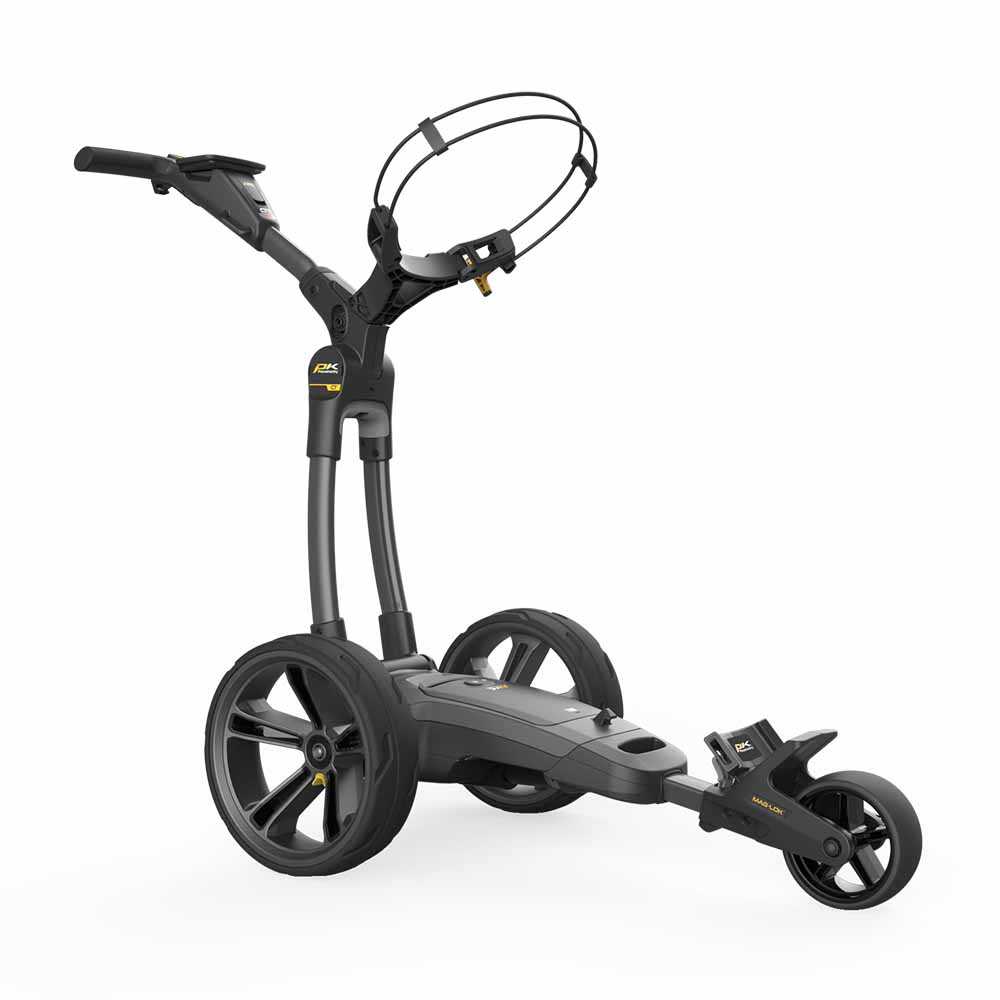
PowaKaddy CT8 GPS Electric Trolley
GPS baked into the handle and a compact fold — the obvious Motocaddy rival, often with the better screen.
Motocaddy
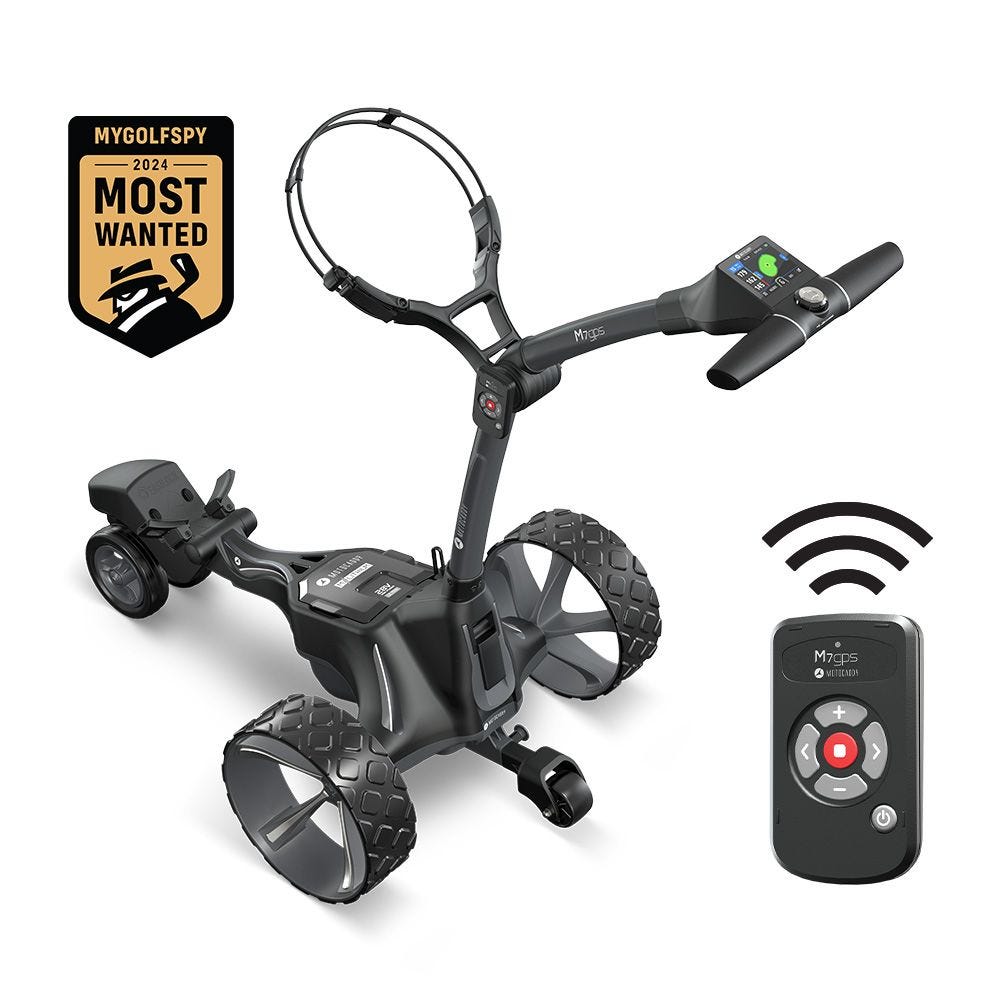
Motocaddy M7 GPS Remote Electric Trolley
Step up to remote control: it follows you or drives ahead at the touch of a button. Pricey, but a genuine luxury.
ifrothgolf earns a commission on purchases made through these links, at no extra cost to you. It never changes what I recommend. Full disclosure.
Frequently asked
- Is an electric golf trolley worth the money?
- If you play hills, your back struggles, or you fade late in rounds, genuinely yes — it preserves the energy your swing and decisions need on the closing holes. On a flat course with a healthy back, a push trolley is enough.
- Isn't using an electric trolley a bit lazy?
- No — it's stamina management. Carrying fatigues you, and late-round fatigue wrecks tempo and decisions more than any equipment flaw. You keep that energy for your golf.
- Electric or push trolley?
- Push for a flat course, healthy back and tighter budget; electric for hills, a sore back, or if you tire late. Both beat carrying once your body starts to feel it. A push trolley is roughly a quarter of the price of a do-it-all electric, so let your course and your body decide rather than the spec sheet.
- Does an electric trolley make you a better golfer?
- Not on the range or in your technique — it adds no distance and won't fix a slice. What it does is preserve your energy so the player who arrives at the 17th is closer to the one who teed off on the 1st. The gain is consistency across the round, not raw skill.
Read next
Versus
Push vs electric trolley: which is actually worth it?
One saves your back for not much money; the other saves your legs for rather more. How to spend wisely on carrying nothing.
Review
8.8/10Motocaddy M5 GPS review: the electric trolley that does the thinking
GPS course maps, downhill control and a battery that shrugs off 36 holes — the do-it-all electric trolley most walkers should buy first.
Versus
Motocaddy M5 GPS vs PowaKaddy CT8: the electric trolley to buy
The two brands that own the fairway, head to head — it comes down to the screen, the fold and how your course slopes.