Latest stories
Everything we've published — news, reviews, comparisons and explainers — newest first. Keep going to page back through it all.
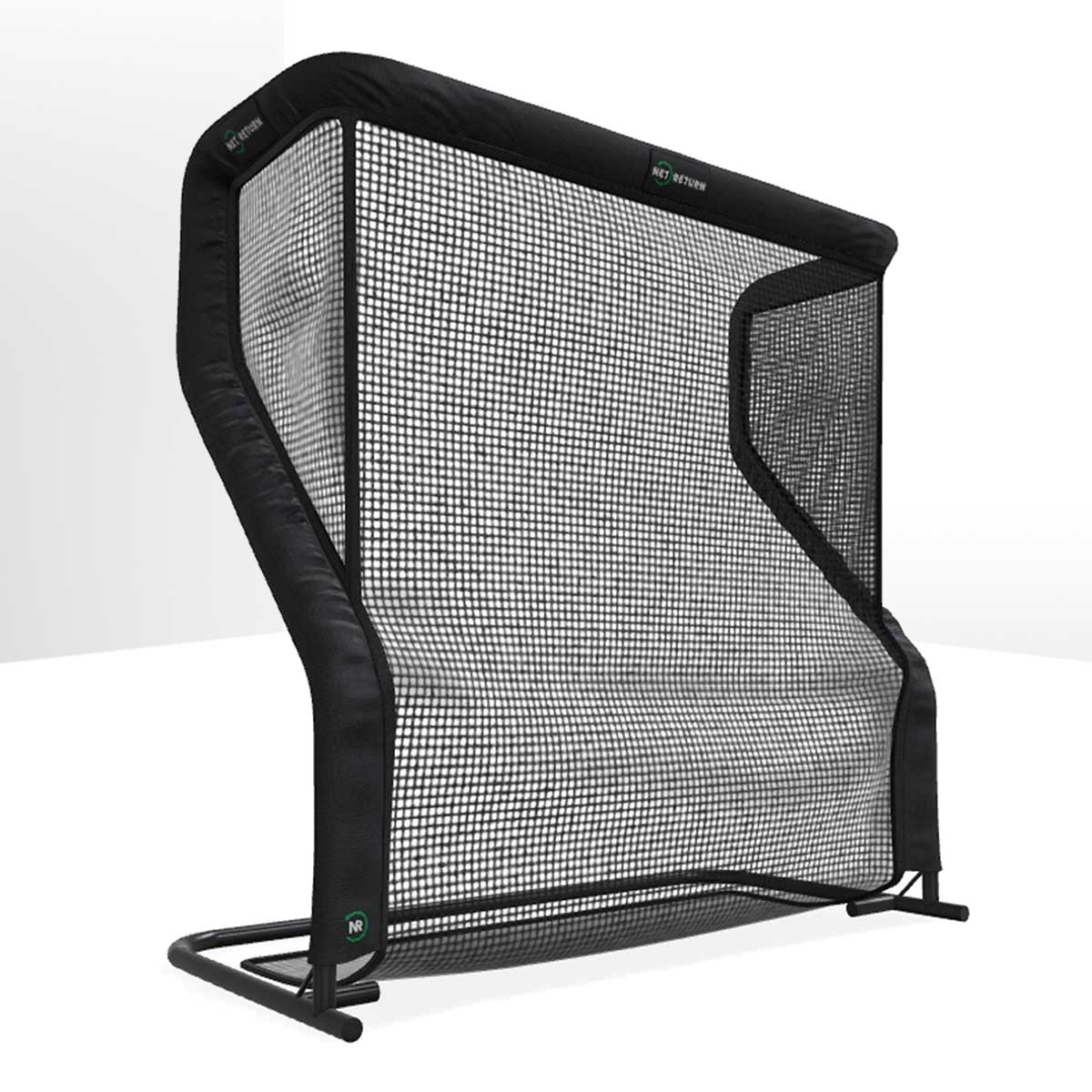
The Net Return Pro Series V2 review: add its own screen and it costs what a DIY enclosure does
The 8-by-7.5-foot Pro is the size most garages should buy, it stands in three and a half feet of floor, and adding The Net Return's own simulator screen brings it level with a Carl's Place DIY kit. Which one you want depends on whether winter is for practising or for playing.
By Ben Marsden
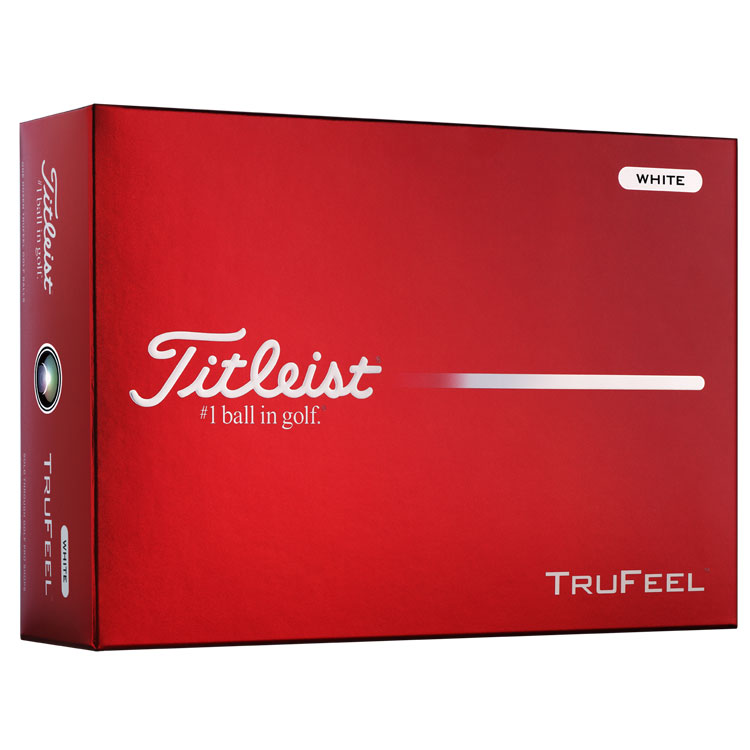
Titleist TruFeel vs Srixon Soft Feel: one flies low, one mid-high, and a slower swing wants the higher one
Titleist's 2026 TruFeel and Srixon's Soft Feel cost the same and are both two-piece, so price isn't the difference. Flight is: Titleist builds the TruFeel to fly low and penetrating, Srixon builds the Soft Feel to fly mid-high at a published 58 compression, and that decides it for most golfers.
By Ross Hamilton
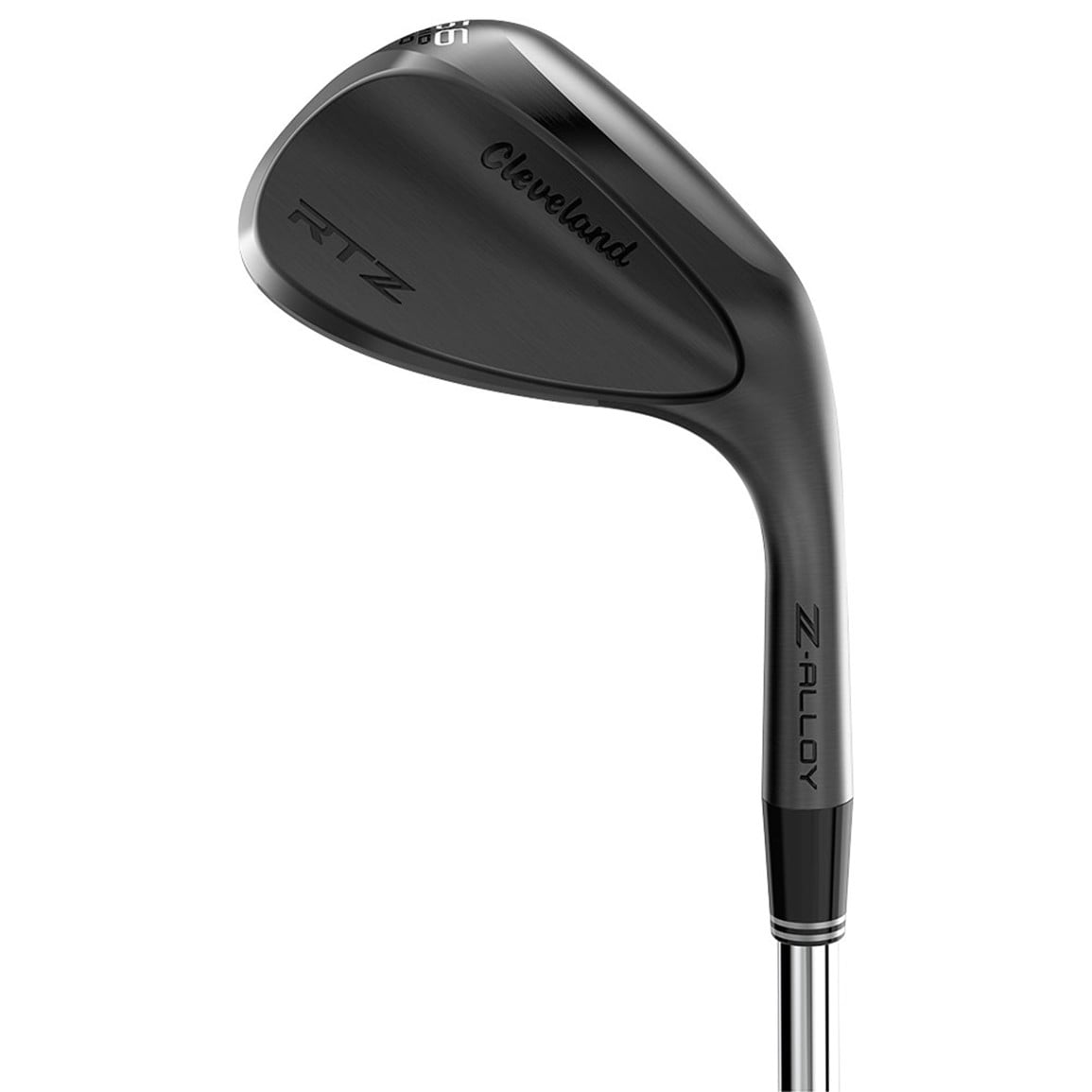
Cleveland RTZ review: in 11 of the 80 tour bags we track, and marked down now that RTZ 2 is out
Eight tour pros in our records carry RTZ as their entire wedge set, Ryan Fox won the Open with it, and Cleveland has just cut the price because RTZ 2 went on sale on 4 September. The new one changes the grinds, not the steel, which makes the old one the buy for most golfers.
By Ben Marsden
TaylorMade Spider Tour X vs Scotty Cameron Phantom 12: three neck options against one, and the one is built for a straight stroke
Two big tour mallets at similar money. The Spider comes with 21 degrees of toe hang, 30 degrees or face-balanced; the Phantom 12 comes one way. The face, the aim line and what the tour bags we track say about each.
By Ross Hamilton
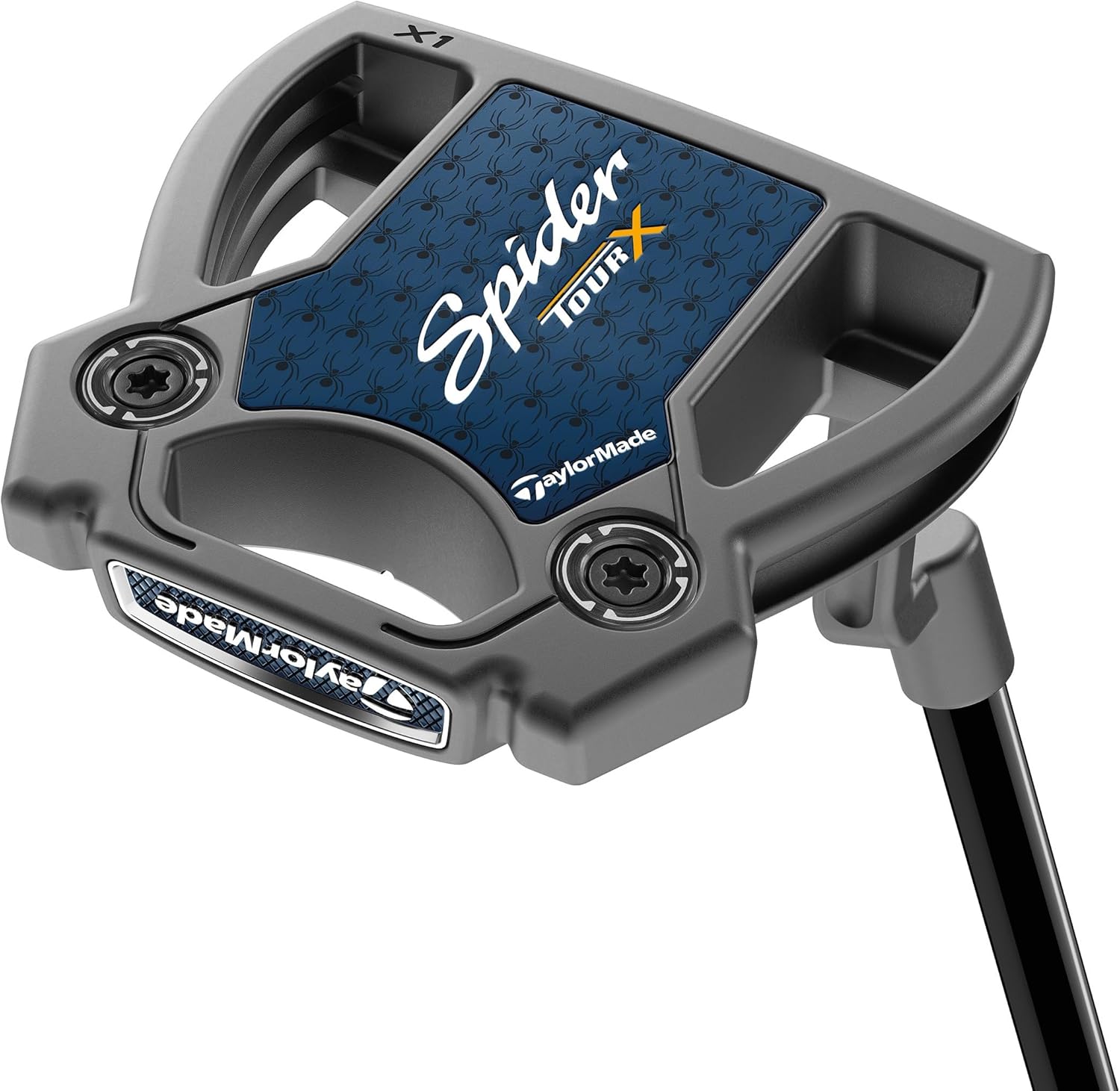
A record 49 mini drivers played the Dunhill Links. In the tour bags we track it is 11 of 80, and 8 of them carry no 3-wood
Brooks Koepka retired his 2017 3-wood for a mini driver in Scotland and the winner carried a Ping prototype. Across the 80 tour bags we maintain the share is half the Dunhill's 29 per cent, and the club it replaces is clear.
By Tom Whitaker
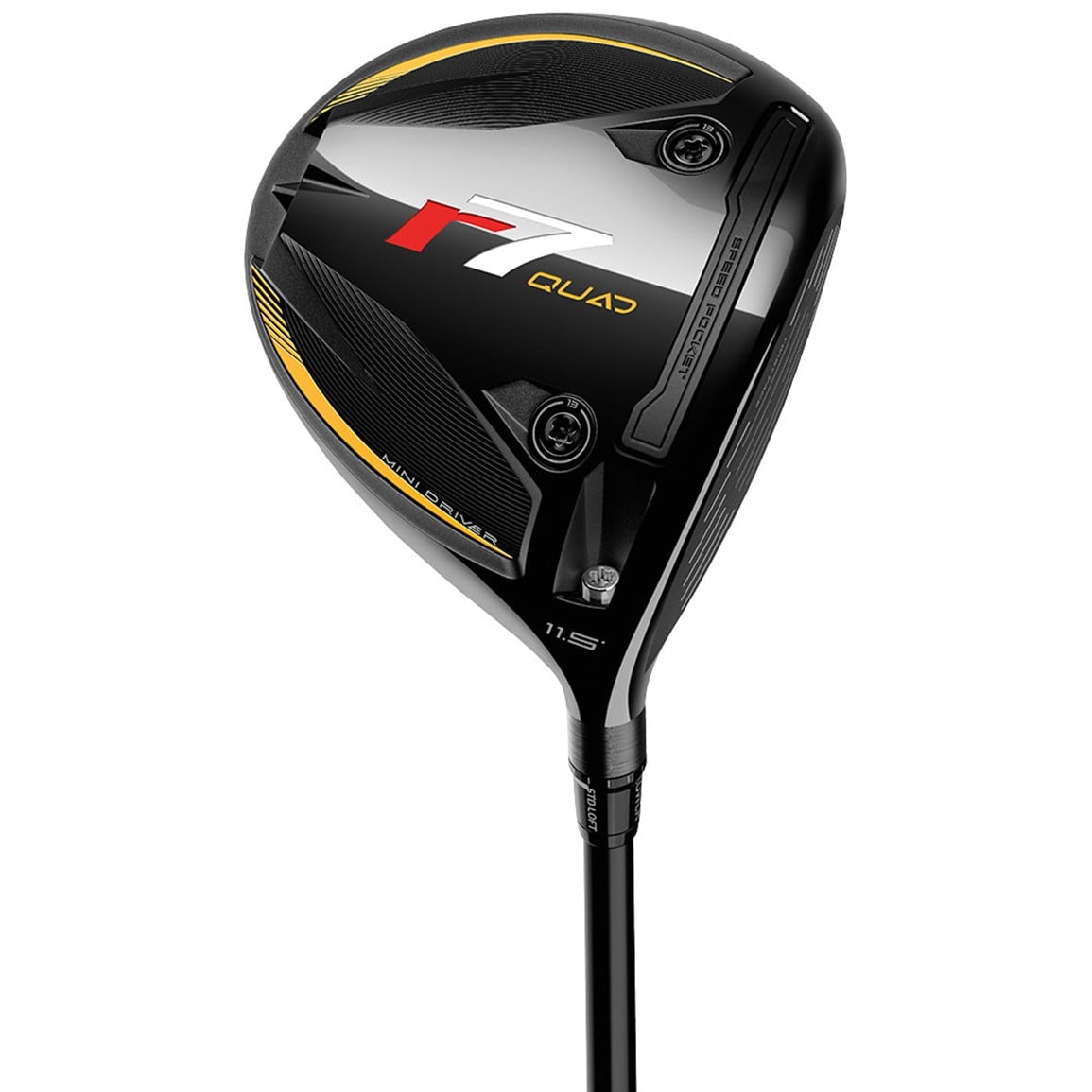
Foresight GC2 review: Foresight's camera-measured ball data at SkyTrak money, with the club data left out
Two high-speed cameras, a screen on top and the same optical method as Foresight units costing four times as much. It reads the ball and nothing else, Foresight sells it to US buyers only for now, and the software most people will want is a yearly bill.
By Ben Marsden
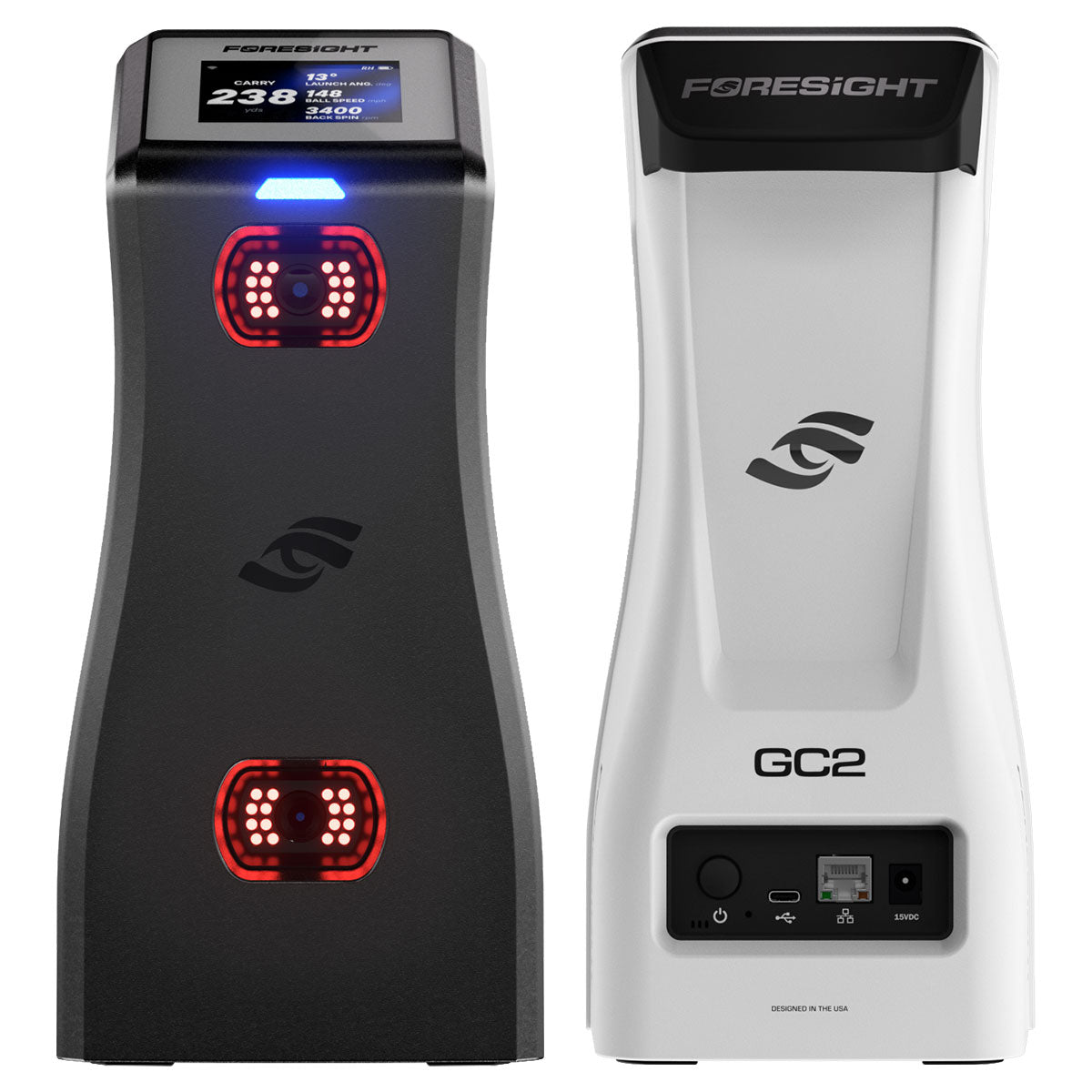
Callaway Quantum Mini Spinner review: the high-spin 7-wood that replaces a hybrid when long approaches won't stop
A wood built to add spin rather than shed it, in 21, 24 and 27 degrees. The early tests agree it holds greens. The catch is a fixed hosel, so the loft you buy is the gap you get.
By Ben Marsden
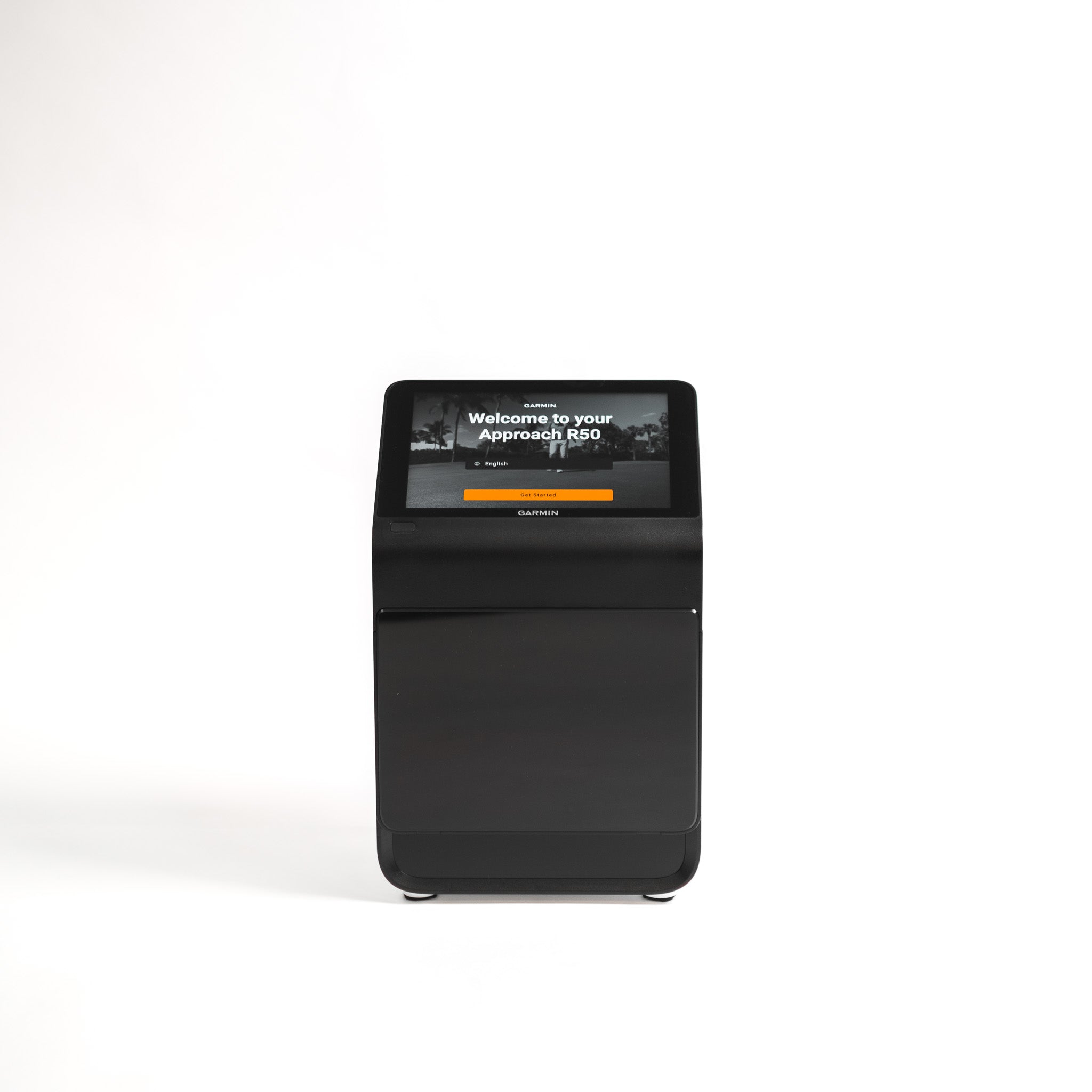
Garmin Approach R50 vs TruGolf APOGEE: a portable all-in-one sim against a ceiling unit that keeps the floor clear
Two premium camera units with their own software, and one of them is bolted to the ceiling. The R50 needs nothing else to run a round. The APOGEE needs a PC, a permanent room and a commitment to E6.
By Marcus Bell
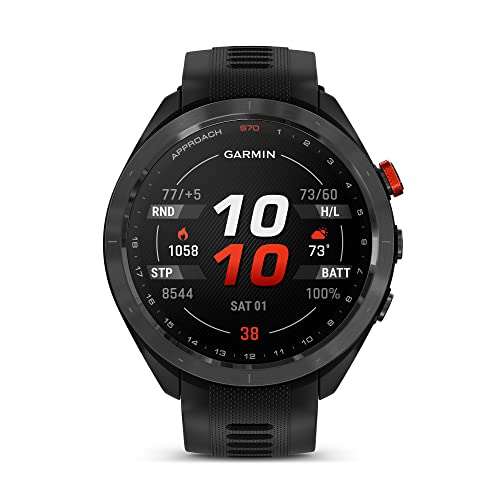
Garmin Approach S70 vs S44: the extra money buys Virtual Caddie and a health watch, not better yardages
Same course database, same AMOLED idea, same front-middle-back numbers. The S70 costs more than double, and almost everything it adds happens either off the course or inside a club suggestion.
By Dan Mercer
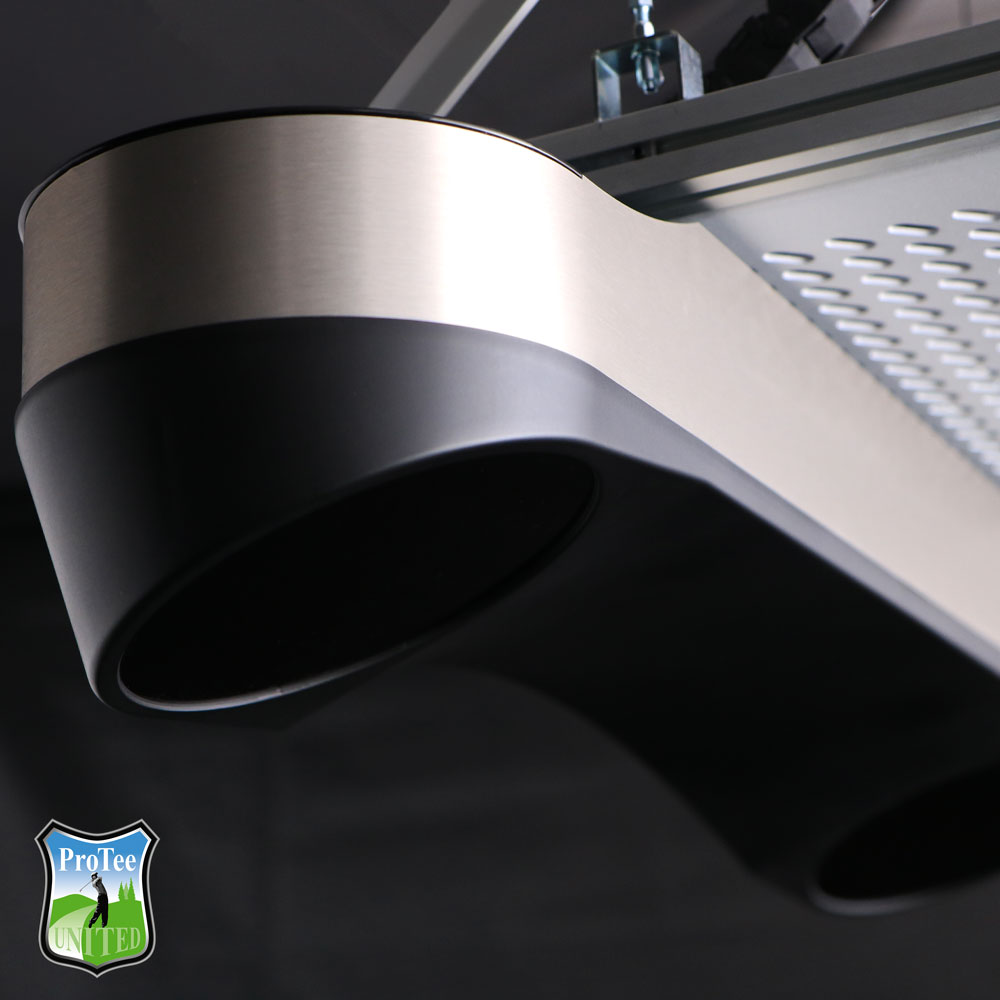
ProTee VX review: overhead club data where the only yearly bill is the course software
A ceiling-mounted camera unit with a hitting zone more than three times the size of Uneekor's EYE XR and no membership to unlock its own data. Play courses on it and you still pay GSPro, but only GSPro.
By Ben Marsden
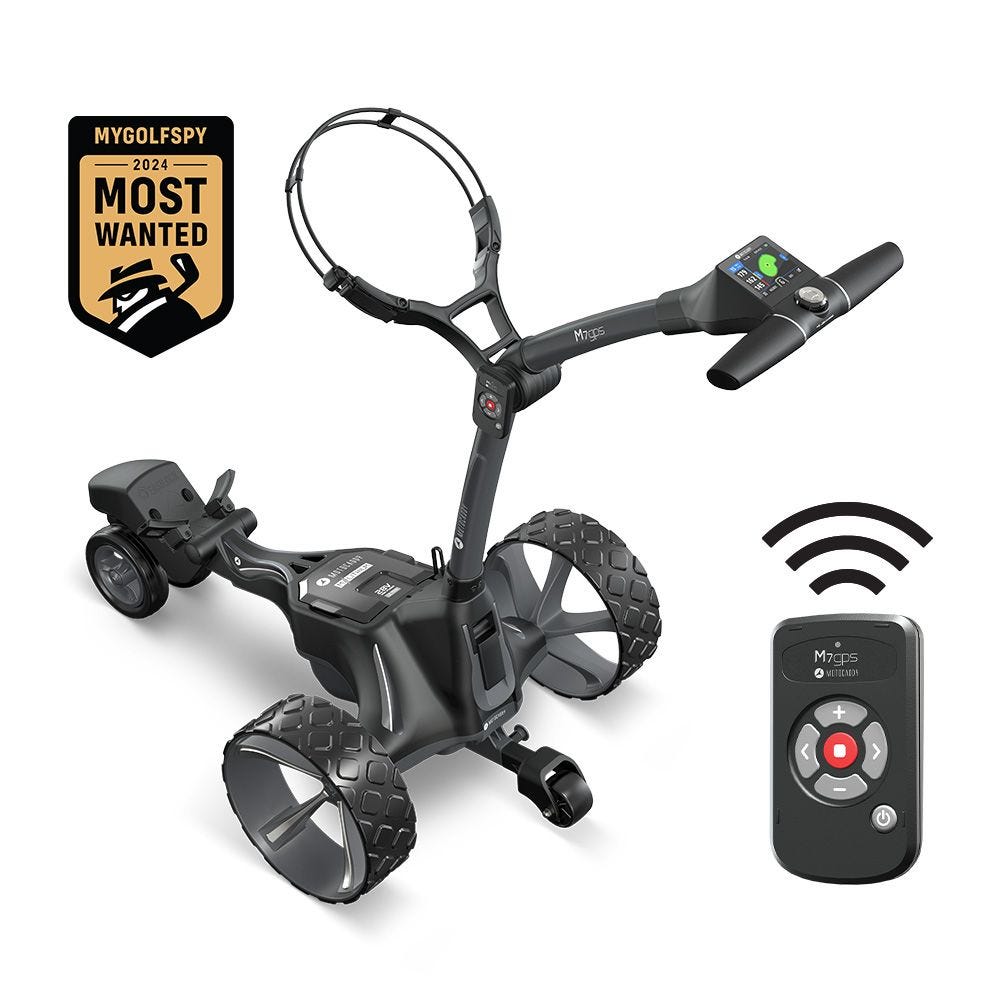
Motocaddy M7 GPS Remote vs Stewart Vertx: same price, so it comes down to the GPS screen and the battery warranty
Two 100-metre remote trolleys at the same list price. One puts a 3.5-inch GPS in the handle and five years of cover on the battery; the other skips the screen for terrain control, a flatter fold and a month to try it.
By Tom Whitaker
17 of the 24 LPGA drivers we track are lofted 9.25 degrees or less, matching the PGA Tour at 19 mph less speed
The women's tour swings at roughly the speed of an average male club golfer, and its median driver loft is the same 9 degrees as the men's. The reason is how the club meets the ball, and it is the part amateurs rarely copy.
By Jordan Hale