
17 of the 24 LPGA drivers we track are lofted 9.25 degrees or less, matching the PGA Tour at 19 mph less speed
The women's tour swings at roughly the speed of an average male club golfer, and its median driver loft is the same 9 degrees as the men's. The reason is how the club meets the ball, and it is the part amateurs rarely copy.
By Jordan Hale · Equipment Writer
TaylorMade
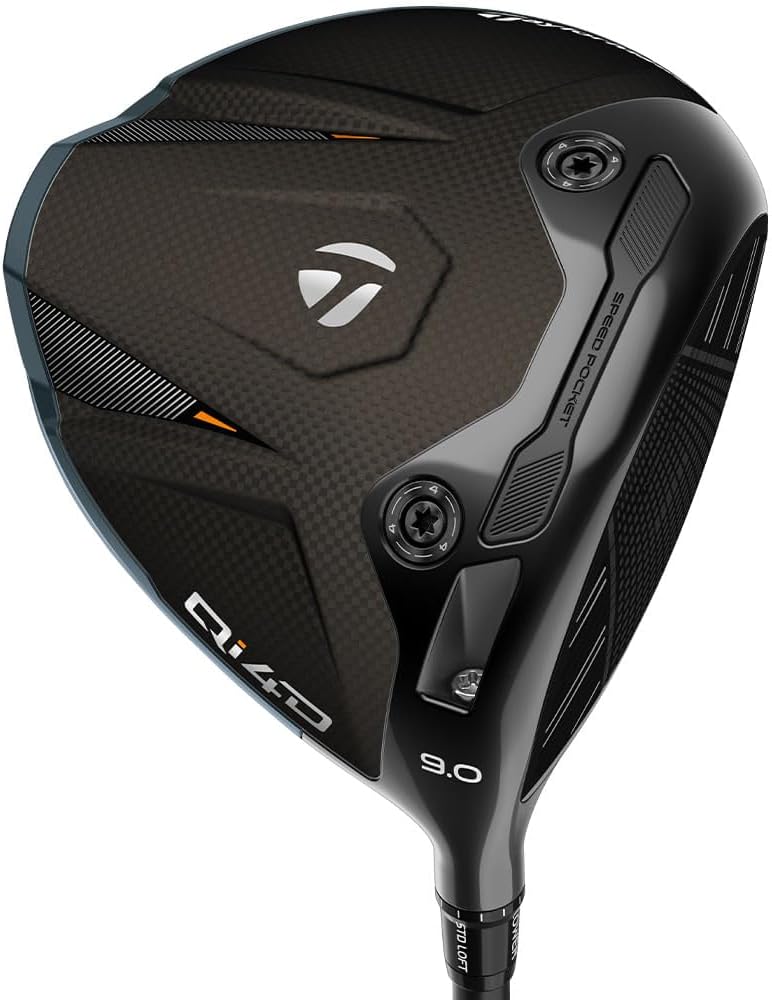
TaylorMade Qi4D Driver
ifrothgolf earns a commission on purchases made through these links, at no extra cost to you. It never changes what I recommend. Full disclosure.
Here is a number that should not work. Trackman's published tour averages put LPGA Tour driver club speed at 94 mph. Trackman's own data on the average male amateur, a 14 or 15 handicapper, puts him at 93.4 mph. Those are effectively the same swing speed. Yet when the LPGA's Asia swing starts at Sheshan for the Buick LPGA Shanghai on 15 October, most of the drivers coming out of those bags will be lofted at 9 degrees, a number most club golfers at that speed have been told is for someone much faster.
We maintain 26 live LPGA Tour bags, each re-verified against named sources and date-stamped on its own page, alongside 42 on the PGA Tour and 12 in LIV. We pulled the driver row from every one and read the stated loft.
The number
17 of the 24 LPGA drivers with a stated loft are 9.25 degrees or lower, and the median is exactly 9 degrees. Thirteen are a flat 9. Three are stronger still: Lydia Ko at 7.5, and Charley Hull and Lilia Vu at 8. Linn Grant is at 9.25. Only two sit at 10 (Alison Lee and Hannah Green) and five at 10.5: Rose Zhang, Leona Maguire, Esther Henseleit, Jennifer Kupcho and Nelly Korda.
Why 24 and not 26. Minjee Lee's Callaway Quantum is listed without a loft, so we left it out rather than guess. And Céline Boutier carries no driver at all: her longest club is an 11-degree PXG Secret Weapon mini driver. We kept it out of the driver count because it is a different club, but it is worth noticing that one of the best players in the file decided a driver was not worth a slot.
Two counting calls, stated so you can redo them. Korda's bag lists her Qi4D at 10 to 10.5 degrees, and we counted her in the 10.5 group; put her at 10 and the split becomes three at 10 and four at 10.5. Haeran Ryu plays a 9-degree head with the sleeve turned one click lower, and we counted the head. Counting her playing loft instead adds a fourth sub-9 driver. Neither call moves the 17 or the median. And the usual caveat: this is the set of bags we maintain, not a census of the tour, and 24 is a small base, so one player changing heads moves the share by about four points. Bags change week to week.
The PGA Tour comparison
Run the same count on our 42 PGA Tour bags and you get almost the same shape. Forty state a loft (Akshay Bhatia's and Adam Scott's rows do not). 25 of the 40 are 9.25 degrees or lower, and the median is again 9 degrees. Seven are below 9, eighteen are a flat 9, two sit at 9.4 and 9.5, four at 10 and nine at 10.5.
So 71 per cent of the LPGA drivers we track are 9.25 or lower against 63 per cent on the PGA Tour, and the share at 10.5 or higher is near enough level, 21 per cent against 23. If anything the women's file is slightly stronger-lofted, though at these sample sizes that difference is noise. The fair reading is that the two tours play the same loft. LIV is the odd one out, with a median of 10 degrees across its 12 bags, but twelve bags is too few to lean on.
We have already published the whole-file picture, which tour players across all our bags use and why amateurs under-loft by copying them, in the driver loft piece. The new dimension here is the tour split, and the speed gap that should have pulled the two tours apart.
Same loft, 19 mph apart
Trackman's tour averages, published by GOLF.com, put the PGA Tour at 113 mph of driver club speed and the LPGA at 94. That is a 19 mph gap. Speed is what turns loft into height, so on that alone you would expect the slower tour to carry noticeably more loft to keep the ball in the air. It does not.
The same Trackman table has the answer, and it is attack angle. The PGA Tour average is a slightly descending blow, minus 1.3 degrees. The LPGA average is plus 3 degrees: the women hit up on the driver. That upward strike is why the LPGA's average launch angle, 13.2 degrees, is higher than the PGA Tour's 10.9 from the same 9-degree head. Hitting up adds launch without adding the extra spin that more static loft would bring, and at 94 mph a high launch with moderate spin is how you get the ball to carry.
Now put the average club golfer next to that. Trackman's analysis of Combine data from more than 10,000 golfers puts the average male amateur at 93.4 mph, with an attack angle of minus 1.6 degrees, a launch of 12.6 and spin of 3,275 rpm. Same speed as the LPGA. The delivery is the opposite: he hits down by about as much as the LPGA player hits up, a swing of nearly five degrees in how the club meets the ball. That gap, not the speed, is why a 9-degree head works for Jeeno Thitikul and usually does not work for him.
What the bags say about heads
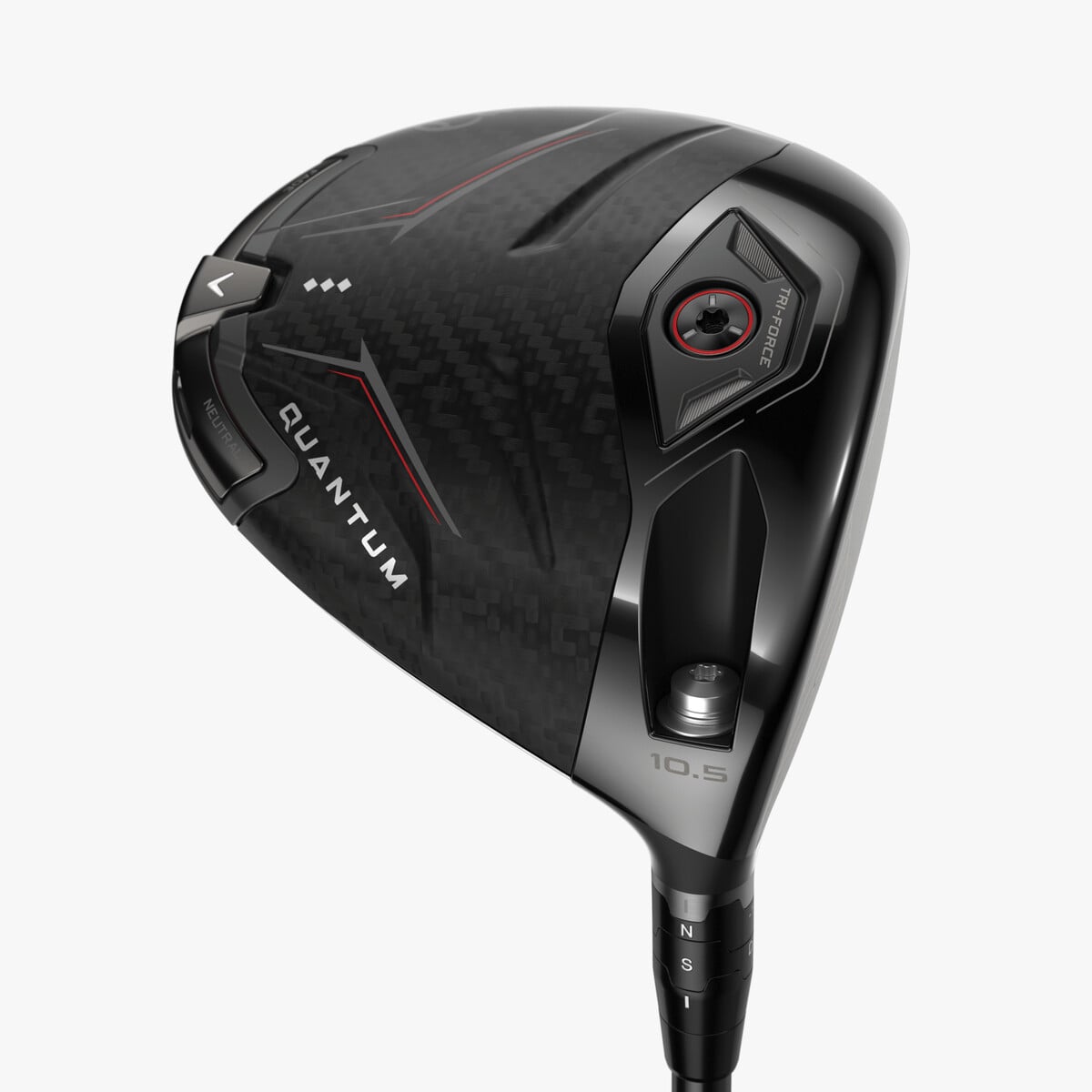
The other surprise is which heads carry those lofts. TaylorMade's Qi4D family is in five of the 24, Korda on the standard Qi4D and Hull, Ryu, Julia López Ramírez and Henseleit on the LS, at lofts from 8 to 10.5. Callaway's Quantum Triple Diamond, a compact low-spin head, is in four, three of them at 9 degrees and Zhang's at 10.5.
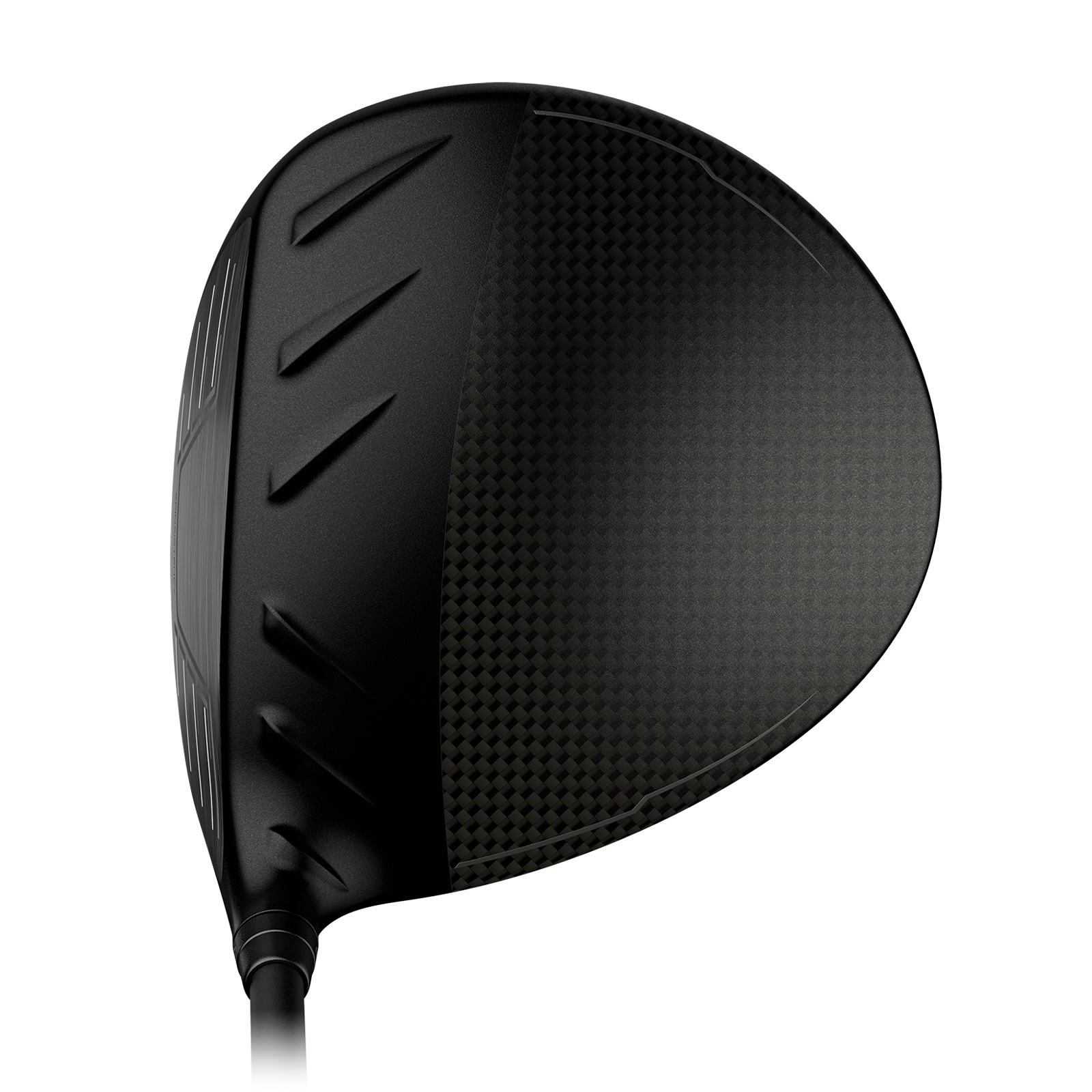
The more interesting pair are the forgiving heads. Ping's G440 K is the highest-MOI driver Ping makes, and our catalogue lists it in 9, 10.5 and 12 degrees. Maja Stark and Lauren Coughlin play it at 9, and Lydia Ko's reads 7.5, below the lowest head Ping lists, so the hosel is doing that work. Allisen Corpuz plays the G440 Max at 9. These are the heads sold to golfers who want help, set at lofts sold as being for golfers who do not.
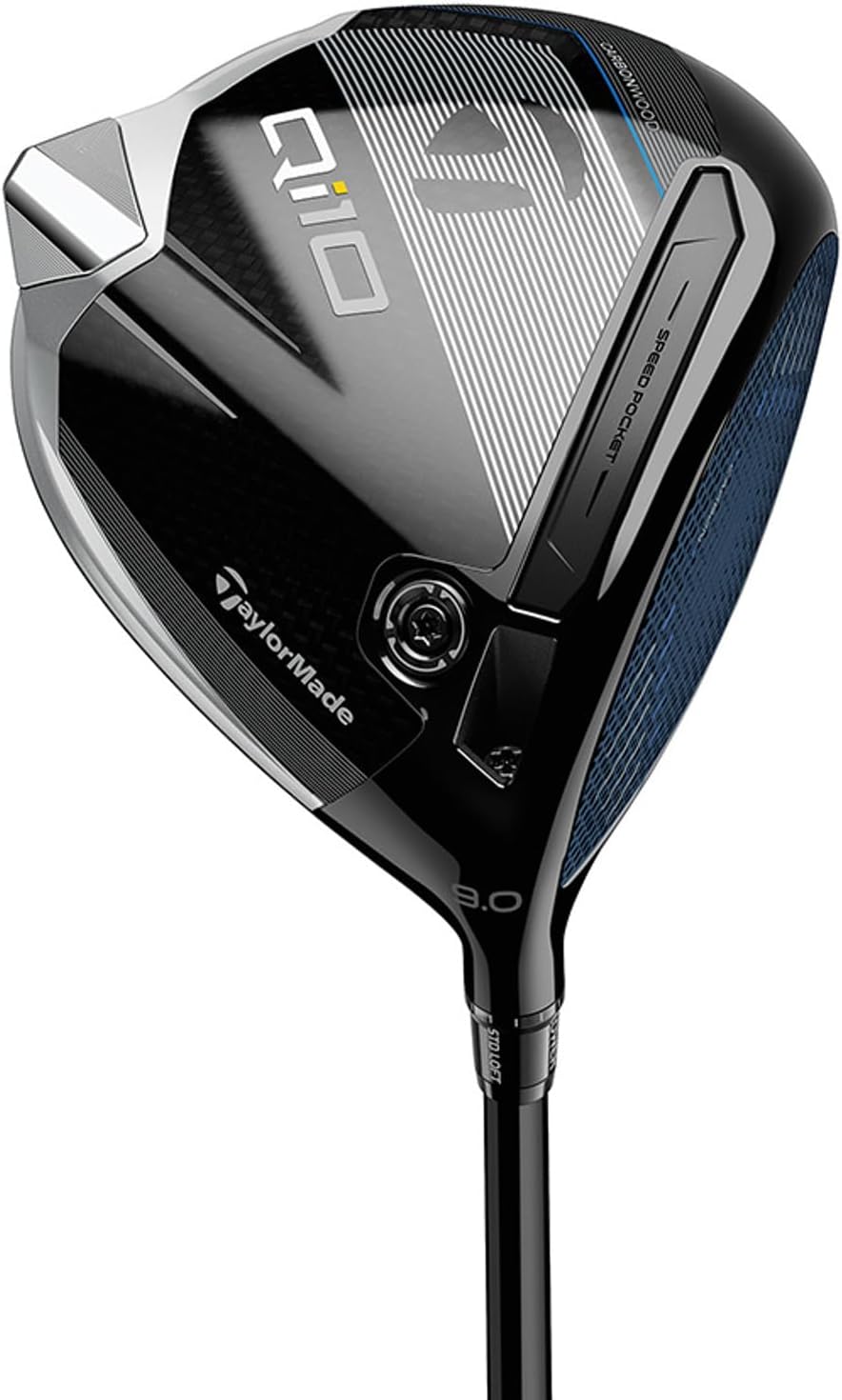
Lilia Vu's Qi10, the previous TaylorMade generation, is at 8 degrees, which is a reminder that loft is a fitting decision and not a speed threshold. Vu is not swinging at PGA Tour speed. She is delivering the club in a way that suits 8 degrees.
What an amateur at that speed should take from this
If your driver speed is somewhere in the 90s, the LPGA is a far better model for your bag than the PGA Tour, and we made a similar case for hybrids in the LPGA hybrid count. The useful lesson from the driver bags is narrower than "play 9 degrees". It is that speed alone does not pick your loft. Attack angle, launch and spin do.
So take the test before you take the loft. On any launch monitor, look at three numbers: attack angle, launch and spin. If you hit up on the ball, launch it in the low to mid teens and keep spin moderate, a 9-degree head at 90-odd mph can be right for you, and the LPGA bags are the proof. If your attack angle is negative, as Trackman's average amateur's is, you are delivering the club like a PGA Tour player at LPGA speed, which is the one combination that needs more loft rather than less.
What not to take: do not buy a 9-degree driver because Nelly Korda's bag looks like yours on paper. Every one of these lofts was fitted, most to a tour-weight shaft, often with the sleeve adjusted off the stamped number. And five of the 24 still play 10.5, including the world-class Korda and Zhang, because their launch and spin asked for it. If you have an adjustable hosel, that is where to start: one setting at a time, checked on a launch monitor. If the shortlist is a forgiving head, the best drivers guide has the current field, and the G440 K at around $550 is the one with the most LPGA bags behind it at 9 degrees.
Products mentioned in this article
TaylorMade
TaylorMade Qi4D Driver
The most common driver family in the LPGA bags we track: Nelly Korda's Qi4D plus the LS head for Charley Hull (8 degrees), Haeran Ryu, Julia López Ramírez (both 9) and Esther Henseleit (10.5).
Callaway
Callaway Quantum Triple Diamond
Callaway's compact low-spin head, at 9 degrees for Jeeno Thitikul, Carlota Ciganda and Ruoning Yin, and at 10.5 for Rose Zhang.
Ping
Ping G440 K Driver
Ping's highest-MOI head, the most forgiving driver on this list, yet Maja Stark and Lauren Coughlin play it at 9 degrees and Lydia Ko at 7.5.
TaylorMade
TaylorMade Qi10 Driver
The previous TaylorMade generation, still in Lilia Vu's bag at 8 degrees.
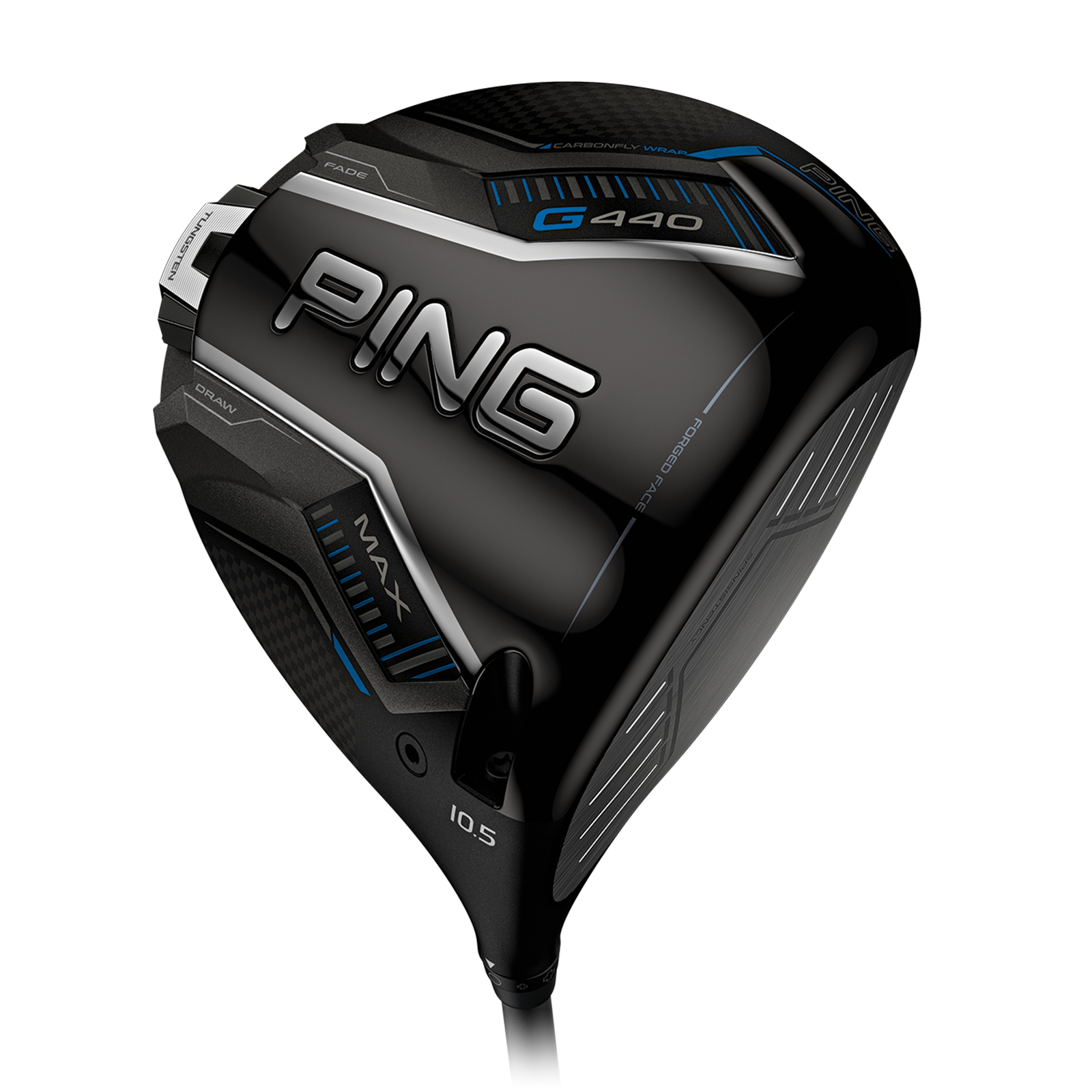
PING
PING G440 Max Driver
Allisen Corpuz plays the forgiving Max head at 9 degrees, which is the whole argument of this piece in one club.
ifrothgolf earns a commission on purchases made through these links, at no extra cost to you. It never changes what I recommend. Full disclosure.
Frequently asked
- What driver loft do LPGA players use?
- Mostly 9 degrees. Of the 26 LPGA Tour bags we maintain, 24 state a driver loft, and 17 of those are 9.25 degrees or lower. Thirteen are exactly 9, Lydia Ko plays 7.5, Charley Hull and Lilia Vu play 8, and Linn Grant 9.25. Two play 10 and five play 10.5, including Nelly Korda and Rose Zhang. The median is 9 degrees. This is our maintained set rather than a census, and bags change through a season.
- Do LPGA players use more driver loft than PGA Tour players?
- No. In the bags we track the two tours have the same median driver loft, 9 degrees. 17 of 24 LPGA drivers are 9.25 degrees or lower against 25 of 40 on the PGA Tour, and the share at 10.5 or higher is about the same, 5 of 24 against 9 of 40.
- Why can LPGA players use 9-degree drivers with slower swing speeds?
- Because they hit up on the ball. Trackman's tour averages put LPGA driver club speed at 94 mph with an attack angle of plus 3 degrees and a launch angle of 13.2, against 113 mph, minus 1.3 degrees and 10.9 for the PGA Tour. Hitting up adds launch without adding spin, so a lower-lofted head still gets the ball high enough to carry.
- Should an amateur with LPGA swing speed use a 9-degree driver?
- Only if they deliver the club like an LPGA player. Trackman's average male amateur swings at 93.4 mph, almost exactly the LPGA average, but hits down at minus 1.6 degrees with 3,275 rpm of spin. A golfer with a negative attack angle usually needs more loft. Check attack angle, launch and spin on a launch monitor before choosing a loft.
Read next
Versus
TaylorMade Qi4D vs PING G440 Max: the 2026 driver decision most golfers get backwards
Two of the year's biggest drivers, cross-shopped in every fitting bay — and most players walk in chasing the wrong thing. One wins the robot test outright; the other quietly saves more rounds. Here's which head actually belongs in your bag, and why the answer probably isn't the one you'd guess.
Opinion
What the 'longest driver of 2026' number won't tell you
Every year a chart crowns one driver the longest, and every year thousands of golfers buy the wrong club because of it.
Opinion
The most overrated gear in golf (and what to buy instead)
Golf is spectacularly good at selling you the wrong thing. Here's where the money quietly leaks out of your bag — and the unglamorous stuff that actually drops shots.