
239 microseconds: the CT test that makes a driver legal, and what it means when you buy one used
A steel ball on a pendulum, a number measured in millionths of a second, and a rule that quietly decides which drivers exist. Here is what it measures, why a face can stop passing it, and what that changes on the second-hand market.
By Jordan Hale · Equipment Writer
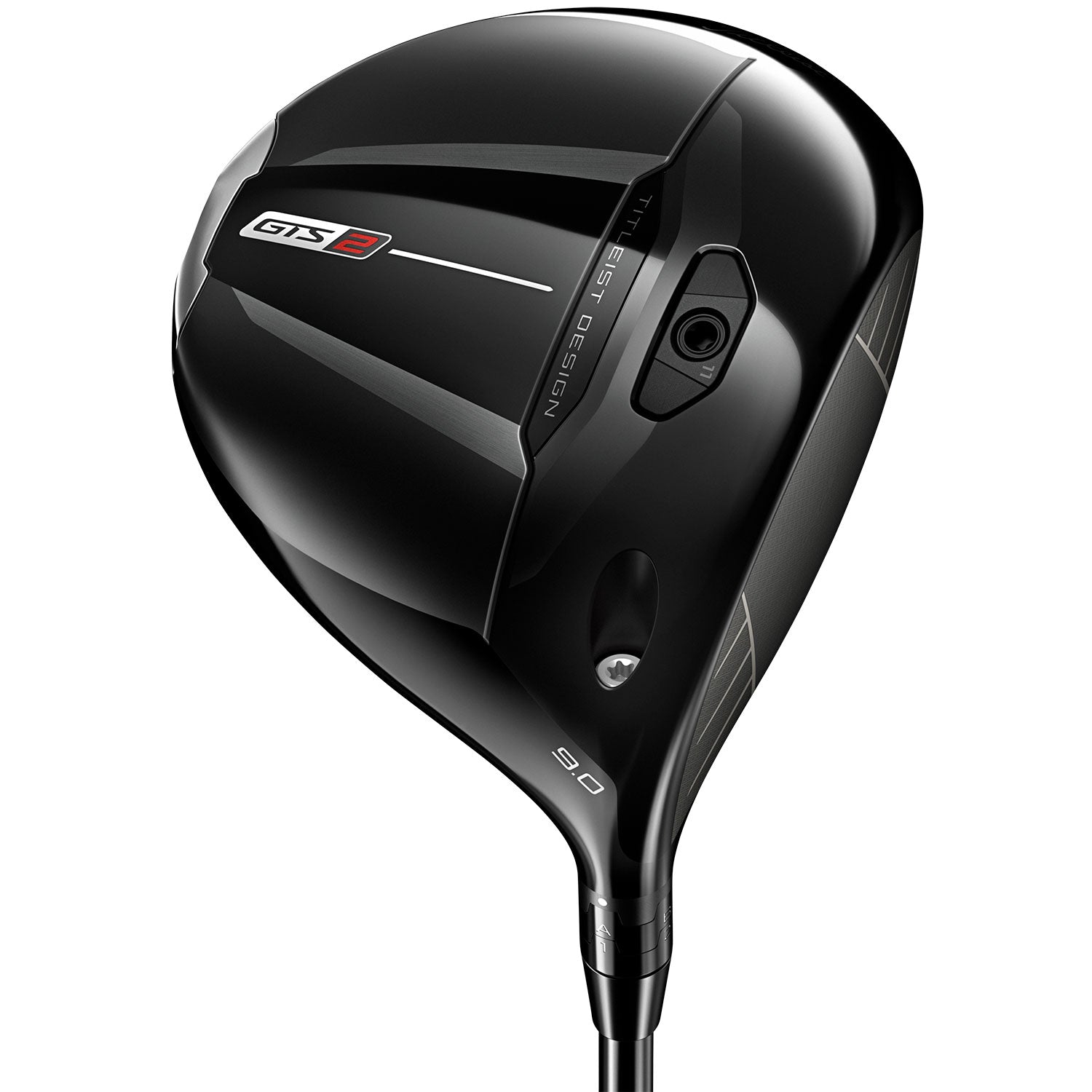
Titleist
Titleist GTS2 Driver
Two of the best players alive had drivers pulled at the 2025 PGA Championship. Not for cheating, not for a caved-in face, not for anything you could see — for a number measured in millionths of a second, generated by a small steel ball swinging into the face on a pendulum. Rory McIlroy and Scottie Scheffler both had heads test over the line. Scheffler said afterwards that he had been playing his for more than a year.
The test is called Characteristic Time, everyone calls it CT, and it is the rule that decides which drivers are allowed to exist. It is also the reason the Takomo Ignis D2 is on sale this month, because its predecessor failed it. Almost nobody outside the equipment world can tell you what it measures, and it turns out to matter most in the one place nobody writes about: the used rack.
What 239 microseconds measures
CT is a proxy for springiness. A driver face flexes at impact and throws the ball back, and the more time the ball spends in contact with the face, the more of that trampoline effect it gets. So rather than try to measure the trampoline directly, the governing bodies measure the contact.
The rig is deliberately simple. The head goes in a vice, a small steel ball on a pendulum is released into the face, and sensors record how long the two are touching. The limit is 239 microseconds. There is a tolerance of 18 microseconds on top, to absorb the variation between machines, heads and the people operating them, which means a driver can read as high as 257 and still be conforming. Today's Golfer's rules explainer lays out all three numbers, and they have not moved: the USGA adopted CT and the portable pendulum in 2004 and the limit has stood since.
That tolerance is the part now in play at the top of the game. On 21 September 2026 the R&A and USGA asked manufacturers to comment on a tour-only Model Local Rule that would test drivers before competition against a flat 239, with no 18-microsecond buffer. It would not change the Equipment Rules, and no driver you can buy would become non-conforming. We have set out all three proposed tour-only limits, and what each one would and would not touch.
On tour, roughly 30 drivers are tested at an event, chosen at random. A head that fails is non-conforming from that moment and cannot be used. There is no penalty and no disqualification for failing — you swap it out and play on — unless a player knowingly put a non-conforming club in the bag, which is a different and much more serious conversation.
Why a legal driver can stop being legal
This is the part that surprises people. Titanium fatigues. A face built thin enough to sit near the limit when new can, under enough high-speed impacts, thin further and flex more. The industry's name for it is CT creep, and it is why Scheffler's year-old driver failed a test his brand-new one would have passed.
The governing bodies have known about this for a while and dealt with it on the manufacturing end rather than by moving the line. When the ball rollback was announced in December 2023, a quieter change came with it: drivers submitted for conformance with CT readings in close proximity to the limit — 251 and up — now have to supply additional samples to prove they will hold up. The limit itself was explicitly left alone. In parallel, the R&A and USGA carry on testing drivers already in play on tour for creep. The logic is sensible: stop heads that are going to drift over from getting approved in the first place, rather than chase them around after the fact.
The important qualifier, and it is a big one: this is a tour-speed phenomenon. Tony Dear's write-up of CT creep puts it plainly — unless you are practising with a driver for hours every day at 120mph or more of clubhead speed, it is not going to reach you. A club golfer will replace a driver for fashion, for a fitting, or because the shaft finally annoyed them, long before the face has been beaten thin.
What that changes when you buy used
Here is where the internet gets it backwards. Every so often a forum thread suggests that a well-used driver off a tour player or a range pro might be a sneaky free upgrade — a face that has crept hot, more ball speed, nobody testing you on a Saturday medal. It is a nice story and it falls apart in three places.
First, you cannot find out. Your pro shop does not have a CT machine and neither does the big-box store; some manufacturers do, and you can post a suspect head to one, which is not a purchase process anybody is running. Second, the odds are against it at your speed, as above. And third — the bit people skip — if a head is over the line, it is non-conforming. Which means it is worth less, not more. It cannot be used in any competition played under the Rules of Golf, and you are holding a driver you cannot enter a club championship with.
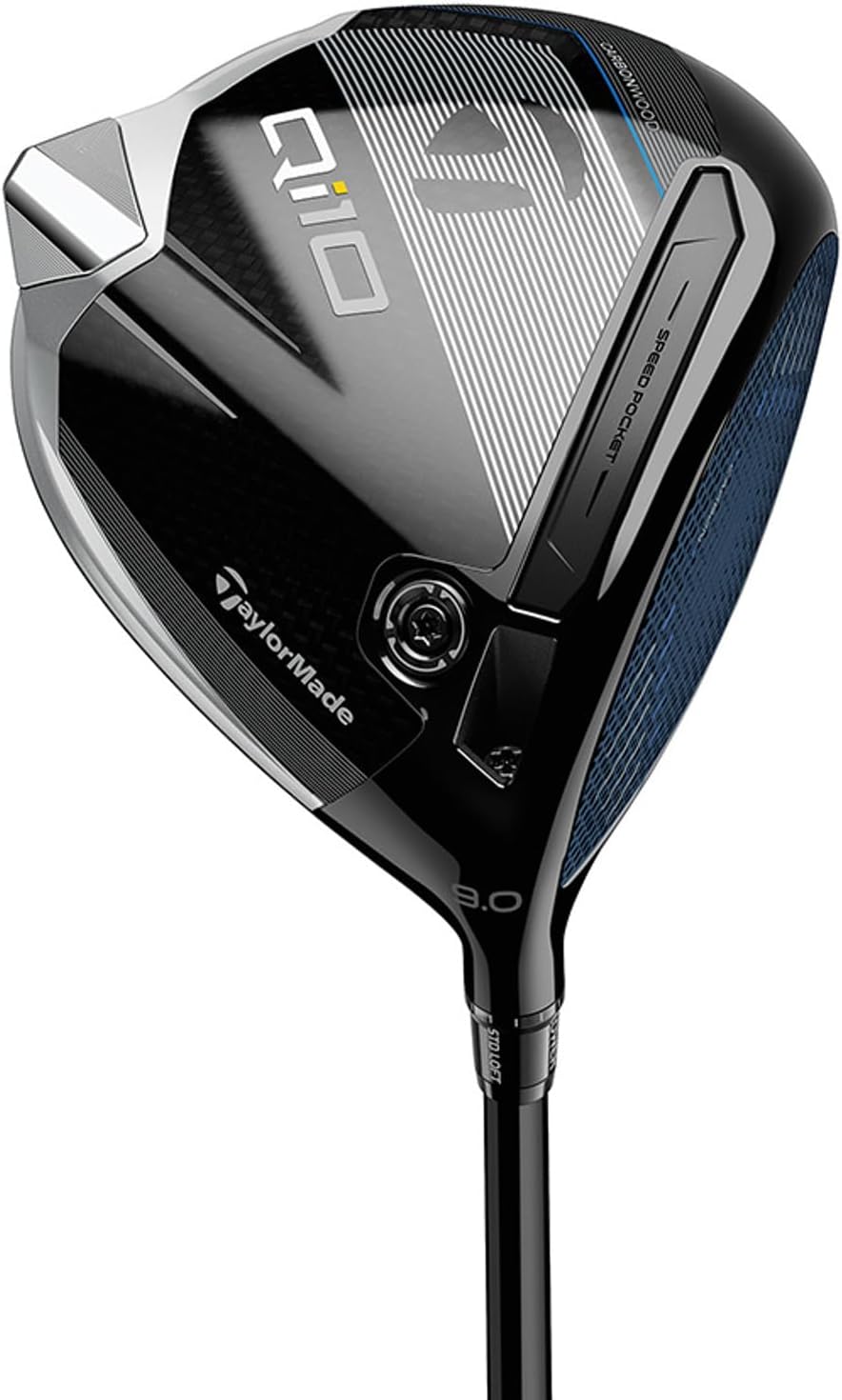
The useful takeaway for a used buyer is duller and more valuable. Check the model, not the face. The R&A and USGA publish a conforming driver list and it is public and searchable. A driver's legality lives at the model-and-head level, and that is the thing you can verify in thirty seconds before you send money to a stranger. A TaylorMade Qi10 off a used rack is a known, listed, conforming head, and the questions worth asking about it are the ordinary ones — is the shaft what the listing says, is the crown chipped, is the sleeve the right one.
The second thing to look at is what the head is doing with its adjustability, because that is where the recent failure came from.
The Takomo case: it was a weight, not wear
The Ignis D1 is the live worked example, and it is instructive precisely because it has nothing to do with face fatigue. Takomo shipped the D1 with three sole weight ports and a set of weights to move between them. Submitted for conformance, some heads went over the CT limit when the heavy weights sat out at the toe and heel rather than in the rear — not all of them, some, which is the signature of a design sitting close enough to the line that normal manufacturing variation could push individual heads across it. Takomo's internal testing had never run that arrangement.
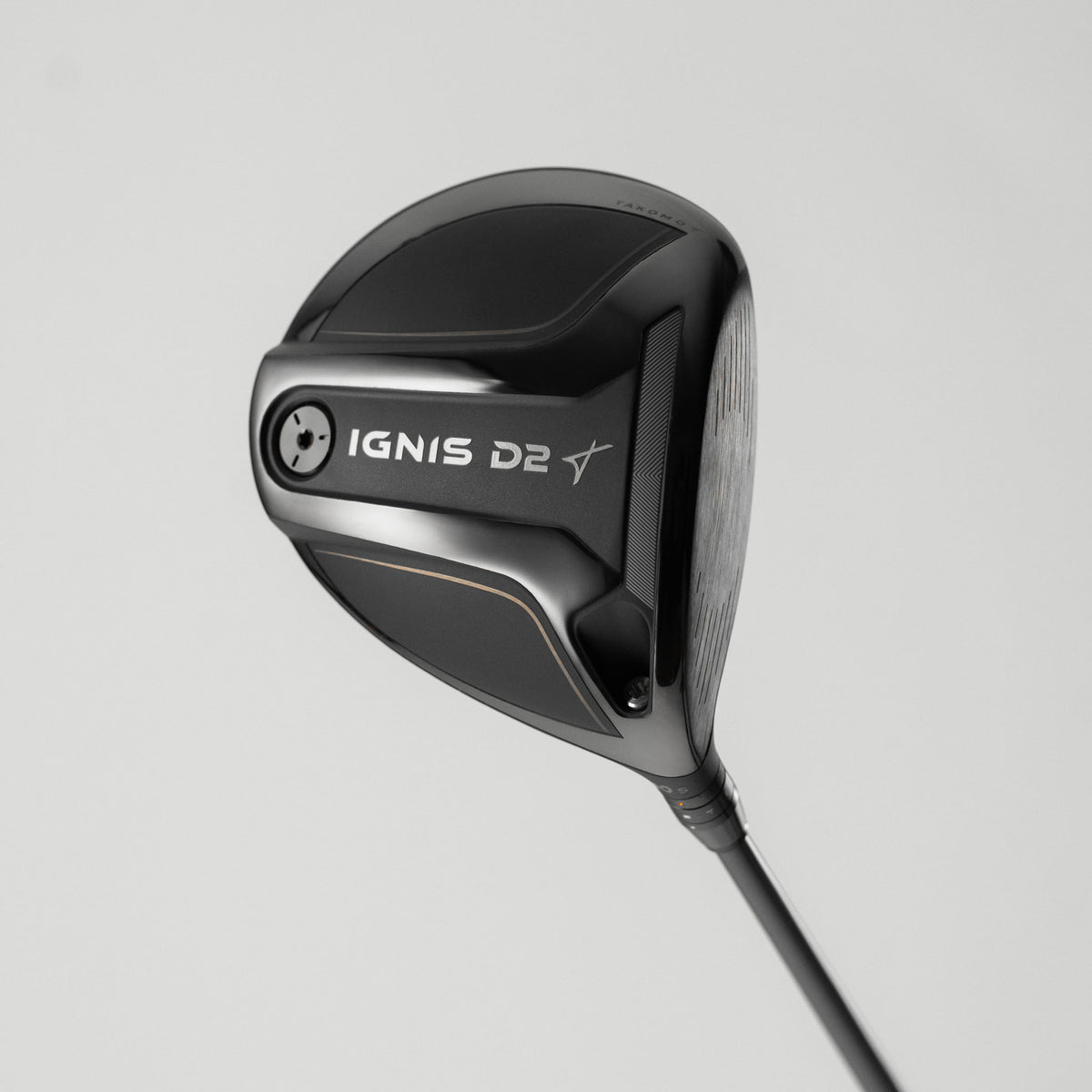
The fix was to remove the option. The D2 has one weight port, in the back. There is no toe position and no heel position, so the failing configuration cannot be assembled. Takomo says the change pushed MOI up rather than down, because the mass the ports used to consume went to the perimeter instead — their number, not an independent one.
What this ought to teach a buyer is that conformance is a property of a head in a state, not just a model name. That is a rare edge case, but if you are buying a used driver with movable weights, the safe move is to check what the listing's photographs show in each port against the configurations the manufacturer actually sells.
The drivers where none of this is a question
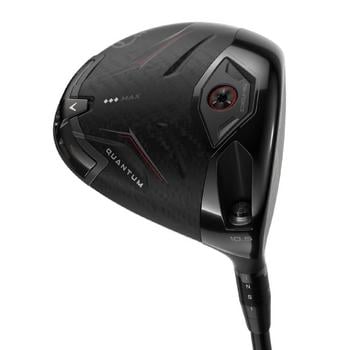
If you would rather not think about any of it, the answer is a current model bought new from a retailer, which is what the vast majority of golfers should do anyway. A Titleist GTS2 or a Ping G440 K is a listed, conforming head with a paper trail; the G440 K's 32-gram back weight moves launch and forgiveness, and face flex is simply not among the things it is allowed to change. The Callaway Quantum Triple Diamond Max is worth a mention for a different reason — its face is built from three materials partly for durability, which is the manufacturing-side answer to the fatigue problem rather than the rules-side one.
And if you want to understand why the governing bodies care this much about a few millionths of a second, the ball rollback is the same argument pointed at the other half of the equation. Faces and balls are the two levers on distance, and CT is how one of them is held still.
Products mentioned in this article
Titleist
Titleist GTS2 Driver
New enough that its conforming status is not a question you have to research before you buy.
TaylorMade
TaylorMade Qi10 Driver
The generation now filling the used racks, which is where all of this stops being trivia.
Takomo
Takomo Ignis D2 Driver
The live worked example: a head that failed on a weight configuration, then had the configuration deleted.
Ping
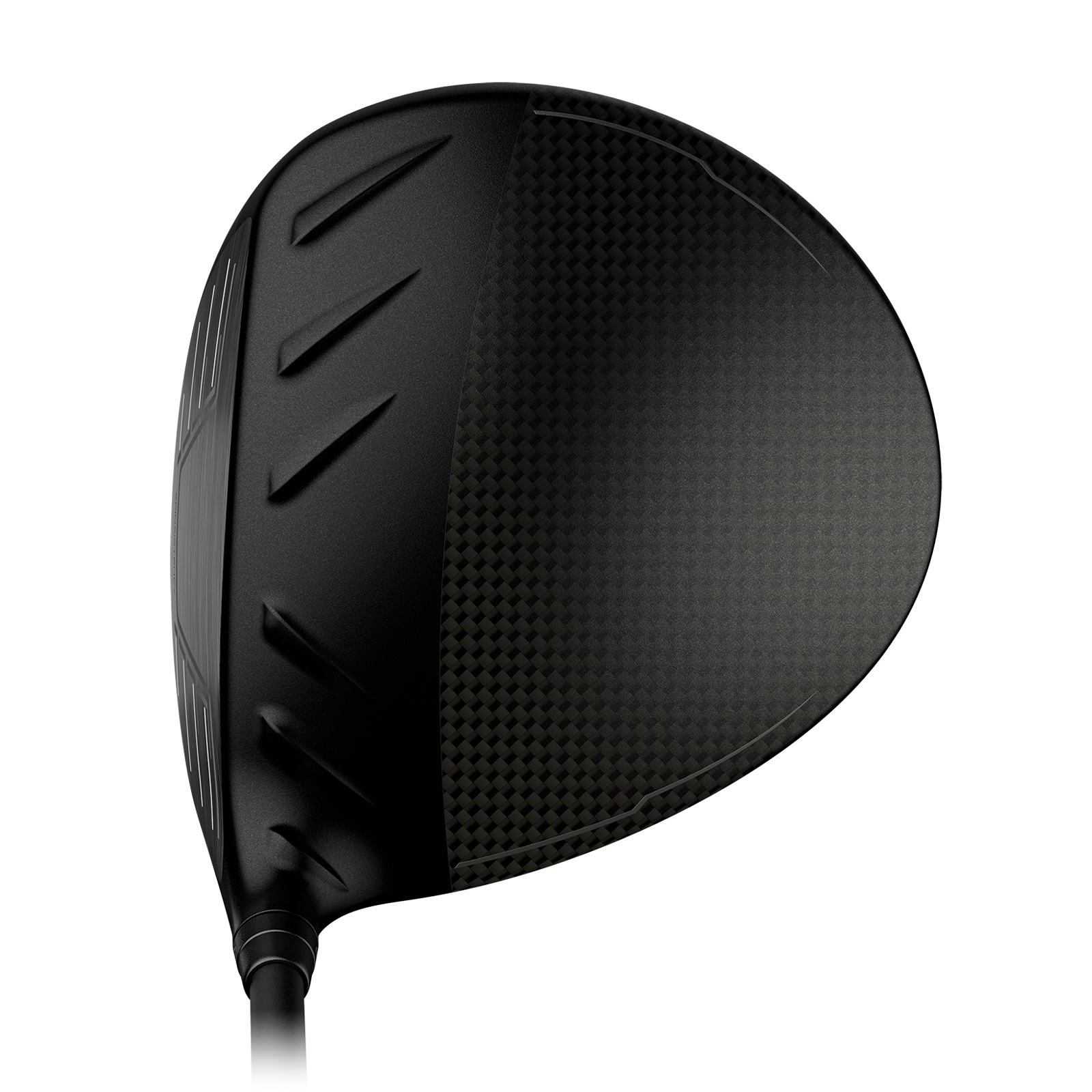
Ping G440 K Driver
Its 32-gram back weight moves launch and forgiveness. Face flex is not on the menu, which is the point.
Callaway
Callaway Quantum Triple Diamond Max Driver
A three-material face built for durability as well as speed — the quiet answer to face fatigue.
ifrothgolf earns a commission on purchases made through these links, at no extra cost to you. It never changes what I recommend. Full disclosure.
Frequently asked
- What is the CT test on a golf driver?
- Characteristic Time is the test that measures how springy a driver face is. The head is clamped in a vice, a small steel ball on a pendulum is swung into the face, and sensors measure how long the ball and the face stay in contact. Longer contact means more flex and more ball speed, so the governing bodies cap it.
- What is the CT limit for a driver in microseconds?
- The limit is 239 microseconds, with a tolerance of 18 microseconds on top to allow for variation between testing machines and operators. That means a driver reading up to 257 microseconds is still conforming. The limit was adopted in 2004 and has not changed since. A September 2026 proposal would remove the tolerance for tour events only, via a Model Local Rule, without changing the rule for everyone else.
- Can a driver that was legal when new become non-conforming?
- Yes. Titanium faces fatigue, and a face built close to the limit can thin and flex more over thousands of high-speed impacts. The effect is called CT creep. In practice it reaches elite players with very high clubhead speeds who hit hundreds of drivers a week; a club golfer swinging at normal speeds will change driver for other reasons long before it becomes relevant.
- Should I worry about CT when buying a used driver?
- Not in the way most people think. You cannot get a head CT tested at a pro shop or a big-box store, and a used face that had genuinely crept over the limit would be non-conforming and therefore worth less, not more. The practical check is the model itself: the R&A and USGA publish a searchable conforming driver list, so confirm the head is on it, and if it has movable weights, confirm the configuration in the photographs matches one the manufacturer actually sells.
Read next
Review
7.9/10Full Swing KIT review: the tape measure decides this, not Tiger
Tour pedigree, TGL on ESPN, and radar good enough to be checked against a Trackman outdoors. It also wants eighteen to twenty feet of room, which rules out most of the garages people buy it for.
Versus
Trackman iO vs Uneekor EYE XO2: the year-one trap
Both mount overhead, both want ten feet of ceiling, and about $3,000 separates them on the shelf. Then Trackman's included first year runs out, and the gap starts growing by $1,100 a year.
Versus
Uneekor EYE XO2 vs Foresight GC3: ceiling or floor?
About $4,000 separates them, but they're not really rivals — one lives in your ceiling forever, the other sits on the floor and travels. The cheaper one is also the one with no subscription.