
Is a milled putter worth it? What the milling actually buys you
Milling buys you feel, sound, tolerance and a putter that will outlive you. It does not buy you accuracy, and the 2026 data points somewhere else entirely.
By Ross Hamilton · Staff Writer
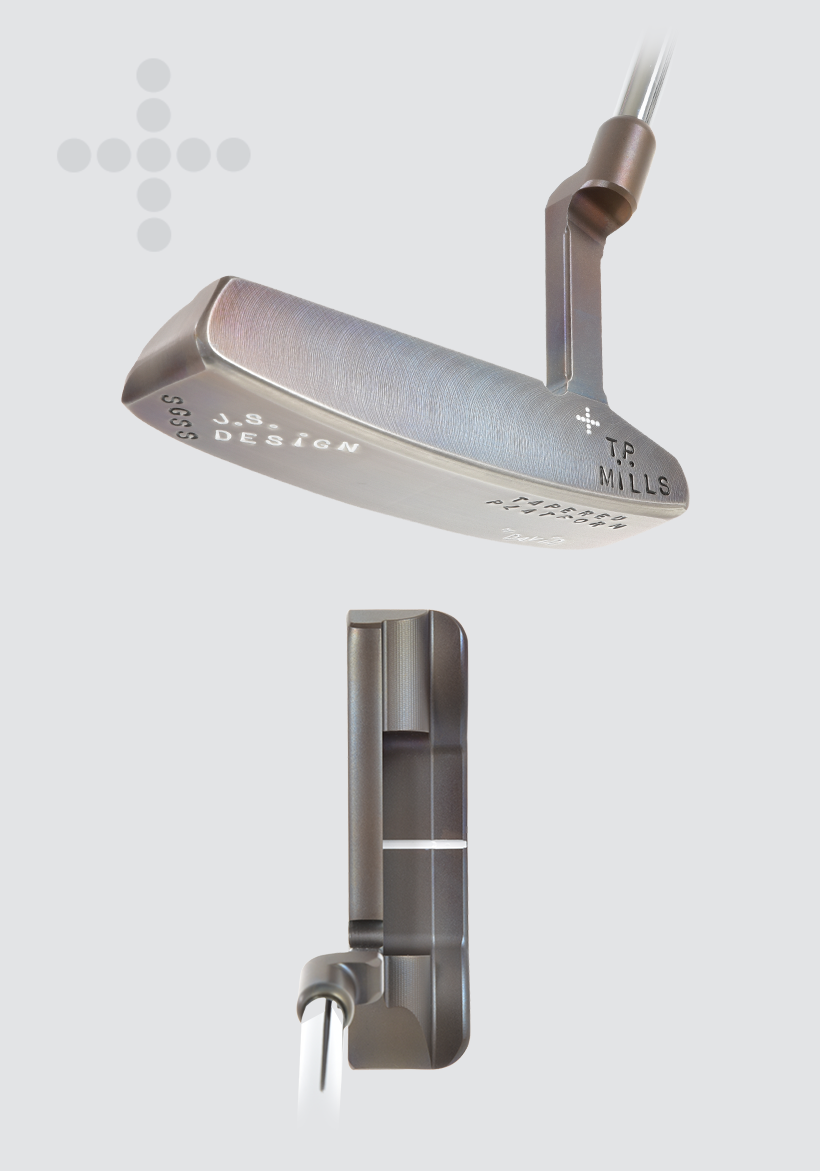
T.P. Mills
T.P. Mills Trad II
Here is the honest answer before the sales pitch: milling buys you feel, sound, tighter tolerances and a head that will still look good in twenty years. It does not buy you accuracy. If your putter has never had its length and lie checked, the money you are about to spend on a milled head is better spent on a fitting, because a putter that is an inch too long changes where your eyes sit over the ball, and where your eyes sit changes your start line. Get that right first. Then, if you still want one, there are five genuinely good reasons to buy milled, and they are all reasons of craft rather than physics.
What milling actually is, and what it changes
A milled putter is cut from a solid billet on a CNC machine rather than cast from poured metal. The practical consequences are real but narrow. Tolerances are tighter, so the loft and lie you were sold are much closer to the loft and lie you receive. The face pattern is cut rather than stamped, so the ball leaves it the same way twice, which is what people mean when they say a milled putter rolls consistently. And the material is denser and unbroken, which is where the sound comes from. A milled carbon steel blade gives you a low, soft thud; a milled stainless head gives you a firmer click. That sound is your only real-time feedback on strike quality, and getting one you like is not vanity, it is information.
The 2026 evidence points away from the classic blade
This is the part the boutique-putter conversation avoids. The momentum in the putter market right now is in high-MOI and zero or low-torque designs, not in traditional milled blades. Today's Golfer ran a 110-putter test over three days at Stoke Park, covering 29 blades, 44 mallets and 37 zero and low-torque models with seven testers and 11,550 putts, published on 28 May 2026. The highest stability score went to the TaylorMade Spider Tour at 9.3 out of 10, with a quoted MOI of 5,700 g/cm2, six-tenths of a point clear of joint second. Worth being precise about the nature of that number: the stability score was awarded subjectively by the testers, not measured by a robot, so treat it as informed human judgement rather than instrumented data. We do not stock that model and this is not a recommendation to buy it, but the engineering argument it represents is real, and it points away from a compact milled blade.
And yet the milled blade refuses to die
Two things are true at once. The stability case favours big, high-inertia, torque-resistant heads, and yet the top of the game keeps drifting back toward milled heads and small makers, and craft putters hold their value in a way that mass-market mallets simply do not. The picture is genuinely messy: Jordan Spieth, a long-time user of a T.P. Mills-style blade, was reported testing a L.A.B. zero-torque model at the Travelers Championship, and J.J. Spaun was reported switching to a L.A.B. mallet at the Charles Schwab Challenge, both in the May to June window. So the drift is not all one way. What that tells you is useful: nobody at the elite level has settled this, which means the correct basis for your own decision is not a performance claim. It is which head you can aim, and which sound you want to hear at impact. That is not a cop-out, it is how putting actually works.
Which milled putter for which golfer
Start with the pure version of the idea. The T.P. Mills Trad II is a traditional heel-toe weighted blade from a boutique American maker, hand-finished and built to custom specification, with the soft feel that milled carbon steel is bought for. There is no technology story here and that is the point. You are buying a clean address profile, a compact head and a craftsman's finish, which is the right purchase for a feel player with a repeatable stroke who does not want a marketing narrative in their hands. It is the wrong purchase for anyone who needs the head to help them.
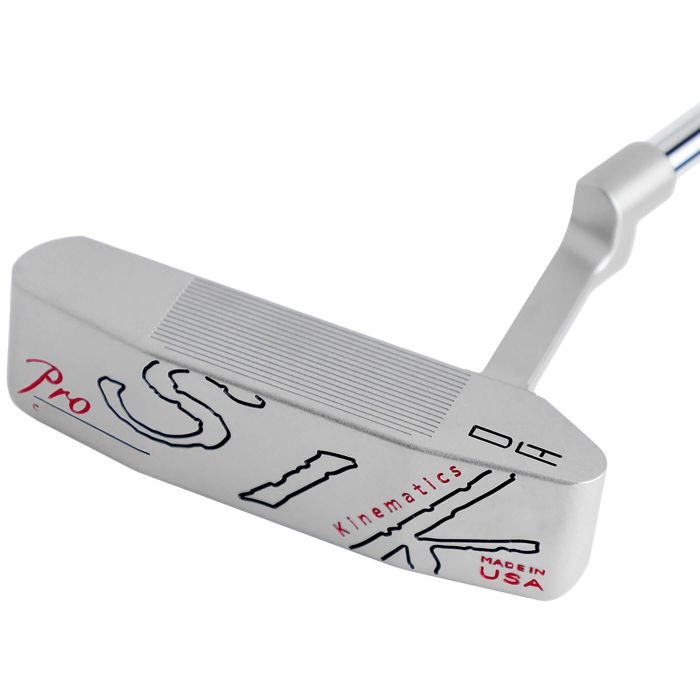
The SIK Pro C-Series is the one on this list with an actual engineering claim behind it. Its face uses Descending Loft Technology, four separate loft planes designed to deliver the same launch whether you catch the ball with the shaft leaning back, level or forward. If your stroke is inconsistent in its low point, that is a genuinely relevant idea, and it is a rare case of milled construction doing something functional rather than tactile. It is a compact blade, so you still need to be a blade player to get on with it.
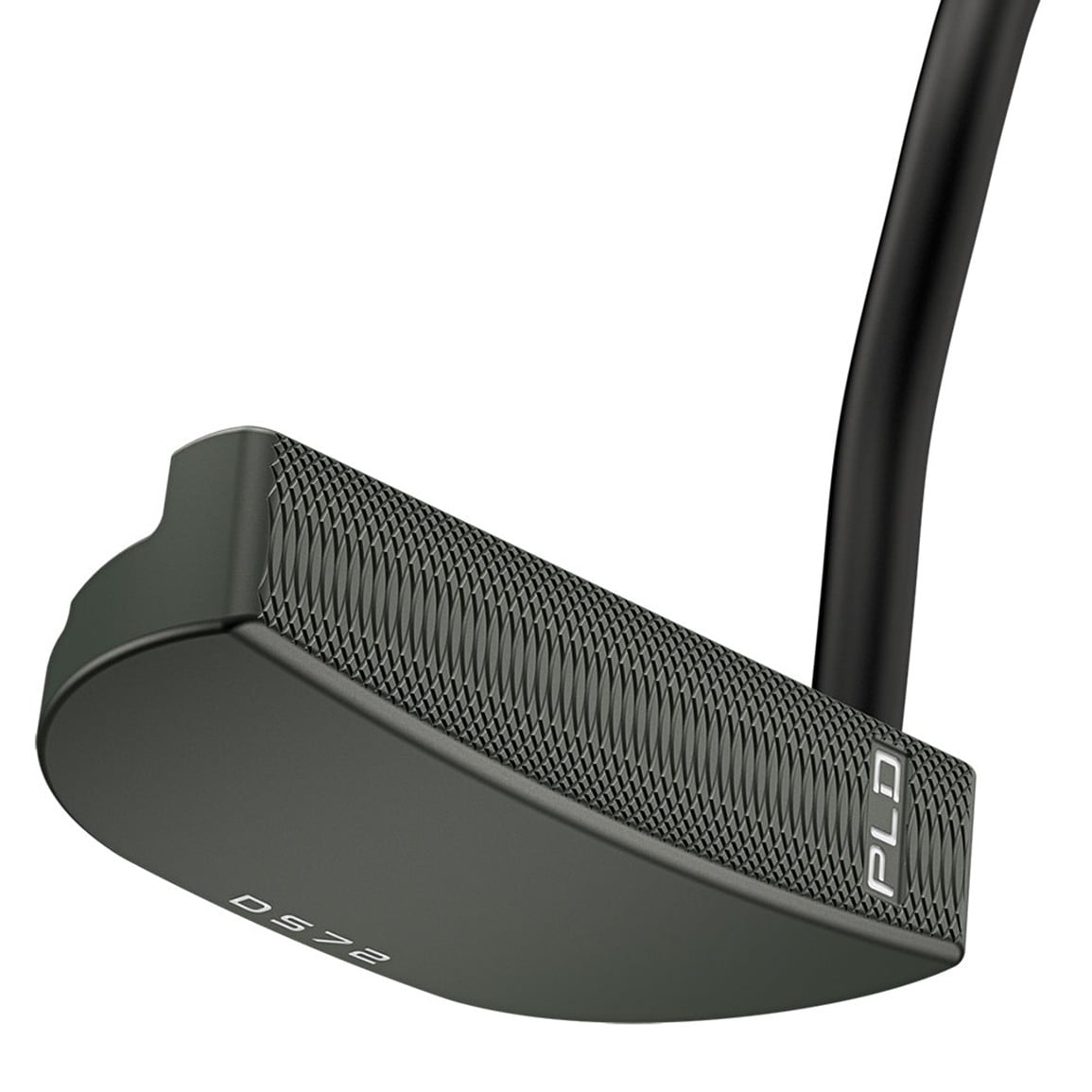
For a straight-back, straight-through stroke, the Ping PLD Milled DS72 is the sensible OEM answer, and the one that gets closest to squaring the stability circle. It is milled from a block of 303 forged stainless over several hours, with a wide top rail, a ball-width alignment cavity and heel-and-toe ballasts, so you get more forgiveness than a blade with the tolerances and roll of a milled face. It is also Viktor Hovland's gamer, which matters less than the shape but does tell you the head stands up to scrutiny. If you push putts because you fight the blade closed, this is where to start.
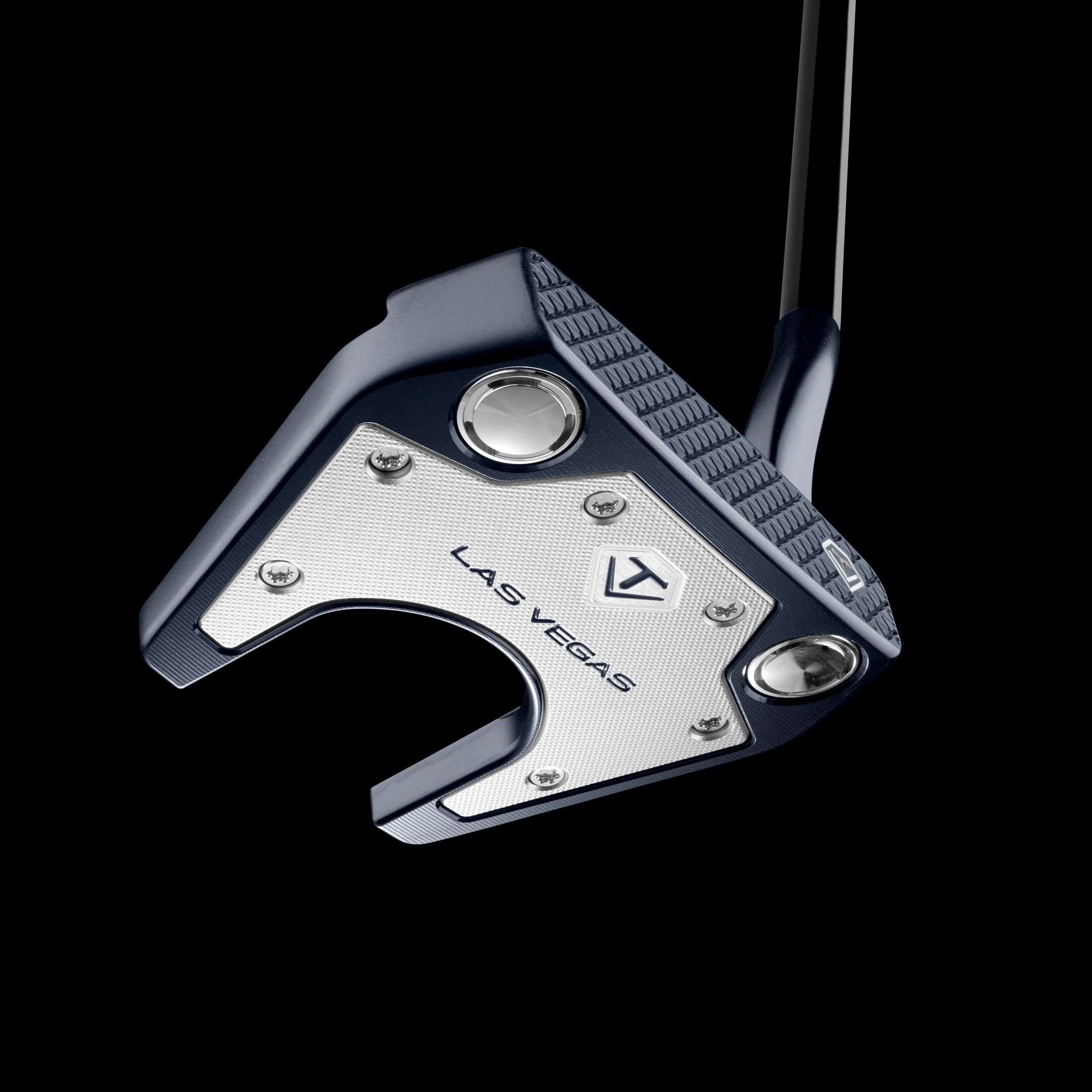
The Odyssey Toulon Design Las Vegas is the tour blade of the group: a heel-shafted head with a crank neck, CNC-milled from a single billet, with the Deep Diamond Mill face pattern and a firm, responsive feel. The heel-toe weighting and the hosel suit a moderate arc, which is the most common stroke shape among decent putters. The design lineage runs through the prototype version Xander Schauffele used to win the 2024 PGA Championship and Open Championship, and the retail model brings the same shape and milled face down to earth. Pick it if you arc the putter and want a firmer roll off the face.
The benchmark everything else is copying
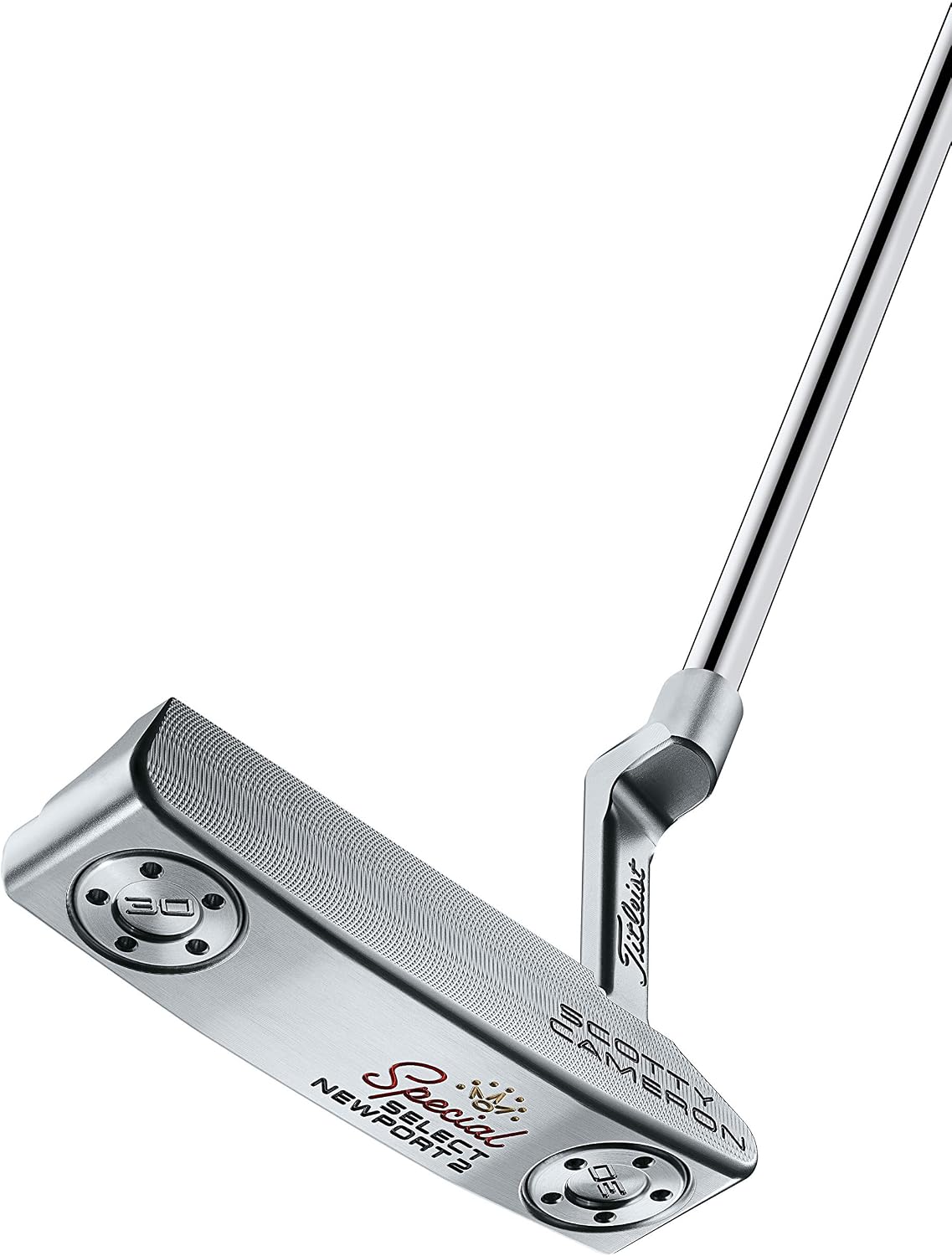
Then there is the shape the whole conversation orbits. The Scotty Cameron Super Select Newport 2 is the best-known model in the Super Select line and the blade every other milled blade gets measured against, precision-milled from 303 stainless with a mid-slant neck that gives moderate toe flow, plus a performance-balanced tungsten sole weighting setup to settle the head down. Read that spec sheet again and notice how ordinary it is. There is no launch technology, no torque story, no MOI claim, and that is exactly the point: what you are buying is a shape you have seen a thousand times, cut to a tolerance you can trust, in a head that suits the most common stroke in golf, the slight arc.
This is also where the value argument stops being abstract. The tour-specification GSS versions are chased hard by tour players and collectors, and the Newport 2 name carries a second-hand market that behaves less like a golf club and more like a watch. Buy a mass-market mallet and you eat the depreciation the day the next one launches. Buy this and, in ordinary retail spec, you are holding something with a genuine floor under it, which is a real part of the milled case that the marketing never bothers to make because it is not about performance. Skip it if your stroke is straight back and through, because the toe flow will fight you.
Who should skip a milled putter entirely
Two groups, and they cover most golfers. First, anyone who has not had their putter length and lie checked: buying a milled head before a fitting is buying the expensive part of the wrong club, and the fix costs a fraction of the upgrade. Second, anyone whose real miss is distance control rather than start line. If your three-putts come from leaving 25-footers eight feet short, a milled face will not save you, because what you need is speed practice and a putter you can rely on to roll the same way, not a putter that feels lovely. Spend the money on green time or on something that gives you feedback, and start with our best putting aids picks instead. If you are still shopping for the head, the full field is in our best putters guide.
Products mentioned in this article
T.P. Mills
T.P. Mills Trad II
The craft buy. A hand-finished boutique blade for feel players who want a putter, not a product line.
SIK Golf
SIK Pro C-Series Putter
The one with an actual engineering argument: four descending loft planes aimed at the same launch wherever you catch it.
Ping
Ping PLD Milled DS72
The straight-stroke pick. A milled mid-mallet with a ball-width cavity, and Viktor Hovland's gamer.
Odyssey
Odyssey Toulon Design Las Vegas
The tour blade. Milled from one billet with a crank neck, best suited to a moderate arc.
Scotty Cameron
Scotty Cameron Super Select Newport 2
The benchmark. The most copied blade shape in golf, milled from 303 stainless, and the one that holds its money.
ifrothgolf earns a commission on purchases made through these links, at no extra cost to you. It never changes what I recommend. Full disclosure.
Frequently asked
- Does a milled putter roll the ball better?
- More consistently, yes, in the narrow sense that a cut face pattern is more repeatable than a stamped one, so the ball leaves the face the same way each time. That is not the same as rolling it straighter. Start line comes from aim and stroke path, which is why a fitting for length and lie does more for most golfers than a milled head.
- Is a milled putter worth the extra money for a high handicapper?
- Usually not as a first purchase. A higher handicapper generally gains more from a properly fitted length and lie, a head shape they can aim, and work on distance control. Milling is a feel, sound and durability upgrade, and those matter most once your stroke is already repeatable.
- Milled face or insert, which should I choose?
- It is mostly a feel decision. Milled faces tend to sound and feel firmer with more audible feedback, while inserts soften impact, which some players prefer on very fast greens. Pick the one that gives you the feedback you like on short putts, because that is where the sound tells you something.
- Do milled putters hold their value?
- Boutique and limited milled models generally hold value far better than mass-market mallets, particularly from small makers with waiting lists. That is a genuine part of the argument for buying one, though it should not be the main reason you choose a putter.
Read next
Review
8.7/10Zero-torque putters: golf's fastest-spreading idea
Tour bags are quietly being rebuilt around a putter that won't twist. Here's why — and where it started.
Review
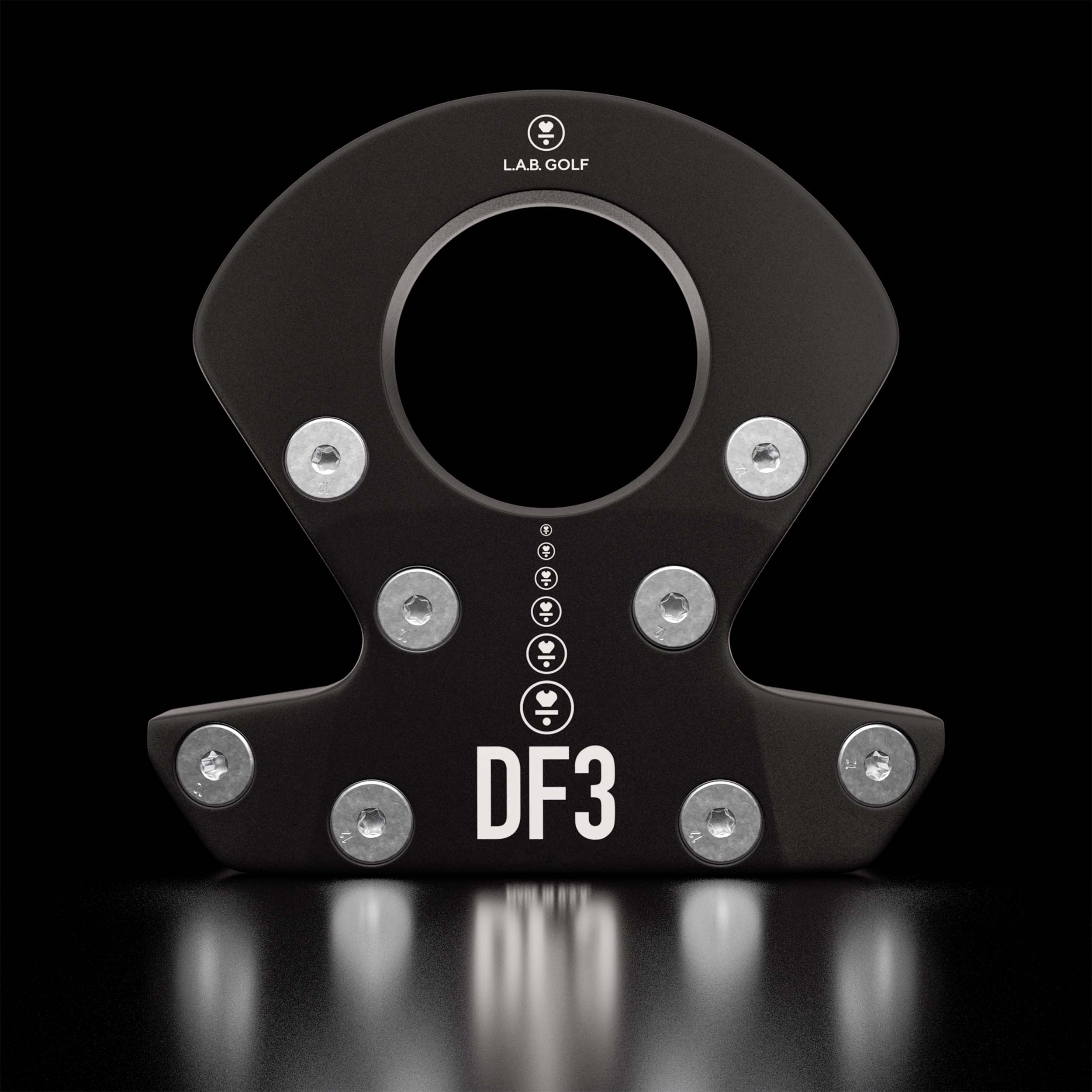
8.8/10L.A.B. DF3 review: the putter the tour keeps switching to
The zero-torque putter that won a US Open and rewrote the category. We score the most talked-about flat stick in golf — and tell you who should skip it.
Versus
Spider ZT vs Odyssey Jailbird: two routes into zero-torque
The big brands' answers to the zero-torque craze, head to head — and which one suits how you actually putt.