
Scotty Cameron Phantom 3.2 vs Phantom 12: same price, same face insert, and only one lets the face rotate
Scotty added exactly two shapes to the 2026 Phantom line and put the same number on both tickets. They also share a face. What is left to choose between is the neck, and that has a right answer for you specifically.
By Ross Hamilton · Staff Writer
Scotty Cameron
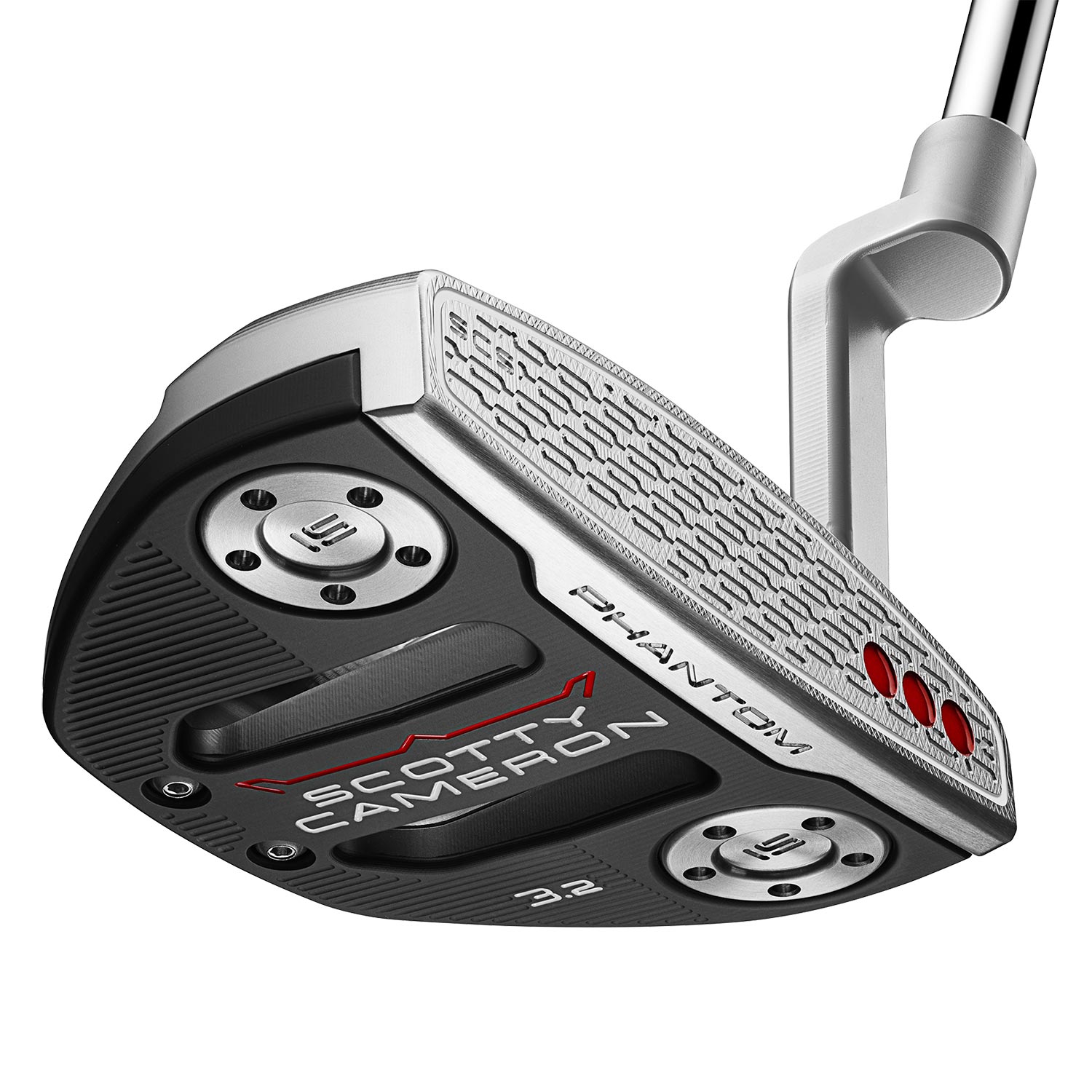
Scotty Cameron Phantom 3.2 Putter
The compact one, on a plumbing neck that lets the face rotate — the mallet for a stroke with an arc in it.
Scotty Cameron
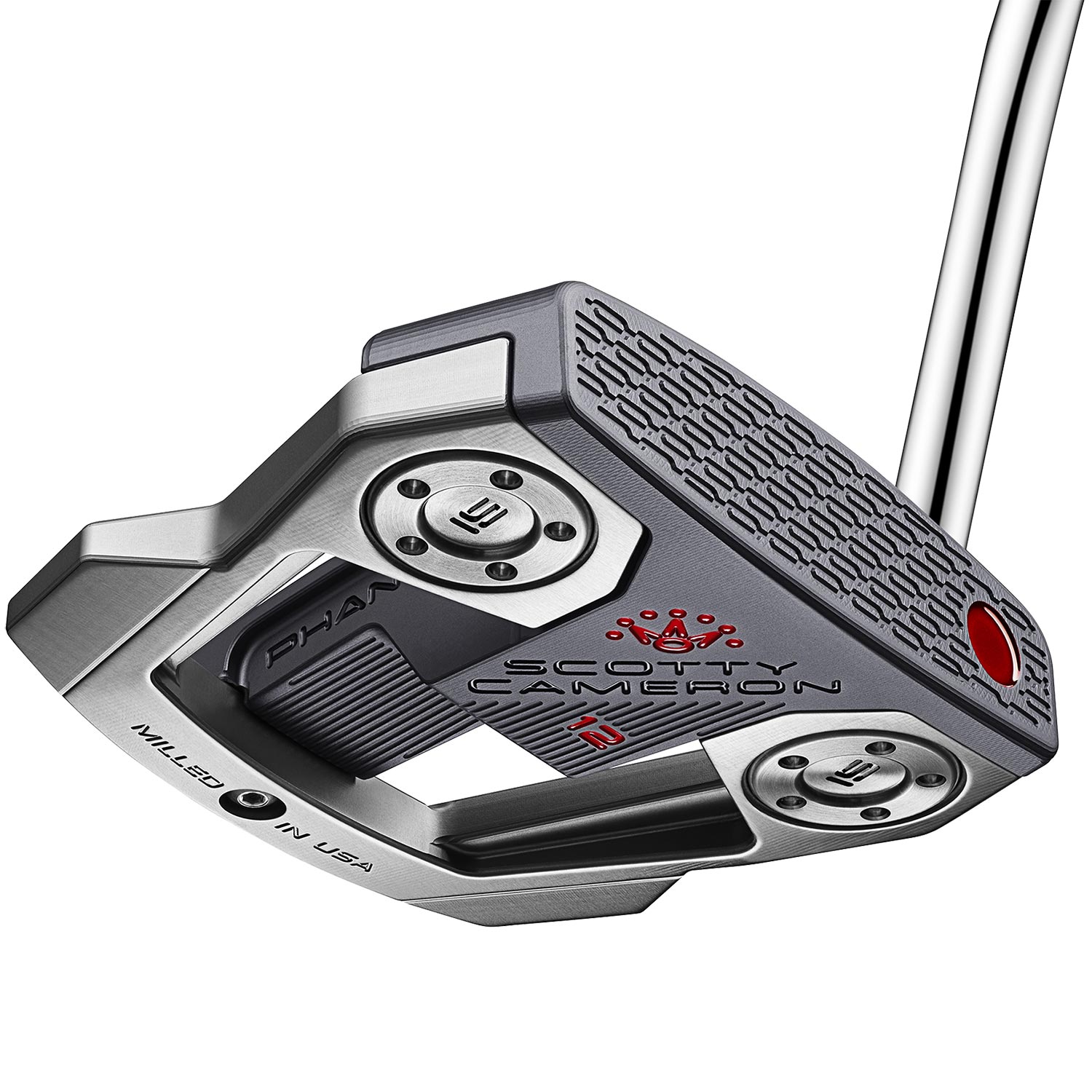
Scotty Cameron Phantom 12 Putter
The stable one, near face-balanced on a mid-single-bend shaft, with steel ring-weighted around an aluminium core.
Scotty Cameron
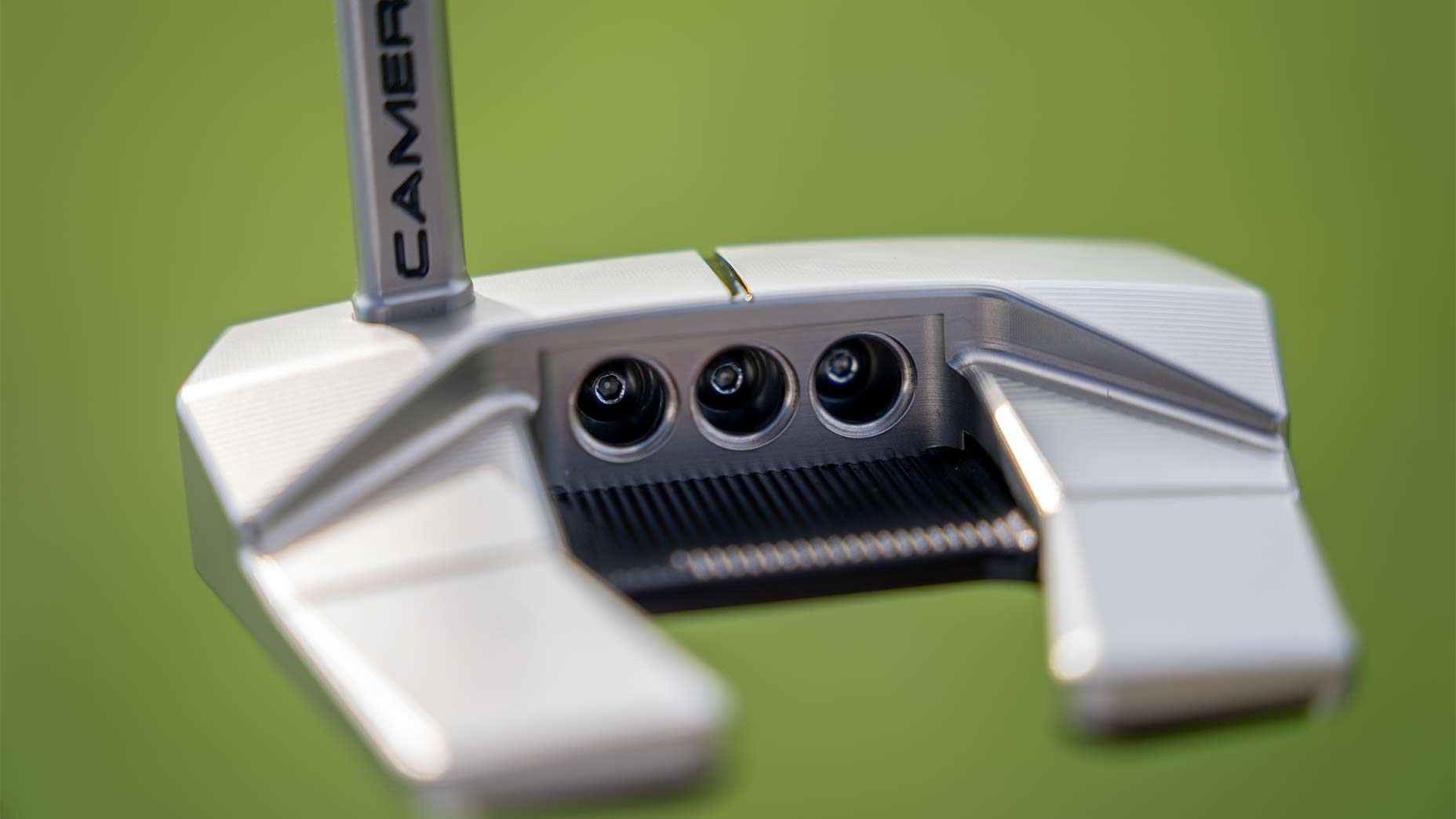
Scotty Cameron Phantom Putter (2026)
The rest of the line — 5, 7 and the rounded 9R, plus the low-torque Onset Center neck the two new shapes do not offer.
ifrothgolf earns a commission on purchases made through these links, at no extra cost to you. It never changes what I recommend. Full disclosure.
Part of our guide toBest Golf Putters 2026Two new putters went onto the same rack this year with the same name on the bumper and the same number on the ticket. The Phantom 3.2 is a compact mid-mallet. The Phantom 12 is the largest, most stable head Scotty Cameron makes. Most golfers will read that as a ladder — small and lovely at the bottom, big and forgiving at the top — and pick a rung.
It is not a ladder, and the giveaway is the price. When a brand puts a compact shape and a maximum-stability shape on the same shelf, the compact one is normally the feel option and the big one is the forgiveness option, and you are asked to trade one for the other with your wallet as the referee. Here you are not. These two cost the same because, at the only point where the club touches the ball, they are the same putter.
They share a face, which removes the trade you were expecting
Both the Phantom 3.2 and the Phantom 12 carry the new full-face Studio Carbon Steel insert, the one with the chain-link milling pattern, introduced across the 2026 Phantom line for a softer sound and tighter distance control. Not a version of it. The same one.
That matters more than it sounds, because sound is the only real-time feedback a putter gives you. It is how you know, before the ball has travelled three feet, whether you caught it out of the middle. On almost every other compact-versus-stable decision in golf, the big head sounds and feels different, and that difference is the price of the forgiveness. Scotty has taken it off the table. Whatever you end up choosing here, you are not choosing a feel.
The Phantom 12 is not more metal. It is the same metal, further out
The engineering story on the 12 is worth reading properly rather than skimming as marketing. It is a multi-material, ring-weighted build: a Space Gray aluminium face and mid-body, with heavier stainless steel placed low and around the perimeter. Stainless accounts for roughly 65 per cent of the total head weight, and the result is the deepest and lowest centre of gravity of any Phantom.
Read that as an engineer would. The aluminium is not there to make the putter light. It is there to make the middle of the putter light, so that the steel can go somewhere useful. You are not buying a bigger lump of stainless than the 3.2 gives you — you are buying the same kind of mass, relocated to the rim, which is the whole of what ring weighting means and the reason the head resists twisting when you catch one out of the toe.
The 3.2 answers the opposite question with a conventional answer: a precision-milled 303 stainless body with a black anodized sole plate, compact enough to move around. Its crown is stepless and T-shaped, carrying a tri-line aim aid and two elongated windows that frame the ball. The 12 goes the other way with an extended single sight line running back through a much larger footprint.
The neck is the decision, and for once it is stated plainly
Here is the variable that actually separates them, and Scotty has been unusually explicit about it. The 3.2 sits on a ".2" plumbing neck, which produces moderate toe flow: the face wants to open going back and close coming through, and the head releases. The 12 sits on a mid-single-bend shaft that makes it close to face-balanced, with minimal toe flow: the face wants to stay pointing where you put it.
Those are not two intensities of the same thing. They are instructions to two different strokes. If your putting stroke has a genuine arc — and most golfers who set up with their eyes inside the ball have one, whether they know it or not — a face-balanced head asks you to hold off a release your body is already making, and the miss that produces is a push out to the right that gets worse the longer the putt. Run it the other way and a straight-back, straight-through stroke on a toe-flow head closes the face through impact without being asked, and you pull four-footers left all winter and blame the greens.
This is the one fitting variable in the whole comparison that has a correct answer for you and not for anyone else, and it takes about four putts on a shop mat to find it. Almost nobody does it, because the shapes are so different-looking that the eye makes the decision before the stroke gets a vote. It is the same failure we wrote about in putter length, and it costs the same kind of money.
The second decision is how you aim, and it splits the same way
The aim systems are genuinely different instruments, not two doses of the same medicine. The 3.2 frames the ball: a tri-line plus two windows on the crown, so your eye squares the putter by centring an object. The 12 gives you a long single sight line, so your eye squares the putter by extending a line down the target.
Golfers are reliably better at one of those than the other, and it has nothing to do with how well they putt. If you have ever set up over a ball, felt certain you were aimed at the hole and then been shown by a chalk line that you were open by a couple of degrees, you already know that aiming is a separate skill from stroking, and that a putter can help or hinder it. Take both heads, put a chalk line down on a practice green, aim each one at a target ten feet away without looking down the line first, and then check. Whichever one you aim more accurately with is the one you should buy, and it may well not be the one you find prettier.
Who each of these is for
Buy the 3.2 if you are moving to a mallet from a blade and do not want to give up the release. It is aimed squarely at that golfer: enough head to be stable, a neck that behaves like the putter you are leaving, and a shape you can still manoeuvre. It is the right buy for an arcing stroke that wants a slightly bigger safety net, and the wrong buy for anyone whose stroke is genuinely straight.
Buy the 12 if your misses leak left and right rather than short and long, your stroke stays straight, and you want the most stable head this brand makes. That deep, low centre of gravity is real and it does what it says on off-centre strikes. Just be honest about your stroke first, because a face-balanced head in the hands of an arcing putter is a permanent argument.
And there is a third door most people forget is open. The standard 2026 Phantom family — the 5, the 7 and the rounded 9R — did not go anywhere when these two arrived, it is a little cheaper, and crucially it is where the low-torque Onset Center neck lives. Neither new shape offers that hosel. If you have been curious about the low-torque idea and want it with this badge on it, the new models are not the way in.
Who should skip both
Two groups, and they are bigger than the market for either putter. First, anyone whose current putter has never had its length and lie measured. Both of these are premium money, and premium money spent on the wrong length buys you a head that sits on its toe and a set of eyes in the wrong place over the ball. Get that checked first; it costs a fraction of either club and it changes your start line more than any head shape will.
Second, anyone buying for the sound of a milled billet. That is a legitimate reason to spend on a putter and we have argued the case for it in whether a milled putter is worth it — but it is not what is on offer here. On both of these, an insert is doing the talking. If what you want is bare, unbroken milled steel meeting the ball, the Phantom line is not where you will find it, whichever shape you pick.
The rest of the field, including the heads that do sound like that, is in our best putters guide, and the stroke-shape groundwork is in mallet vs blade.
Frequently asked
- What is the difference between the Scotty Cameron Phantom 3.2 and the Phantom 12?
- The 3.2 is a compact, milled 303 stainless mid-mallet on a plumbing neck that gives moderate toe flow, with a tri-line and two framing windows for alignment. The 12 is a large, ring-weighted multi-material mallet with an aluminium face and mid-body, stainless steel around the perimeter, the deepest and lowest centre of gravity in the Phantom line, an extended single sight line and a near face-balanced mid-single-bend shaft. Both use the same full-face Studio Carbon Steel insert and both launched at the same price.
- Which Phantom suits an arcing putting stroke?
- The 3.2. Its plumbing neck produces moderate toe flow, so the face opens going back and closes coming through, which is what an arcing stroke is already doing. The Phantom 12 is close to face-balanced with minimal toe flow and suits a straighter stroke; using it with a pronounced arc means holding off a release your body wants to make.
- Is the Phantom 12 a milled putter?
- Partly. It is a multi-material build rather than a single milled billet: a Space Gray aluminium face and mid-body with heavier stainless steel low and around the perimeter, which makes up roughly 65 per cent of the head weight. The ball actually meets a full-face Studio Carbon Steel insert, the same insert used on the 3.2, so the sound and feel come from the insert rather than from the body material.
- Do I need a fitting to choose between them?
- You need two things measured and one thing tested. Length and lie should be checked before you spend on either, because a putter that is too long moves where your eyes sit over the ball and changes your start line. Then hit putts with both on a mat to see which neck matches your stroke, and aim both at a chalk line to see which alignment style you square more accurately. Those three checks matter far more than which head you prefer the look of.
Read next
Review
8.7/10Zero-torque putters: golf's fastest-spreading idea
Tour bags are quietly being rebuilt around a putter that won't twist. Here's why — and where it started.
Review
8.8/10L.A.B. DF3 review: the putter the tour keeps switching to
The zero-torque putter that won a US Open and rewrote the category. We score the most talked-about flat stick in golf — and tell you who should skip it.
Versus
Spider ZT vs Odyssey Jailbird: two routes into zero-torque
The big brands' answers to the zero-torque craze, head to head — and which one suits how you actually putt.