
Tour players don't buy wedges as a set. In 32 of the 53 bags we track, they end up with one model anyway
TaylorMade has just relaunched Hi-Toe with five sole grinds, a bet that golfers want one brand for every slot. Our own bag data suggests the tour got there first.
By Ross Hamilton · Staff Writer
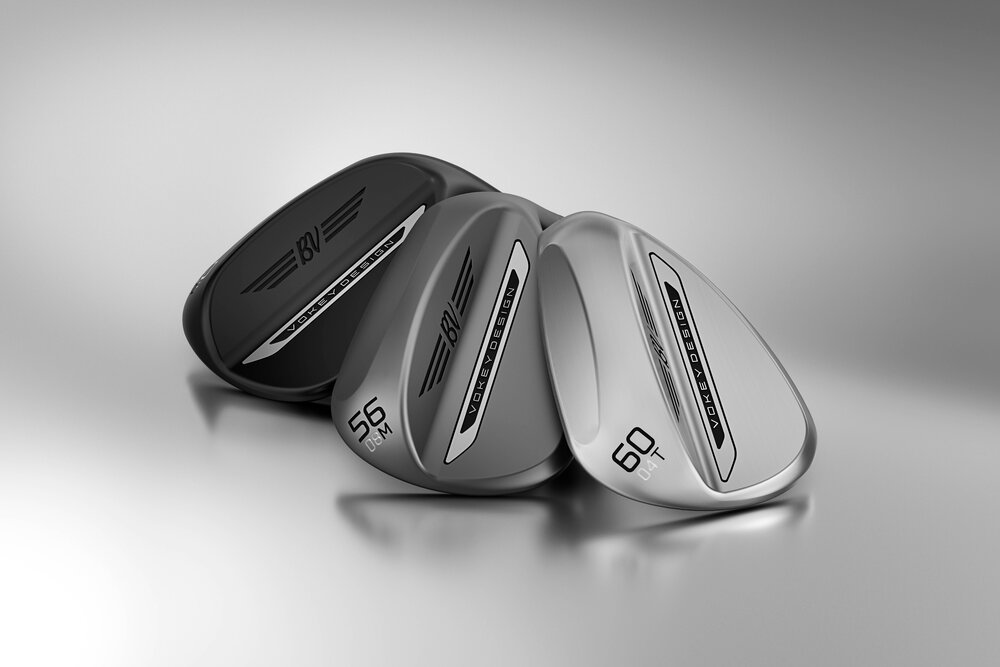
Titleist
Titleist Vokey SM11 Wedge
ifrothgolf earns a commission on purchases made through these links, at no extra cost to you. It never changes what I recommend. Full disclosure.
The TaylorMade Hi-Toe 5 reaches retail on 3 September, and the headline is not the forging. It is the grind list. Five soles, four in the standard line and one through custom, on a wedge that for years came exactly one way and asked you to like it. That is a bet on a particular theory of how golfers shop: that what they want is one brand capable of filling every slot in the bag rather than a specialist bought in isolation.
Our own bag data says the tour reached that conclusion some time ago, and rather more emphatically than the endless advice about mixing and matching your wedges would suggest.
Of the 53 tour bags we maintain, 32 play a single wedge model right through the wedge slots. Twenty-one carry more than one model. Only eight of those twenty-one cross brands at all.
Read that the right way round and it is a striking result. A tour player has no meaningful financial reason to stay inside one wedge family beyond the contract they already have, gets fitted for every slot individually, and can call in whatever head they like. Given all of that freedom, most of them still end up with one name stamped across the bottom of the bag.
The caveat, stated plainly. This is the set of 53 bags we maintain and re-verify against named sources, not a census of professional golf, and bags move week to week, so a count taken next month will differ at the edges. "More than one model" here means distinct model names, so a player carrying three of the same wedge is counted as a single-model bag, and a player carrying a 50, a 56 and a 60 from one family is too.
The exception, and its timing is remarkable
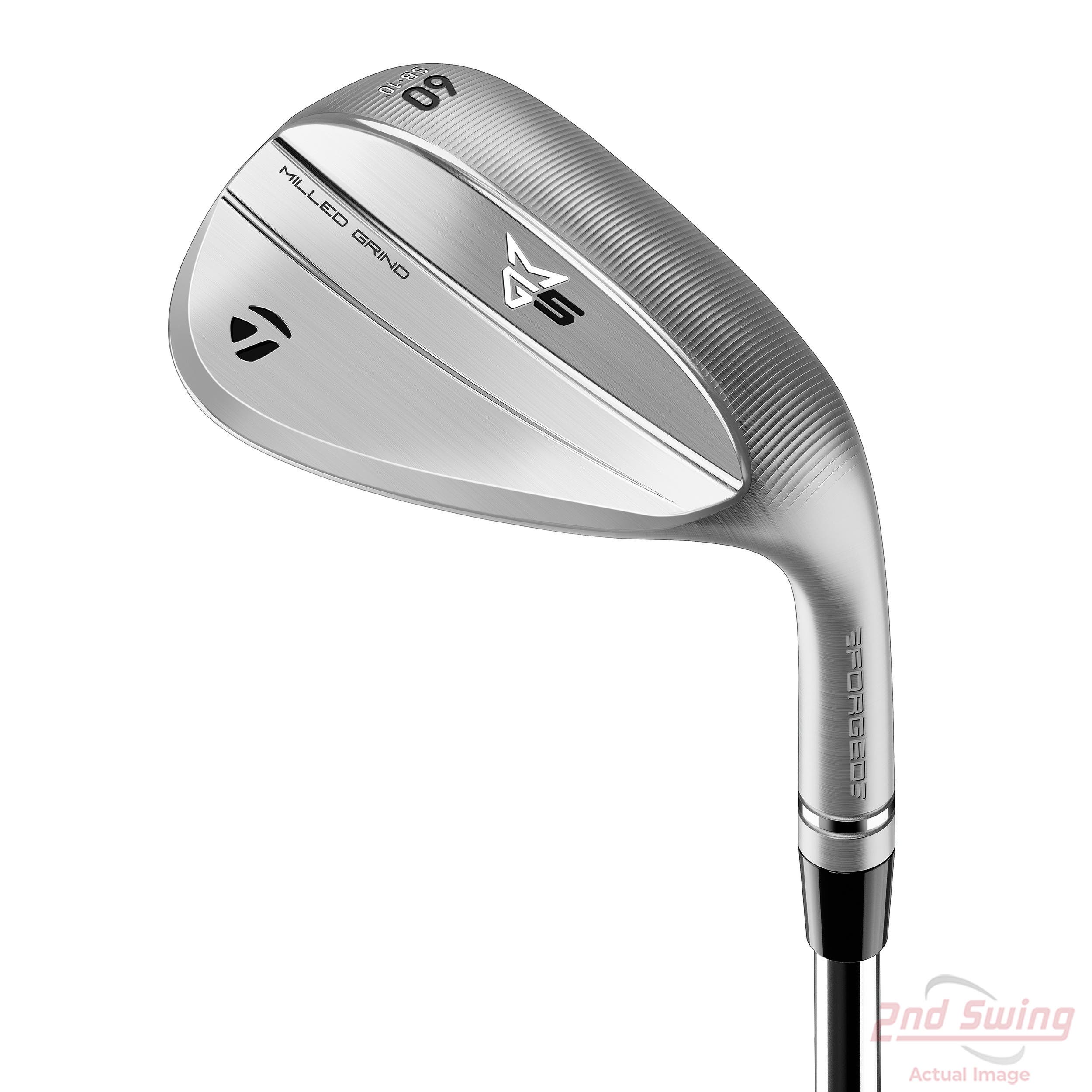
Exactly one bag of the 53 carries a TaylorMade Hi-Toe: Tommy Fleetwood, a 52 degree, sitting alongside two TaylorMade MG5 wedges.
One. In the week TaylorMade relaunches Hi-Toe as a fully forged flagship with a family of grinds, the club has a single seat in the bags we track, and even that seat is not the mix-and-match story it looks like from a distance. Fleetwood's is a one-brand bag running two models from the same maker, which is precisely the pattern the numbers above describe.
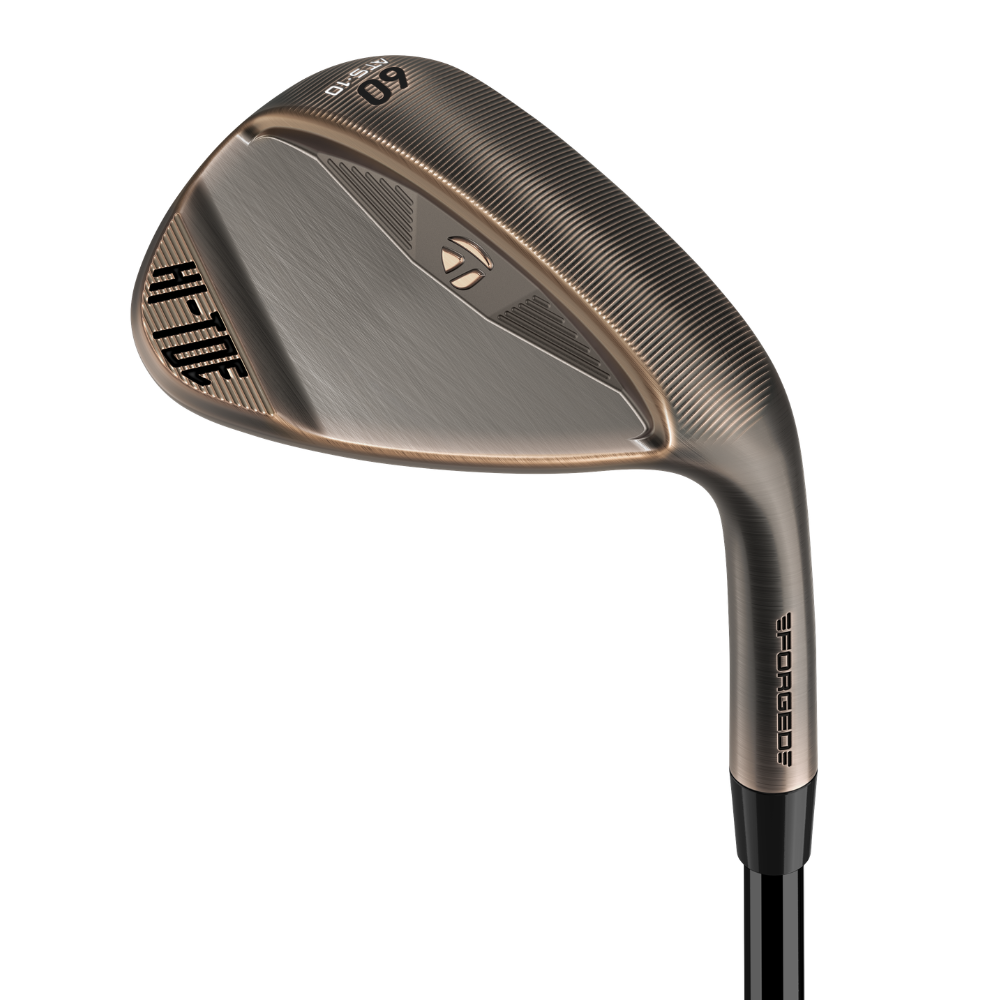
That is not a verdict on the wedge. It is a fair description of what Hi-Toe has been until now: a specialist, bought for a specific problem, by a player who wanted that problem solved and was willing to accept one sole shape to get it. Five grinds is TaylorMade's answer to exactly that. The forged body and the full-face saw-milled grooves are the part the marketing leads on; the grind list is the part that could actually move it from a specialist slot into a whole-bag option.
Why one model keeps winning when nobody is forcing it
The reason is turf, not loyalty. What a wedge does at impact is decided mostly by how the sole interacts with the ground at your attack angle, out of your grass, on your typical lie. Once a player finds a sole family that matches all three, the sensible move is to repeat it across every wedge in the bag so that the club behaves the same way whether they are hitting a full 52 or a nipped 58 off a tight lie. Changing brand mid-set changes leading-edge shape, camber and how the sole releases through the turf, and that is a variable the short game does not need.
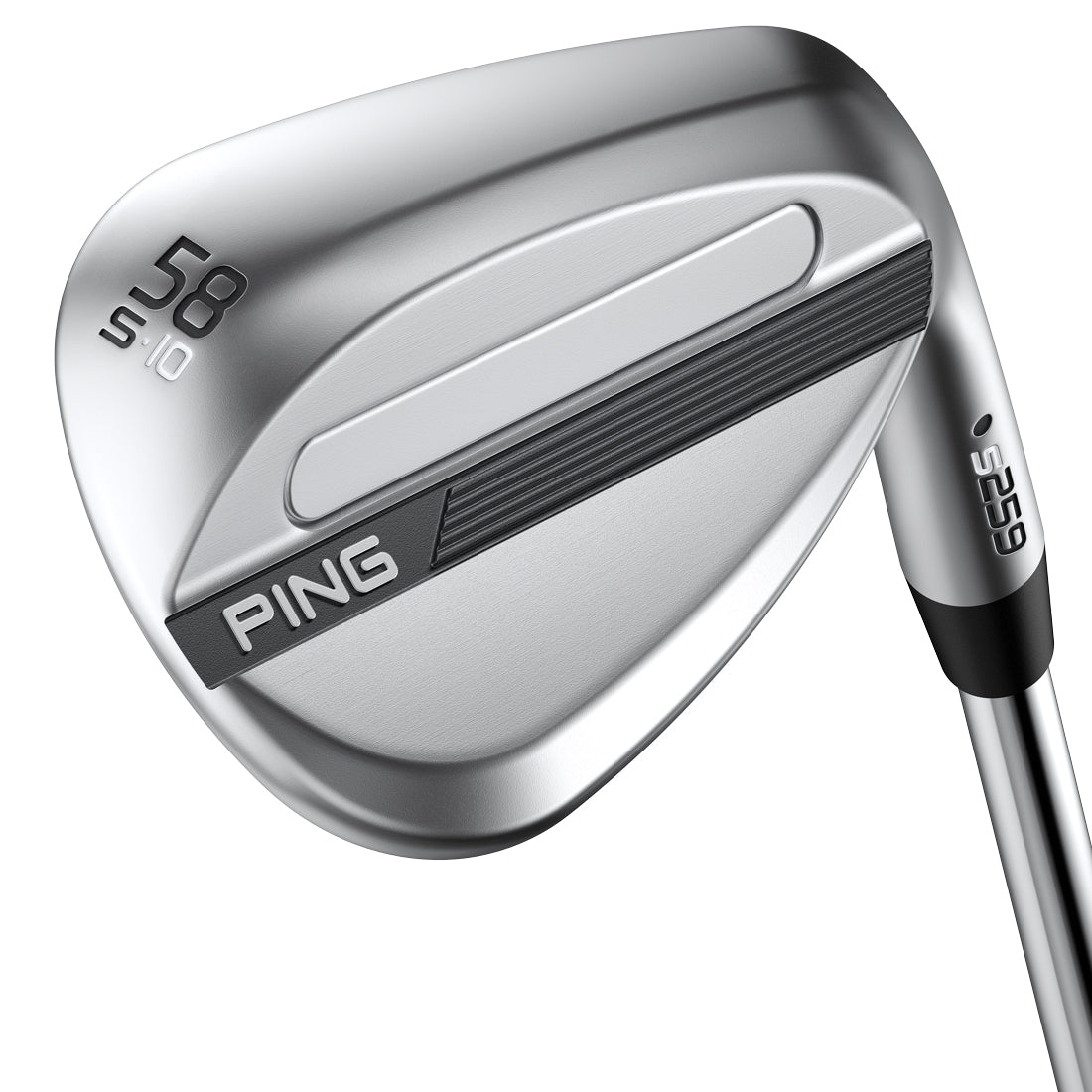
Manufacturers have noticed. The Titleist Vokey SM11 standardises the centre of gravity across its six grinds, so switching grind no longer moves your launch, which removes the last technical reason to shop outside the family once you are in it. The PING S259 covers 46 to 62 degrees across six grinds and varies the groove design by loft rather than asking you to leave for a different model. Both are built on the same assumption the tour data supports: fit the slot, stay in the family.
What a club golfer should take from this
Get the gaps right first. Nothing else in this article matters if there is a 20-yard canyon between your pitching wedge and your first specialist wedge, which is the single most common fault in an amateur wedge set and the one worth fixing before you look at a single grind chart. Our guide to how many wedges you need sets out the arithmetic, and the number to start from is your own pitching-wedge loft, not a tour player's.
Then hold the grind steady. If a fitter puts you in a mid-bounce sole because you take a shallow divot out of firm links turf, that reasoning applies to your 50 and your 56 as much as it does to your 60. Buying one wedge on a recommendation and the next one on a review score is how people end up with three clubs that enter the ground three different ways.
Brand comes last, and it matters least. The tour bags make that point twice over: the players with the freest choice in golf are not brand-hopping between slots, they are picking a sole family and repeating it. Copy the behaviour, not the badge.
The other honest reason to buy is wear. Grooves go, spin goes with them, and a fresh wedge in the same model you already play is a bigger performance gain than switching to whatever launched this month.
Where a specialist wedge does earn its slot
None of this makes a Hi-Toe or a full-face wedge a mistake. It makes it a considered addition rather than a default. The case for a tall-profile, full-face wedge is narrow and real: the ball sitting up in thick rough where a conventional head runs out of grooves before it runs out of face, and the short-sided pitch played with the face wide open, where contact happens well up the toe. If you play courses with heavy rough and you like opening the face, that is a slot worth filling with a specialist.
The place club golfers get it wrong is one loft up. The 60 degree is the club most often bought for the shot it can play and most often used for the shot it plays worst, and for a lot of golfers it is costing them shots they will never trace back to the club. If you are adding a specialist to the bag, be clear about which shot it is replacing and how often that shot actually comes up in a round.
The tour answer to all of this is unglamorous. Pick a sole that suits your turf, gap the lofts evenly, replace them when the grooves wear out, and resist the temptation to treat each wedge slot as a separate shopping trip. Thirty-two of the fifty-three bags we track say that is what the best players in the world are doing.
Products mentioned in this article
Titleist
Titleist Vokey SM11 Wedge
Twenty-seven loft-and-bounce combinations across six grinds, with the centre of gravity standardised so changing grind no longer changes your launch.
TaylorMade
TaylorMade Hi-Toe 5 Wedge
The first fully forged Hi-Toe, and the first to arrive as a family of five sole grinds rather than one take-it-as-it-comes shape.
TaylorMade
TaylorMade MG5 Wedge
TaylorMade's fully forged Milled Grind, built around holding spin out of wet grass, in six grinds.
PING
PING S259 Wedge
Six grinds from 46 to 62 degrees, with tighter MicroMax grooves on the high lofts and more groove volume on the low ones.
ifrothgolf earns a commission on purchases made through these links, at no extra cost to you. It never changes what I recommend. Full disclosure.
Frequently asked
- Do tour players mix wedge brands?
- Rarely. Across the 53 tour bags we maintain and re-verify, only 8 carry wedges from more than one brand. Twenty-one bags carry more than one wedge model, and most of those stay inside a single manufacturer's range. This is a maintained sample rather than a census, and bags change week to week.
- Should I buy all my wedges from the same brand?
- For most golfers, yes, and more importantly from the same sole family. Consistent leading-edge shape and bounce means the club interacts with the turf the same way on every wedge shot, which is worth more than chasing the best-reviewed head in each loft. Fit the family to your turf and attack angle, then fill the lofts.
- What is a high-toe wedge actually for?
- Two shots. The ball sitting up in thick rough, where a conventional wedge runs out of grooves before it runs out of face, and the short-sided pitch played with the face wide open, where contact happens high on the toe. The tall profile puts grooves where those strikes land. It is a specialist slot, not a general-purpose wedge.
- Is it worth replacing a wedge that still looks fine?
- If the grooves are worn, yes. Spin loss from worn grooves is gradual enough that most golfers do not notice it until they compare a new wedge side by side. Wear is a better reason to buy than a new model year, and replacing like for like keeps the turf interaction you were already fitted for.
Read next
Review
7.9/10Full Swing KIT review: the tape measure decides this, not Tiger
Tour pedigree, TGL on ESPN, and radar good enough to be checked against a Trackman outdoors. It also wants eighteen to twenty feet of room, which rules out most of the garages people buy it for.
Versus
Trackman iO vs Uneekor EYE XO2: the year-one trap
Both mount overhead, both want ten feet of ceiling, and about $3,000 separates them on the shelf. Then Trackman's included first year runs out, and the gap starts growing by $1,100 a year.
Versus
Uneekor EYE XO2 vs Foresight GC3: ceiling or floor?
About $4,000 separates them, but they're not really rivals — one lives in your ceiling forever, the other sits on the floor and travels. The cheaper one is also the one with no subscription.