
August is the worst month to play links golf and the best month to book it
Peak season sells you the calmest, busiest, priciest version of a course built entirely around wind. The golf those places were designed for arrives in the 6 weeks after the schools go back — and the tee times are being handed out right now.
By Callum Reid · Travel & Courses Writer
 Opinion
The wind was doing nothing. That's the souvenir most people bring home from a links course in August: a still, warm, faintly underwhelming walk over fairways burnt the colour of a digestive biscuit, behind a fourball who booked eighteen months ago, having paid the highest green fee that course charges all year. It was a lovely day out. It was also almost nothing like the golf the course was built to make you play.
So here's the position, and I'll defend it. August is the worst month of the year to play links golf and the best month of the year to book it. Not because summer golf is bad, but because the version of a links you get in peak season is the one stretch of the calendar where it stops behaving like a links. The golf those courses were designed for turns up in the six weeks after the schools go back, and the tee times for it are quietly being released now, while everyone else is on a beach worrying about nothing.
What peak season does to a links
Three things happen at once and they all pull the same direction. Green fees sit at their annual high, because that's how seasonal pricing works and nobody in the industry is embarrassed about it. The sheet is full, and a meaningful share of it was allocated to tour operators a year or more out, which is why the 'no availability' you're staring at online is rarely the whole story. And the course itself is at its most manicured and least mischievous: managed hard through the driest months, played in the settlest weather of the year, presenting a version of itself that a decent parkland course could have given you for a quarter of the money.
The wind is the real loss. A links is a wind puzzle with grass on it. Every bunker position, every raised green, every one of those apparently daft blind tee shots exists because the architect assumed the ball would be shoved around on the way there. Take the wind out and you're left with an oddly shaped golf course and some very good views. A settled Atlantic high does exactly that, and August is the most expensive week of the year to have it happen to you.
What genuinely changes in the shoulder season
The wind comes back, first and most importantly, which means the course starts asking the questions it was written to ask. A green complex like the Redan at North Berwick is a completely different proposition when the ball has to be started somewhere it doesn't want to go. The turf firms up honestly too, on cooler nights and less irrigation, and the running game returns — the low, chasing shot that is the entire technical joy of the format and is almost pointless in soft summer receptive turf.
Then the commercial stuff. Rates step down to shoulder pricing at most clubs and resorts. The sheet opens up because the coach parties have gone home, and a club that gave you a polite no in July will often find you two tee times in late September. Modern links that get hammered in high season — Kingsbarns is the obvious one — become bookable rather than aspirational. So does the far south-west of Ireland, where the drive to somewhere like Waterville stops being a queue and starts being the good bit of the day.
The bit nobody puts in the brochure: the light
This is the honest cost and it's bigger than people expect at those latitudes. In late September on the Scottish east coast you've got roughly twelve hours of usable light, which is a comfortable thirty-six holes with lunch in the middle. By the end of October it's closer to nine, and the second round becomes a route march finishing in gloom. If your trip is built around two rounds a day — and if it isn't, read our case for the 36-hole day — then September is the sweet spot and late October is the compromise.
What stops being optional in the bag
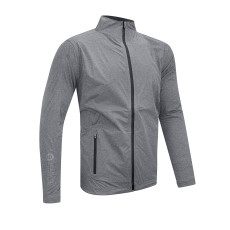
In July you can get away with a waterproof jacket living in the boot of the hire car. In October you cannot, and the golfers who learn this learn it on the fourth hole with fourteen to go. A proper shell like the Sunderland Whisperdry Pro-Lite matters less for keeping rain out — most jackets manage that for an hour — and more for being quiet and unrestrictive enough that you keep swinging normally in it for four hours. That's the spec that separates a golf waterproof from a walking waterproof, and it's the one nobody checks. If you want the technical version of that argument, we've written what 'waterproof' actually means.
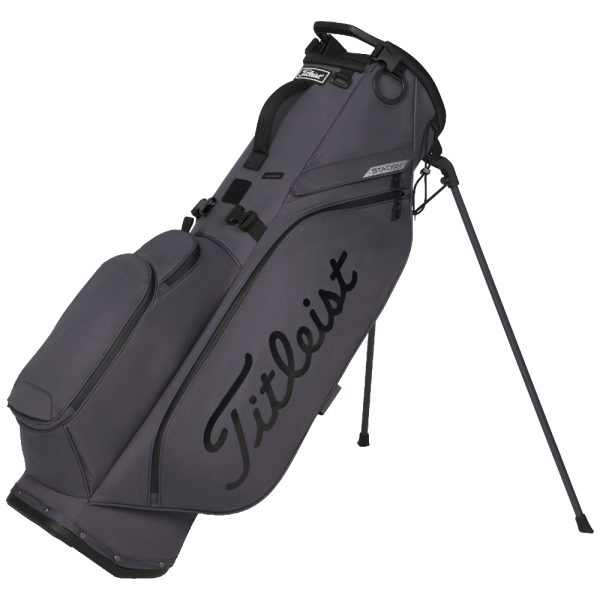
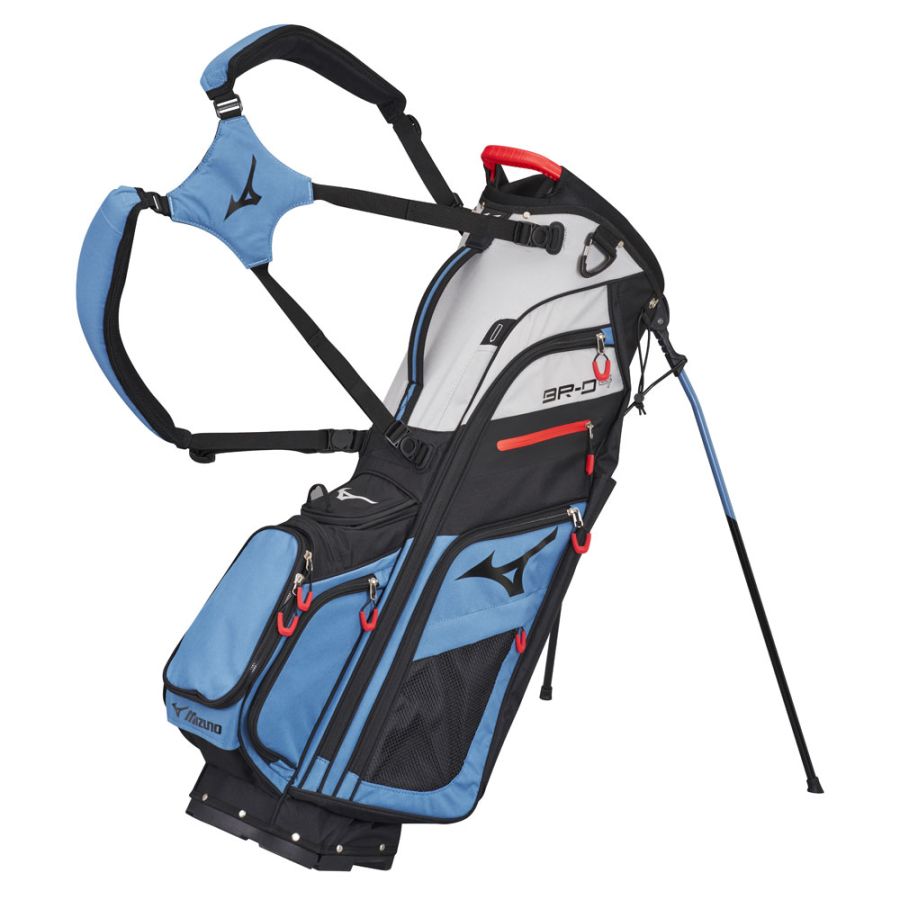
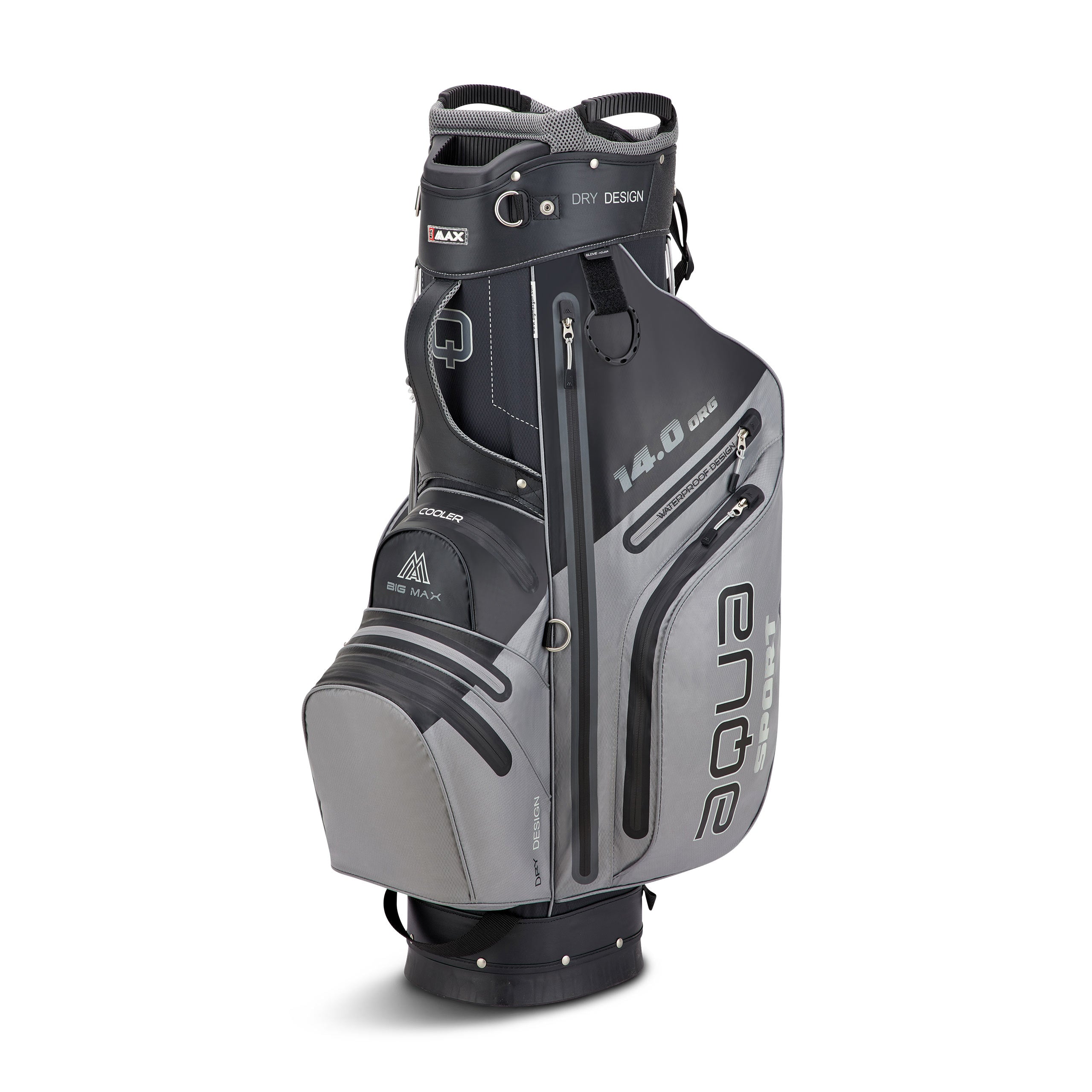
The bag is the other upgrade that suddenly earns its keep. Links golf is walking golf, and a genuinely waterproof carry bag like the Titleist Players S4 StaDry means your spare glove, your midlayer and your phone are dry at the turn rather than damp and getting worse. If your trip mixes walking courses with resort stops where you've booked a trolley, the Mizuno BR-D4 is the sensible compromise, and if you've booked a trolley everywhere then a waterproof cart bag like the Big Max Aqua Sport 3 is the honest answer rather than pretending you'll carry.
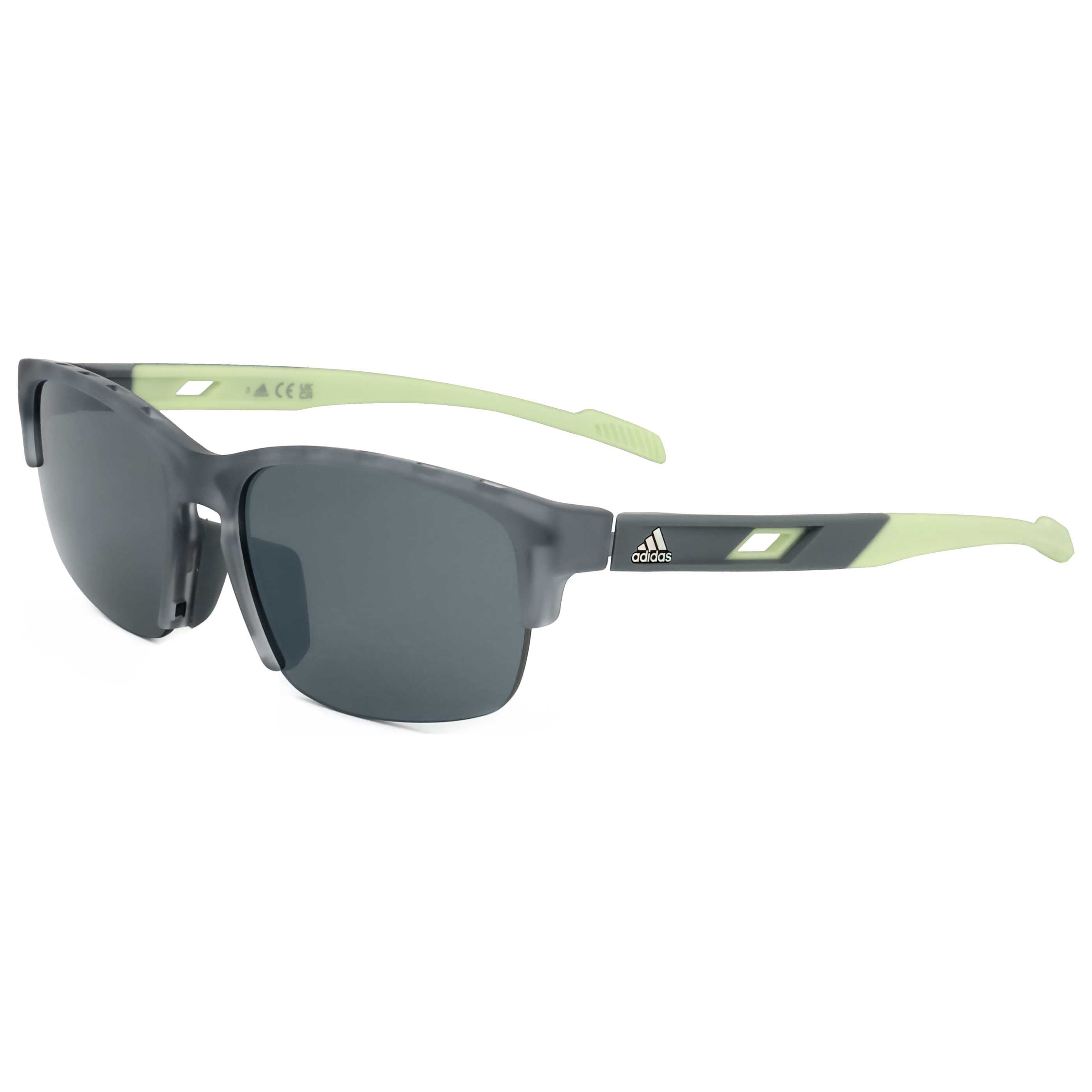
One more that surprises people: sunglasses. Autumn sun on a coastal course sits low and comes straight down the fairway at you, and a low sun is harder to play in than a high one. A restrained pair like the adidas SP0068 is worth more in October than in July. The full packing argument lives in our links trip packing list.
The trade-off, stated properly
I'm not going to pretend this is free. You are accepting a real chance of a washout, and a washout in October is not a shower, it's a day. You get fewer daylight hours. Resort facilities start winding down — restaurants go to reduced covers, some hotels shut wings, and the buzz of a full clubhouse is part of what people pay for. And there's one specific question almost everybody forgets to ask: when do you hollow-tine the greens? Autumn is prime aeration season at a lot of clubs, and arriving three days after they've punched the surfaces is a genuinely miserable way to spend a green fee. Ring and ask. Every club will tell you.
Who should ignore all of this
Anyone who genuinely dislikes wind and rain. Not 'doesn't mind it' — actually dislikes it. If your idea of a good round is shirtsleeves and a settled forecast, go in high summer, pay the peak rate, and enjoy yourself without guilt; you'll have a better holiday than the person who followed my advice and spent Tuesday in a bar in Dornoch watching horizontal rain. Same goes for anyone travelling with a mixed-ability group where two of the four will be miserable in a crosswind. Shoulder season rewards people who find the weather interesting.
For everyone else, the action is simple and it's this week's job, not next month's. Pick your fortnight, ring the clubs directly rather than trusting the booking widget, ask about aeration, and book the accommodation last because that's the flexible bit. Our wider travel coverage has the destination-by-destination detail, and if you want the general argument for travelling off-peak, we made it in shoulder-season golf trips. August is for booking. September is for playing.
Products mentioned in this article
Titleist
Titleist Players S4 StaDry Stand Bag
A fully waterproof carry bag is the shoulder-season bag — links golf is walking golf, and the forecast stops being a suggestion.
Sunderland of Scotland
Sunderland Whisperdry Pro-Lite Jacket
The quiet shell matters more than you'd think when you're swinging in it all day rather than sheltering under it for one hole.
Mizuno
Mizuno BR-D4 Stand Bag
The do-everything answer if you'll walk one course and take a trolley round the next.
Big Max
Big Max Aqua Sport 3 Cart Bag
For the trip where you've booked a trolley at every stop — waterproof, and it lives strapped on without complaint.
adidas
adidas SP0068 Sport Sunglasses
Autumn sun sits low and straight down the fairway; this is the pair you'll actually keep wearing off the course too.
ifrothgolf earns a commission on purchases made through these links, at no extra cost to you. It never changes what I recommend. Full disclosure.
Frequently asked
- When is the best month to play links golf in Scotland or Ireland?
- September is the sweet spot. The wind and the running game are back, the turf has firmed up, rates have stepped down from peak and there is still around twelve hours of usable daylight on the east coast. Early October is a close second with a higher chance of weather and noticeably shorter days.
- How far ahead should I book a shoulder-season links trip?
- For the well-known courses, the good September and October tee times start moving through late summer, so booking in August is sensible. Ring the club directly rather than relying only on the online booking page — a meaningful share of the sheet is held for tour operators and does not always show as available.
- What is the downside of playing links golf in autumn?
- Shorter days, a genuine chance of losing a round to weather, and resort facilities winding down for the season. The one people forget is greens maintenance: many clubs hollow-tine in autumn, so ask about their aeration dates before you book a specific week.
- Do I really need waterproofs for a September golf trip?
- Yes, and a golf-specific jacket rather than a walking one. The difference that matters is not whether it keeps rain out for an hour but whether it stays quiet and unrestrictive enough to swing in for four hours. A waterproof bag is the other upgrade that earns its money on a walking links trip.
Read next
Review
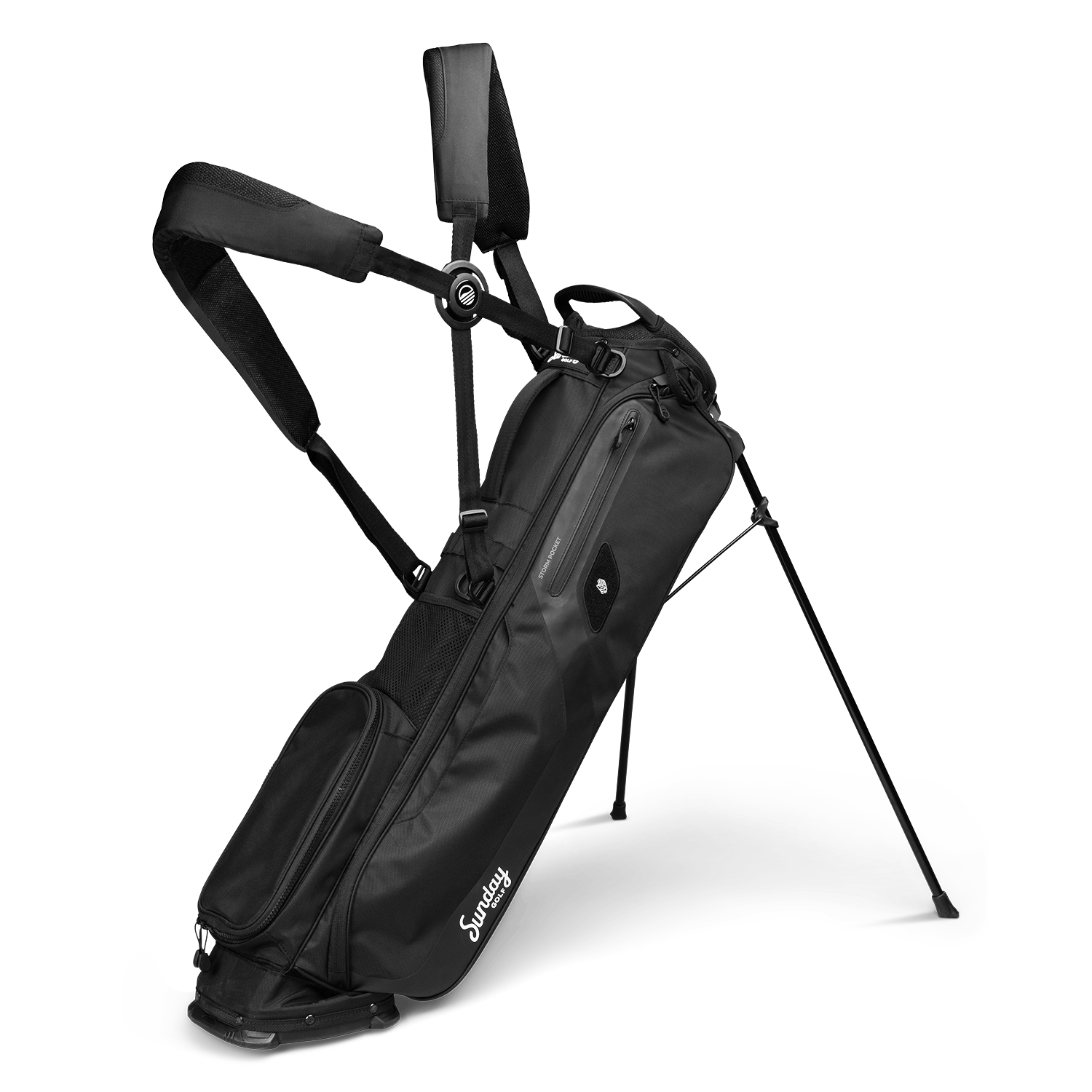
8.6/10Sunday Golf El Camino review: the featherweight bag that made walking cool again
At 1.8kg the El Camino weighs less than two dozen balls, yet it still carries ten-plus clubs, keeps two cans cold and stands rock-steady on the tee. For the walking golfer who's cut back to a half-set, it's close to perfect — as long as you're not trying to lug a full 14.
Versus
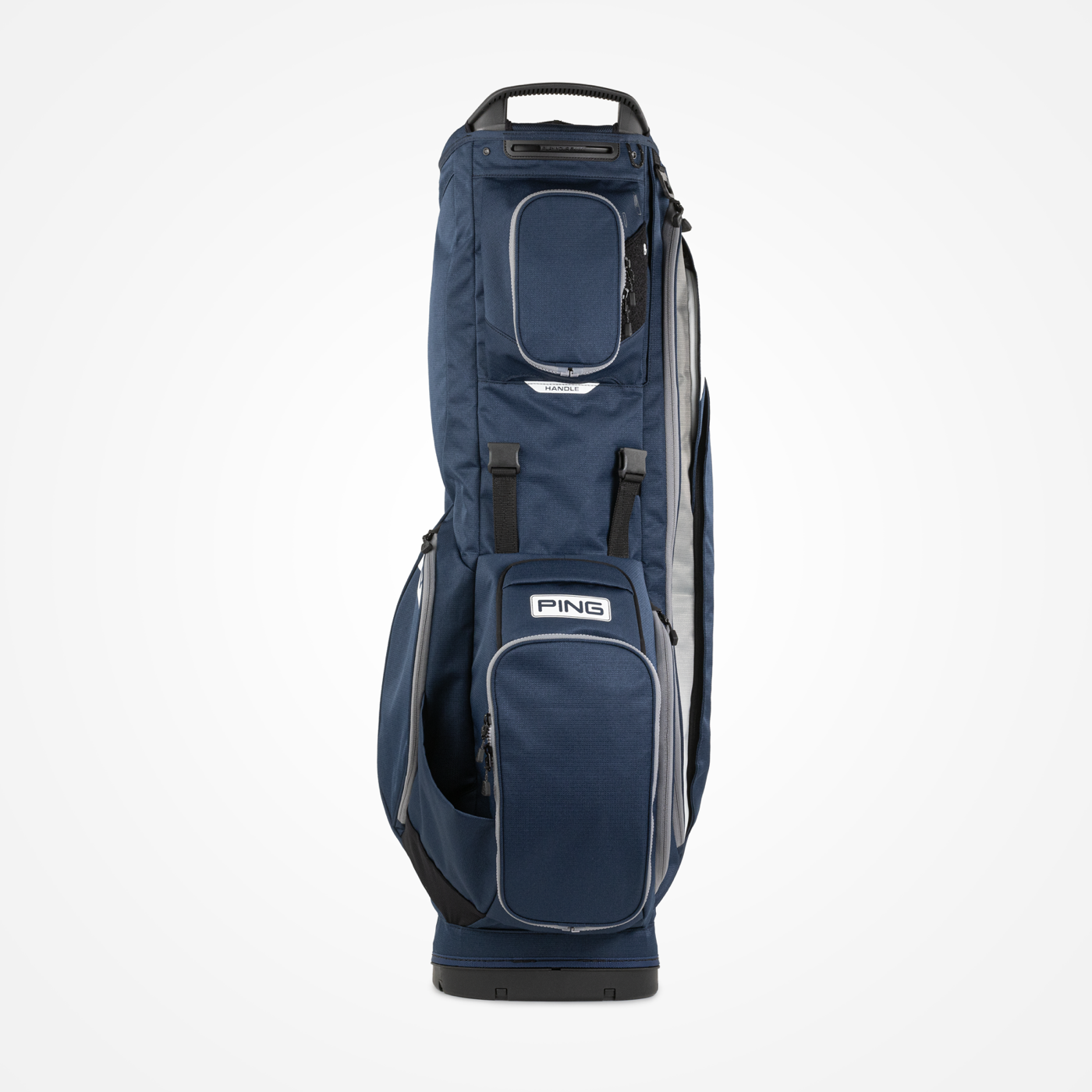
Stand bag vs cart bag: which one's right for you?
Buy the wrong one and you'll fight it every round. The choice is simpler than the wall of bags suggests — it's about how you get round.
Review
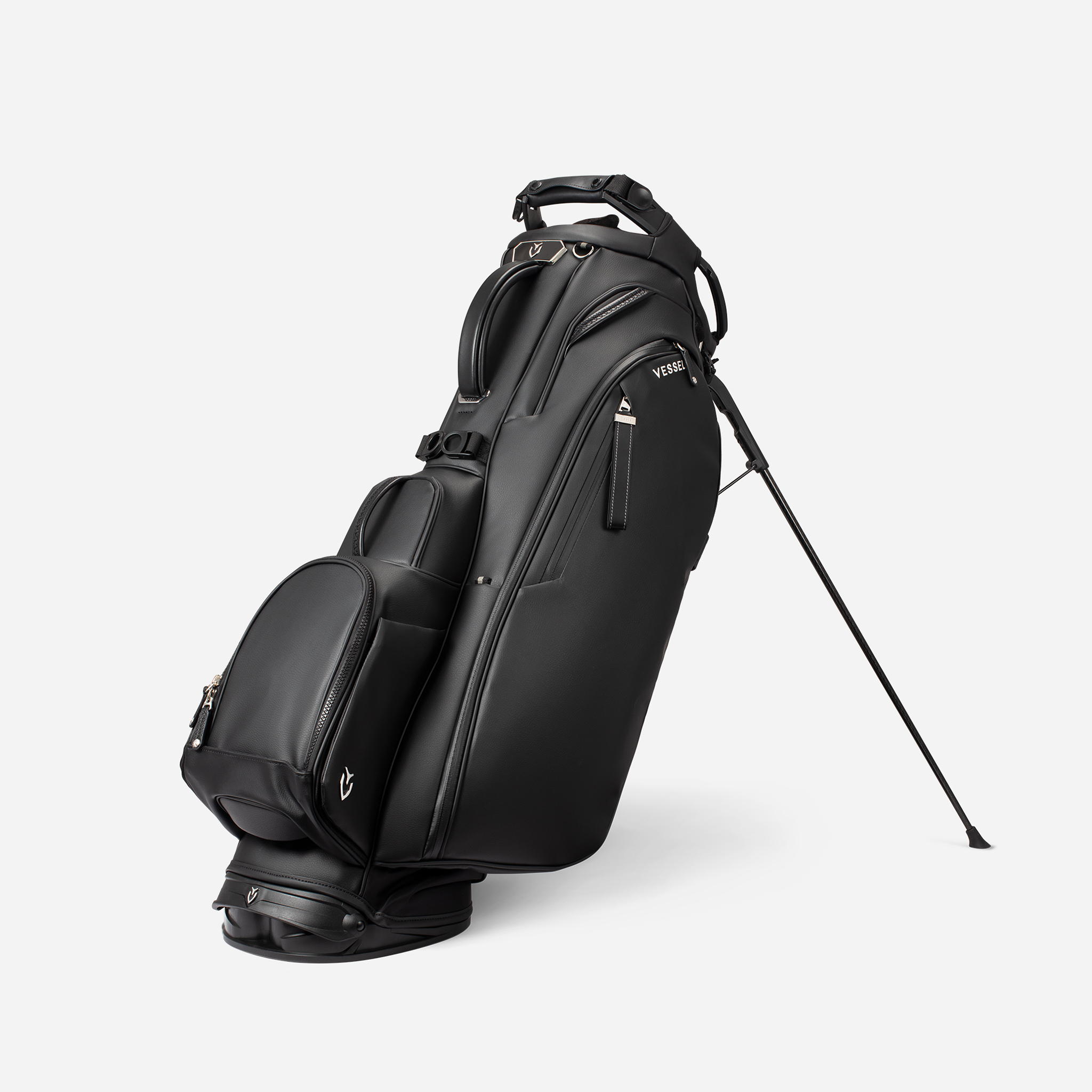
8.4/10Vessel Player V Pro review: the carry bag that feels like a luxury good
Stupidly nice to own, genuinely good to carry — if you can stomach the price, almost nothing else feels like this.