
23 of the 52 tour bags we track run the same iron shaft: True Temper Dynamic Gold
Driver shafts get a broadcast graphic. Iron shafts get silence, even though the two lists inside the same bags barely overlap. Here is what our own tour-bag data shows, and what it changes when you buy irons.
By Jordan Hale · Equipment Writer
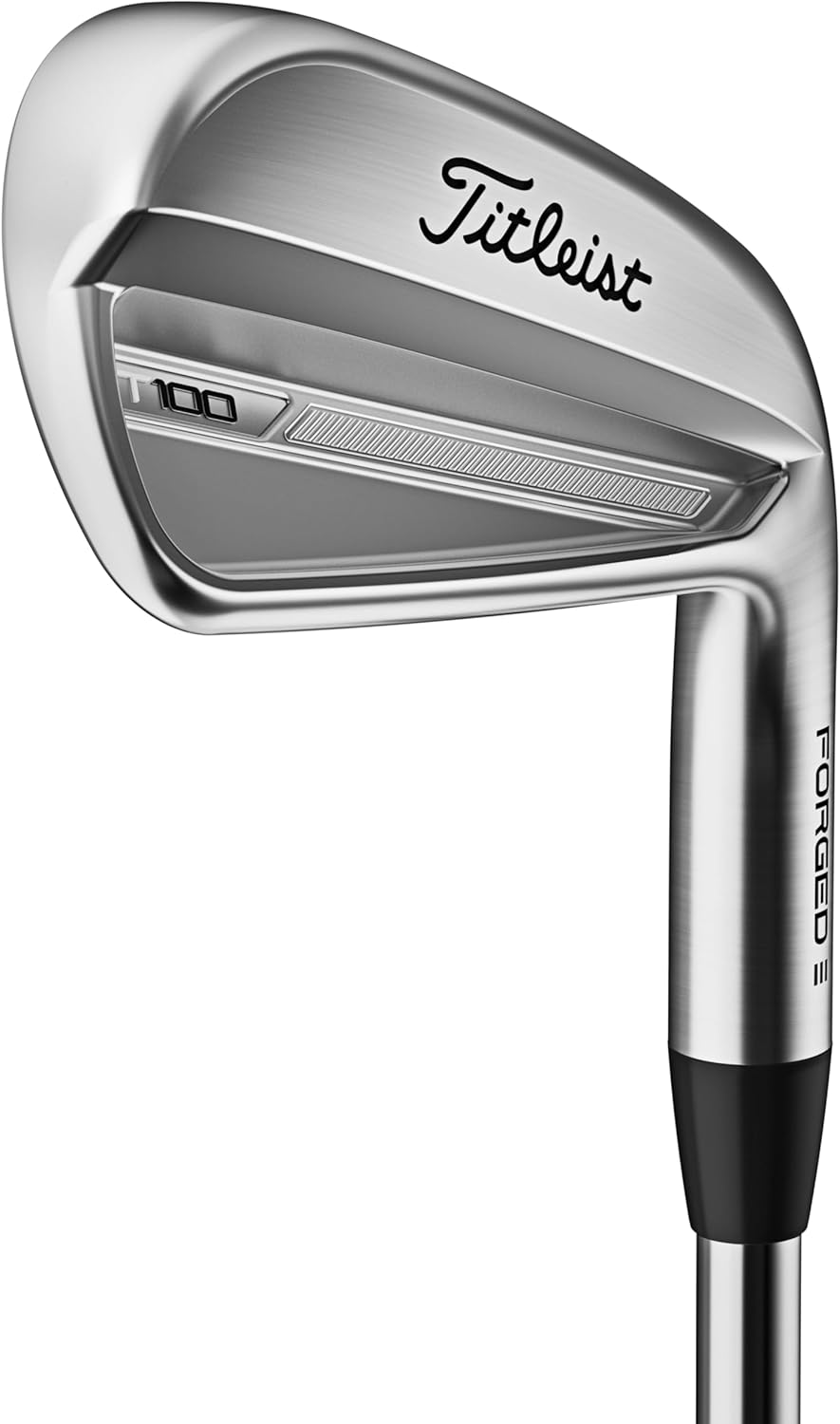
Titleist
Titleist T100 Irons
ifrothgolf earns a commission on purchases made through these links, at no extra cost to you. It never changes what I recommend. Full disclosure.
Thirty players tee it up at East Lake on Thursday for the Tour Championship, and across four days of coverage the broadcast will name more driver shafts than most golfers own clubs. Ventus. Tour AD. Diamana. The graphic goes up, someone says the model out loud, a forum thread starts. Then the same player walks to 150 yards, pulls an 8-iron, and nobody says a word about what is inside it.
That silence is the story. We maintain 53 tour bags on this site and re-verify them against named sources, and when you set the driver shafts and the iron shafts side by side, the two lists barely touch each other. They are effectively two separate industries sharing one golf bag.
The iron list is one shaft, and then everyone else
Of the 53 bags we keep, 52 record an iron-set shaft. True Temper Dynamic Gold is in 23 of those 52 — a shaft lineage older than a good number of the players swinging it. KBS accounts for 12. Project X, counting the Rifle and LZ variants under the same roof, takes 9. AeroTech SteelFiber has 4, Nippon N.S. Pro Modus3 has 3, and Ping CFS turns up in a single bag.
Two caveats before anyone quotes that across a bar. This is the set of 53 bags we maintain and re-verify against named sources, not a census of any tour, and tour bags change from one week to the next, so a build that was right in July may not be what is in the bag at East Lake. And one bag sits outside the count altogether: Grant Horvat's iron shaft is not recorded in our data, which is why the denominator is 52 rather than 53.
Compare it with the drivers in the very same bags
The driver split from those bags runs Fujikura 19, Mitsubishi 15, Graphite Design 8. Three graphite houses at the top of the tree, and we have already written up what that says about the shaft in your own driver in the piece on named driver shafts. Now go back to the iron list. Not one of those three brands appears in it. Not once.
That is not an oversight in our data. It is the shape of the market. A steel iron shaft is a metallurgy problem: wall thickness, step pattern, tip stiffness, a few grams either side of a target weight, repeated identically across eight heads. A driver shaft is a composite layup problem, where a company is selling a torque profile and a bend feel in a single club that gets swung at maximum effort. Different factories, different engineers, different sales channels. The brands that dominate one have almost no reason to exist in the other.
One player runs both halves of the argument in the same set
Russell Henley is the neat illustration. His set is not on one shaft at all: AMT Tour White in the 5 and 6 irons, Dynamic Gold from the 7 down through the 9. Same manufacturer, two different weight and launch profiles, split at the point in the set where his job changes from getting the ball up in the air to controlling how far it goes.
Nobody at that level is picking a brand. They are picking a weight and a flight window, club by club, and the badge on the shaft is whatever happens to deliver it.
What the split actually means when you buy irons
The useful takeaway is not that you should go and order Dynamic Gold. It is that shaft weight and profile are the variables being fitted, and brand is downstream of both. A 130-gram steel shaft and a 105-gram steel shaft from the same manufacturer will change your strike pattern, your dispersion and your flight far more than swapping between two 120-gram shafts from rival brands.
It also means that the stock option is no longer a punishment. The Titleist T100 is the clearest case: it is the benchmark players' iron, in the bags of Jordan Spieth and Justin Thomas, dual-forged with tungsten in the long irons, and it is sold as a 4-PW or 5-PW build in which the shaft is a genuine fitting decision rather than a fixed part of the product. You are not buying an iron and then fixing the shaft afterwards. The shaft is half the order.
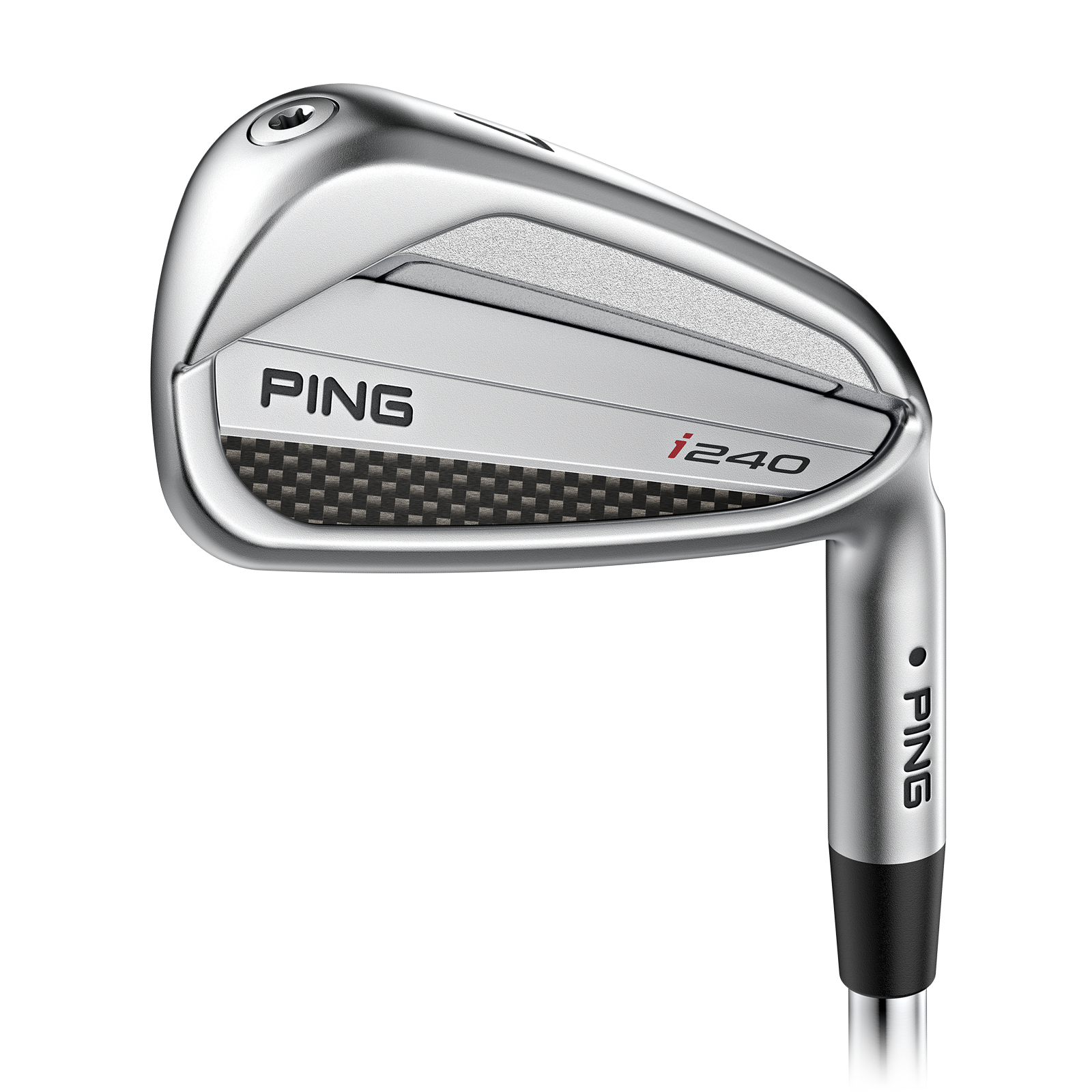
Ping goes further and makes the point on the head instead. The PING i240 ships in Standard, Power Spec and Retro Spec lofts, which is a manufacturer stating out loud that the number stamped on the sole is a fitting variable. Once you accept that about loft, the argument about shafts follows on its own. Reviewers keep calling the i240 tremendously consistent for the head size, but consistency in a cavity-back is only ever half yours — the other half is the spec you order it in.
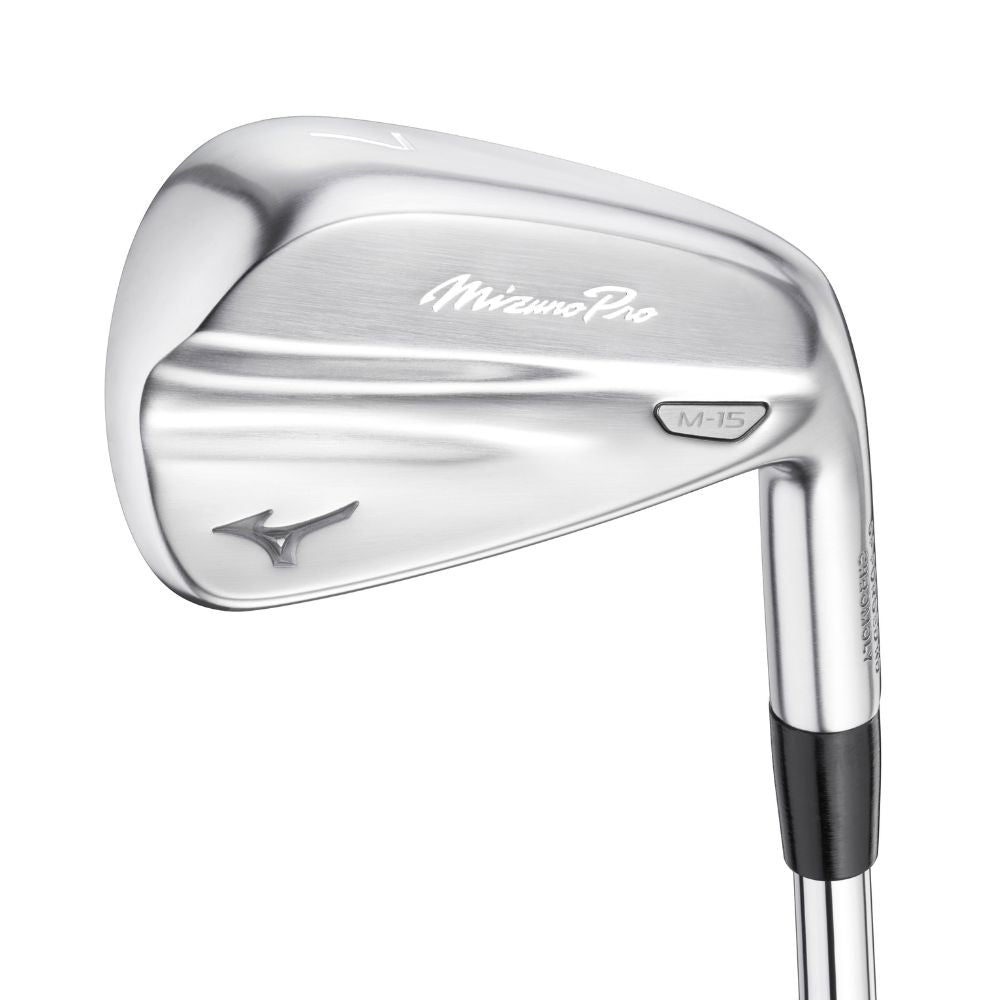
The most flexible arrangement in the category right now belongs to Mizuno. The Mizuno Pro M-15 is sold per club rather than as a fixed seven-piece set, which means a Henley-style split is available to anyone who wants one without a custom-order conversation. It is a hollow-body build through the 4 to 8 irons with a Grain Flow Forged chromoly face and suspended tungsten, it finished runner-up in MyGolfSpy's 2026 Most Wanted players' distance test, and testers keep reporting more carry gain in the mid irons than the long ones. That is exactly the kind of asymmetry a two-shaft set exists to smooth out.
Where the direct-to-consumer route changes the question
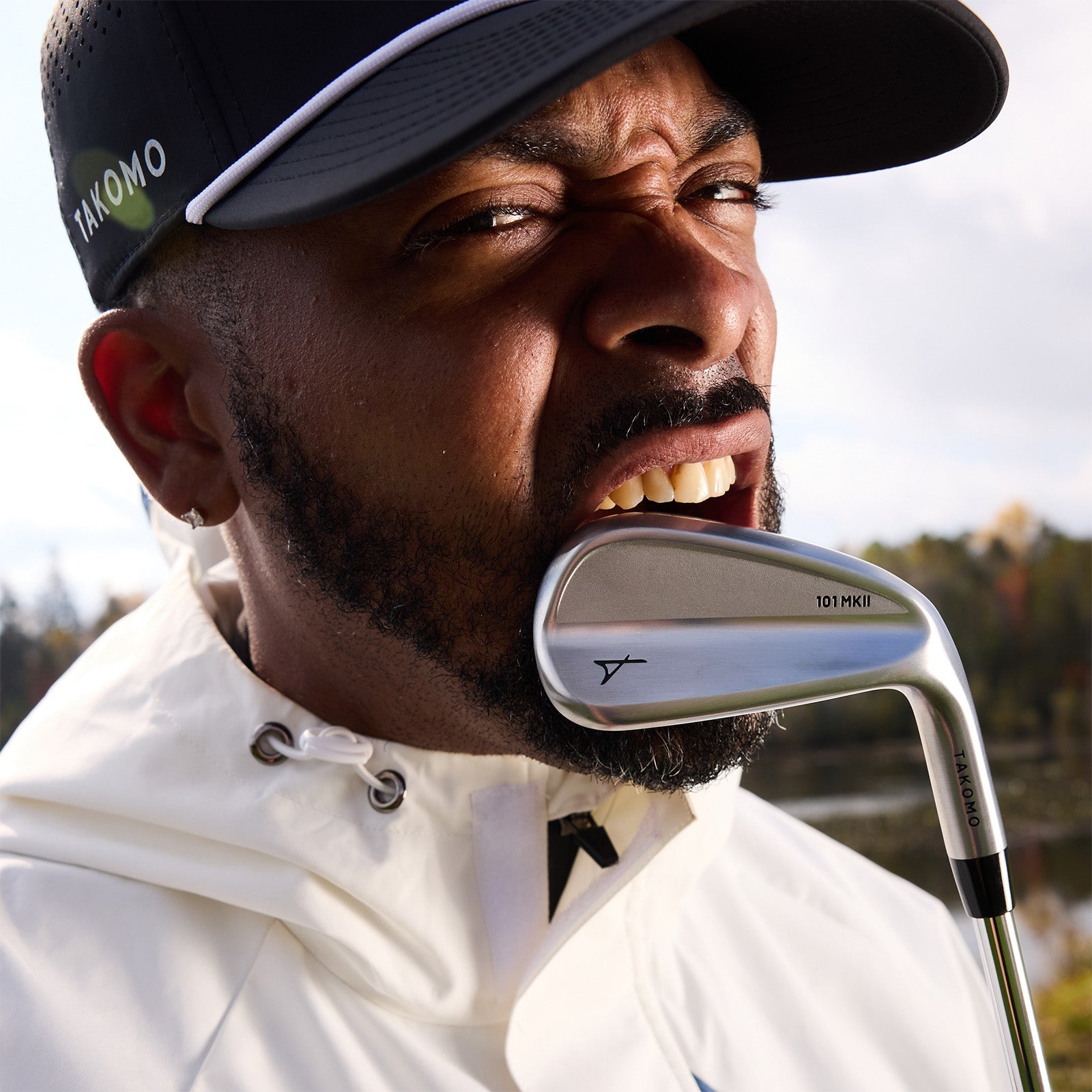
Buy Takomo 101 MKII irons and the shaft decision arrives as a dropdown on a checkout page rather than a fitter with a launch monitor. That is the real trade at around $650 for seven clubs: MyGolfSpy's 2026 Best Game-Improvement Iron, a variable-thickness long-iron face and a finish that looks nothing like its price, in exchange for choosing your own spec unaided and thinking hard about the wedge gap under a strong pitching wedge. If you already know your shaft weight from a previous fitting, that is a bargain. If you do not, pay someone to tell you before you order, not after.
And the graphite question
Steel is not the only answer, even in this list. AeroTech SteelFiber appears four times among the 52, which is a graphite-cored shaft in a tour iron set, and the reflex that graphite belongs only in slower swings has been out of date for years. The full argument about weight, damping and who each material actually suits is in our guide to steel versus graphite iron shafts and is worth ten minutes before any fitting.
The one-line version: the shaft in your irons is being chosen on weight and flight profile by everyone whose living depends on it, and almost never on the name printed down the side. Copy the method, not the model.
Products mentioned in this article
Titleist
Titleist T100 Irons
The tour benchmark, and the set where the shaft conversation is a fitting appointment rather than a checkbox.
PING
PING i240 Irons
Three factory loft specs, which is the clearest admission in the category that spec beats badge.
Mizuno
Mizuno Pro M-15 Irons
Sold per club, so the long irons can carry a different shaft from the short ones without a custom order.
Takomo
Takomo 101 MKII Irons
Direct-to-consumer, which means the shaft decision arrives as a dropdown menu instead of a fitter.
ifrothgolf earns a commission on purchases made through these links, at no extra cost to you. It never changes what I recommend. Full disclosure.
Frequently asked
- What iron shaft do most tour players use?
- True Temper Dynamic Gold, by a distance. Of the 53 tour bags we maintain, 52 record an iron-set shaft, and 23 of those 52 are on Dynamic Gold. KBS is next with 12, then Project X including the Rifle and LZ variants with 9, AeroTech SteelFiber with 4, Nippon N.S. Pro Modus3 with 3 and Ping CFS with 1. That is our own maintained set of bags rather than a full tour census, and builds change from week to week.
- Why are tour driver shafts and iron shafts from completely different brands?
- Because they are different engineering and different businesses. Steel iron shafts are made by controlling wall thickness, step pattern and tip stiffness to hit a weight target repeatedly across eight heads. Driver shafts are composite layups sold on torque and bend profile in a single club. In the bags we track, the leading driver-shaft brands do not appear in the iron list at all.
- Does the shaft in my irons matter as much as the one in my driver?
- It matters differently. A driver shaft is chosen mostly for launch, spin and feel at maximum effort. An iron shaft is chosen for weight first, because weight drives strike quality and dispersion across eight clubs you hit at controlled speed. Getting the weight wrong across a whole set costs more shots than getting a driver shaft slightly wrong in one club.
- Can you use two different shafts in one set of irons?
- Yes, and it happens at the top level. Russell Henley plays AMT Tour White in his 5 and 6 irons and Dynamic Gold from the 7 through the 9. Irons sold per club rather than as fixed sets make this straightforward to order. The usual reason is to launch the long irons higher without changing the feel of the scoring clubs.
Read next
Review
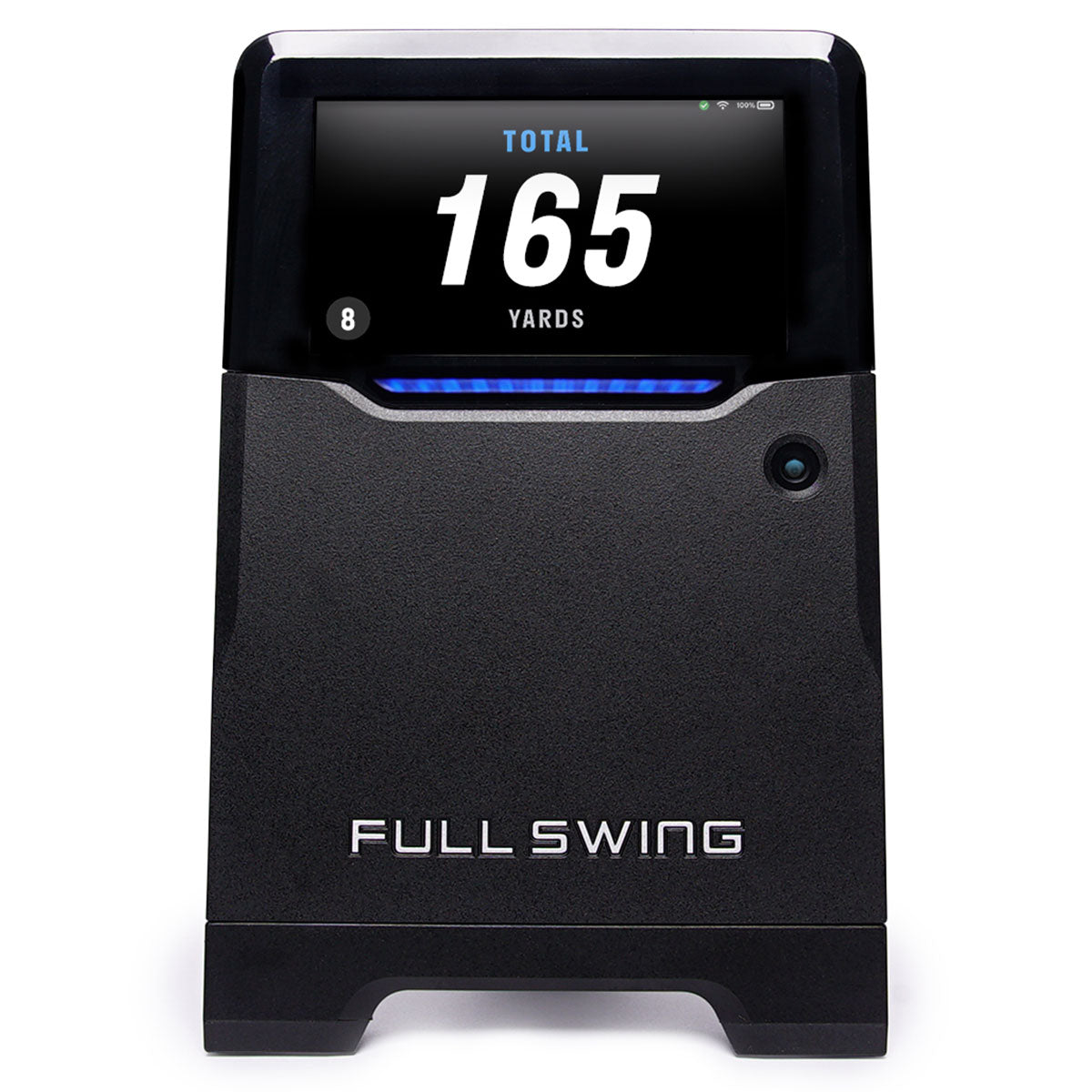
7.9/10Full Swing KIT review: the tape measure decides this, not Tiger
Tour pedigree, TGL on ESPN, and radar good enough to be checked against a Trackman outdoors. It also wants eighteen to twenty feet of room, which rules out most of the garages people buy it for.
Versus
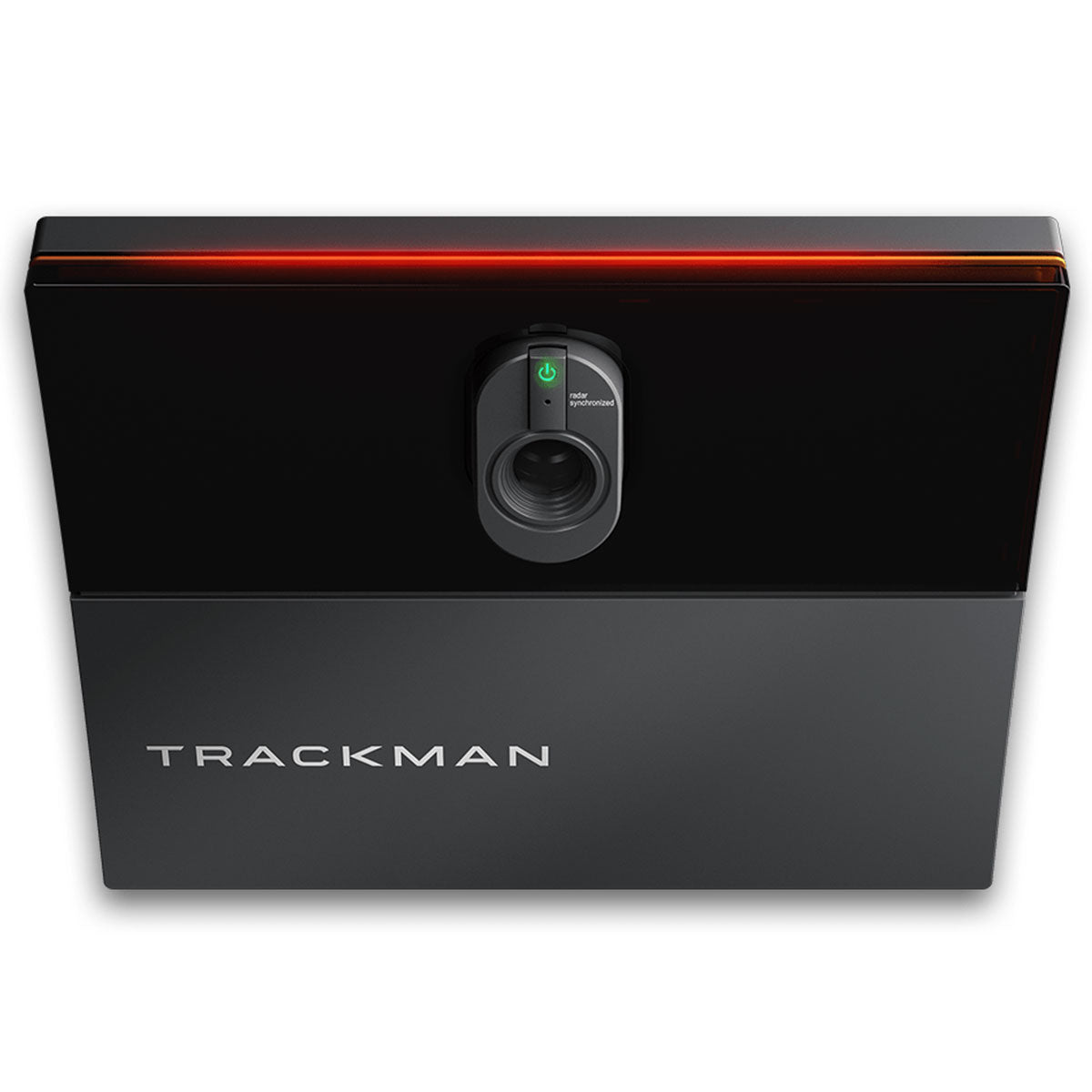
Trackman iO vs Uneekor EYE XO2: the year-one trap
Both mount overhead, both want ten feet of ceiling, and about $3,000 separates them on the shelf. Then Trackman's included first year runs out, and the gap starts growing by $1,100 a year.
Versus
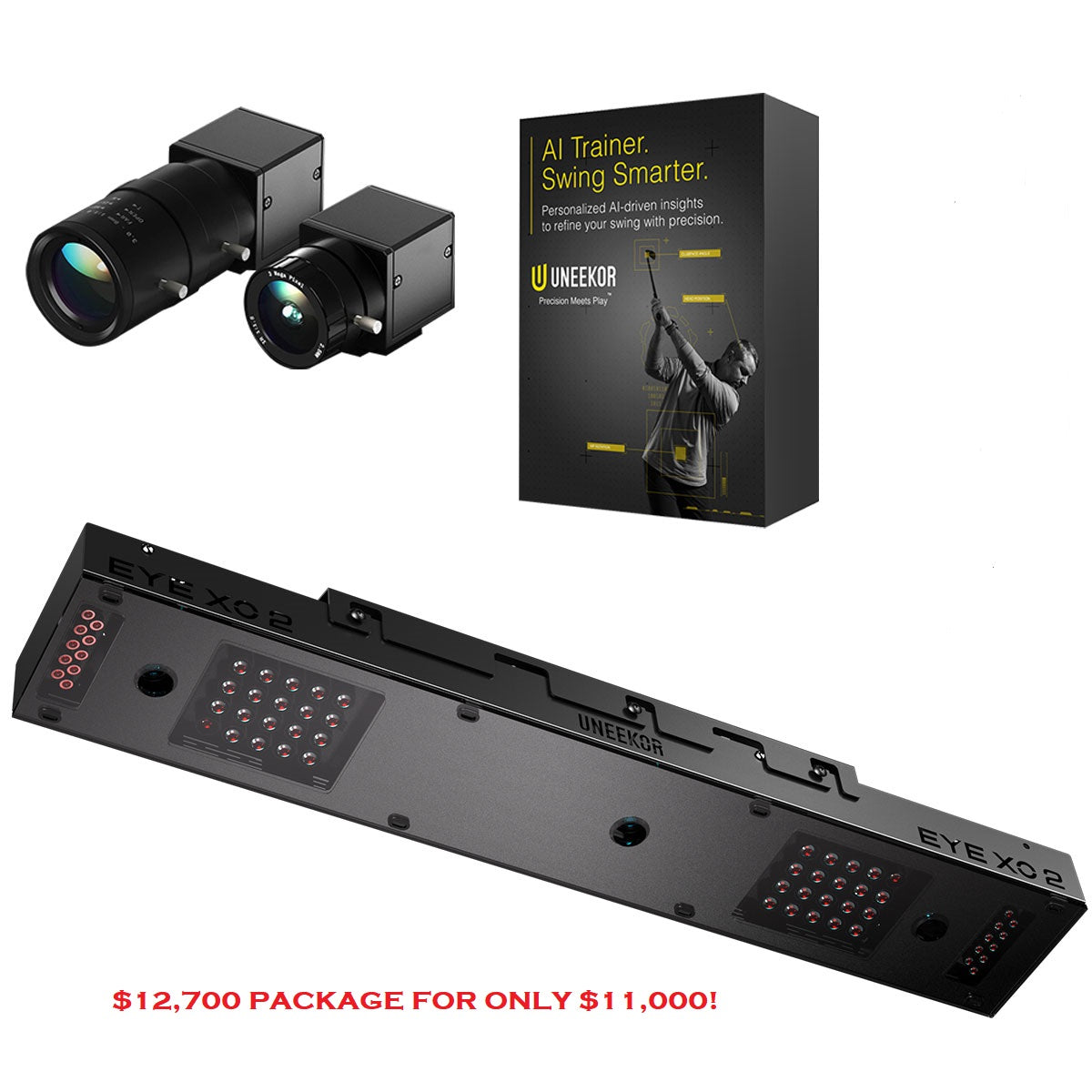
Uneekor EYE XO2 vs Foresight GC3: ceiling or floor?
About $4,000 separates them, but they're not really rivals — one lives in your ceiling forever, the other sits on the floor and travels. The cheaper one is also the one with no subscription.