
Speed, putting and strength: the three bits of winter practice that survive the walk back onto grass
The clocks go back, the mat and the net come out of the garage, and four months later almost nobody is any better. The work that survives the walk back onto grass has one thing in common, and most indoor practice fails the test.
By Ross Hamilton · Staff Writer
PuttOUT
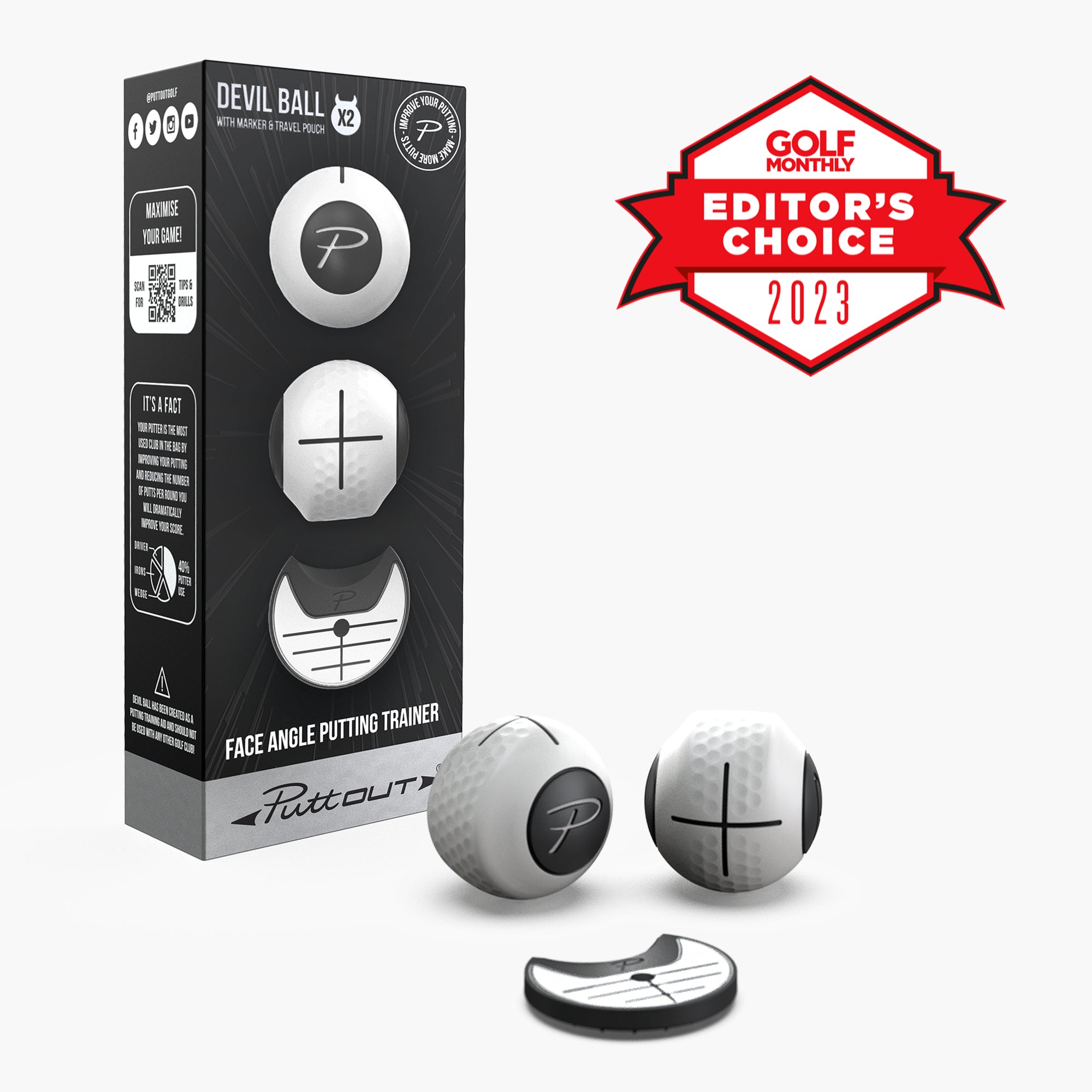
PuttOUT Devil Ball Face Angle Trainer (2 Pack)
ifrothgolf earns a commission on purchases made through these links, at no extra cost to you. It never changes what I recommend. Full disclosure.
It is the first week of September, the light is already going at half eight, and within about six weeks a very familiar thing will happen in a few hundred thousand garages. The mat comes out. The net goes up. Somebody buys a swing trainer with a name like an energy drink. And by April, having practised more over the winter than they did all summer, they will walk onto the first tee and shoot exactly what they shot in October.
This is not a motivation problem. Those people did the work. It is a transfer problem, and it has a very simple diagnostic that almost nobody applies before they start.
The test: could a camera tell the two reps apart?
Put a camera on the indoor version of a task and the on-course version of the same task, and ask whether they are the same physical event. Not similar. The same. If the answer is yes, the work transfers at full strength. If the answer is no, you are practising a related but different skill, and the carry-over is somewhere between partial and negative.
Run the popular winter activities through it and the results are unkind. A six-foot putt on a decent mat is a six-foot putt — same length, same stroke, same face, same start line. Passes. A wedge off a mat into a net is not a wedge off wet October fairway to a flag — different turf interaction, no flight, no landing, no feedback. Fails. Swinging a weighted stick indoors is exactly the same physical act as swinging it outdoors. Passes, at 100 per cent.
That last one is the counterintuitive result, and it is why the headline is not a stunt: the highest-transfer work available to you between November and March mostly involves no golf ball.
Three things that transfer at full strength
Speed. Overspeed training is a physical adaptation, not a skill. You are training your nervous system to move a light object faster, and it does not know or care whether the ceiling is nine feet or open sky. A Rypstick at around $200 or any structured stick protocol is the same session in a garage in January as it is on a range in June, and a couple of miles an hour of clubhead speed over six weeks is a realistic ask for someone who has never done it. That is real yardage bought in the dark. We have gone deeper on the protocols in our explainer on swing speed training.
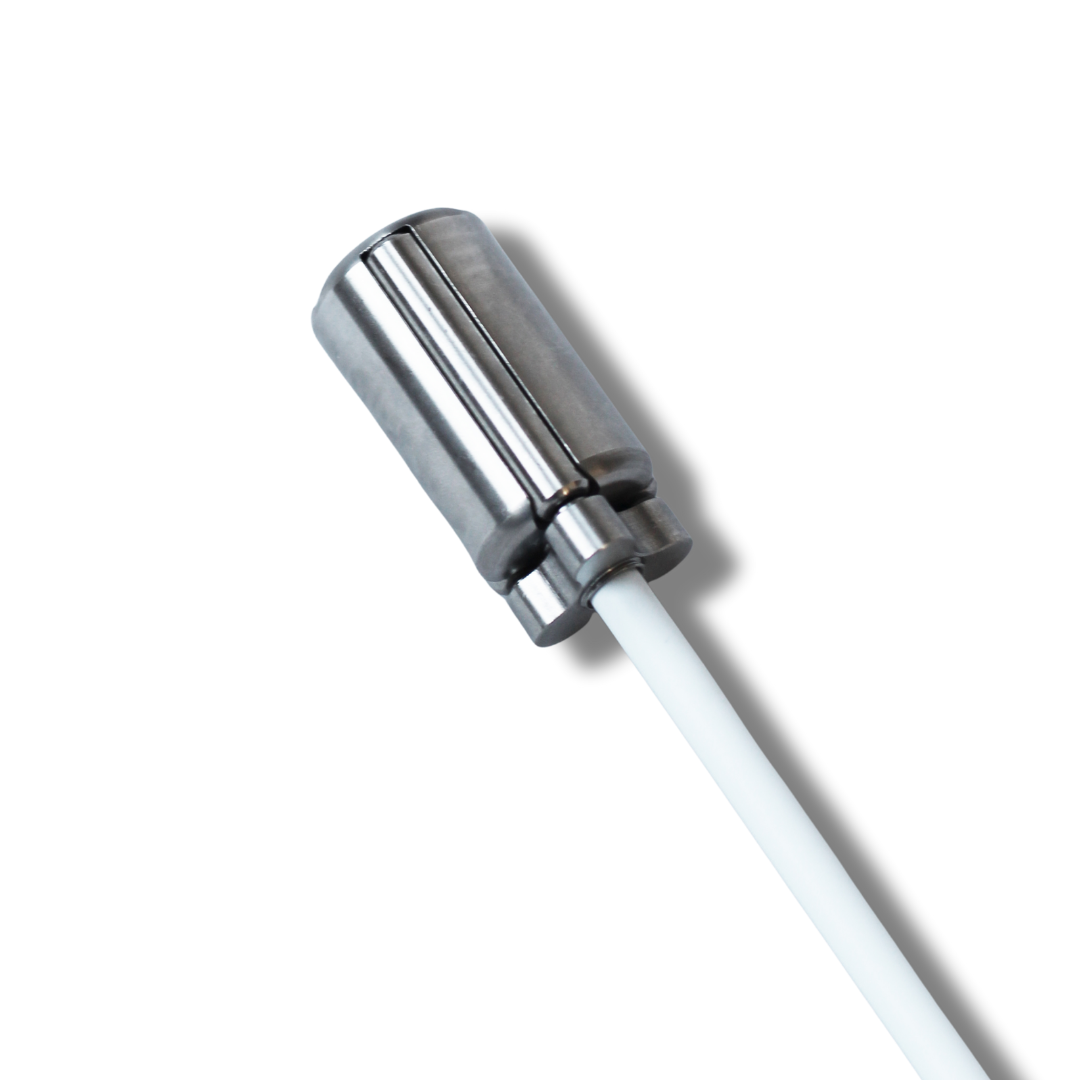
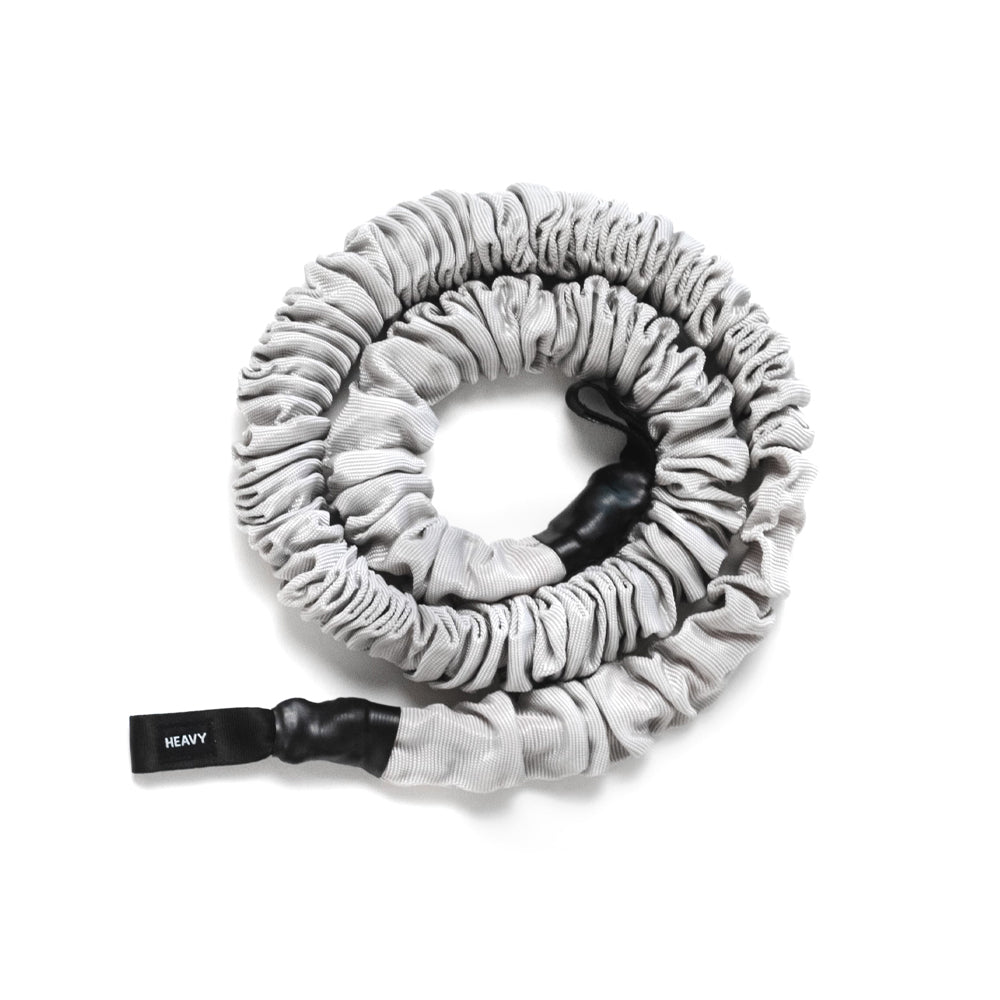
Capacity. Rotational strength, thoracic mobility and hip range are not golf skills either. They are physical properties of you, and they persist. Fifteen minutes three times a week with something like the GolfForever bands at around $90 produces a body in April that is measurably different from the one that stopped playing in November — no calibration required, because there is nothing to recalibrate.
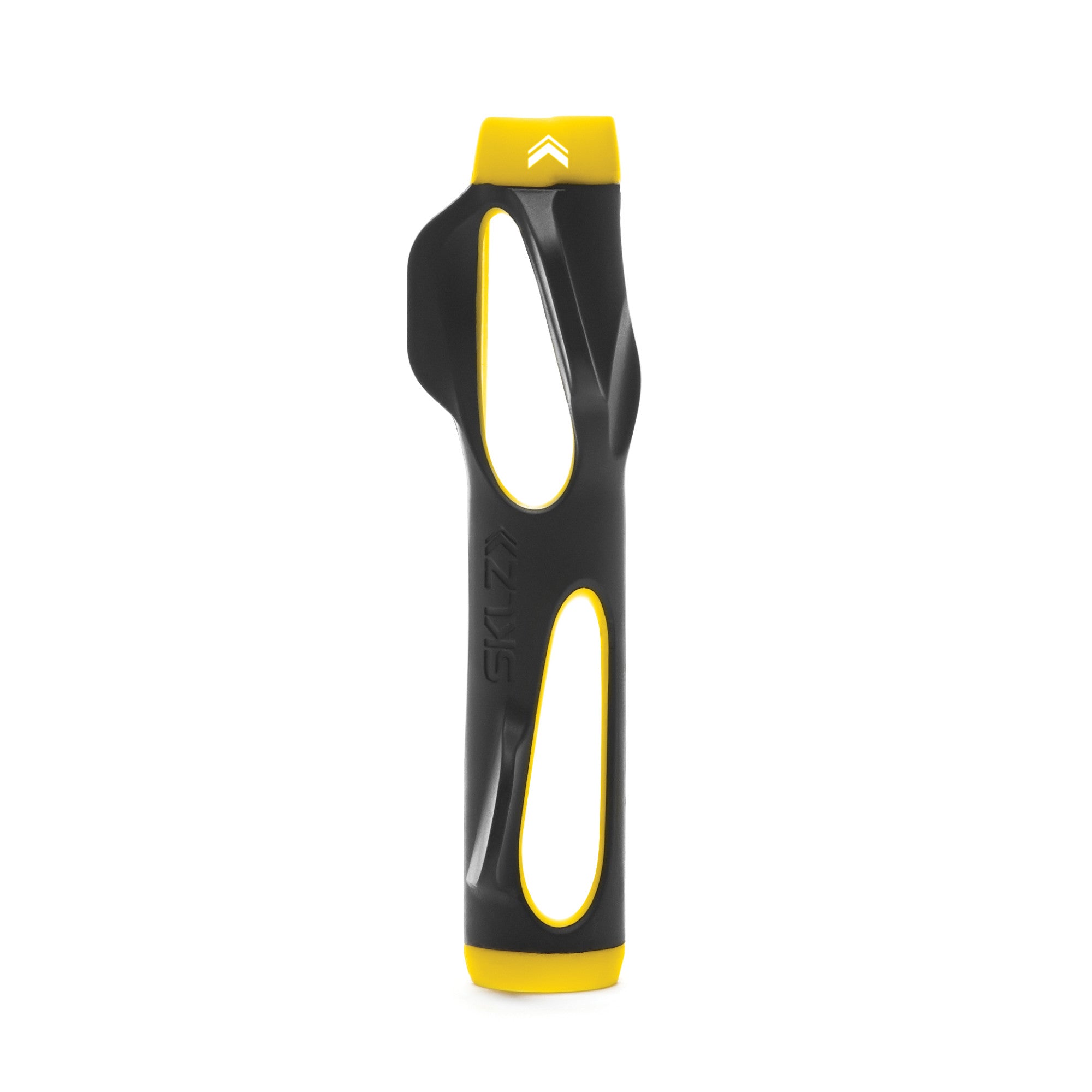
Static positions. Grip, posture, ball position and alignment are held shapes, not motions. You can rehearse them in a hallway with no ball, no space and no feedback loop, and the rehearsed version is identical to the on-course version. A grip trainer at around $15 is the least glamorous thing in this article and probably the highest-leverage one for a beginner, because a bad grip is a permanent tax on every shot and it is the one change you can genuinely bed in over a winter.
The net is the most dangerous thing in your garage
Now the part nobody selling indoor kit wants to say. A net removes ball flight, and ball flight is the only free error signal golf gives you. Without it you cannot tell a pull from a push, a heel strike from a toe strike, or a shot that started left and curved back from one that went straight left. What you can still feel is contact, and contact off a thin mat feels good even when your low point is two inches behind the ball, because the club skids instead of digging.
So the winter net session quietly trains two things: a slightly early low point, and confidence in a swing you cannot see the results of. Then you take that to a wet fairway in April, where the ground does not forgive anything, and the first five rounds are baffling. It is not that the net did nothing. It is that it taught you something specific and wrong.
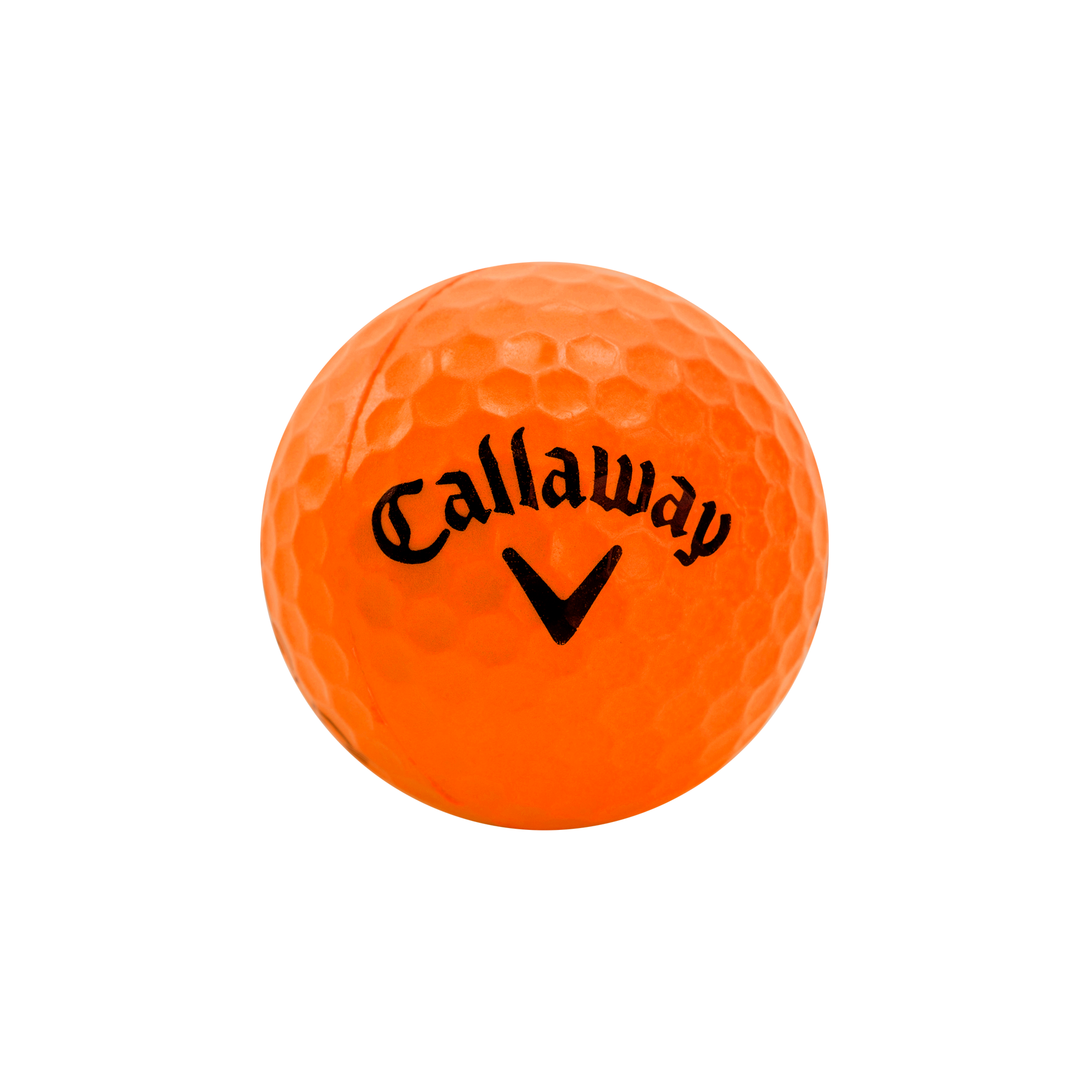
If you are going to swing indoors anyway — and most people will — hit foam balls into open room rather than a real ball into a net. You get maybe fifteen feet of flight, which sounds useless and is not: fifteen feet is enough to see start direction and curvature, which restores the error signal the net deleted.
Putting transfers, but only half of it
Home putting is the best-transferring ball work there is, and it comes with a caveat that gets skipped. The stroke, the face and the start line on a six-foot putt are identical indoors. Pace is not — a mat runs at one fixed speed that has nothing to do with your greens, and the slower and wetter those greens get through the autumn, the further apart the two get.
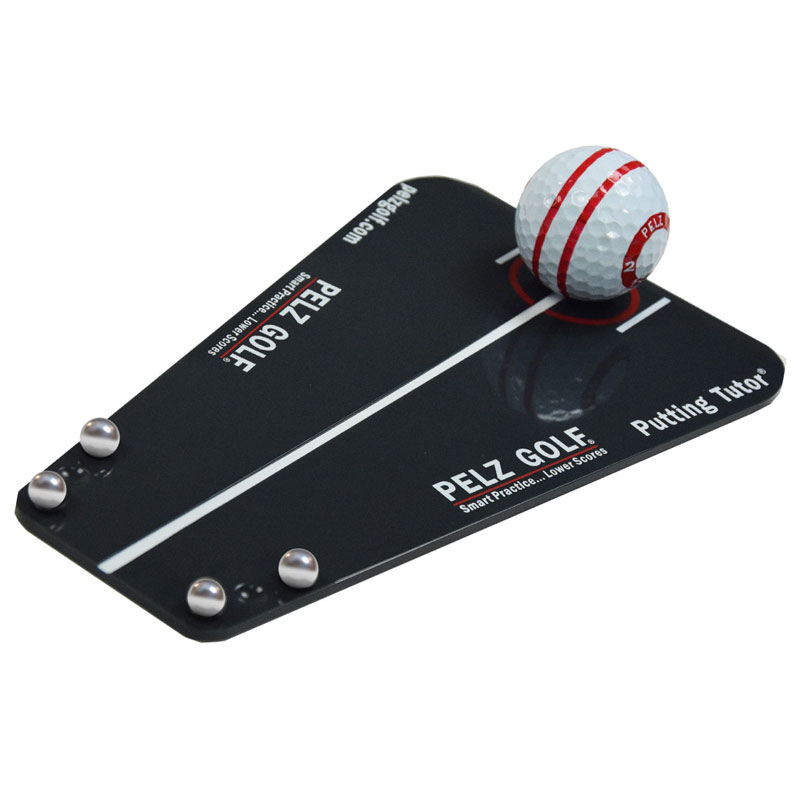
So spend indoor putting time on the half that transfers: start line and face control from four to eight feet, which is where face angle decides roughly 80 per cent of the direction anyway. A PuttOUT Devil Ball at around $30 makes an open or shut face immediately visible because the ball simply will not roll straight off a crooked face, and the Pelz Putting Tutor at around $35 turns start line into a pass-or-fail with two marbles. Neither pretends to teach you pace, which is the honest part.
For the rest of the home putting picture, including how to build a session that you will actually repeat, we covered it in how to practise putting at home.
Why winter swing changes fall apart in April
Because a motion needs calibrating and a position does not. When you change a movement — the takeaway, the transition, the release — the new version produces a different ball flight, and you only learn to trust it by seeing hundreds of outcomes and adjusting. Indoors you get the new movement and none of the outcomes. So you arrive in April with an uncalibrated swing that feels like a stranger's, play three bad rounds, and revert. Every year.
The workaround is to spend the dark months on the changes that need no calibration at all — grip, setup, aim, speed, strength — and save the motion work for the first fortnight when you can see a ball fly again. If you still have light and turf right now, incidentally, that fortnight is happening this month, which is the argument in the six weeks that actually change your handicap.
Who can ignore all of this
If you play year-round in a mild climate and never lose more than a fortnight, ignore it — you have no off-season and no transfer gap to manage. If you play fewer than about ten rounds a year, ignore it too: buying practice equipment to support ten rounds is a hobby, not an investment, and you would be better off spending the same money on two more rounds. And if you already have a full launch monitor and a hitting bay, this article is not about you, because you have bought the missing error signal back and can do motion work with real numbers.
Everyone else — the beginner, the twenty-handicapper, the person who plays thirty times between April and October and then vanishes — is choosing between two winters. One where you swing a lot and change nothing, and one where you arrive in spring with a better grip, a couple more miles an hour, hips that turn, and a square face from six feet. The second one costs less and takes about twenty minutes a day.
Products mentioned in this article
PuttOUT
PuttOUT Devil Ball Face Angle Trainer (2 Pack)
A face-angle trainer that punishes the exact error that decides short putts, and works on any carpet.
Pelz Golf
Pelz Putting Tutor
Marbles and a plate that make start line a pass-or-fail question rather than an opinion.
SKLZ
SKLZ Golf Grip Trainer Attachment
The cheapest genuinely transferable off-season change: a static hand position you can rehearse without a ball.
RYP Golf
Rypstick Golf Swing Speed Trainer
Overspeed work is the one indoor session that carries over at full strength, because there is no ball to calibrate.
GolfForever
GolfForever Resistance Bands + App
Rotational strength and mobility are the same in April as they were in November, which is the whole point.
Callaway
Callaway HX Soft Flight Foam Practice Balls (9 Pack)
If you must swing indoors, these give you a flight to read instead of a net that tells you nothing.
ifrothgolf earns a commission on purchases made through these links, at no extra cost to you. It never changes what I recommend. Full disclosure.
Frequently asked
- What is the best indoor golf practice over winter?
- Work that does not need ball flight to be useful: overspeed and strength training, mobility, rehearsing grip and setup positions, and short putting for start line and face control. All of these are physically identical indoors and outdoors, so they carry over at full strength instead of needing to be relearned in spring.
- Does hitting into a net actually help your golf swing?
- It helps you keep swinging, but it removes ball flight, which is the only feedback that tells you whether a shot started left, curved, or was struck off the toe. Worse, a thin mat lets the club skid, so a low point two inches behind the ball still feels clean. Hitting foam balls into open space gives you a short flight to read and restores some of that feedback.
- Can you really gain clubhead speed over the off-season?
- Yes, and it is the most reliable indoor gain available. Structured overspeed protocols run around three sessions a week for six to eight weeks, and a golfer who has never trained speed can realistically expect a couple of miles an hour of clubhead speed, which is worth several yards off the tee before any equipment change.
- Should you change your grip during the off-season?
- It is the single best time to do it. A grip is a held position rather than a motion, so it needs no ball flight to calibrate, and the awkward first fortnight costs you nothing when there is no card in your pocket. Rehearse it daily for a few minutes with a trainer or a marked club and it will feel normal long before the first medal.
Read next
Review
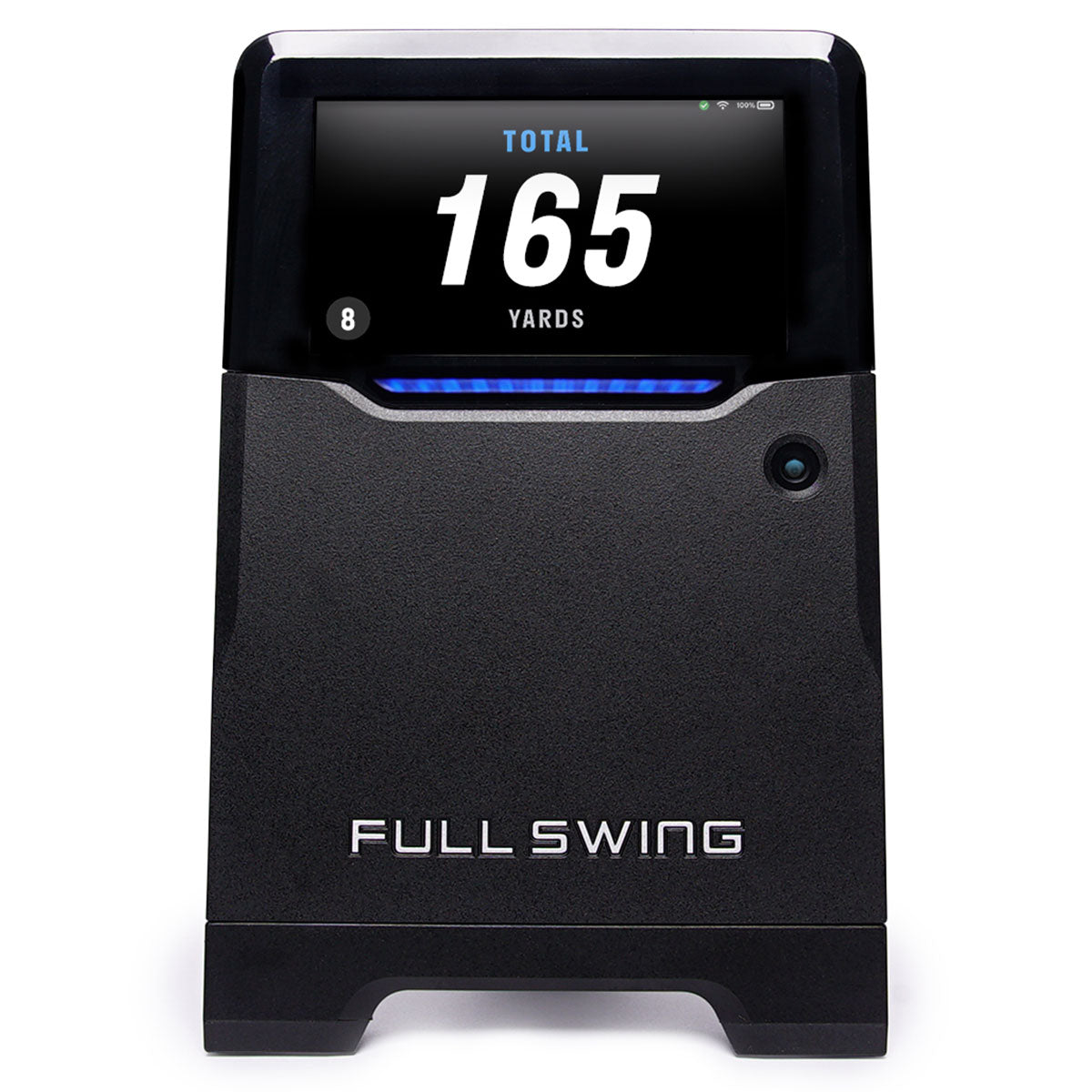
7.9/10Full Swing KIT review: the tape measure decides this, not Tiger
Tour pedigree, TGL on ESPN, and radar good enough to be checked against a Trackman outdoors. It also wants eighteen to twenty feet of room, which rules out most of the garages people buy it for.
Versus
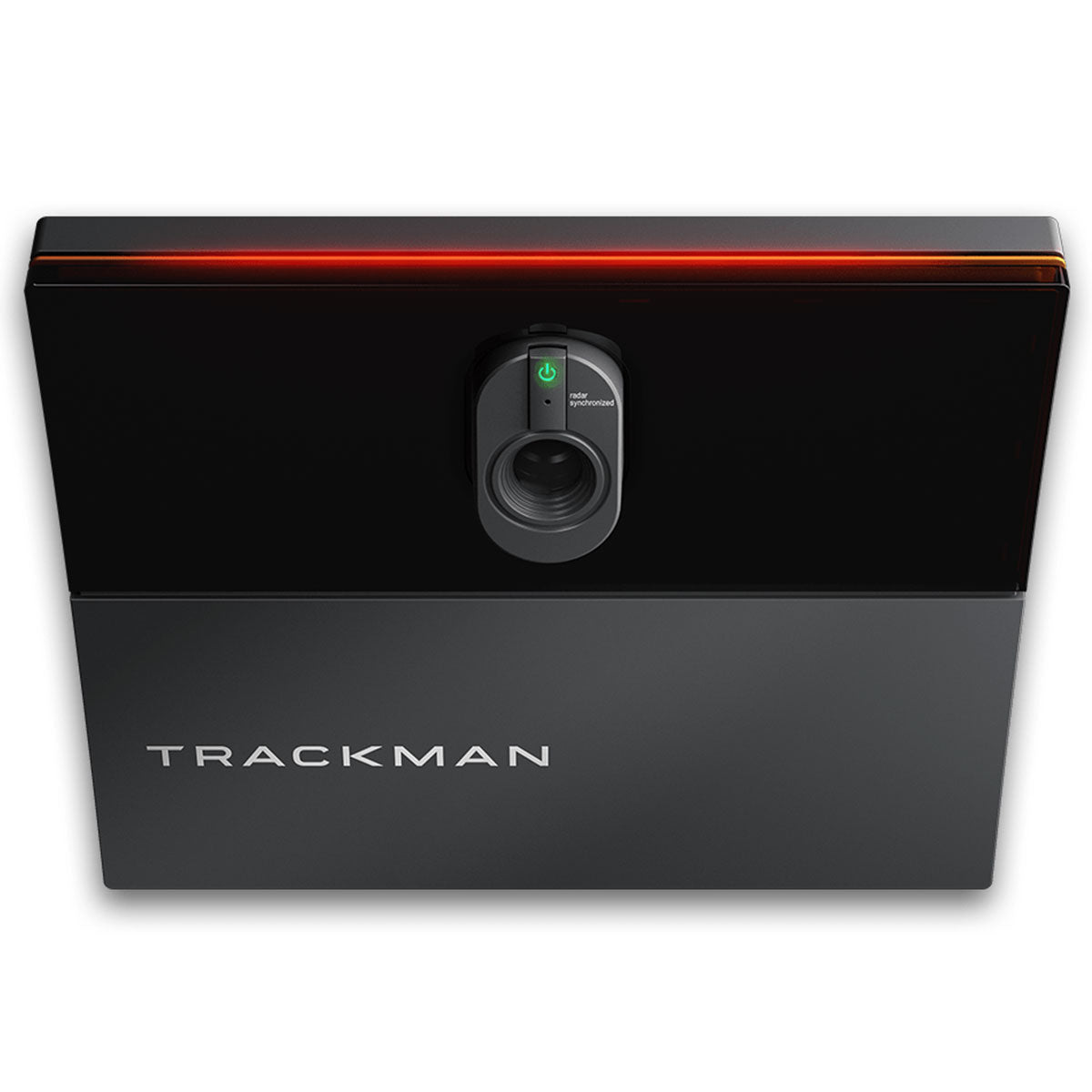
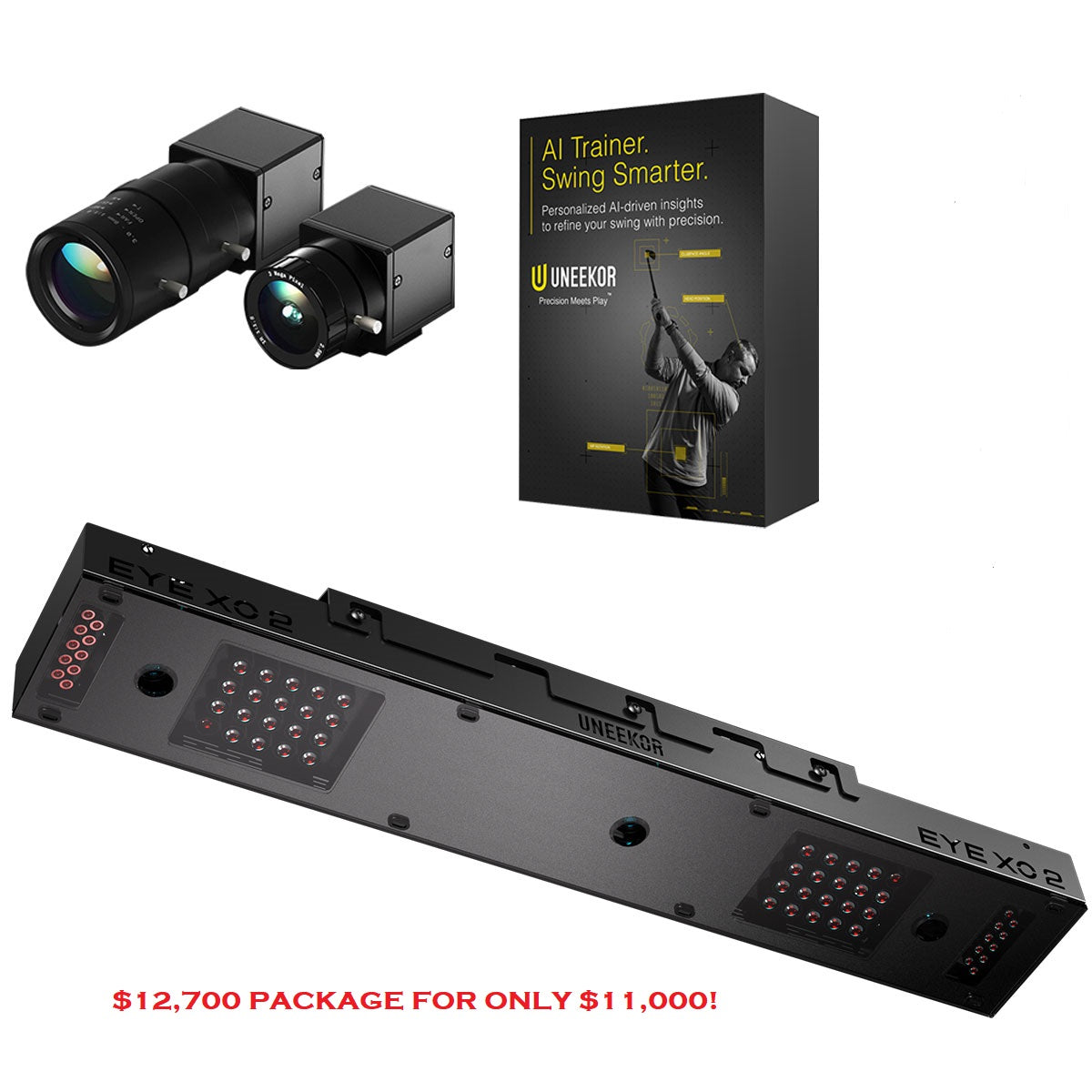
Trackman iO vs Uneekor EYE XO2: the year-one trap
Both mount overhead, both want ten feet of ceiling, and about $3,000 separates them on the shelf. Then Trackman's included first year runs out, and the gap starts growing by $1,100 a year.
Versus
Uneekor EYE XO2 vs Foresight GC3: ceiling or floor?
About $4,000 separates them, but they're not really rivals — one lives in your ceiling forever, the other sits on the floor and travels. The cheaper one is also the one with no subscription.