
One round, three budgets: a full golf setup for less, for more, and no limits
Three coherent setups at three very different spending levels, and the honest case for stopping at the first one.
By Tom Whitaker · Staff Writer
 Explained
Here is the short version: you can assemble a setup that does ninety percent of the job for very little money, and most golfers should. The value build below gets you a quality ball, accurate yardages, and comfortable shoes. Spending more buys refinement and data, not a different game, so spend where it actually changes your scores.
One principle ties all three tiers together and is worth stating plainly: at every spending level there is money that buys real strokes and money that buys reassurance, and the skill is telling them apart. The value tier wastes money the moment it chases a premium badge instead of a function; the top tier wastes it the moment it buys performance the swing cannot access. So as you read the three builds, watch less for the price and more for the job each item does. The smartest setups are not the most expensive ones, they are the ones where every pound is spent on something that changes a number on the scorecard rather than something that merely changes how the bag looks on the first tee.
The value build
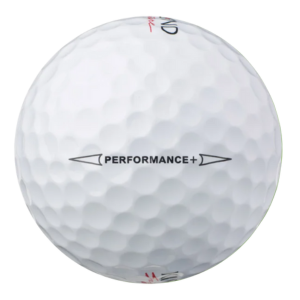
The cheapest tier is not the compromise tier. Start with the Kirkland Signature golf ball, which built its reputation on owner consensus that it punches absurdly above its price: a multi-layer construction that, for the swing speeds most amateurs bring, behaves a lot like balls costing several times more. You will not feel cheated standing on the first tee.
Pair it with the GoGoGo VPro rangefinder. It does the one thing a rangefinder must do, hand you an accurate number to the flag, without the premium optics tax. Independent testing of budget lasers consistently finds the gap to flagship units is about glass clarity and lock-on speed, not the yardage itself. For a weekend player, that gap is invisible on the scorecard.
Round it out with the Skechers GO GOLF Elite 6 Comfort shoes. Spikeless, cushioned, and built for walkers who do not want their feet quitting before the back nine. This is the build I genuinely recommend to most new and returning golfers: it removes every excuse without removing money you would rather spend on lessons or green fees.
The smart-money build
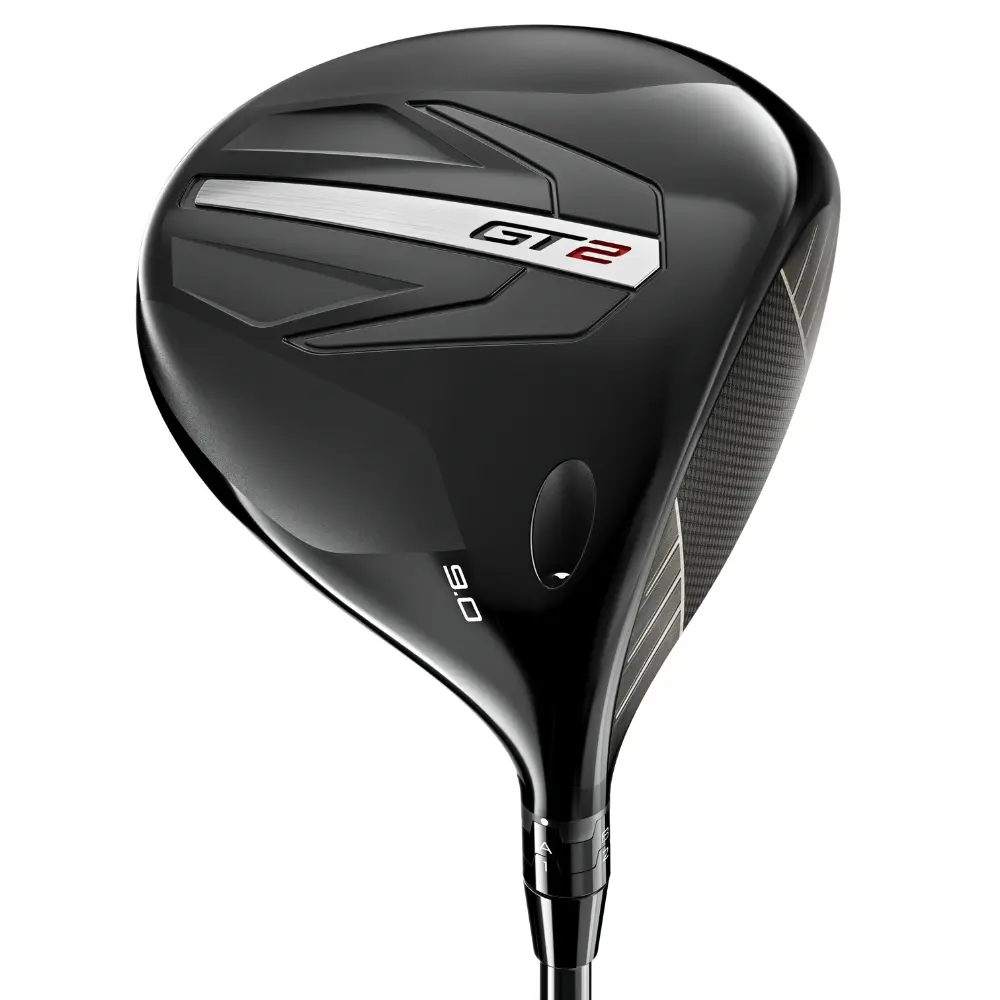
Step up and you are buying consistency and a touch of tour pedigree. The Titleist GT2 driver is the centrepiece, one of the most forgiving, swing-agnostic drivers of its generation, validated at the top level but designed to flatter the rest of us. Worth being straight about where it now sits: Titleist replaced it with the GTS2 in June 2026 and cut the GT2's list price hard, which is precisely why it earns the middle slot here rather than the top one. You are buying last season's flagship at a discount, not this season's, and on a build like this that is the right trade. If you only upgrade one club from the value tier, the driver is where extra spend most reliably shows up off the tee.
Move your ball up to the Srixon Z-Star, a full urethane tour ball that delivers greenside spin and feel while quietly costing less than the most famous name on the shelf. Owner consensus is that it is the smart player's tour ball: all of the performance, less of the brand premium. It rewards a faster, more committed swing in a way the value ball does not quite match.
For yardages, the Bushnell Tour V7 Shift adds slope mode, faster lock-on, and magnetic cart mounting. Bushnell's locking-confirmation feature is the reassurance frequent players pay for: you know you have the flag and not the tree behind it. It is the rangefinder you stop thinking about, which is the whole point.
The no-limits build
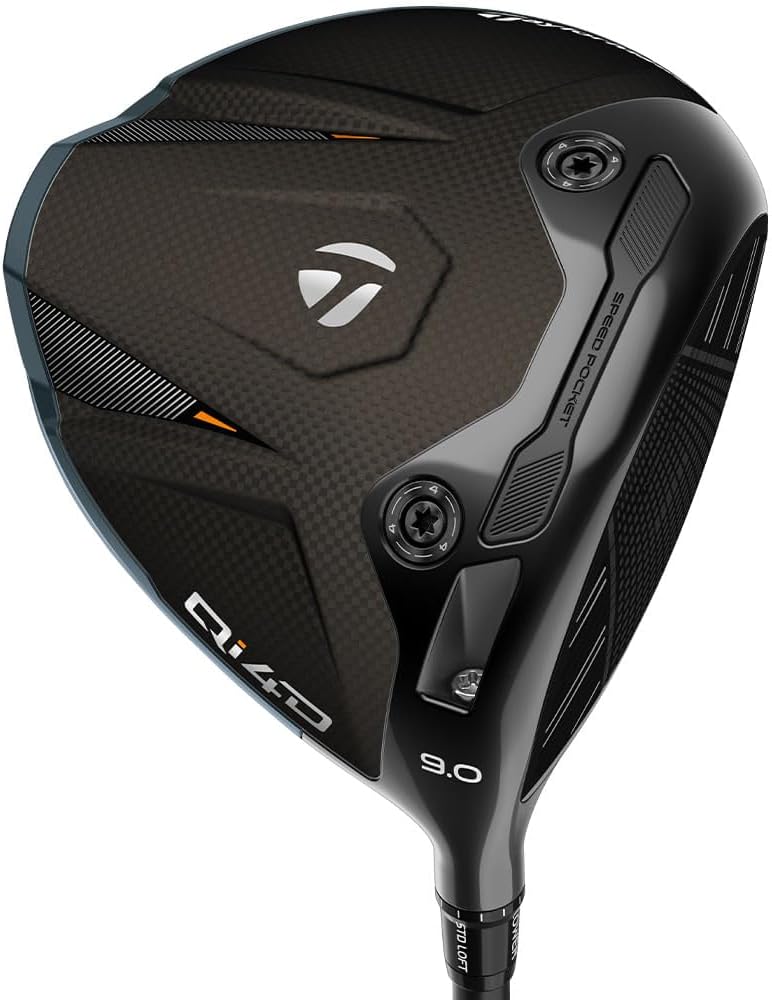
At the top, you are buying data and the last few percent of performance. The TaylorMade Qi4D driver is a high-MOI flagship with the newest face technology and full adjustability, the kind of head that genuinely deserves a proper fitting. Without a fitting you are leaving its advantage on the table; this is a club to be dialled in, not bought blind.
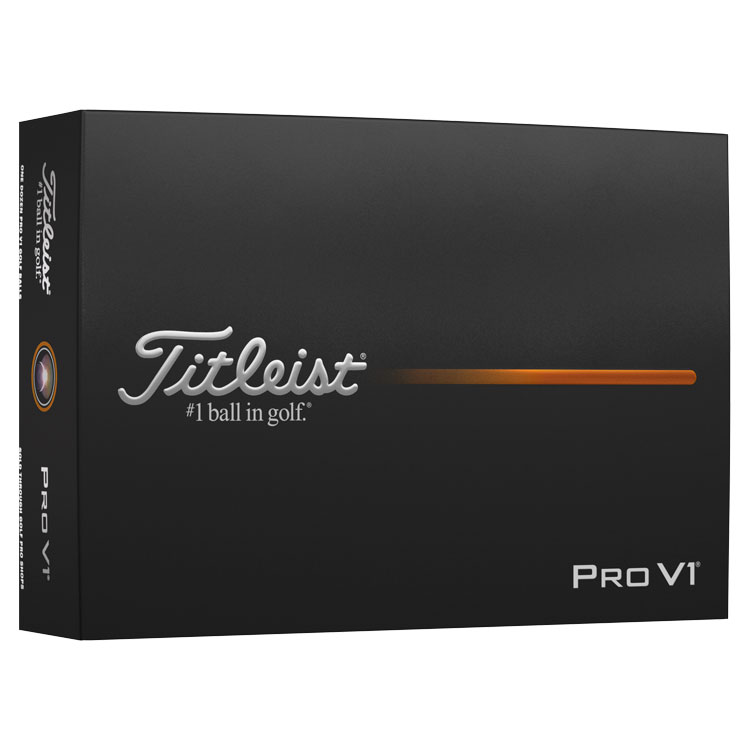
The ball is the Titleist Pro V1, the benchmark every other tour ball is measured against. It is not magic and it will not save a wayward swing, but it is the reference standard for a reason, and at this tier you want the known quantity under pressure.
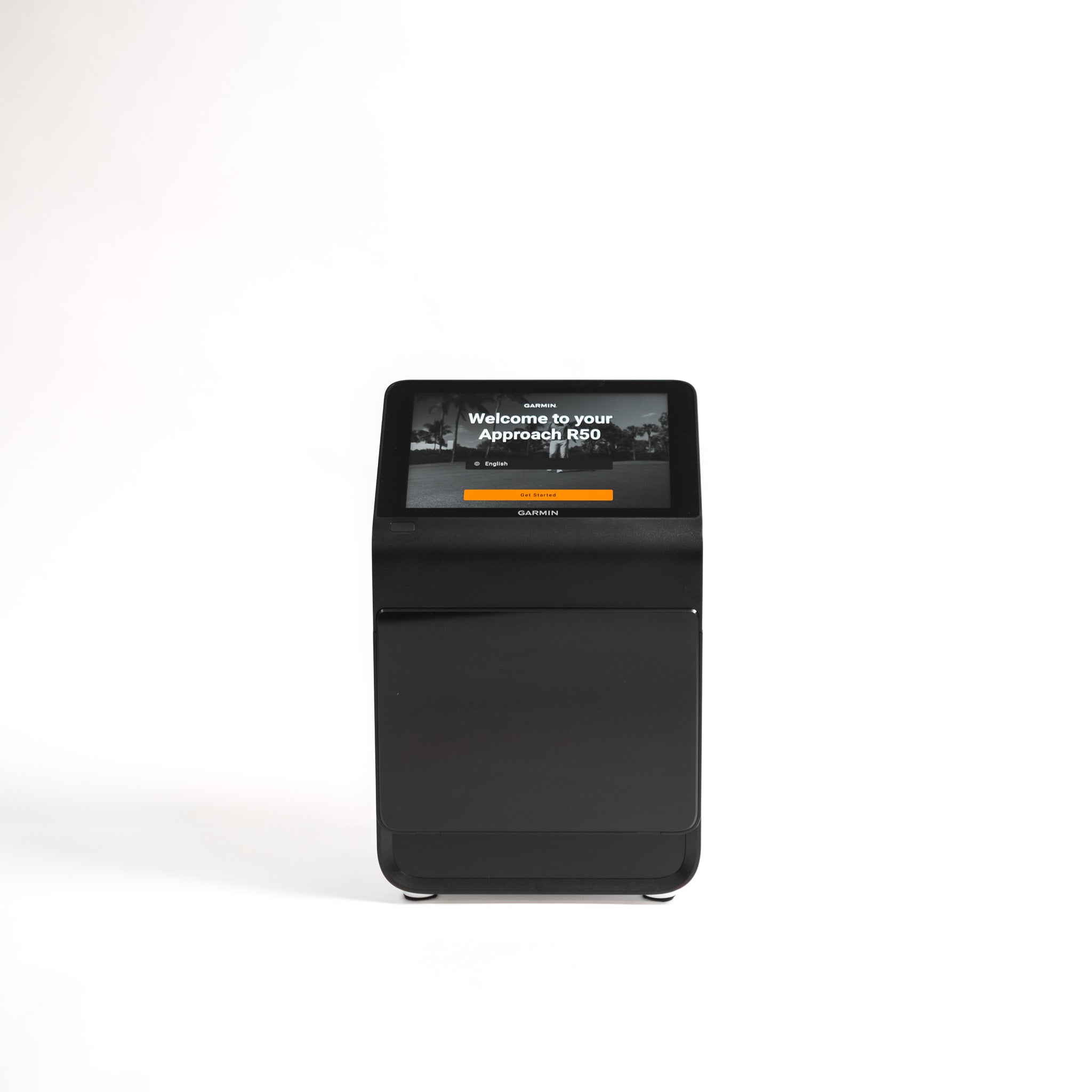
The real splurge is the Garmin Approach R50. This is a launch monitor and home simulator that turns winter and bad weather into practice time, surfacing the kind of clubhead and ball data you used to need a coaching bay to see. It is the one no-limits item that can actually change your game, not because it hits shots for you, but because it tells you the truth about the ones you hit.
At every tier, splurge on the same one thing
If you take a single rule from this whole piece, make it this: at all three budgets, the club most worth the upgrade is the one you use on every hole and miss most often, which for nearly everyone is the driver. The reason is purely mathematical. You hit your driver on most tees, your misses with it are the most expensive shots in the round, and forgiveness off the tee converts directly into fairways found and big numbers avoided. A more forgiving driver helps a beginner stay in play and helps a better player stop leaking the occasional round-wrecker, so it earns its money at every level in a way a fourth wedge or a flashier putter simply cannot match.
What changes between tiers is not whether to prioritise the driver but how far the spend goes. At the value end, the splurge is simply getting a genuinely forgiving head rather than an old hand-me-down that fights you. In the middle, it is a current, swing-agnostic head set up roughly right for your loft and shaft. At the top, it is a flagship head dialled in through a fitting so the adjustability actually earns its keep. The principle holds the whole way up: spend your marginal pound on the club you swing most and miss most, and let the rest of the bag follow at whatever tier your budget allows.
How a fitting rewrites the maths, and when to upgrade
A fitting changes the arithmetic of all three tiers because it shifts spending away from new clubs and towards making your existing or chosen clubs actually fit. The uncomfortable truth is that a mid-tier club set up correctly for your swing usually beats a top-tier club bought blind off the rack, because loft, lie, shaft weight and length matter more to your results than the badge on the sole. That means a fitting can effectively promote a value or smart-money setup into something that performs above its price, which is the rare upgrade that makes everything else you own better rather than replacing it. Treat the fitting itself as the highest-return line in any budget.
The other strategic question is whether to build the setup all at once or upgrade over time, and for most golfers staggering it wins. Buying the whole bag in one go locks in your current swing's needs at a single moment, just when a beginner's swing is changing fastest, so you risk re-buying as you improve. Building over time lets you spend first on the value fundamentals, learn what your game actually asks for, then upgrade the one or two items that have become genuine limitations. Upgrade all at once only when your swing has stabilised and you know your numbers; otherwise the patient, piece-by-piece path puts your money where your game has proven it needs it.
So where should you stop?
For most golfers, the honest answer is the value build, plus the GT2 driver from the middle tier when funds allow. The ball and rangefinder differences between tiers are real but small in scoring terms. The driver and the launch monitor are the two upgrades that justify their cost, one because it is forgiving on every tee, the other because it teaches you something. Everything else is refinement. Buy the refinement when the fundamentals are no longer your problem.
Products mentioned in this article
Kirkland Signature
Kirkland Signature Performance+ Golf Balls (Dozen)
The value build: a genuinely good multi-layer ball that owner consensus rates well above its bargain status.
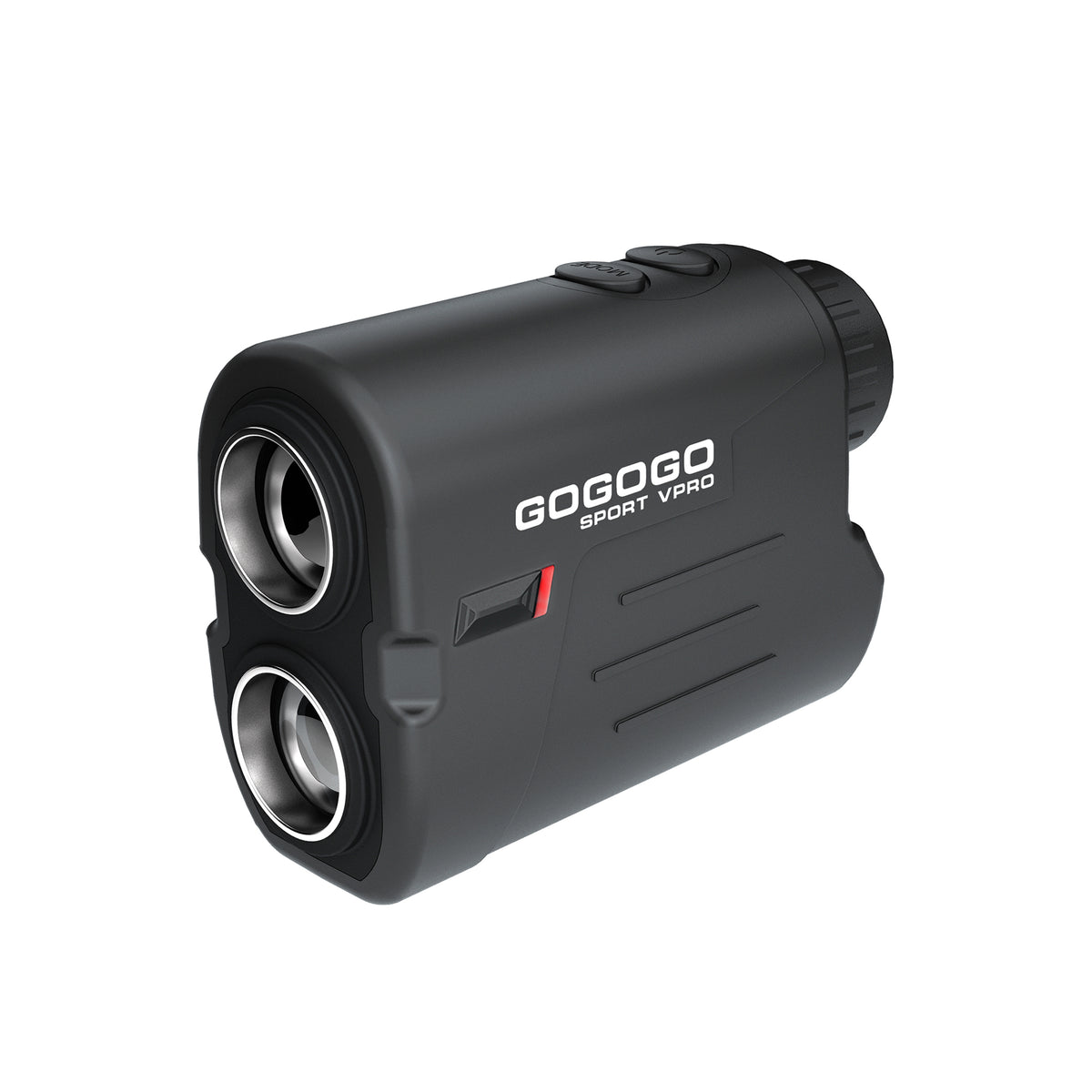
GoGoGo Sport
GoGoGo Sport Vpro Rangefinder
The value build: a no-frills laser that gets you accurate yardages without the premium badge.
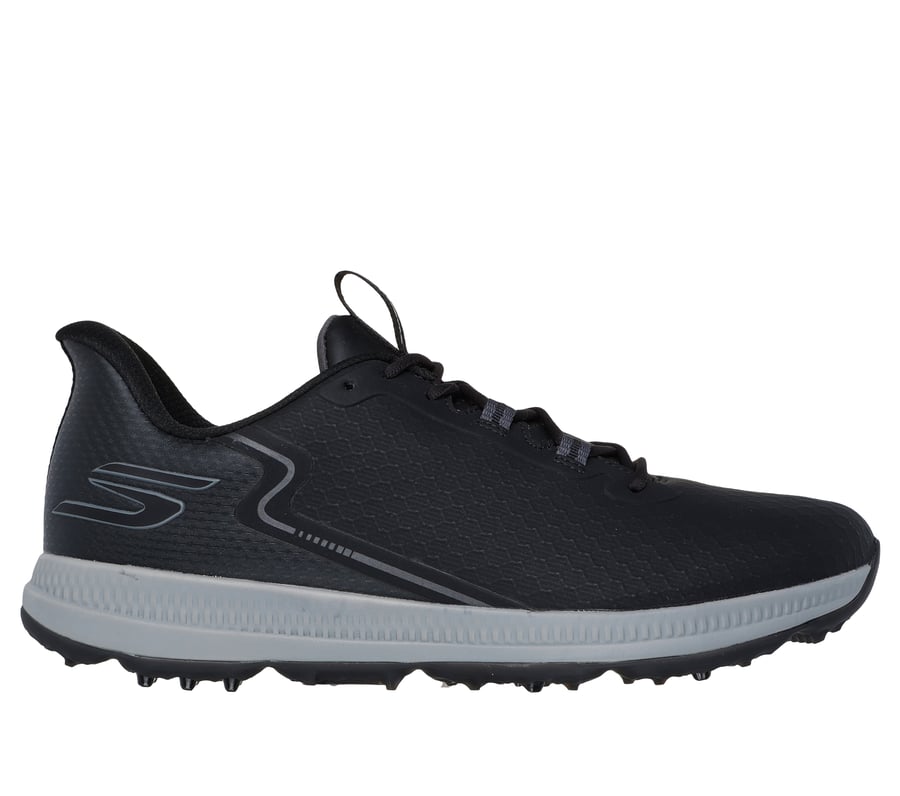
Skechers
Skechers GO GOLF Elite 6 Golf Shoe
The value build: cushioned, spikeless shoes that walk 18 in comfort for a fraction of the flagship price.
Titleist
Titleist GT2 Driver
The smart-money build: a forgiving, tour-validated driver that suits the widest range of swings.
This model is no longer the current model. The current version is Titleist GTS2 Driver. Remaining stock is often discounted, so this can still be the better buy — check both prices.
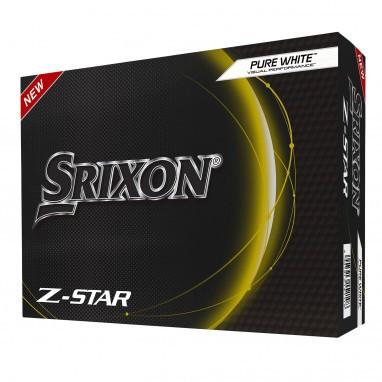
Srixon
Srixon Z-Star Golf Balls (Dozen)
The smart-money build: a premium urethane tour ball that costs less than the obvious name and performs with it.
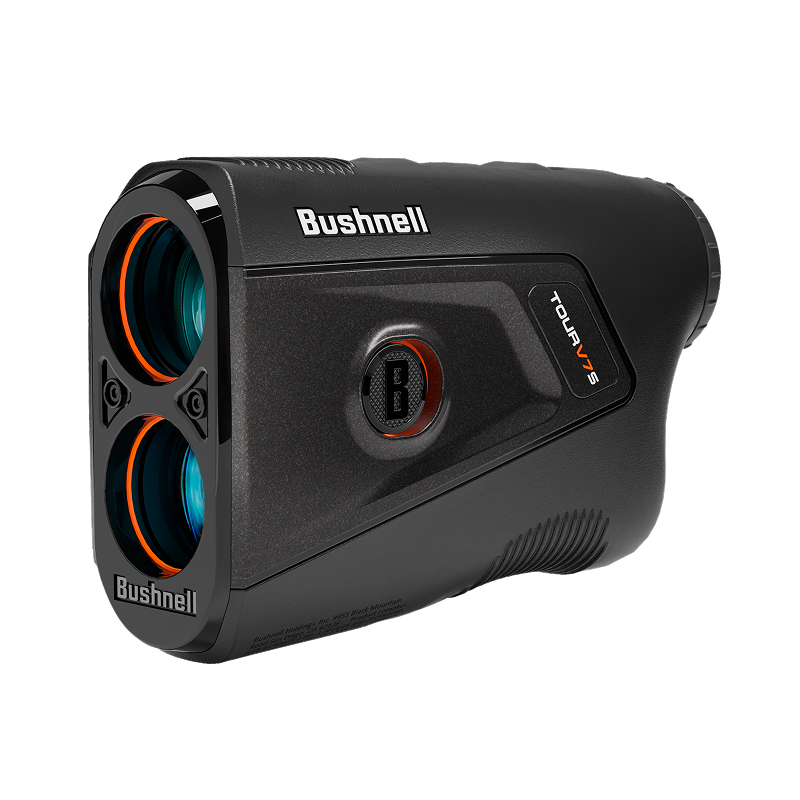
Bushnell
Bushnell Tour V7 Shift Laser Rangefinder
The smart-money build: slope-and-standard laser with magnetic mounting and the brand's locking confidence.
TaylorMade
TaylorMade Qi4D Driver
The no-limits build: a high-MOI flagship with the latest face and adjustability for a fitted setup.
Titleist
Titleist Pro V1 Golf Balls (Dozen)
The no-limits build: the benchmark tour ball the rest of the market is measured against.
Garmin
Garmin Approach R50 Launch Monitor
The no-limits build: a launch monitor and simulator that brings range-quality data into your home.
ifrothgolf earns a commission on purchases made through these links, at no extra cost to you. It never changes what I recommend. Full disclosure.
Frequently asked
- Is the value build actually good enough to play seriously?
- Yes. For the swing speeds most amateurs bring, the value ball, an accurate rangefinder, and comfortable shoes cover the fundamentals. The higher tiers add refinement and data, not a different game.
- If I only upgrade one thing, what should it be?
- The driver. Moving to the Titleist GT2 from a budget or older driver is where extra spend most reliably shows up, because forgiveness off the tee saves strokes every round.
- Is a home launch monitor worth it for an average golfer?
- It is the no-limits item most likely to change your game, because it shows you honest data and turns bad weather into practice. But it only pays off if you will actually use it regularly.
- Why is the premium tour ball not a bigger upgrade?
- A tour ball rewards faster, more committed swings with extra greenside spin and control, but it will not fix mishits. The scoring gap between a good value ball and the benchmark is smaller than the price gap suggests.
Read next
Review
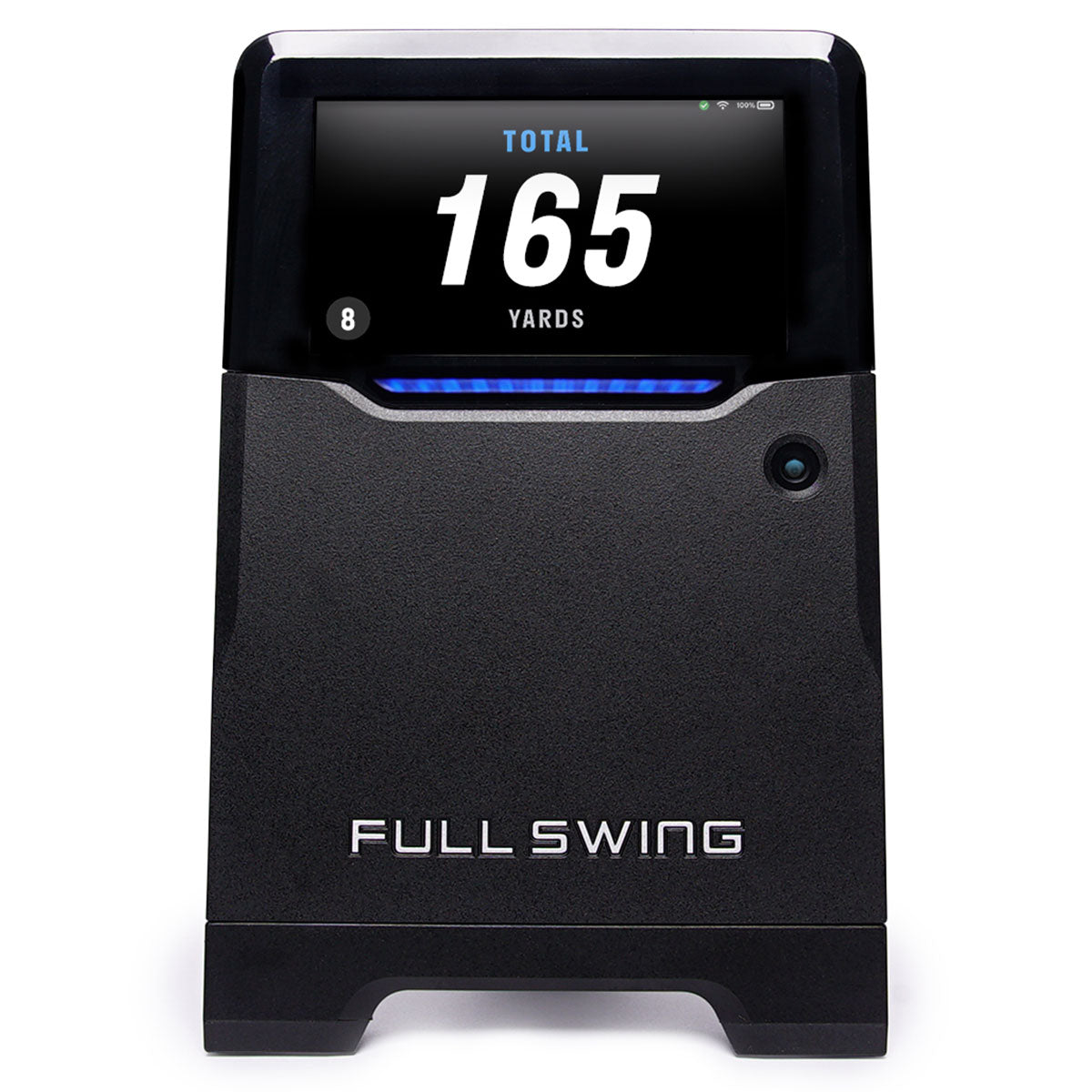
7.9/10Full Swing KIT review: the tape measure decides this, not Tiger
Tour pedigree, TGL on ESPN, and radar good enough to be checked against a Trackman outdoors. It also wants eighteen to twenty feet of room, which rules out most of the garages people buy it for.
Versus
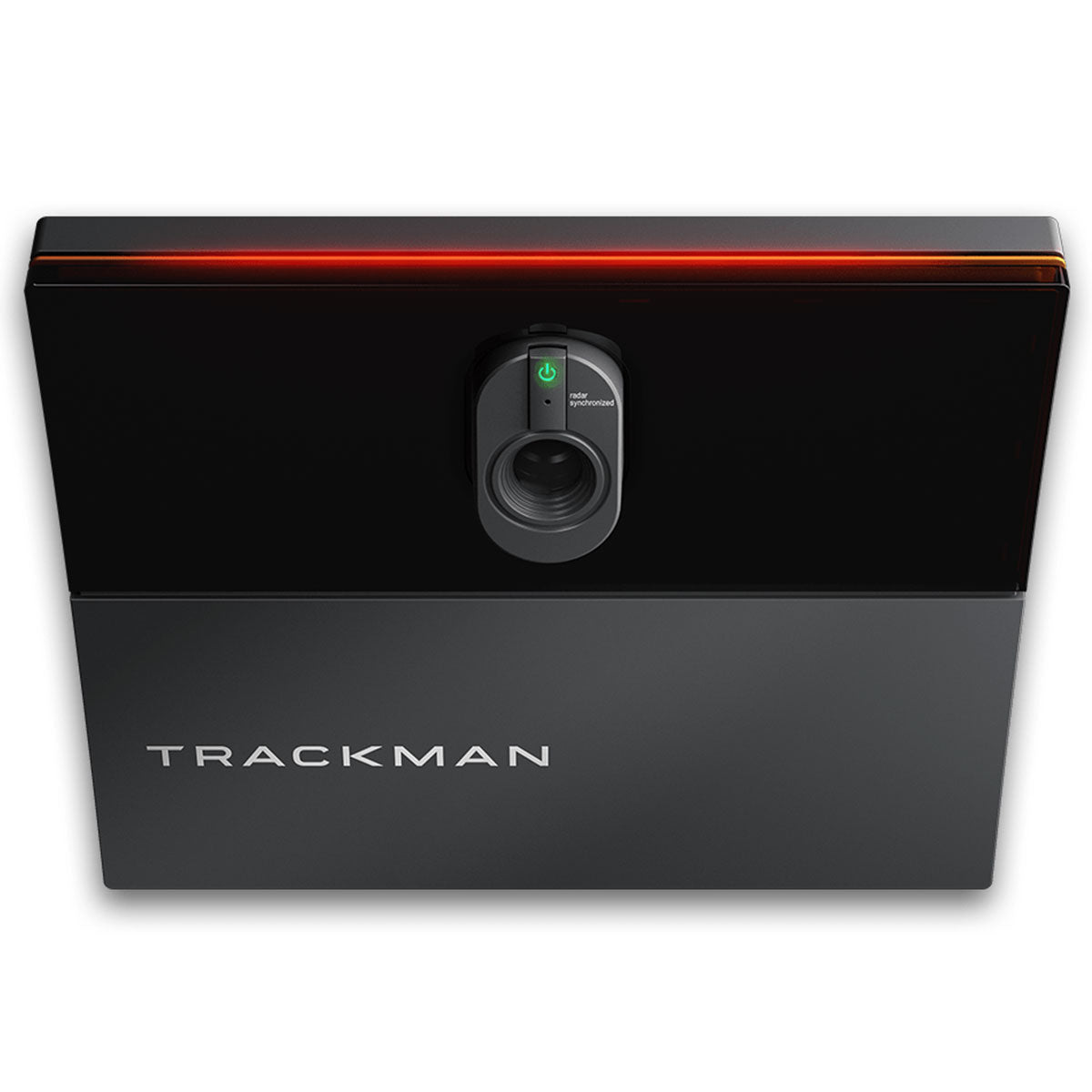
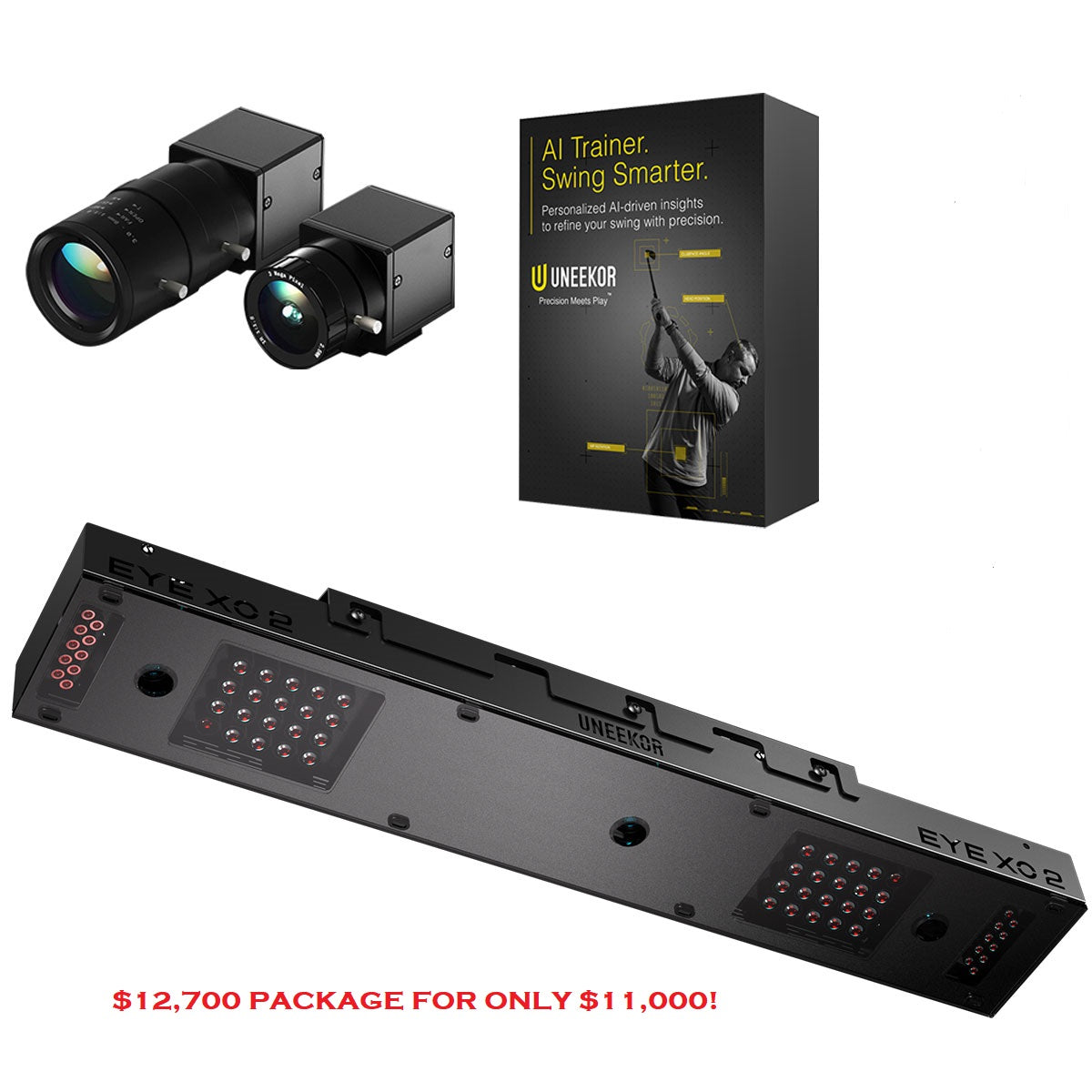
Trackman iO vs Uneekor EYE XO2: the year-one trap
Both mount overhead, both want ten feet of ceiling, and about $3,000 separates them on the shelf. Then Trackman's included first year runs out, and the gap starts growing by $1,100 a year.
Versus
Uneekor EYE XO2 vs Foresight GC3: ceiling or floor?
About $4,000 separates them, but they're not really rivals — one lives in your ceiling forever, the other sits on the floor and travels. The cheaper one is also the one with no subscription.