Latest stories
Everything we've published — news, reviews, comparisons and explainers — newest first. Keep going to page back through it all.
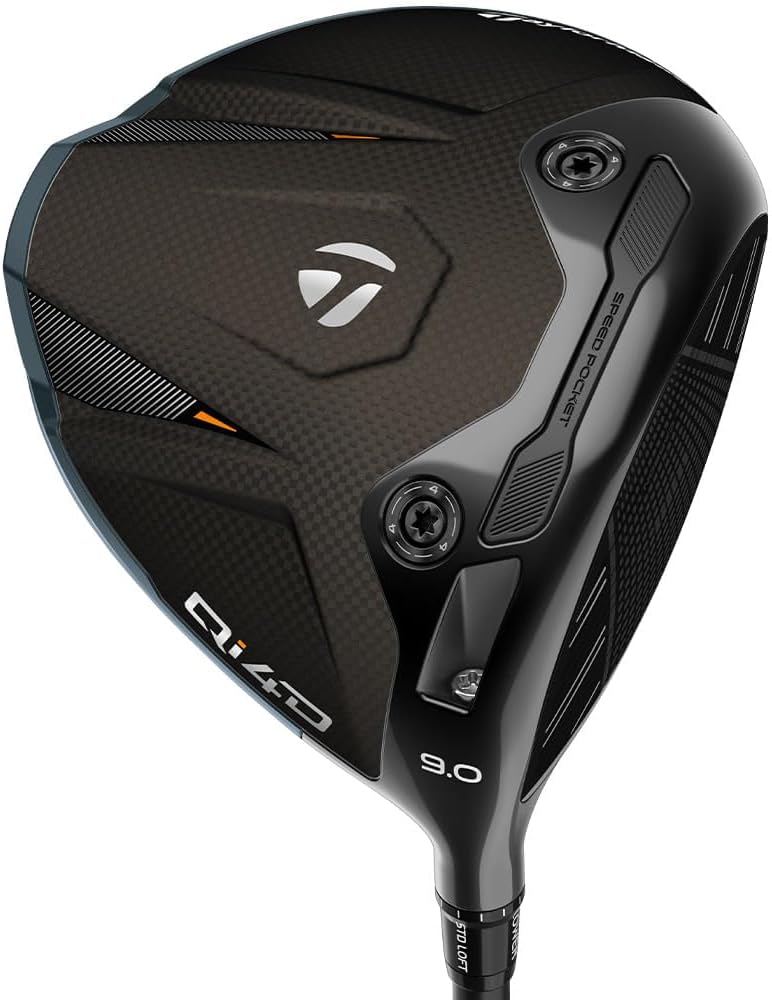
317 yards, 239 microseconds, under 46 inches: the three tour-only limits due 21 October, none of them for retail
The R&A and USGA want manufacturers' views on a ball, driver-face and club-length rule for elite events from 2028. Here is each one in the notice's own words, what it moves, and why every full-size driver we stock ships at 45.5 inches or longer.
By Tom Whitaker
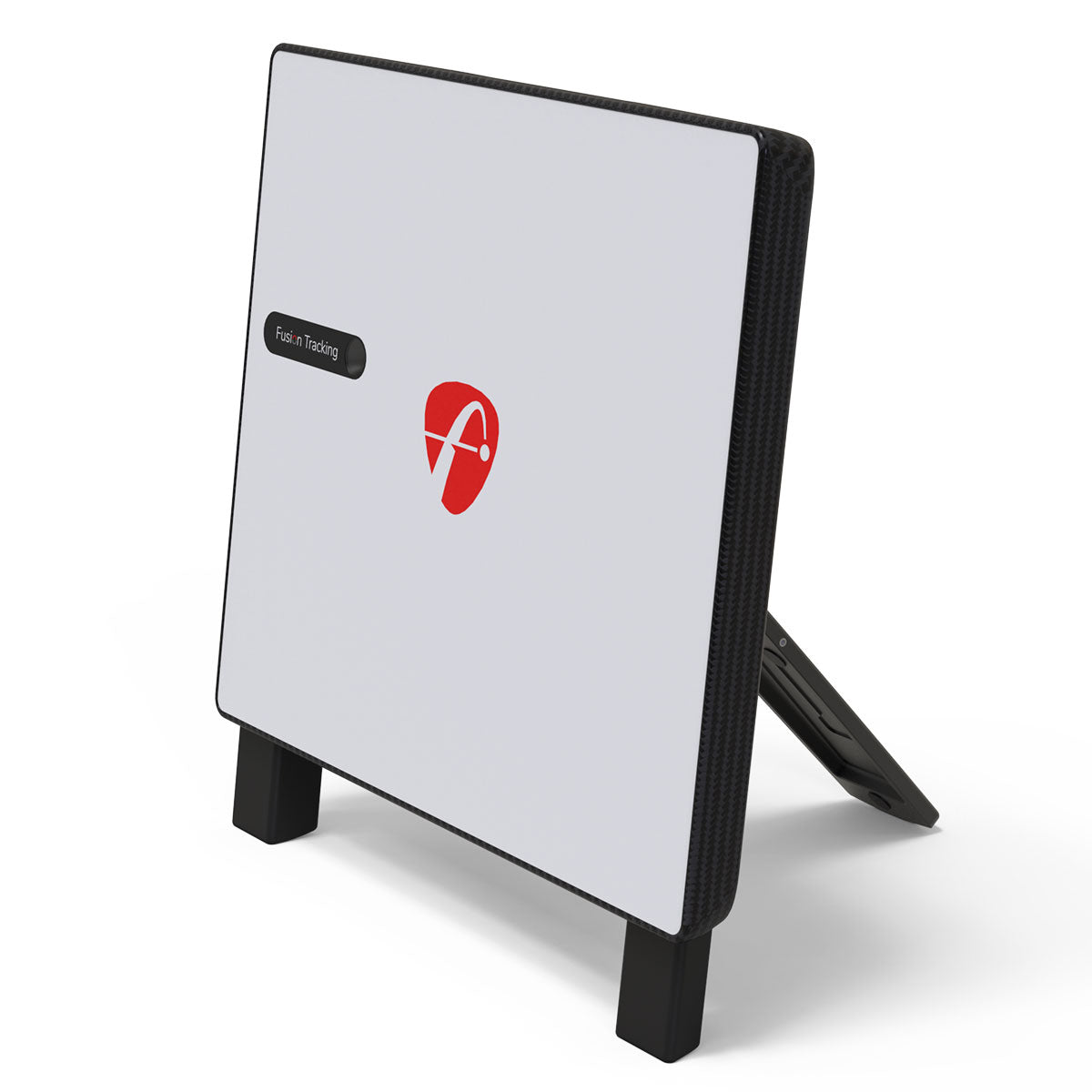
FlightScope X3C review: a radar house going after the indoor rooms the cameras own
FlightScope has spent two decades arguing that radar sees ball flight better than anything. The X3C pairs it with synchronised high-speed imaging and puts the whole thing in an aerospace carbon-fibre shell that weighs under seven pounds. It is a specialist's buy, and the specialism is a specific one.
By Ben Marsden
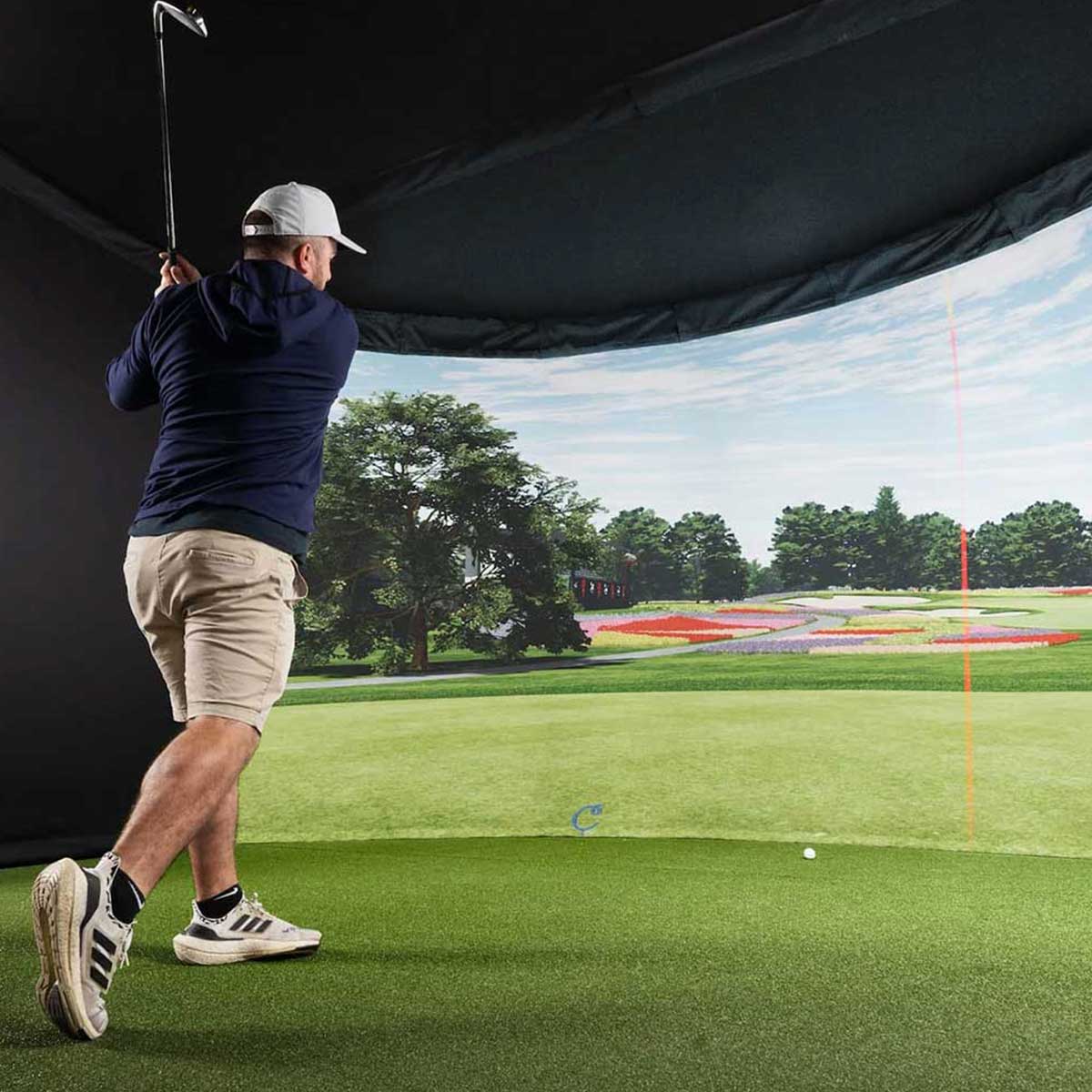
Carl's Place Curved vs Pro enclosure: the curve buys peripheral vision and spends it on projector geometry
Carl's curved kit wraps the impact screen around the hitting area so the image carries into peripheral vision. That changes the surface your projector has to focus on, which makes this a screen decision and a projector decision at the same time.
By Marcus Bell
Castle tees won twice on Tour in 2026, and Wyndham Clark's reason was one line: it's always the same height
GolfWRX has named castle tees one of five equipment concepts that caught on in 2026. The collar is the whole idea: it stops the tee at a fixed depth, so the ball starts at the same height on every swing. The principle is worth more than the plastic.
By Tom Whitaker
Titleist is in 19 of 34 PGA bags and 14 of 24 LPGA bags. The Pro V1x leads 13–6 on one tour and loses 5–9 on the other
Brand share barely moves between the two tours. The model choice inside that share turns over completely — and it is the cleanest illustration we have of why the two balls exist at all.
By Ross Hamilton
TaylorMade will not launch a driver in 2027, the first blank year since 2001, and a two-year cycle is the right call
The company that invented the annual driver refresh has walked away from it. Rory McIlroy says the players pushed for it. The case for and against, and what it does to prices and trade-in values.
By Ben Marsden
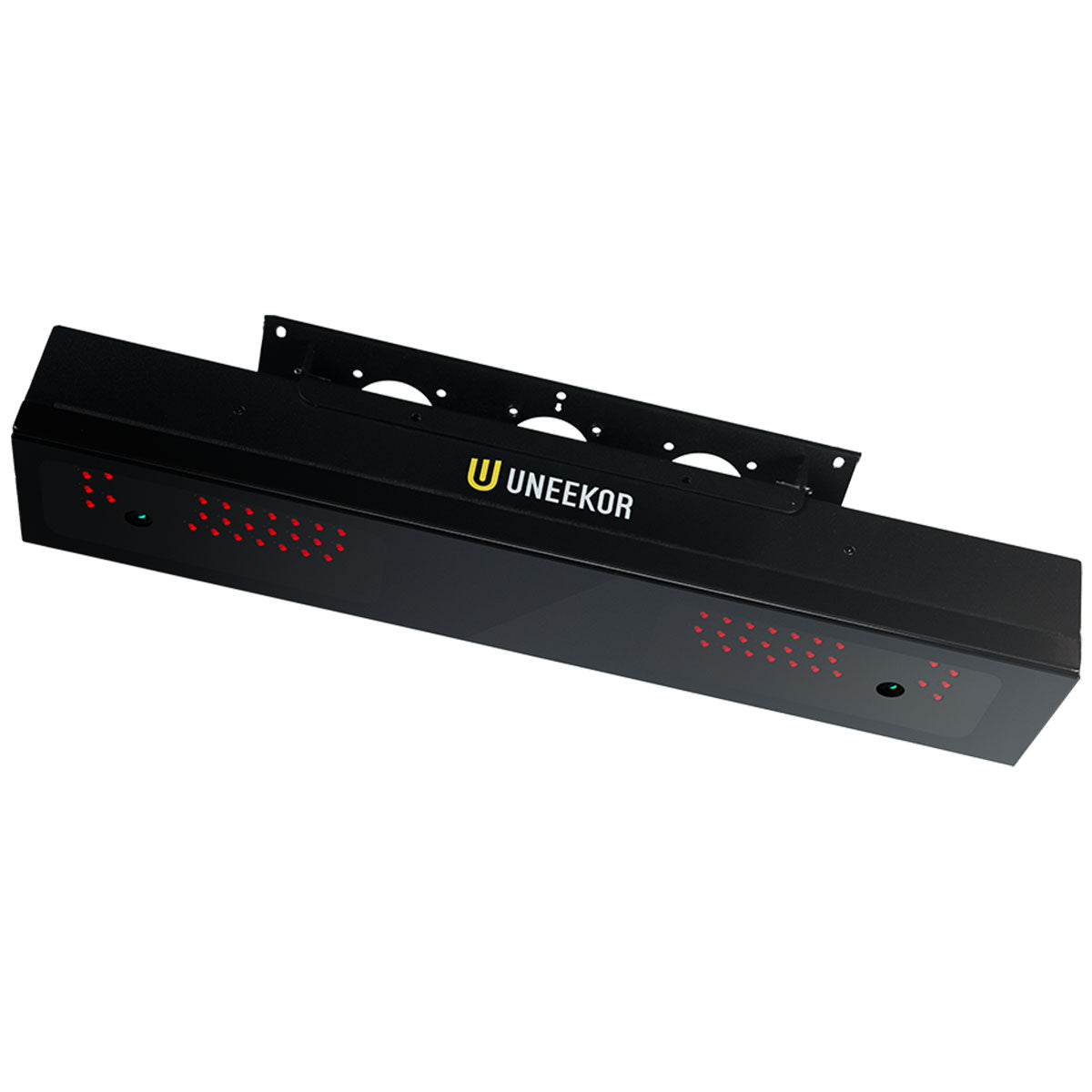
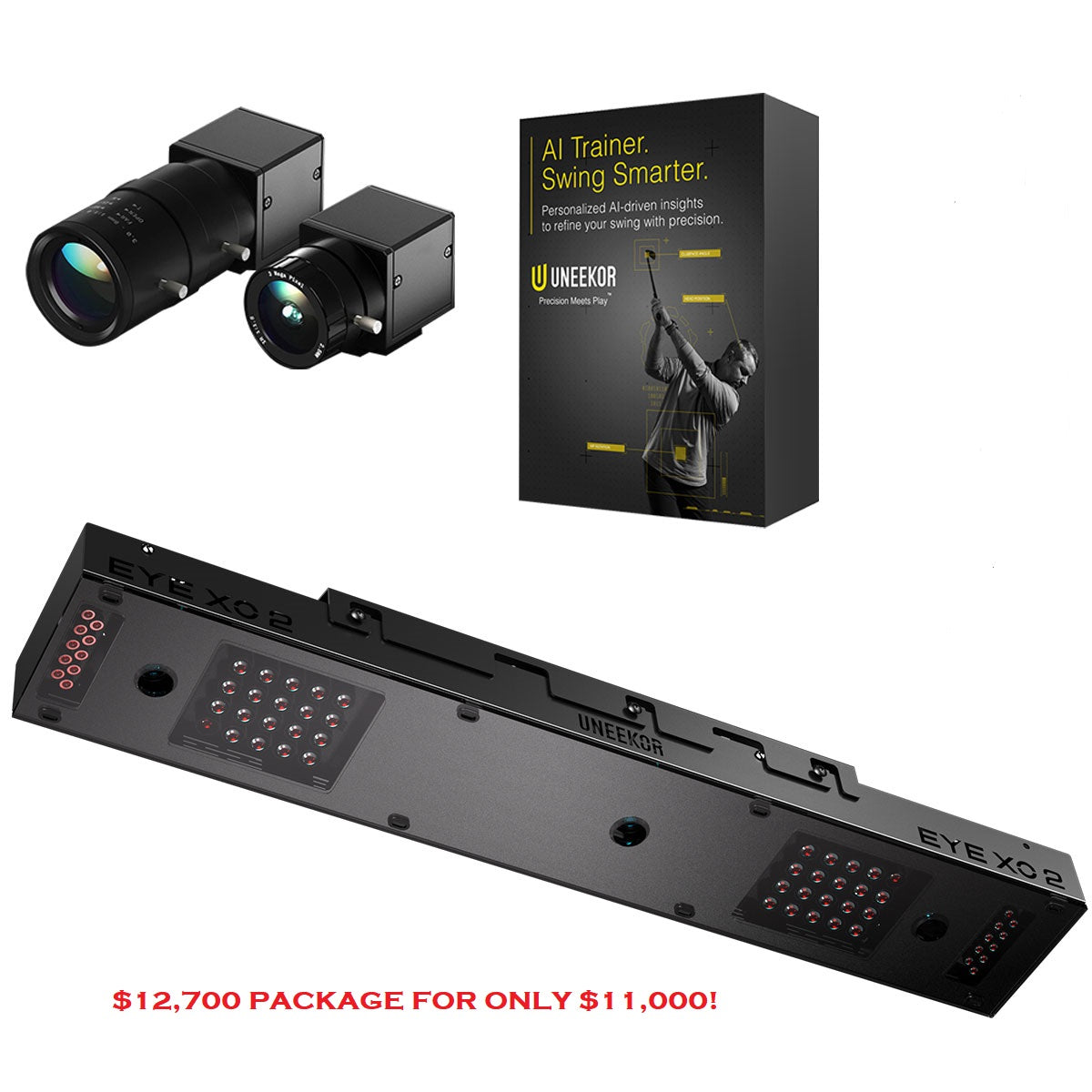
Uneekor EYE XR vs EYE XO2: the cheaper overhead keeps the sticker-free club tracking and gives up the hitting zone
Same brand, same ceiling mount, and one of them costs a little over 1.8 times the other. Before either is a decision, measure the room — then the gap comes down to a third camera and how much ball-position drift it forgives.
By Marcus Bell
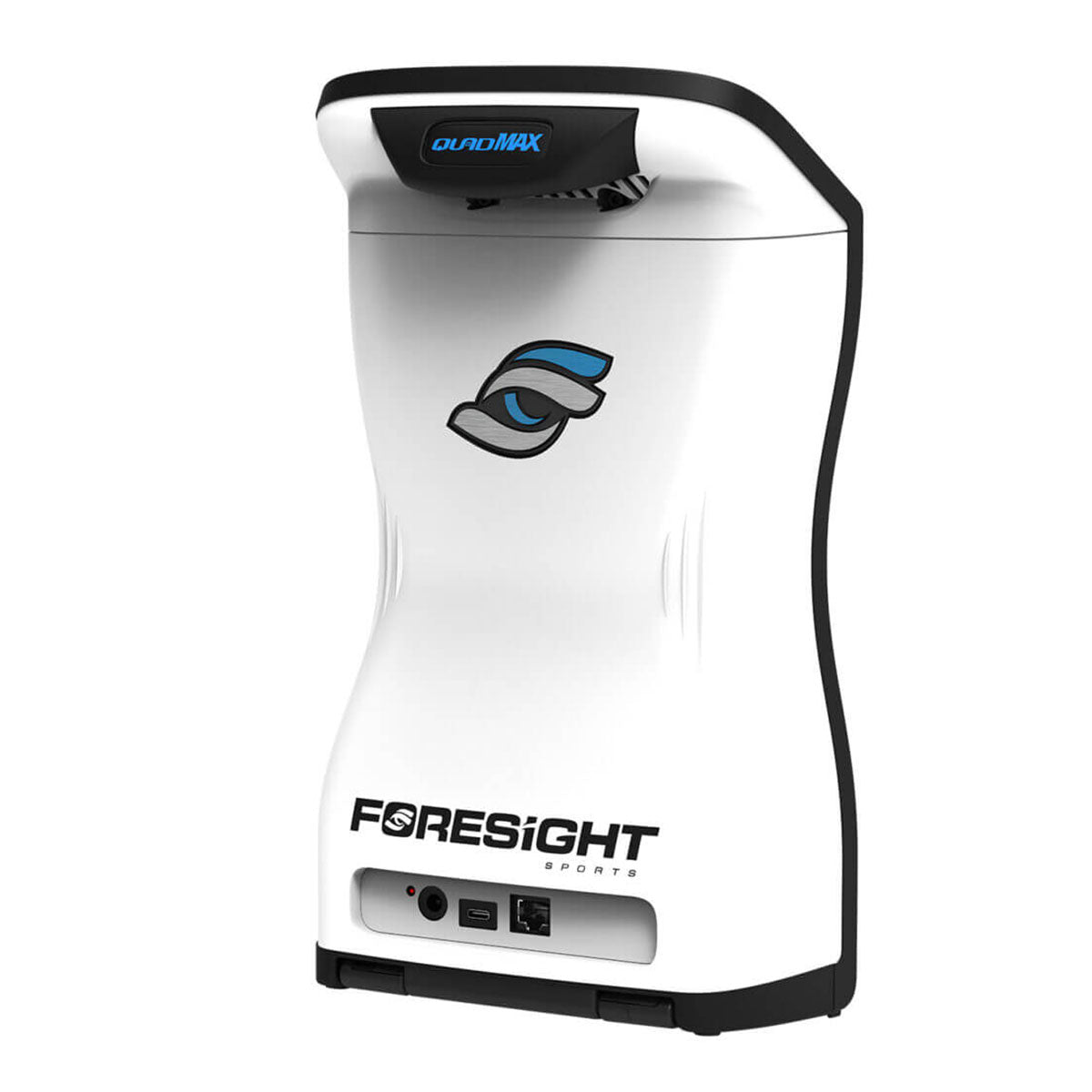
Foresight QuadMAX vs Trackman 4: cameras beside the ball, radar that needs the room
The two machines every other launch monitor gets benchmarked against, about 30 per cent apart on the shelf. The number that decides between them is not on either spec sheet — it is the distance from where the ball sits to the wall behind you.
By Marcus Bell
239 microseconds: the CT test that makes a driver legal, and what it means when you buy one used
A steel ball on a pendulum, a number measured in millionths of a second, and a rule that quietly decides which drivers exist. Here is what it measures, why a face can stop passing it, and what that changes on the second-hand market.
By Jordan Hale
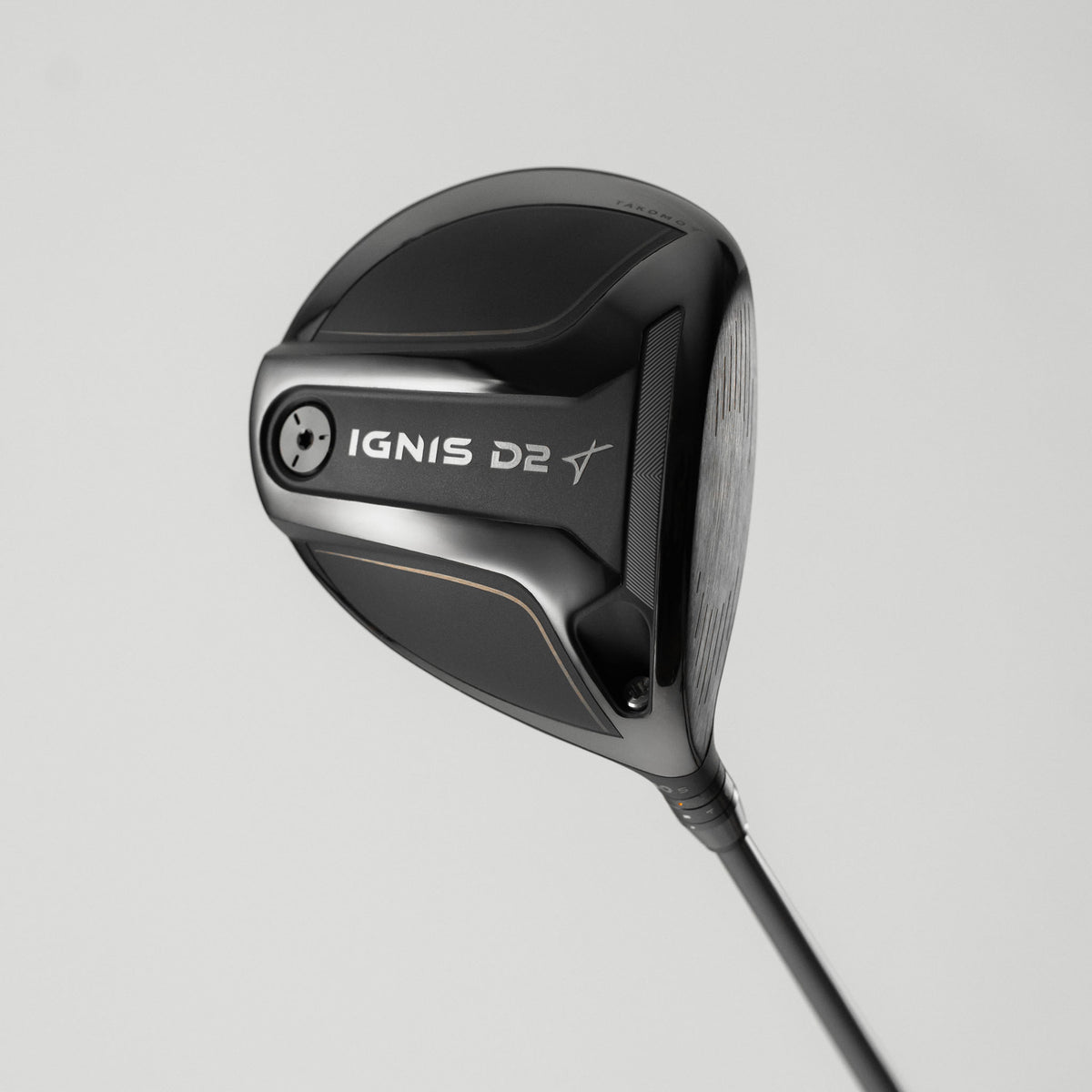
Takomo Ignis D2 review: three weight ports became one, and the driver got better
The R&A took the original Ignis off the conforming list over one arrangement of its sole weights. Takomo's answer was to delete the arrangement — a single rear port instead of three — and the mass that freed up went to the perimeter, where it does more good anyway.
By Ben Marsden
Home simulators are sold as practice and used as a cinema: spend on the projector or on club data, not half on each
Every brochure in this category promises a better swing. The rooms I hear about are four people, a speaker and a famous course on a Tuesday night in February. Both are good reasons to build one. They are not the same build.
By Ben Marsden
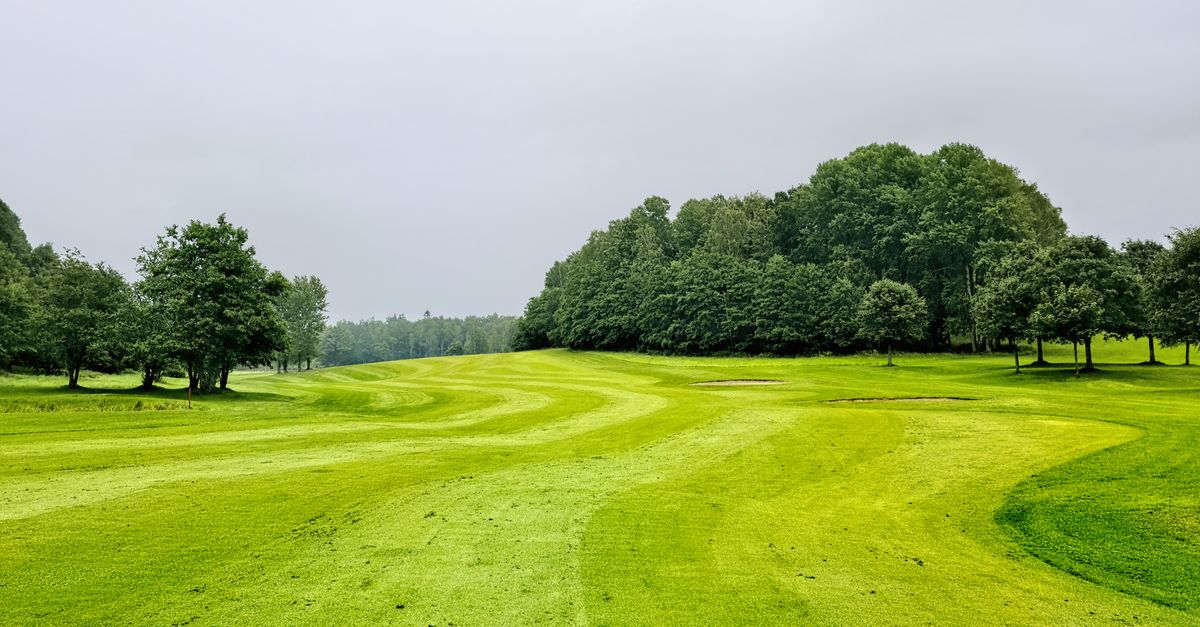
Medinah No. 3 has 40-to-50-metre fairways and fescue outside them: wide is not the same as forgiving
OCM took hundreds of trees out of Medinah, pushed the fairway corridors out to 40 or 50 metres and grew long fescue where the shade used to be. Every one of those changes moves a club in the bag, and the same logic is sitting on your own course this autumn.
By Dan Mercer