
The sim room gets built in September: a made-to-order enclosure can take a calendar month
The room that gets used all winter is the one where the screen is hanging before the clocks change. The one ordered in December is a box in a hallway in February, and the reason is not money.
By Ben Marsden · Reviews Editor
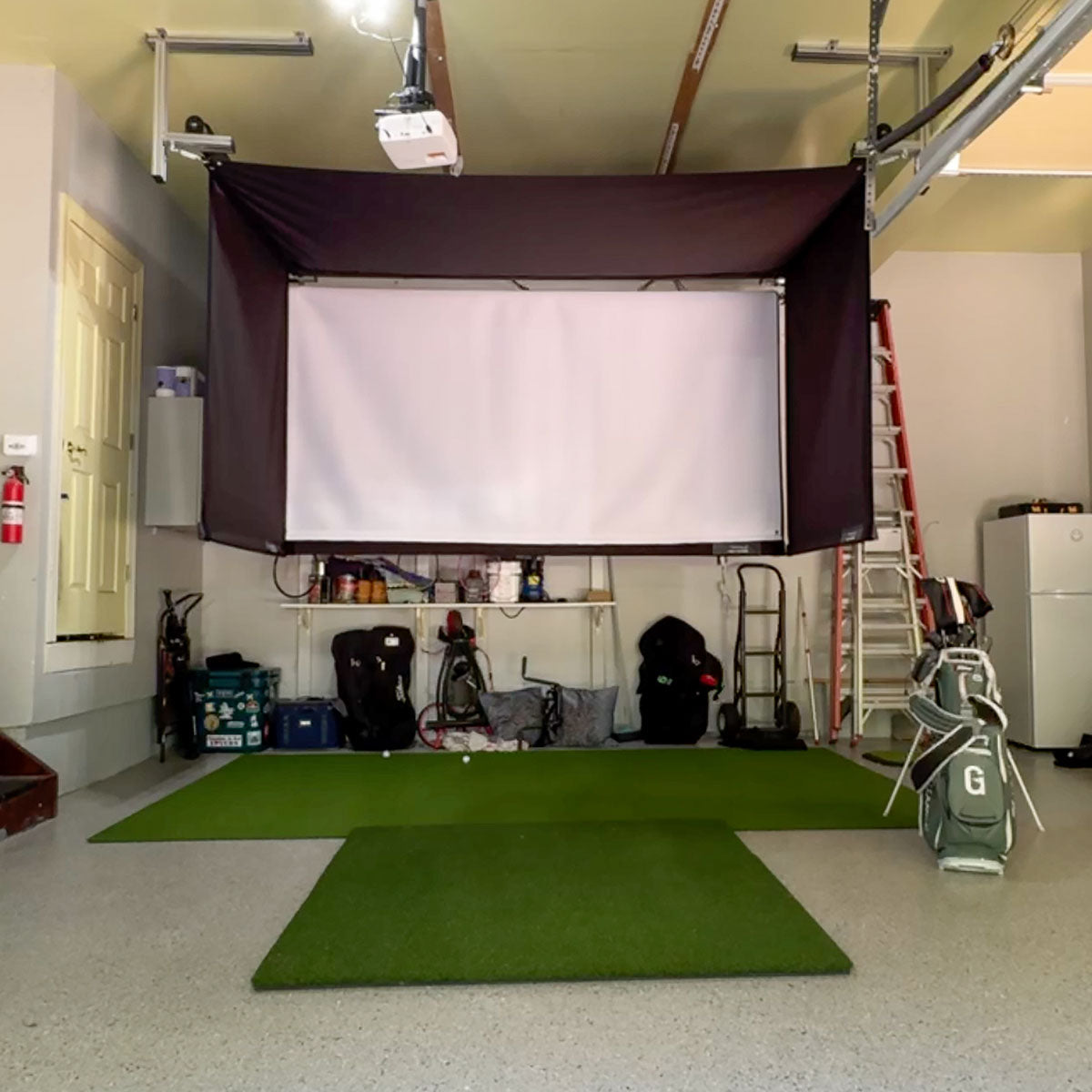
SportScreen
SportScreen Vanish Series Retractable Golf Studio Enclosure
ifrothgolf earns a commission on purchases made through these links, at no extra cost to you. It never changes what I recommend. Full disclosure.
Every December, in a few thousand houses, the same object appears. A large flat box propped against a hallway wall, delivered three weeks after it was ordered, containing an impact screen. It stays there. In January it moves to the garage, where the things that need to come out of the garage before anything can be hung are still in the garage, because it is January and there is nowhere to put them. Around March somebody hangs it, at which point the golf course is open again and the whole project has missed its own season.
I have watched this happen to people whose judgement I otherwise trust. It is not a budget failure and it is not a taste failure. It is a calendar failure, and the calendar is unusually unforgiving in this category because a simulator has two halves that behave completely differently.
We have already argued that the smartest time to buy the kit is the middle of summer, when nobody wants it and the stock is sitting there. That is a price and availability argument and it is a good one. This is a different argument, and by mid-September the price advantage is largely gone. What September still has, and December does not, is time.
The half of the build that has a lead time
The sensor arrives in a box and works out of the box. The room does not.
SportScreen states it plainly on its own site, which is more than most of this category manages: all US orders for the Vanish retractable enclosure carry lead times of 1 to 21 business days, and anything needing custom sizing ships in 10 to 15 business days. Be fair to that range, because it is wide: authorised retailers routinely quote a few days for a standard size held in stock, and plenty of buyers will have one inside a week. The figure that should shape your planning is the top of the range and the custom one, because a made-to-order size is the common case in a real room, and twenty-one business days is a calendar month. Order in the third week of September and even the slow end has you unpacking in late October. Order the same thing on the first of December and the slow end lands in mid-January with the whole build still ahead of you.
Carl's Place, whose Pro enclosure kit is the fixed-bay default in most build threads, does not publish a lead time on the product page at all. I looked. You are told to add it to your cart to see an estimated delivery date, which is a reasonable way to run a made-to-order business and a terrible way to plan a winter. The lesson is the same either way: an enclosure is manufactured after you pay for it, and the queue in front of you is longest at precisely the moment everyone else has had the same idea.
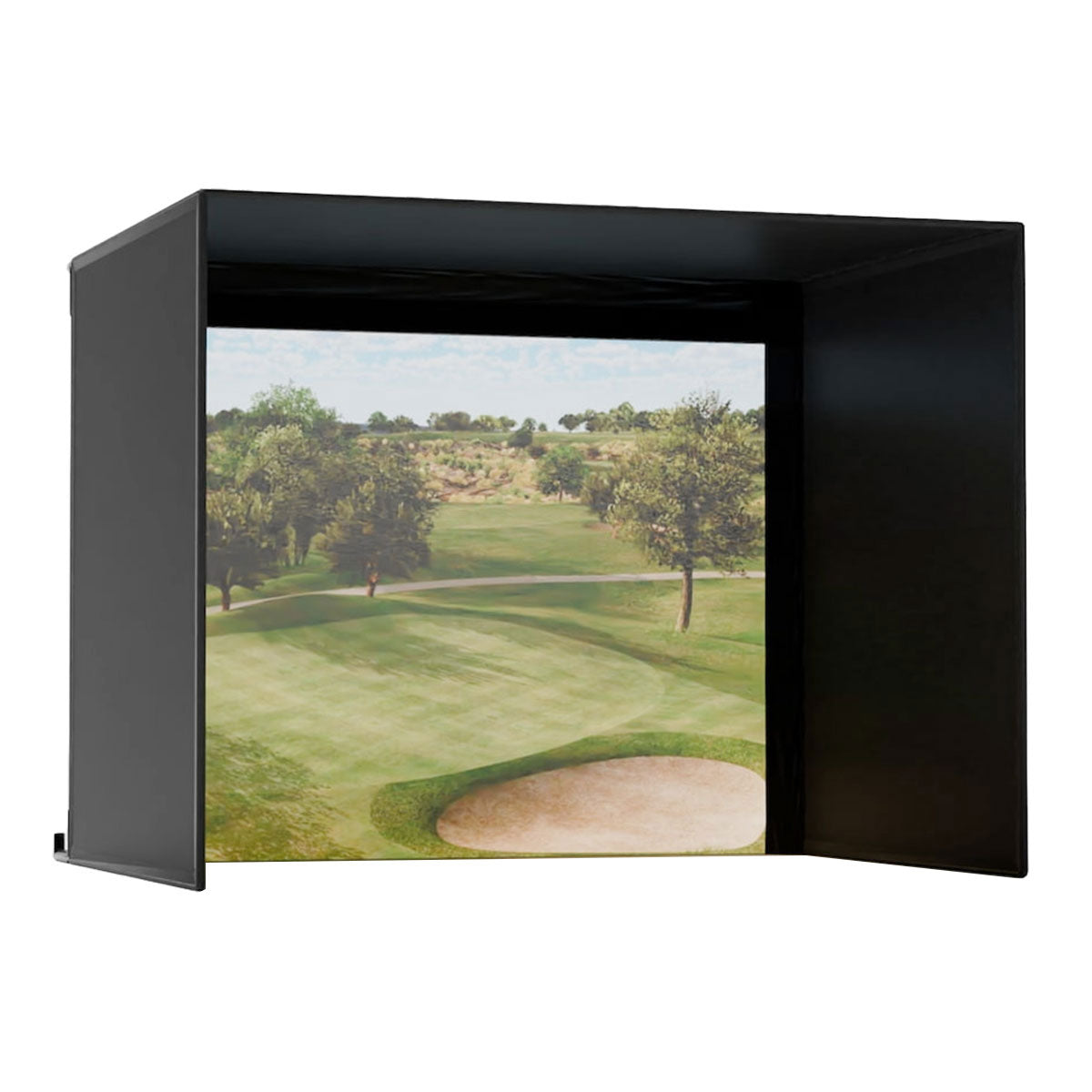
Note the other thing on that Carl's page, because it is the part people discover late: the screen choice. A high-contrast grey screen for a room with ambient light, a classic white for a room you can genuinely darken. That decision does more for your picture than another thousand lumens, and it is a decision you want to make in daylight with the room in front of you, not at eleven at night in a checkout.
The half of the build that needs weather
Now the bit that never appears in a spreadsheet. Building a sim bay is physical work in a cold room, and almost all of it requires the room to be empty first.
Everything currently in the garage has to come out. In September it goes on the drive for a Saturday and goes back in on Sunday evening. In December it goes on the drive and gets rained on, so it does not go on the drive, so the garage does not get cleared, so nothing else happens. That single sentence is the whole reason for this article. Add to it that you probably want a socket run to a wall you have never run a socket to, and that the person who does that has a diary, and that their diary in November and December is not the same diary they have now.
There is also daylight. In mid-September you get a usable hour after work. By the second week of November you do not, and every job moves to a weekend you were going to spend somewhere else.
So spend the September money on the room, not the sensor
This is the part I will actually take a position on, because the standard advice is the other way round and I think the standard advice is wrong for anyone building a bay this year.
Buy the room first. Enclosure, screen, mat, projector mount, power. Every one of those items has a lead time, a delivery slot, or a person attached to it, and every one of them gets slower between now and Christmas. Then buy the launch monitor last, in November, when it can be on your doorstep in days rather than weeks and when the discounting tends to appear anyway. Nothing about a sensor has a weather window. It is the only line on the whole list that can be bought in a panic without consequence.
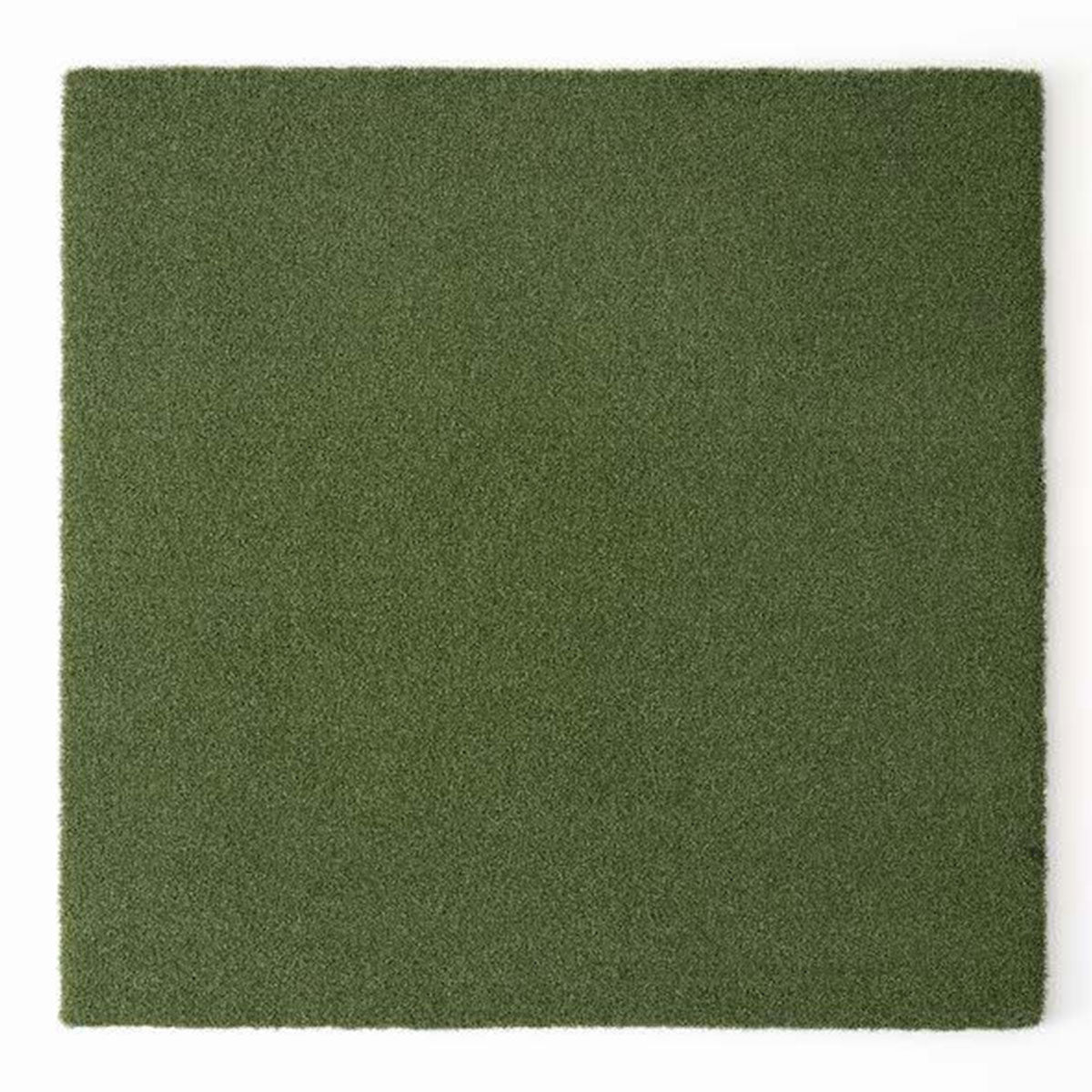
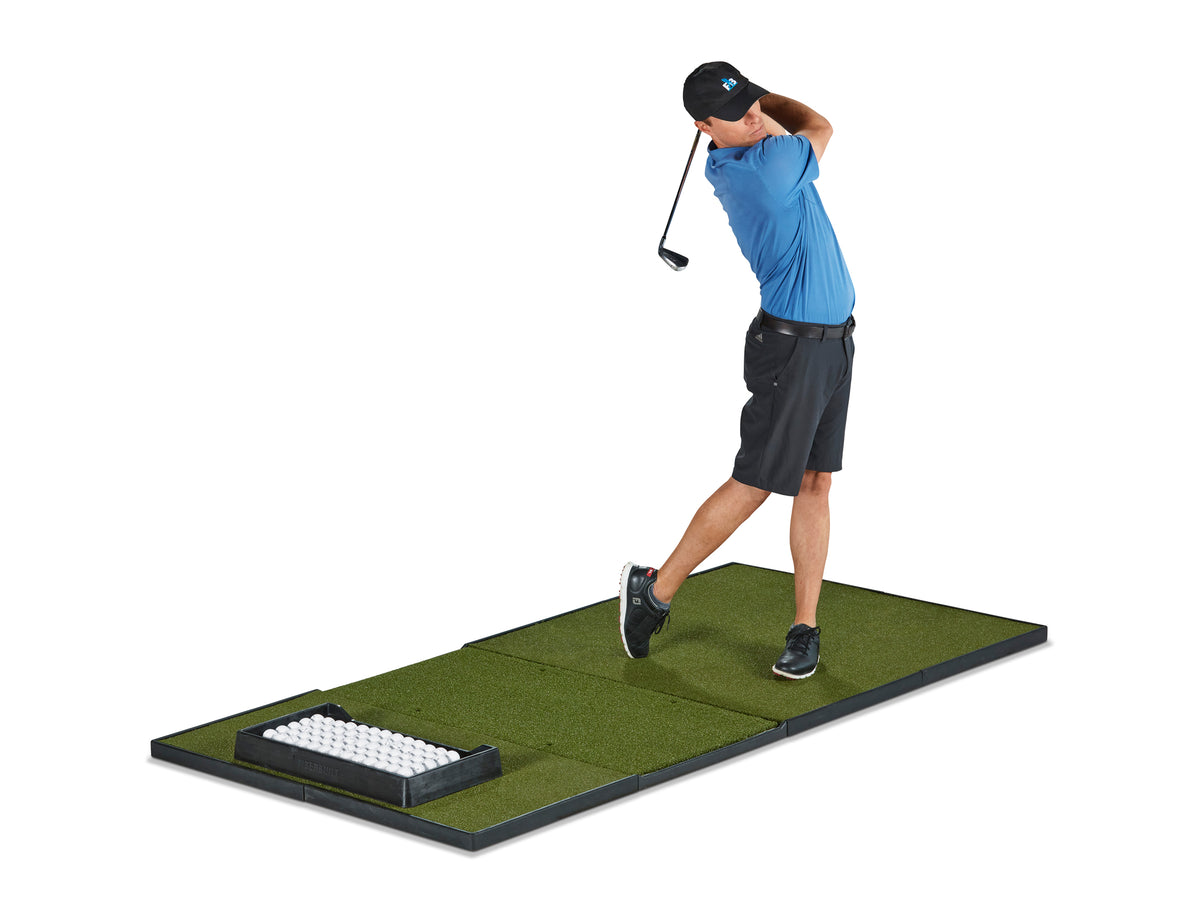
The mat is the item people leave until last and should not, because it is the piece your body meets on every swing and it takes floor space you need to have measured. If the bay is a work in progress, the PlayBetter SimStudio at around $600 is the sane choice, largely because a 5x5 footprint puts your feet and the ball on one continuous surface instead of an inch apart, which is a small geometry error that quietly rewrites your low point. If the room is going to be permanent and used most days, the Fiberbuilt Player Preferred is the one I would buy and keep for a decade, and its vibration-absorbing layer is a joint decision rather than a feel one.
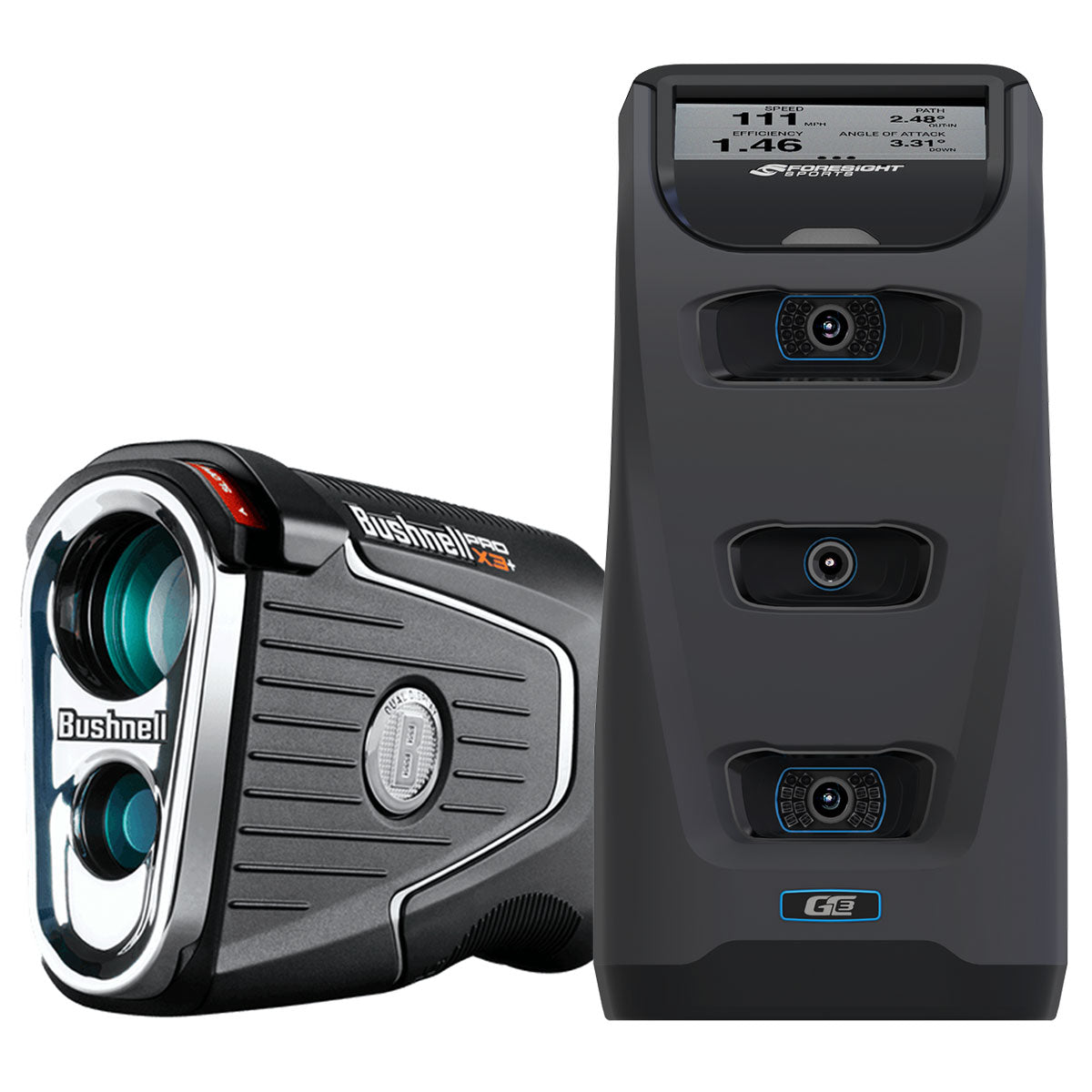
When November comes and the room is finished, the sensor question is a clean one. I would put the Foresight GC3 with LINK at the top of the long-term list, not because it is cheap — it lists at around $7,000, though Foresight cut it to about $4,000 in October 2026 — but because it shows club data on Foresight's free software tier and its three cameras go wherever the room does. Foresight's courses and GSPro need a paid Foresight+ membership, so cost the tier you will actually use before you buy. Whatever you choose, you will choose it better in November with a working bay to put it in than you will in September with a spreadsheet.
The counter-argument, which is real
If your budget stretches to exactly one thing this year, ignore everything I just said and buy the sensor and a net. That is the recommendation I have made before when the sum is run against a club membership, and it is still the version that leaves you with your outdoor golf, your handicap and your money.
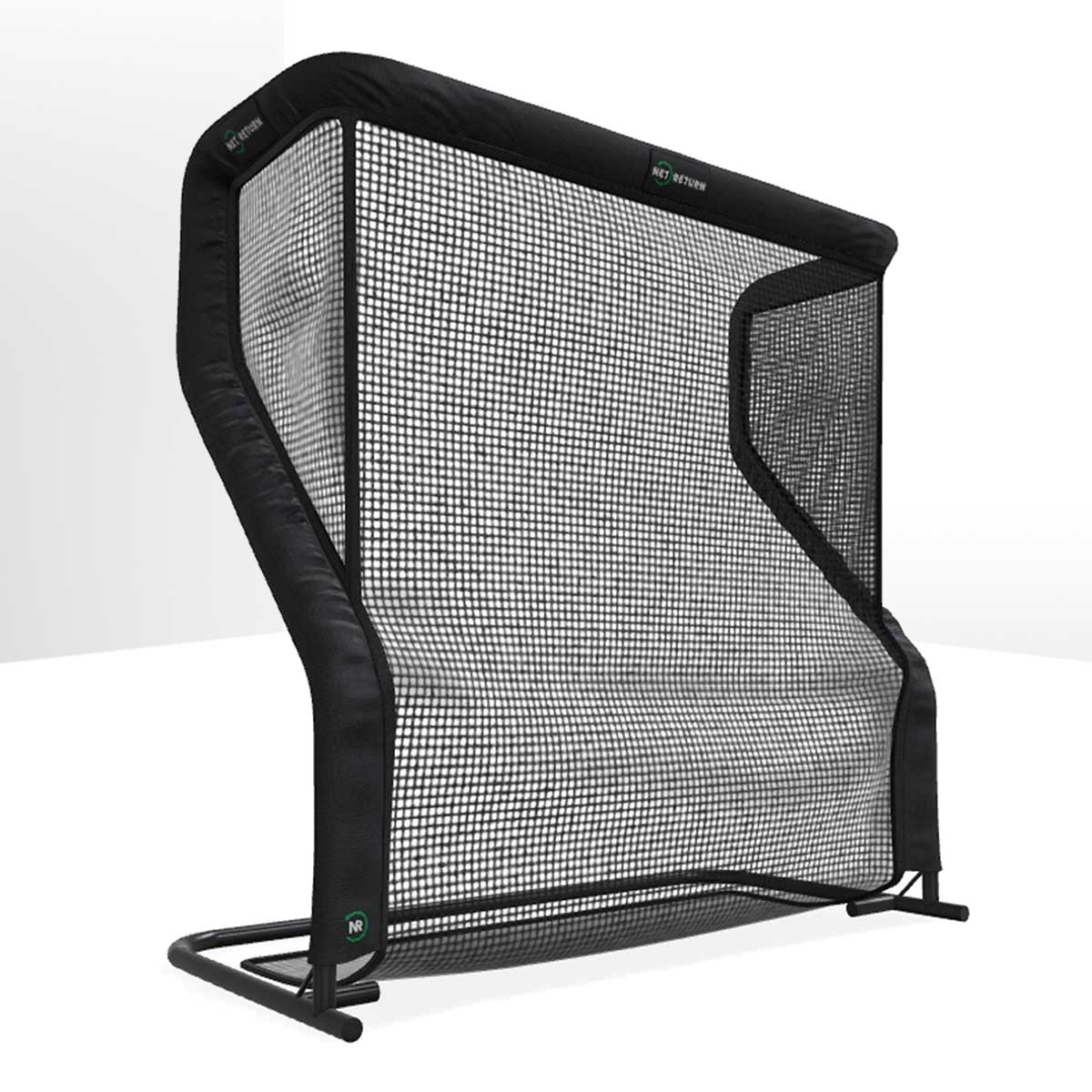
A Net Return Premium at around $800 in front of a launch monitor is a genuinely good winter, it needs a fraction of the room, and it can be standing in a garage tonight with no lead time at all. It is also the September build with the highest completion rate, which is a real metric even though nobody publishes it.
The piece above is for the person who has decided on a room. If you have not decided, the net is the better answer and it is not close.
Who should not build one at all this year
Three groups, and the first one is the big one.
If you cannot name the two specific weekends between now and the end of October when the physical work will happen, you are not building a simulator this year. You are buying one. Those are different activities with different outcomes, and the second one ends with a flat box in a hallway. Open a calendar before you open a checkout, and if the weekends are not there, buy the net instead and revisit it in July.
If you have not measured your ceiling, do that tonight and let the answer decide. Space rather than money is what stops most people, which is the argument I lost to my own data in space, not cost, and September is the last month where finding out you are eight inches short still leaves you time to change the plan.
And if the room is unheated and you have not thought about what winter does to the hardware in it, read what winter does to a home simulator before you order anything, because the answer involves your projector's operating range and your ball's carry and neither is a small effect.
The version of this I believe
A simulator is not really a purchase. It is a small construction project with a delivery schedule bolted to the front of it, and construction projects have seasons. The gear will be there in December, discounted and in stock and ready to ship in twenty-one business days into a garage full of bicycles.
Do the room now while you can still open the door and put everything on the drive. Buy the clever electronics when the room is standing and waiting for them. That order costs nothing extra and it is the difference between a winter of golf and a spring of unpacking.
Products mentioned in this article
SportScreen
SportScreen Vanish Series Retractable Golf Studio Enclosure
The retracting enclosure, and the only one in this piece that publishes its lead time where you can read it.
Carl's Place
Carl's Place Pro Enclosure Kit
The fixed-bay answer, with a screen choice that matters more than your projector does.
PlayBetter
PlayBetter SimStudio 5x5 Hitting Mat
The mat for a bay you are still building, sized so your stance and the ball share one surface.
Fiberbuilt
Fiberbuilt Player Preferred Studio Golf Mat
The mat for a room that is going to be permanent and used daily, with a vibration layer your elbows will notice.
Foresight Sports
Foresight GC3 with LINK
The sensor I would buy last, because nothing about it has a lead time or a weather window.
The Net Return
The Net Return Premium (Pro Series V2)
The September build for the person who has not got two free weekends, and the one I would recommend more often than I do.
ifrothgolf earns a commission on purchases made through these links, at no extra cost to you. It never changes what I recommend. Full disclosure.
Frequently asked
- When is the best time to build a home golf simulator?
- September and early October, if the aim is to use it that winter. Enclosures and screens are made to order rather than held in stock, the physical build needs a garage you can empty onto the drive without it being rained on, and electricians book up through the autumn. Buying the kit is cheapest in high summer, but September is the last month where the whole project still fits before the season it exists for.
- How long does a golf simulator enclosure take to arrive?
- Longer than most people plan for, because these are built after you order. SportScreen states lead times of 1 to 21 business days on US orders for its Vanish retractable enclosure, and 10 to 15 business days for custom sizing. Carl's Place does not publish a lead time on its Pro enclosure page and shows an estimate only once the item is in your cart. Assume several weeks and add the build weekend on top.
- Should you buy the launch monitor or the enclosure first?
- The enclosure, if you are committed to building a room. The launch monitor has no lead time, no installation and no dependency on the weather, and it can be ordered in November for delivery in days, which is also when discounting tends to appear. The enclosure, screen, mat and power all have queues or people attached to them, and all of those queues get longer as winter approaches.
- Is a hitting net a reasonable alternative to a full simulator bay?
- For a lot of golfers it is the better answer, not a lesser one. A net and a launch monitor give you the same swing data and the same reps in a fraction of the space, cost far less, need no installation and can be up the same day. What you give up is the projected course and the feel of watching the ball into a screen, which is worth paying for eventually and is the last thing on the list rather than the first.
Read next
Versus
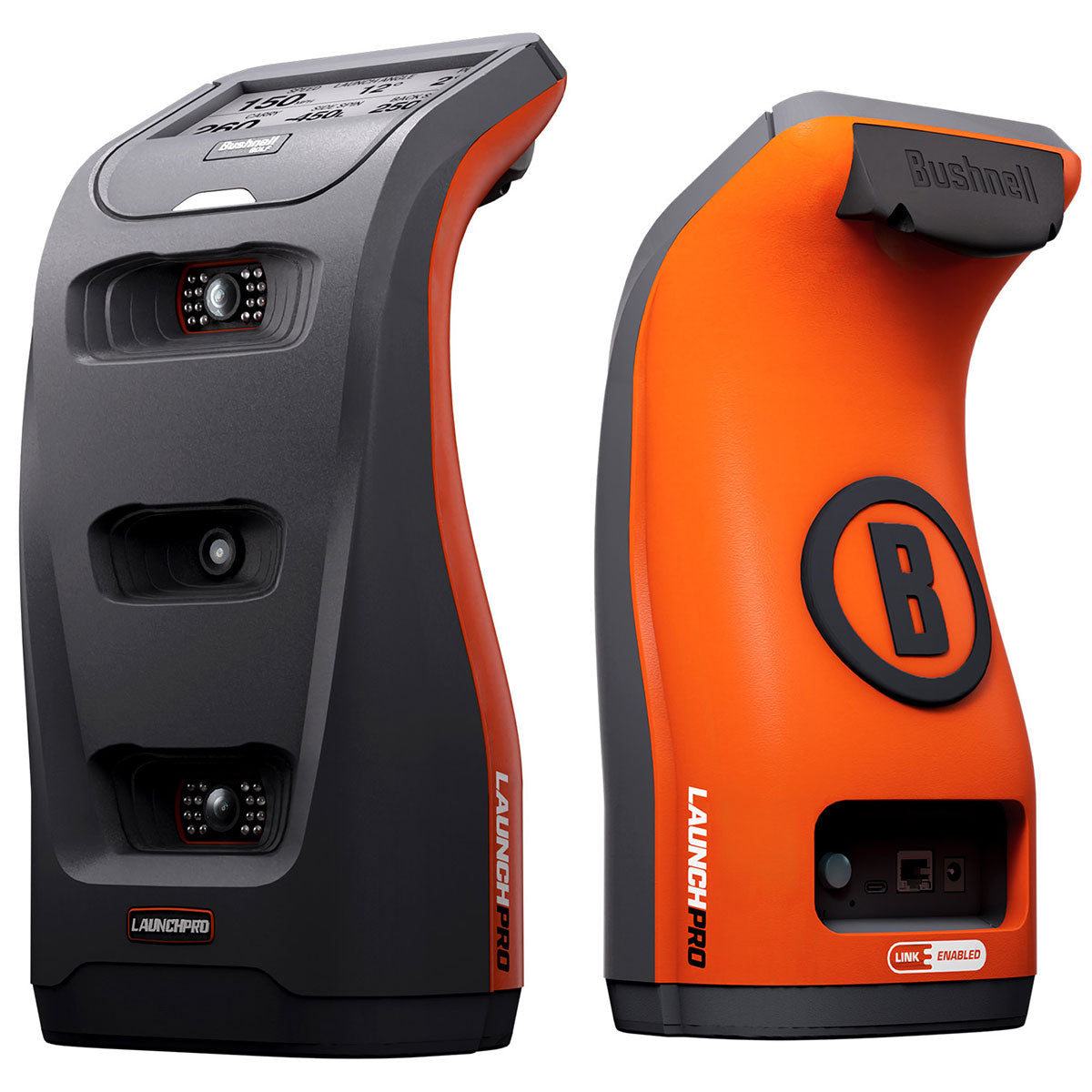
Launch Pro vs SkyTrak ST MAX: the subscription decides it
Two of the most-recommended home-sim units, about $1,000 apart on the sticker. Run the software costs for three years and the gap gets much wider — in one specific direction.
Explained
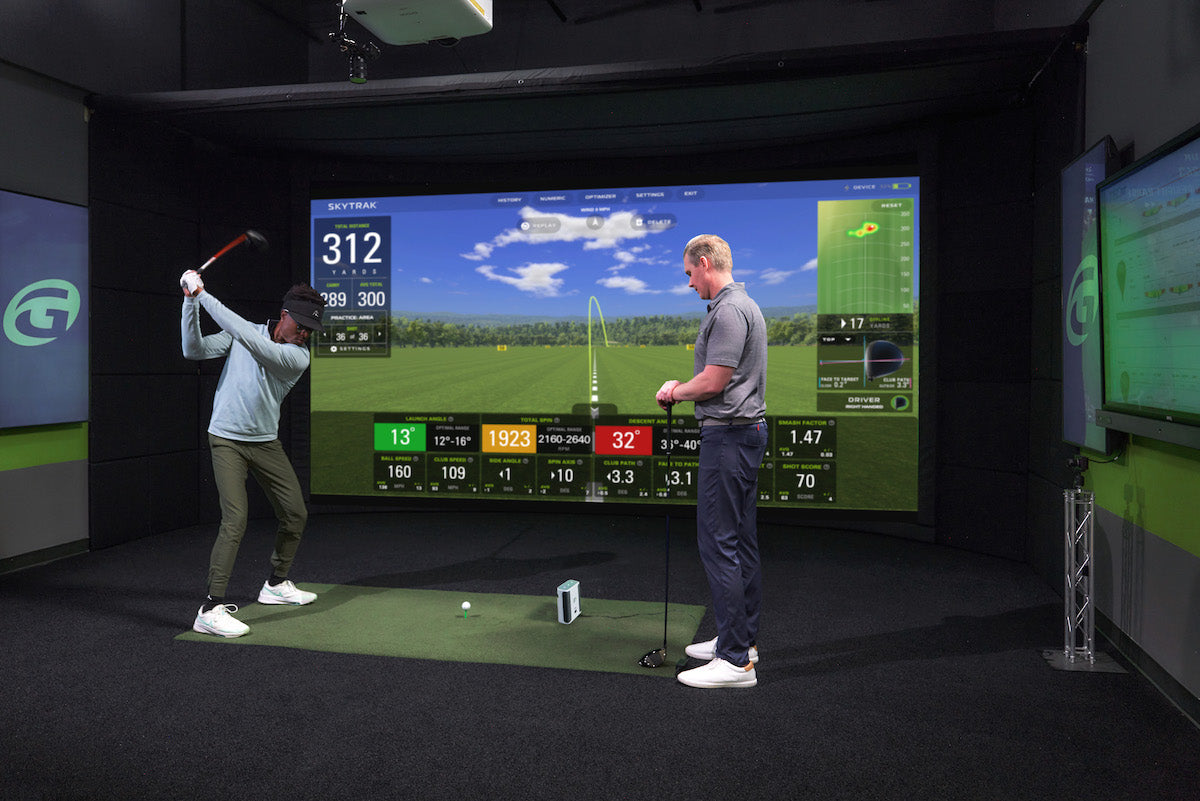
The four home golf simulators: what each budget threshold actually unlocks
Spend twice as much and you don't get twice the simulator — you cross into a different kind of room. Here's what genuinely changes at each tier, and the exact point where more money stops buying you more golf.
Opinion
Your garage practice doesn't die in February because you lost motivation
It dies because of a small, stupid, entirely fixable thing: bending down. Twenty minutes of home practice contains about four minutes of golf and sixteen of picking balls up — and that ratio, not your willpower, is what kills the habit.