
The home simulator wins the five-year sum against a club membership. Most of the saving is rounds you didn't play
Every simulator comparison in this category is a simulator against another simulator. The thing it is actually competing with is the renewal letter on your kitchen table, and the honest arithmetic has a twist in it.
By Ben Marsden · Reviews Editor
SkyTrak
SkyTrak ST MAX
ifrothgolf earns a commission on purchases made through these links, at no extra cost to you. It never changes what I recommend. Full disclosure.
The renewal letter turns up around now. Ours comes in a stiff cream envelope with the club crest on it, which I assume is deliberate, and inside is a number and a date and a polite paragraph about investment in the greens. Somewhere in the second week of September a lot of golfers open that envelope, look at the number, and think the thought: for that, I could build a room.
It is a reasonable thought and almost nobody does the sum properly. I have written a lot of words in this category and nearly all of them compare one simulator against another. That is not the competition. The envelope is.
So here is the arithmetic, run honestly, with the conclusion I did not expect when I started it.
What the membership actually costs
The best current picture of British club economics is the Hillier Hopkins Golf Club Survey Report, which covered 79 members' clubs across ten UK regions. The average annual subscription came out at $2,250. The middle half of clubs sat between $1,600 and $2,850, with the full range running from $250 at the cheapest to $4,900 at the dearest.
Then the joining fee, which people forget because they paid it once and put it out of their minds. Seventy-four per cent of clubs charge one, up from 72 per cent the year before, with a further six per cent planning to introduce one. The average is $3,000, and that figure jumped from $2,300 in a single year. The range runs from $180 to $11,800.
Clubs also told the survey they were planning increases of between two and ten per cent, averaging five. So a five-year membership at the average, joining fee included and inflation ignored to keep the arithmetic conservative, is $3,000 plus five years at $2,250. That is $14,150.
Hold that number.
What the room actually costs
Now the other side, built out of kit we actually stock rather than a wishlist.
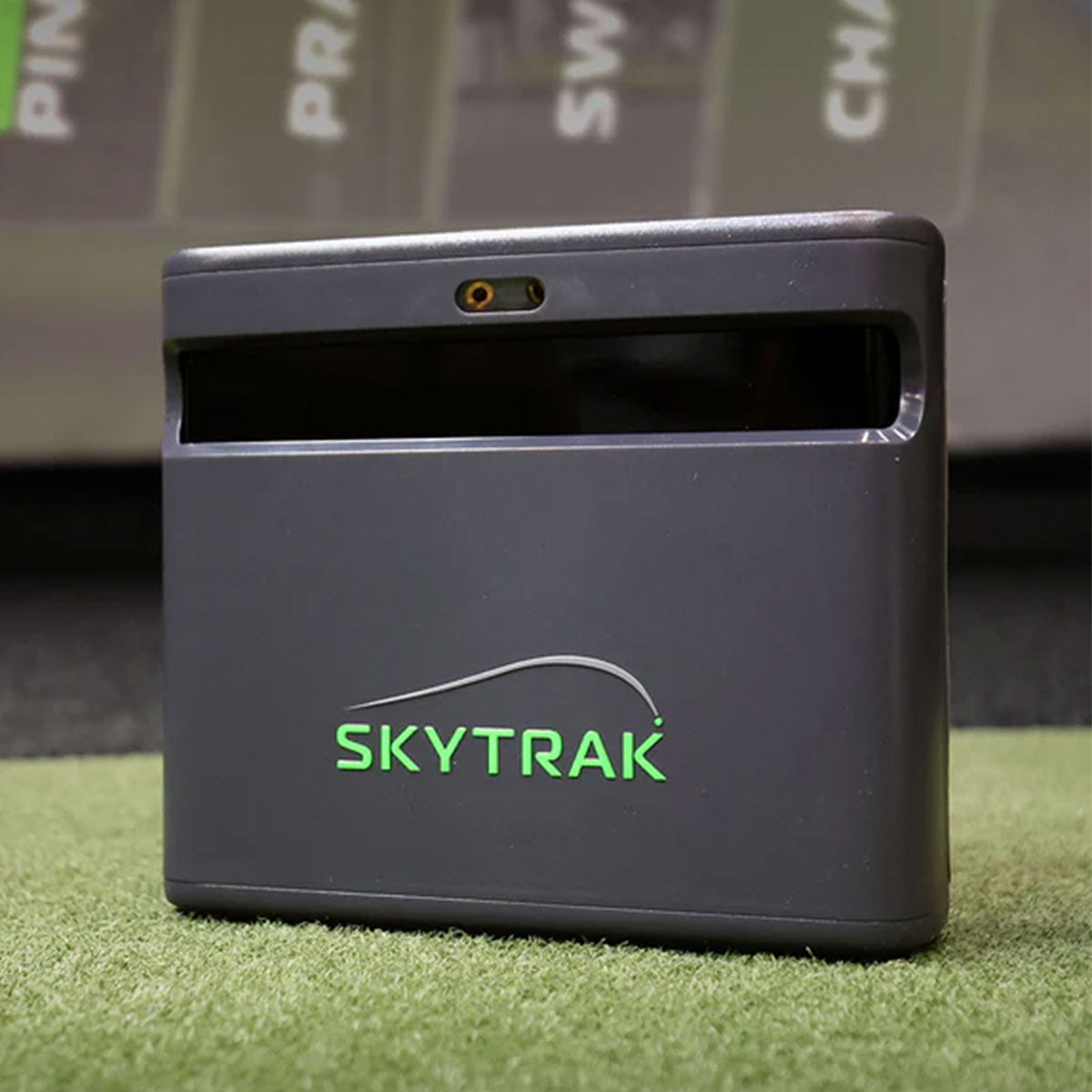
A realistic mid-tier build starts with the sensor, and I would start with the SkyTrak ST MAX at around $2,000, specifically because its 2026 membership tiers run course play on a compatible Mac or iPad rather than demanding a Windows gaming rig. That single fact keeps a four-figure line item out of the spreadsheet, which is why it keeps winning arguments it looks like it should lose.
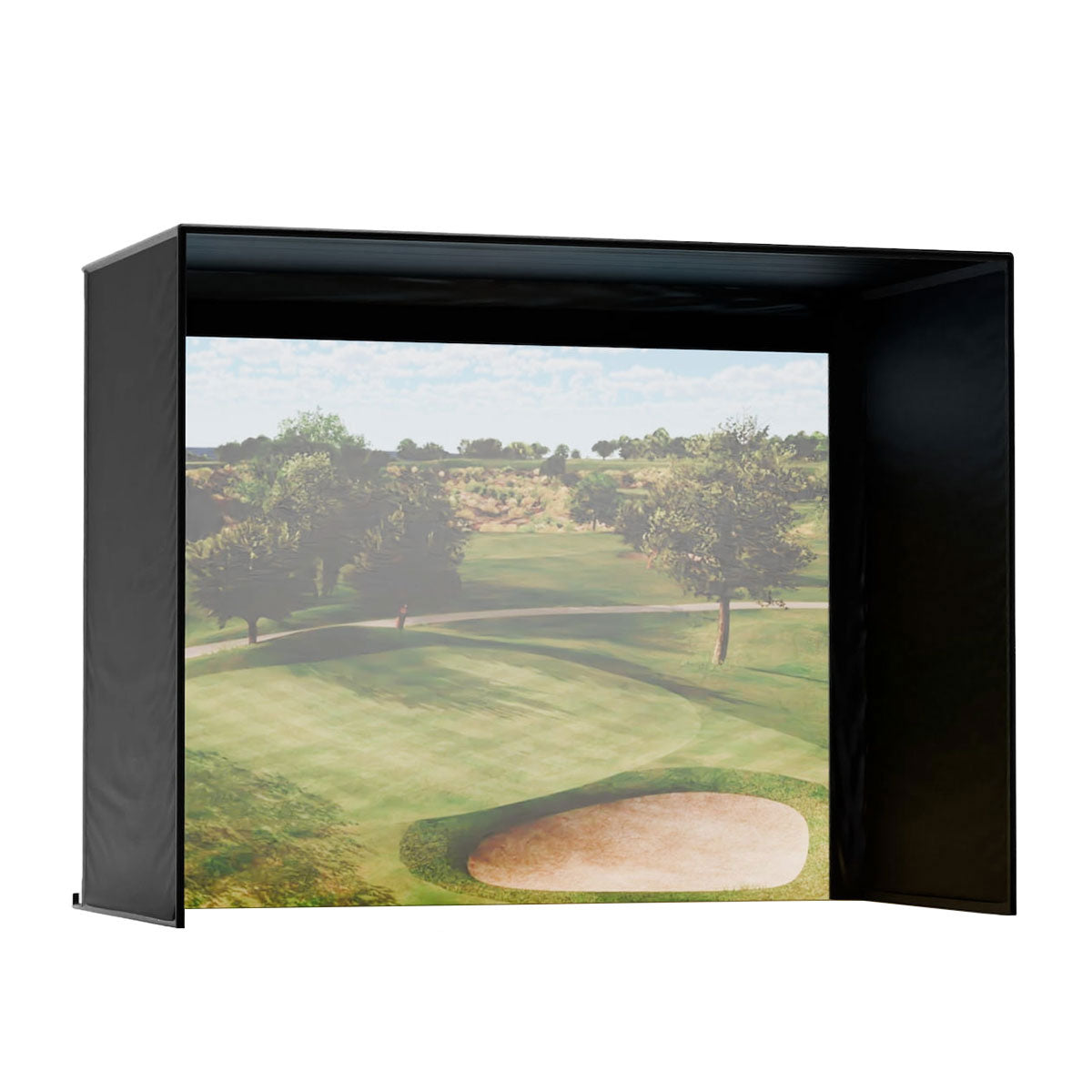
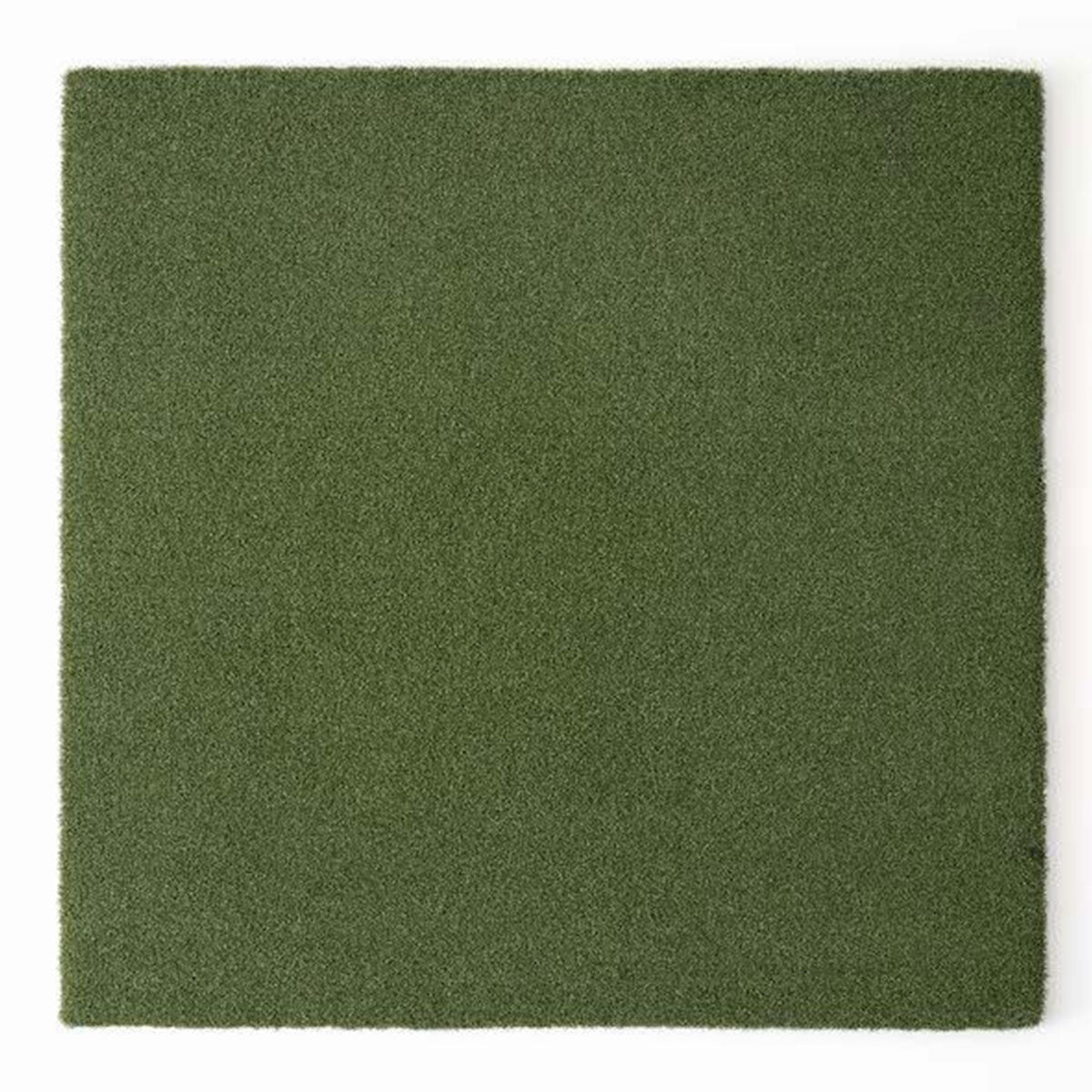
Add the Carl's Place DIY Enclosure Kit at about $1,200 for the frame and screen, the PlayBetter SimStudio mat at around $600, and a short-throw projector with a real gaming mode somewhere between $850 and $1,500. Take the bottom of that range and the hardware comes to $4,600.
Then the line nobody puts in: software renews. Call it $250 a year, which is roughly where the platform the enthusiast community standardised on sits, and over five years that is another $1,250. We went through this in detail in the bill nobody budgets for, and it is the single most common way a build overshoots.
Five-year total for the room: $5,900. Against $14,150 for the membership.
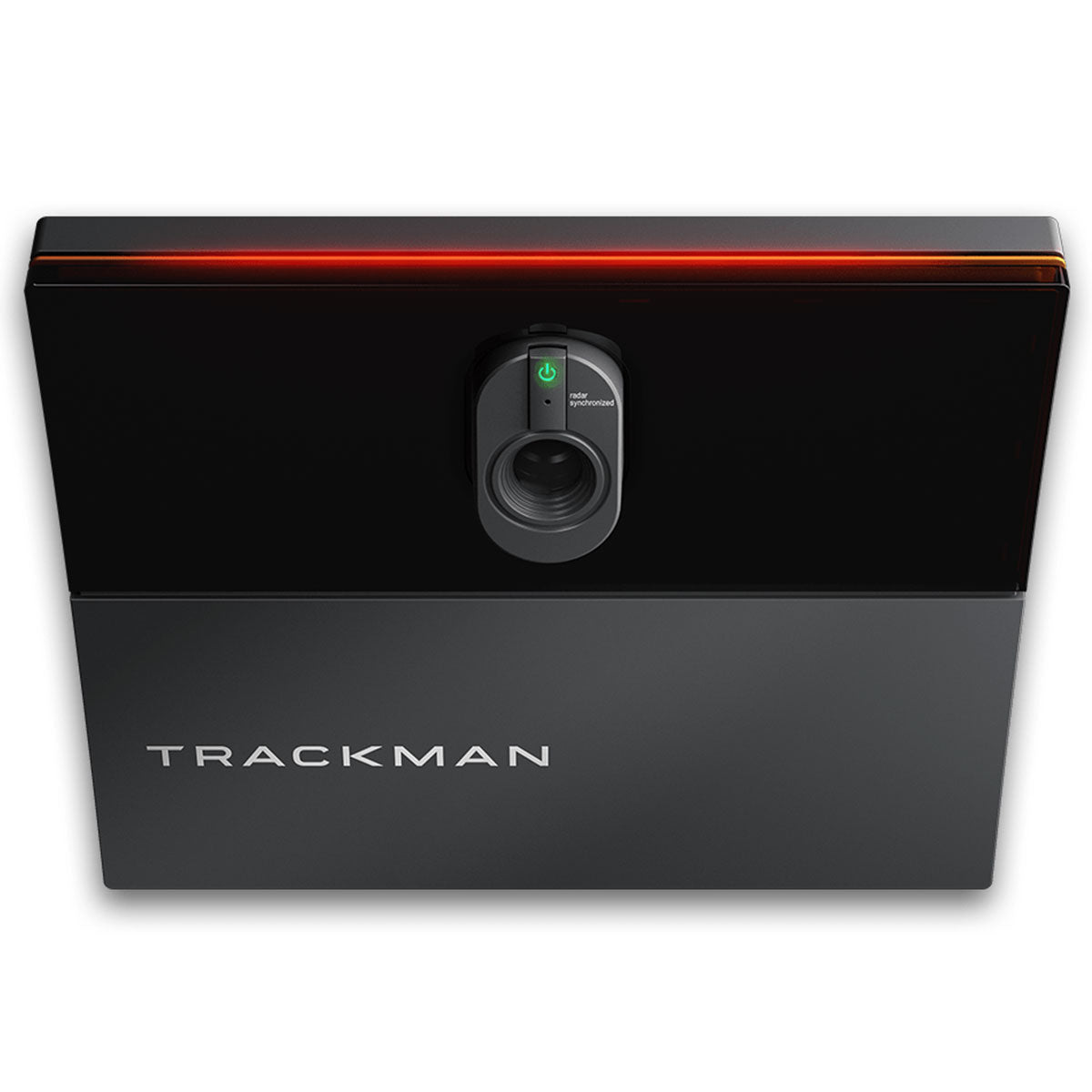
For scale, the Trackman iO is around $14,000. The most expensive indoor unit we sell costs about the same as five years of an average British club subscription, which I offer without comment.
Where the sum quietly lies to you
A gap of $8,250 over five years looks decisive. It is not, and the reason is the assumption buried underneath it: that the simulator replaces the golf.
It does not. So put the golf back in. Say you leave the club and play twenty visitor rounds a year at $60, which is a fair figure for ordinary British golf rather than the famous stuff. That is $1,150 a year and $5,700 over five, and the room plus your visitor golf now comes to $11,600 against the membership's $14,150.
The gap has collapsed to about $500 a year. And if your visitor golf leans anywhere near the good courses, it inverts completely: the average green fee across the top 100 courses in Britain and Ireland reached $325 in 2026, up around 65 per cent on the $200 it was in 2021, so six such rounds a year is $2,000 on its own and the simulator has stopped saving you anything at all.
This is the finding, and it is not the one the category wants. The simulator's five-year saving is made almost entirely of rounds you did not play. If you build the room and keep playing the same amount of golf, you have not saved money. You have bought a very good practice facility and paid roughly what you were paying before.
The part the money cannot reach
Three things the spreadsheet has no column for.
Your handicap stops. Simulator scores are not acceptable scores under the World Handicap System, however good the technology gets, because an acceptable score has to come from a course with a published Course Rating and Slope Rating. Leave the club, keep playing indoors, and the number that lets you enter anything competitive quietly expires. You can rebuild it through general play scores as a nomad member, but it is a thing to arrange rather than a thing that happens.
The lie stops being a variable. In a bay every shot sits on the same surface at the same height with no wind and no consequence, which is exactly why it is such good practice and exactly why it is not golf. We wrote about what happens when a screen-raised golfer meets grass in where the grass disagrees, and the short version is that the ground is the thing nobody is ready for.
And the four hours stop being with anyone. This is the one I would weight highest and the one that never appears in a build thread. A club subscription is not really buying you access to a field. It is buying you a standing arrangement with people who will notice if you stop turning up.
Who the simulator genuinely wins for
It is a straightforward win in three situations, and in all three the honest driver is time rather than money.
If you have small children, the sim wins outright, and it is not close. A round is a five-hour block you have to negotiate for. A bay is forty minutes after bedtime, and forty minutes four nights a week beats a monthly round at everything except being outdoors.
If you are north of somewhere and winter takes five months off your season, the sim wins, because you are not choosing between the room and golf. You are choosing between the room and nothing, from November to March, which is also the argument for buying the whole thing in July when nobody wants one.
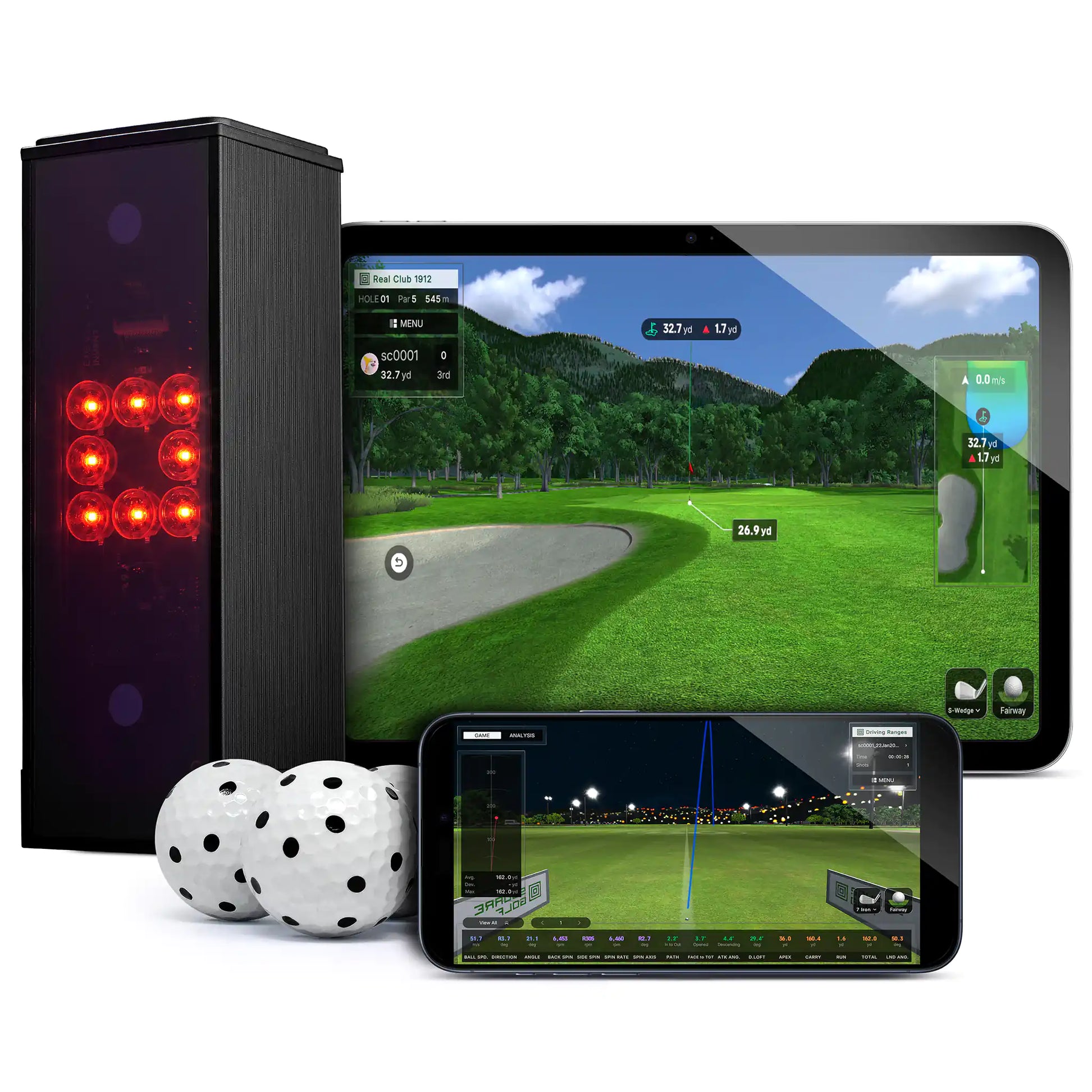
And if you are trying to actually improve rather than accumulate rounds, the sim wins on reps per pound by a distance. Even the entry route works here: the Square Golf launch monitor at around $900 into a net gets you real numbers on real strikes for less than half of one year's average subscription.
Who is buying an expensive way to stop playing golf
And here is who should not. If you play thirty-plus rounds a year and enjoy every one of them, do not build the room to save money, because it will not, and you will have swapped a social habit for a solitary one at roughly the same price.
If the real attraction is that you would not have to book, or talk to anyone, or be seen playing badly, I would be careful. That is a feeling I am not mocking. But a screen is very good at letting a golfer withdraw, and the ones who go all-in on a room after a bad season mostly do not come back out.
And if you have not measured your ceiling, none of this applies yet. Space, not budget, is what actually stops people, which is the argument I have already lost once and the reason we built the Sim Room Architect to start from the room rather than the wallet.
What I would actually do
Neither of the two things this piece has been comparing.
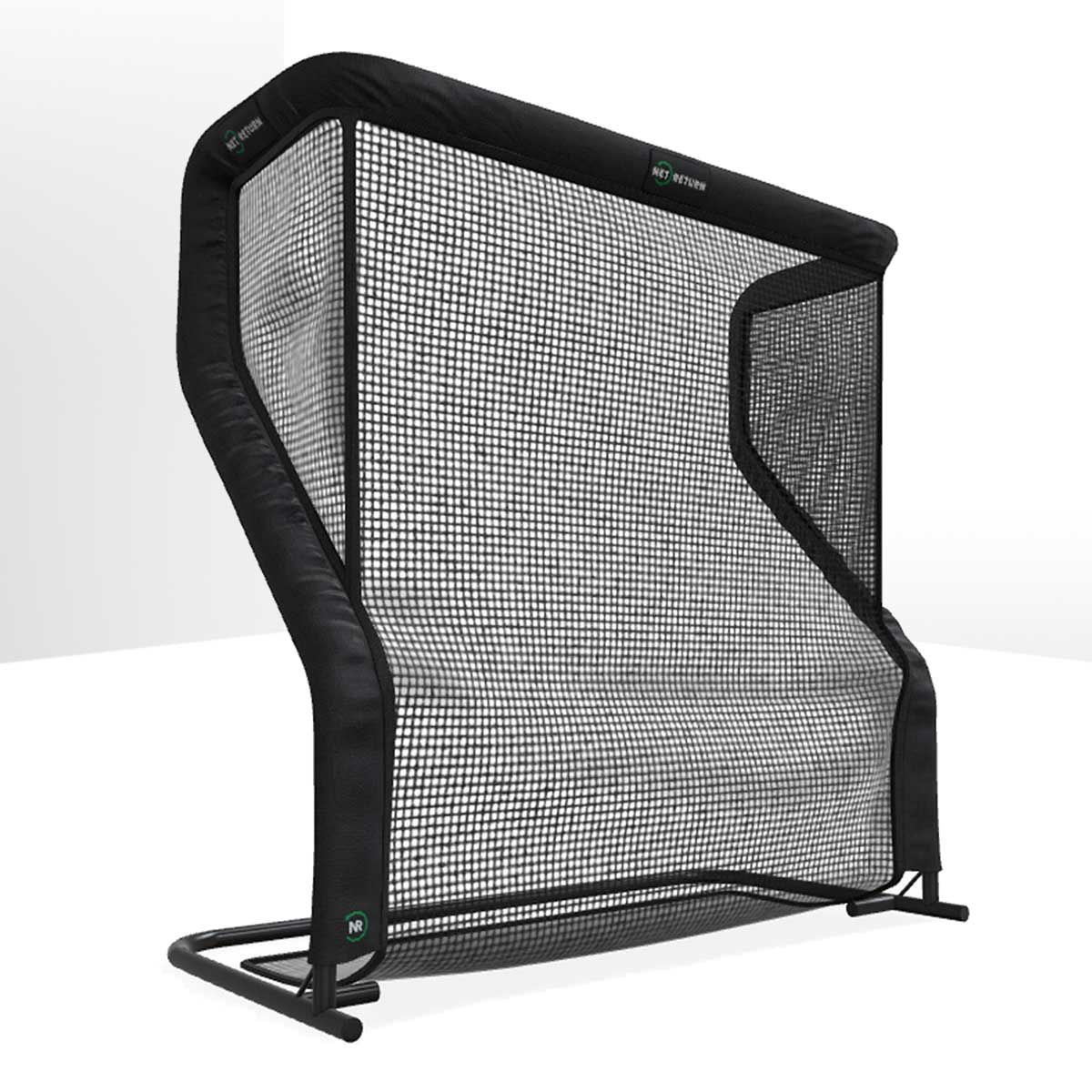
I would drop to the cheapest category of membership the club offers, which at most places is a flexible, off-peak or country rate at a fraction of the full subscription, and put the difference into a net build rather than a screen build. A Net Return Premium at around $700 with a sensor in front of it is a fraction of the enclosure route, needs far less room, and leaves the outdoor golf, the handicap and the people entirely intact.
Almost nobody costs that version, because it does not look like a decision. It looks like a compromise. It is also the only one of the three where you finish five years having spent less and still played golf, and I would take it over both of the alternatives I have just priced.
The full screen build is a wonderful thing and I would love one. Just do not tell yourself it is the cheap option. It is only cheaper than a membership if you use it instead of golf, and the moment you do that, the saving is the point of the exercise going missing.
Products mentioned in this article
SkyTrak
SkyTrak ST MAX
The sensor the mid-tier sum is built on, mostly because it does not drag a gaming PC into the budget with it.
Square Golf
Square Golf Home Launch Monitor
The entry sensor that makes the cheapest version of this argument work at all.
Carl's Place
Carl's Place DIY Enclosure Kit
The frame and screen line item, and the point at which a room stops being a spare room.
PlayBetter
PlayBetter SimStudio 5x5 Hitting Mat
The mat, which is the line people either forget or overspend on.
The Net Return
The Net Return Premium (Pro Series V2)
The build that keeps the outdoor golf, which is the version I would actually recommend to most people.
Trackman
Trackman iO
The ceiling, and the number that happens to match five years of an average British club subscription almost exactly.
ifrothgolf earns a commission on purchases made through these links, at no extra cost to you. It never changes what I recommend. Full disclosure.
Frequently asked
- How much is a golf club membership in the UK?
- The Hillier Hopkins Golf Club Survey Report, covering 79 members' clubs across ten UK regions, put the average annual subscription at $2,250, with the middle half of clubs between $1,600 and $2,850 and the full range from $250 to $4,900. Seventy-four per cent of clubs also charge a joining fee, averaging $3,000, up from $2,300 the previous year.
- Is a home golf simulator cheaper than a club membership?
- Over five years, yes on paper. A mid-tier build of around $4,600 in hardware plus $250 a year in software totals $5,900, against roughly $14,150 for five years of an average membership with its joining fee. But the saving assumes you stop playing outdoors. Add twenty visitor rounds a year at $60 and the sim route reaches $11,600, which is only about $500 a year apart.
- Do simulator rounds count towards your handicap?
- No. Under the World Handicap System an acceptable score must be played on a course with a published Course Rating and Slope Rating, so indoor and simulator scores cannot be submitted however accurate the technology is. If you leave a club for a home setup, arrange nomad or flexible membership if you want to keep an active Handicap Index.
- What is the cheapest home simulator setup that is actually worth having?
- A sensor and a net rather than a screen and a projector. An entry launch monitor at around $900 in front of a net at around $700 gives you real ball data on real strikes for roughly $1,600, which is less than one year of an average club subscription, and it needs far less room than an enclosure build.
Read next
Versus
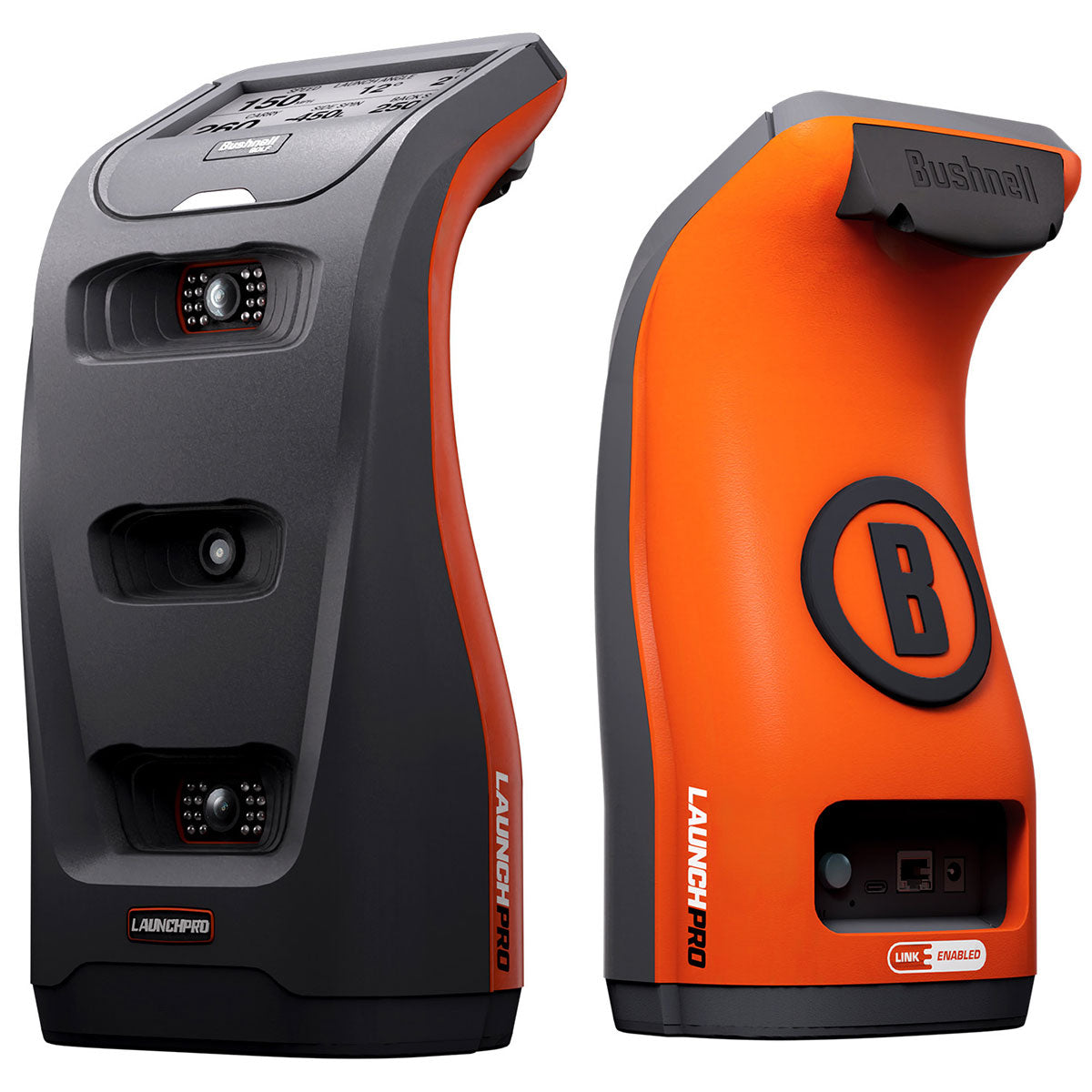
Launch Pro vs SkyTrak ST MAX: the subscription decides it
Two of the most-recommended home-sim units, about $1,000 apart on the sticker. Run the software costs for three years and the gap gets much wider — in one specific direction.
Explained
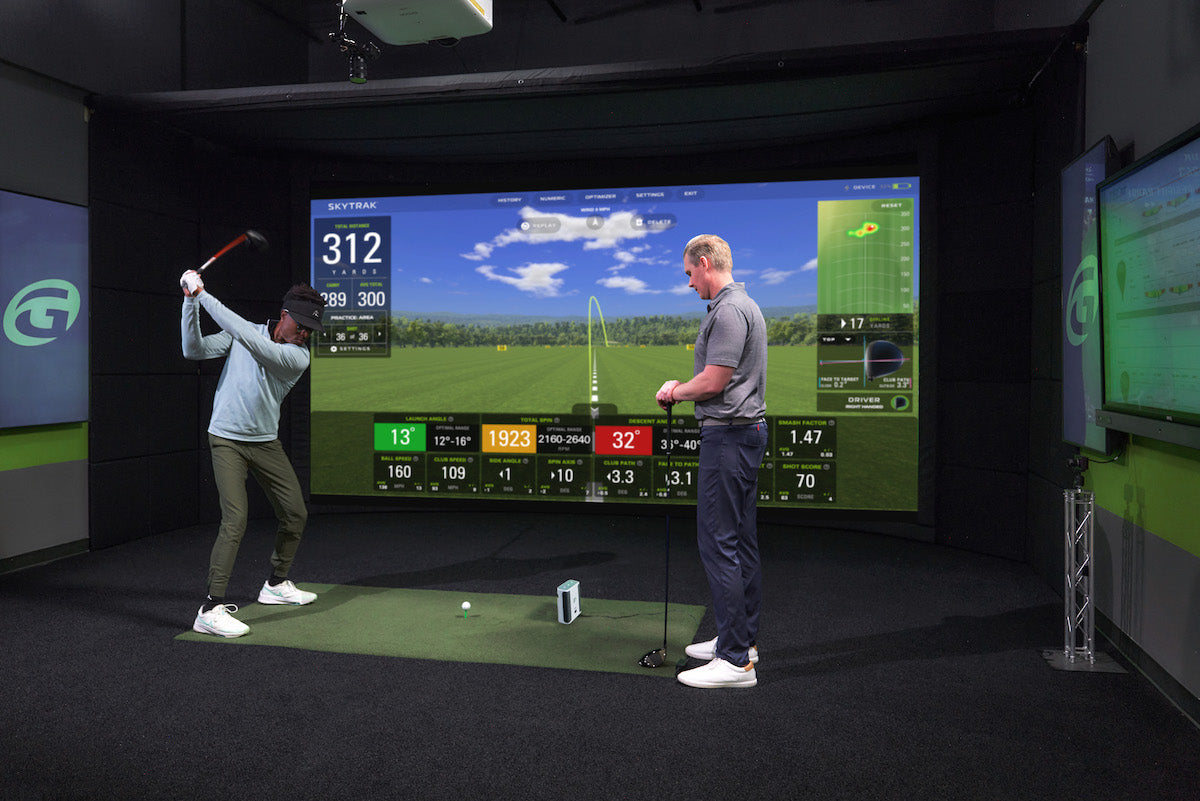
The four home golf simulators: what each budget threshold actually unlocks
Spend twice as much and you don't get twice the simulator — you cross into a different kind of room. Here's what genuinely changes at each tier, and the exact point where more money stops buying you more golf.
Opinion
Your garage practice doesn't die in February because you lost motivation
It dies because of a small, stupid, entirely fixable thing: bending down. Twenty minutes of home practice contains about four minutes of golf and sixteen of picking balls up — and that ratio, not your willpower, is what kills the habit.