
Five gear trends that defined golf in 2026 (and which deserve your money)
Mini drivers, zero-torque putters, sub-grand launch monitors — the shifts that actually reached your bag this year, ranked by whether they're worth it.
By Jordan Hale · Equipment Writer
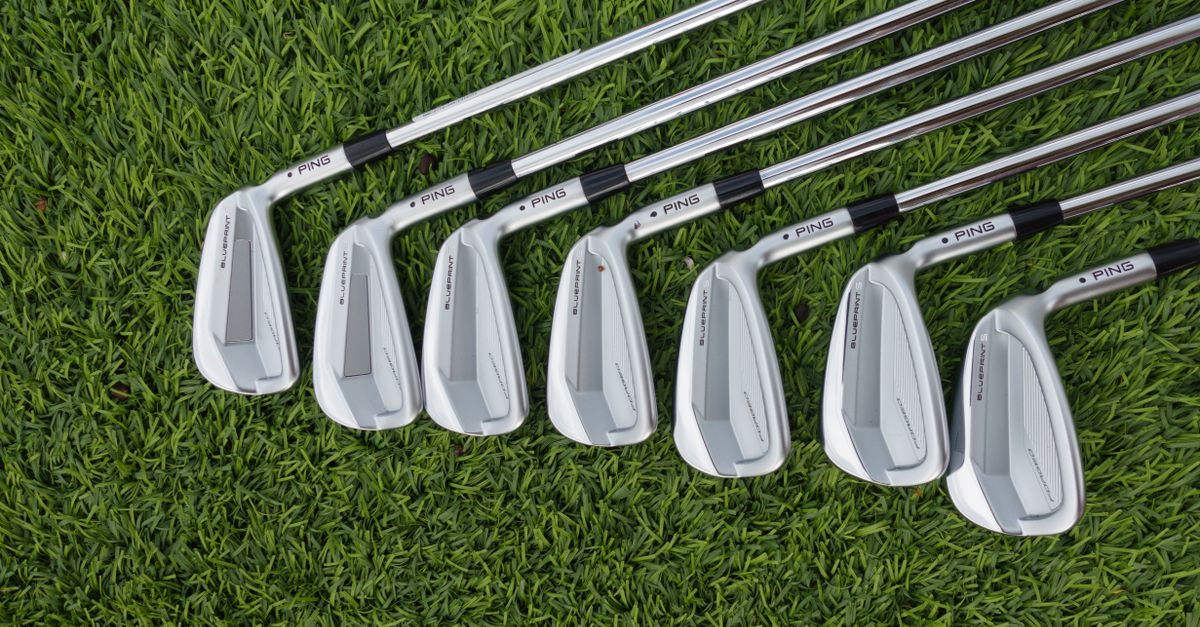 Explained
Five things genuinely changed in golf gear this year, and only three of them deserve your money. The launch-monitor price collapse and the zero-torque putter are real, lasting shifts worth acting on now; mini drivers and direct-to-consumer irons are smart buys for the right player; and the ball rollback — the trend that grabbed the most headlines — is the one you can safely ignore. Here's the honest scorecard on the trends that actually reached the average golfer's bag in 2026.
1. The launch monitor finally got cheap — buy in
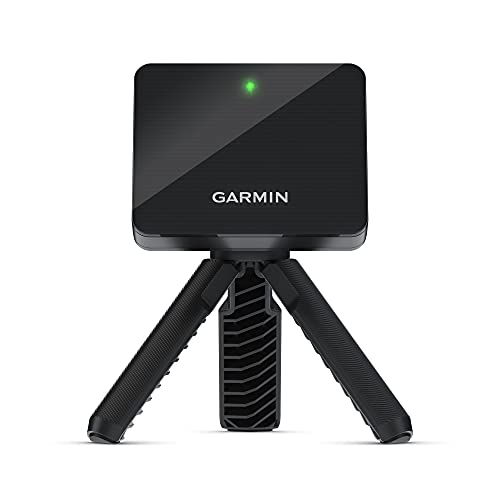
For a decade, a personal launch monitor meant a five-figure ceiling-mounted box or nothing. In 2026 the floor caved in. Radar-and-camera units that hand you carry distance, ball speed and a swing video now start around $900, and the home-sim brains that used to cost as much as a car have credible challengers under $3,200. This is the single most consequential shift in the list, because data is the one thing that reliably improves an amateur faster than new clubs do — you stop guessing why you miss and start practising the actual fault.
The honest caveat: a cheap monitor measures fewer things, and the numbers wobble more than a premium unit. But for a golfer who has never seen a real carry number, even a noisy one is a revelation — most amateurs are stunned to learn they hit their 7-iron a full club shorter than they tell their playing partners, and gapping the bag off real numbers instead of ego is worth shots on its own. If you only spend on one thing this year, spend it here, not on a new driver — and if you have a garage or a spare wall, the same kit turns the off-season into practice rather than rust, which is why golf is quietly happening indoors now. Start with our budget launch-monitor guide, which caps the field at around $1,250 — entry units like the Garmin Approach R10 are where most golfers jump in. Verdict: worth it for almost everyone.
2. Zero-torque putters stopped being a gimmick
Two seasons ago, a putter that won't twist was a curiosity from one small Oregon brand. In 2026 every major manufacturer ships one, tour players keep switching to them mid-season, and independent gate tests keep rating them among the most consistent for face control under pressure. That's not a fad pattern — fads don't get copied by everyone who was sceptical 18 months earlier.
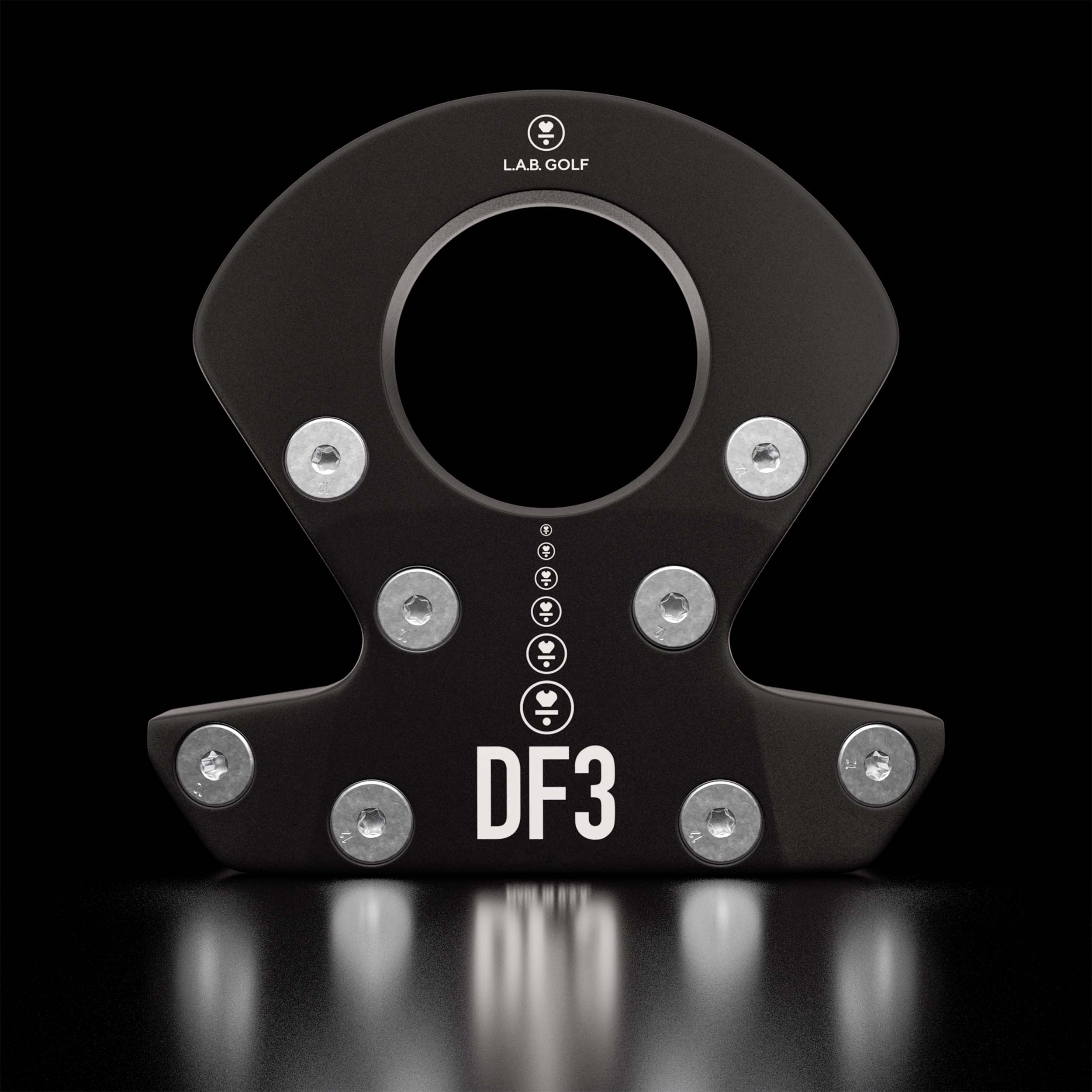
The mechanism is real and the use-case is narrow, which is exactly why it's trustworthy. If your short putts leak left and right rather than long and short, this is the upgrade most likely to lower your scores — the L.A.B. DF3 is the one that broke the category open; if you already have a repeatable stroke and good pace, you'll gain little. We unpack the whole story — where it came from and who should skip it — in the zero-torque putter revolution, and the wider category sits on the putters hub. Verdict: worth it if your misses are sideways.
3. Mini drivers crept back into real bags
The 13.5-degree mini driver — more head than a 3-wood, more control than a driver — went from novelty to a genuine fairway-finder for golfers who can't keep the big stick in play. It's not for everyone, and it's the most situational trend here: if you already drive it well, it solves a problem you don't have. But for the slicer who's given up half their fairways, it's a smarter buy than another forgiving driver. We cover exactly who a mini driver is for. Verdict: situational — brilliant for a specific player, pointless for the rest.
4. Direct-to-consumer irons went mainstream
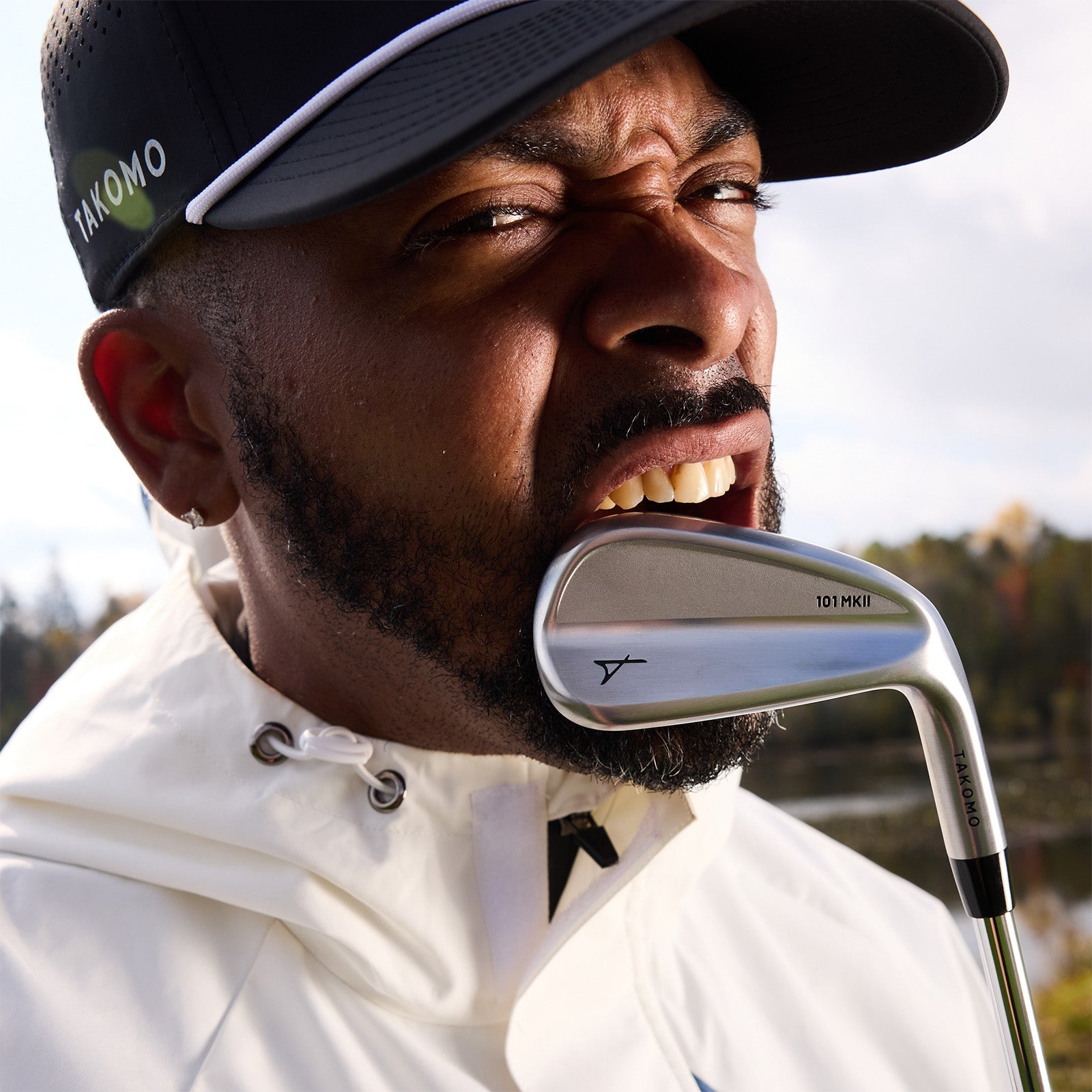
The idea that you must pay a major-brand premium for good irons died this year. DTC brands selling forged, tour-tested heads at roughly half the retail price stopped being a Reddit secret and became a default recommendation — and the blind tests keep showing the gap is in the badge, not the ball flight. The catch is fitting: buying irons unseen is a bigger leap than buying a ball, and the DTC route asks you to know your specs. For a confident ball-striker, direct-to-consumer irons are the smartest buy in golf right now — brands like Takomo lead the charge. Verdict: worth it if you know your numbers.
5. The ball rollback got loud — and you can ignore it
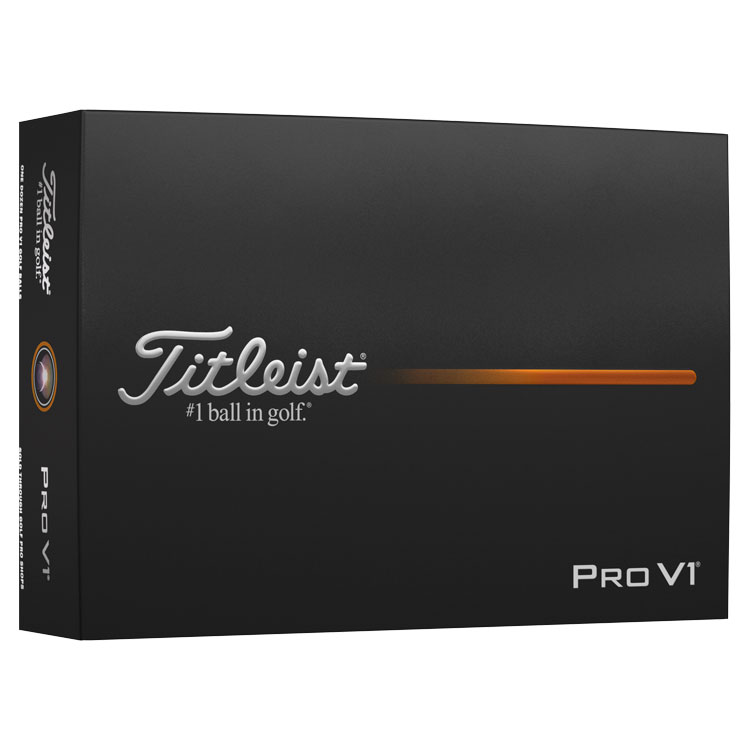
No 2026 gear story generated more noise and less consequence for the average golfer than the ball rollback. The headlines say the ball is being reined in; the reality is a tour-level change consolidated toward 2030 that costs a recreational golfer roughly five yards or less, with a large share of current models expected to stay legal anyway. If you bought a panic sleeve of 'rollback-proof' balls, you wasted your money. The Titleist Pro V1 you play now will still be legal. The full, calm version is in will your golf ball be banned?. Verdict: ignore it — buy the ball that fits your game today.
The honourable mention: AI swing apps and wearables
One trend nearly made the cut and is worth a word of caution: the wave of AI swing apps and smart wearables promising to coach you from your wrist or your phone camera. Some are genuinely useful as a feedback toy, but most overpromise, and none replace either a coach or a launch monitor for the money. Treat them as a fun extra once the basics are sorted, not as the thing you buy first. The pattern repeats across the year — the gadgets that survive contact with a real round are the ones measuring something concrete, not the ones gamifying your swing.
So where should the money go?
If you act on one trend, make it the launch monitor: data compounds, and it's the rare purchase that keeps paying off every range session for years. If your putting is the leak, the zero-torque putter is the highest-confidence club purchase in the game right now. DTC irons reward the golfer who already strikes it and knows their fit. A mini driver is a precision fix for a specific miss, not a general upgrade. And the rollback? File it under 'interesting', not 'urgent'. The theme across all five is the same one that's quietly defined the year: the best value in golf has moved away from the shiny new driver and toward the things that actually change how you practise and putt.
Products mentioned in this article
Garmin
Garmin Approach R10 Launch Monitor
Trend 1 — the launch monitor that started the home-data boom, and still where most golfers should jump in.
L.A.B. Golf
L.A.B. Golf DF3 Putter
Trend 2 — the zero-torque putter that broke the category open. Get it fitted and it steadies nervy short putts.
Takomo
Takomo 101 MKII Irons
Trend 4 — forged direct-to-consumer irons at roughly half big-brand money, for the ball-striker who knows their specs.
Titleist
Titleist Pro V1 Golf Balls (Dozen)
Trend 5 — the point of the rollback story: just buy the ball that fits your game today. It won't be banned.
ifrothgolf earns a commission on purchases made through these links, at no extra cost to you. It never changes what I recommend. Full disclosure.
Frequently asked
- What was the biggest golf gear trend of 2026?
- The collapse in launch-monitor prices. Radar-and-camera units that hand you real carry and ball-speed numbers now start around the price of a single premium driver, putting practice data within reach of ordinary club golfers for the first time.
- Are zero-torque putters just a marketing fad?
- No. Every major brand now makes one, tour players keep switching to them, and independent tests rate them among the most consistent for face control. They help most if your short-putt misses leak left and right rather than long and short.
- Do I need to replace my golf ball because of the rollback?
- No. The change is aimed at elite play, consolidated toward 2030, and costs a recreational golfer roughly five yards or less. Many current models are expected to stay conforming. Buy the ball that fits your game today.
- Which 2026 trend is the best value for an average golfer?
- A budget launch monitor. Data improves an amateur faster than new clubs because it tells you why you miss. A zero-torque putter is the next best buy if putting is your weak link.
Read next
Review
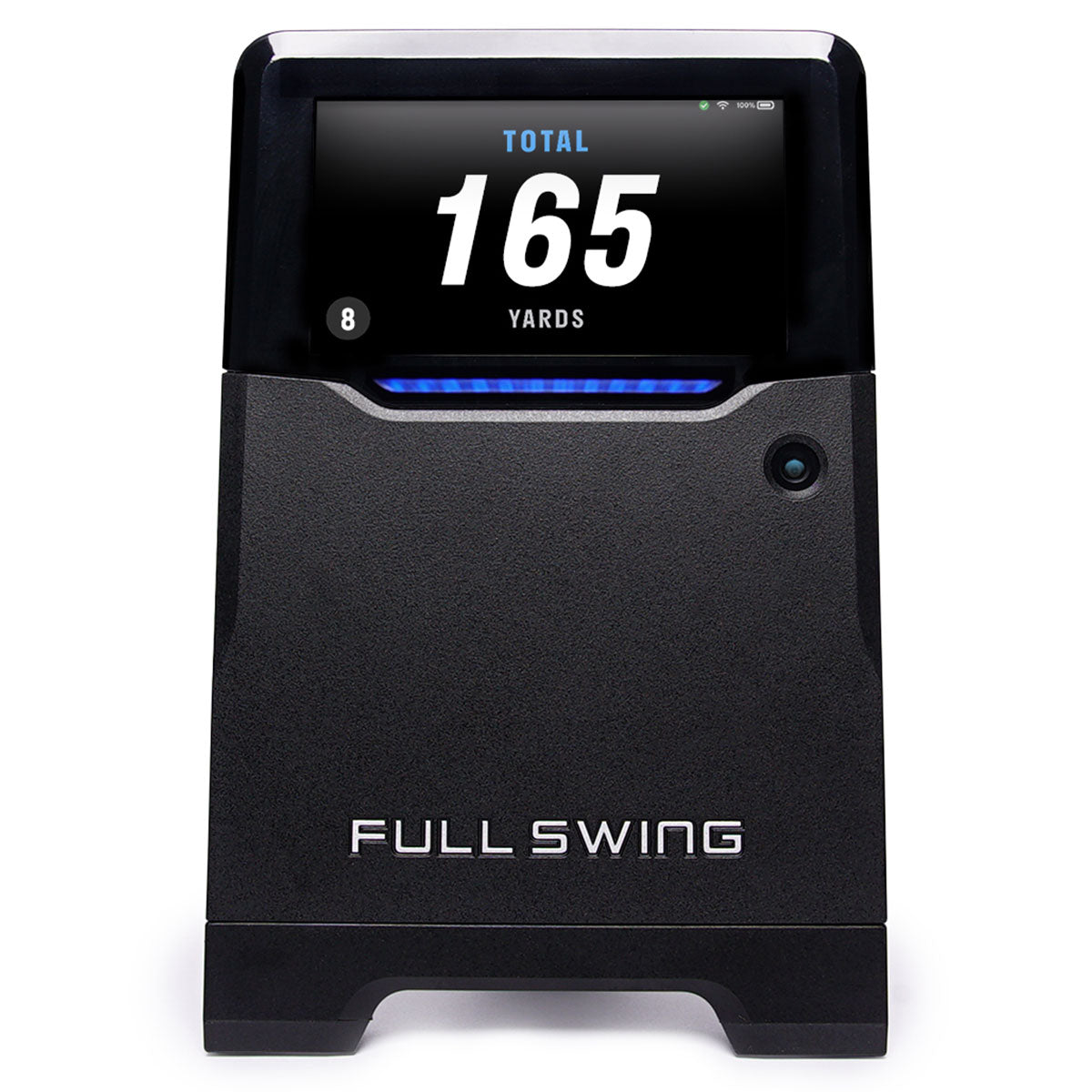
7.9/10Full Swing KIT review: the tape measure decides this, not Tiger
Tour pedigree, TGL on ESPN, and radar good enough to be checked against a Trackman outdoors. It also wants eighteen to twenty feet of room, which rules out most of the garages people buy it for.
Versus
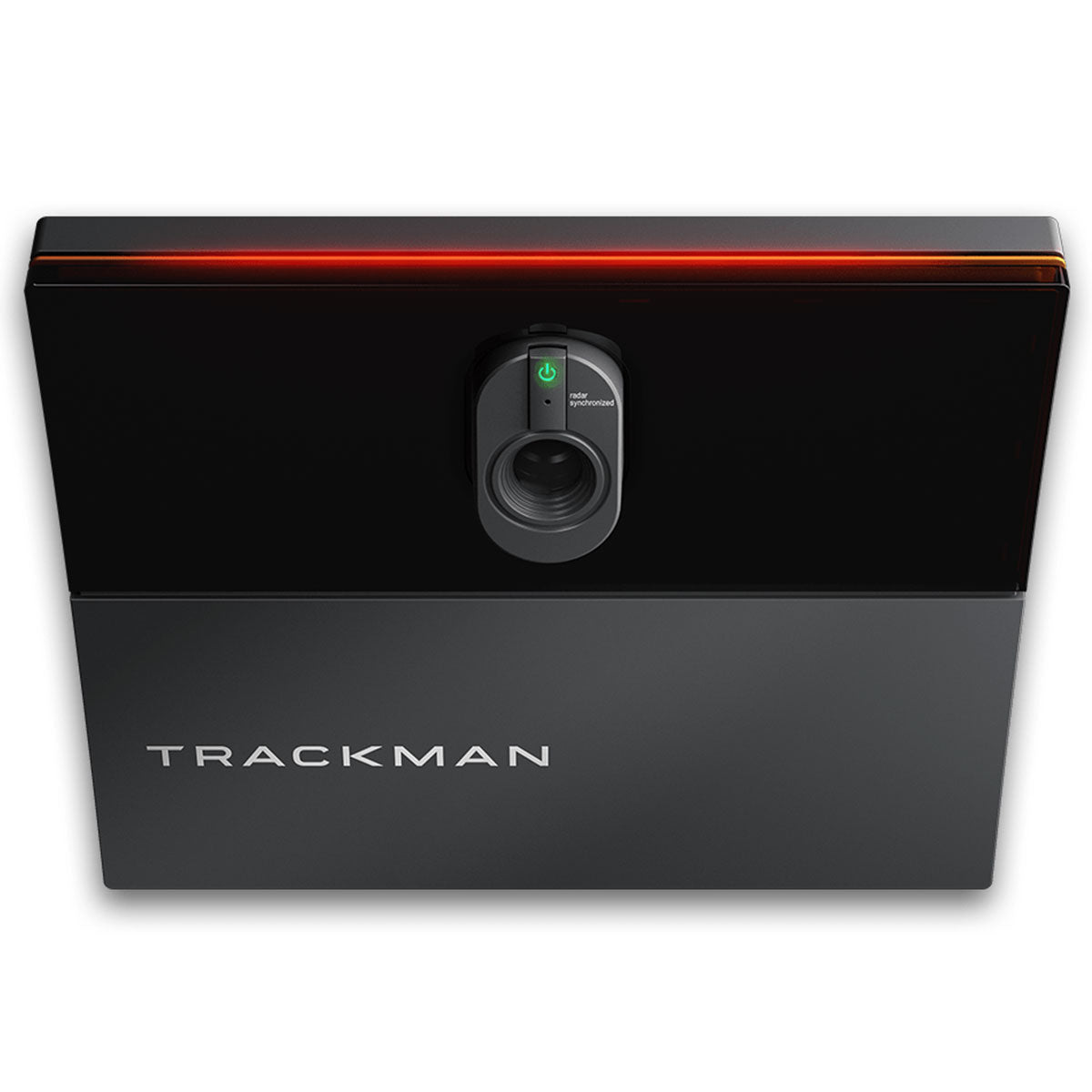
Trackman iO vs Uneekor EYE XO2: the year-one trap
Both mount overhead, both want ten feet of ceiling, and about $3,000 separates them on the shelf. Then Trackman's included first year runs out, and the gap starts growing by $1,100 a year.
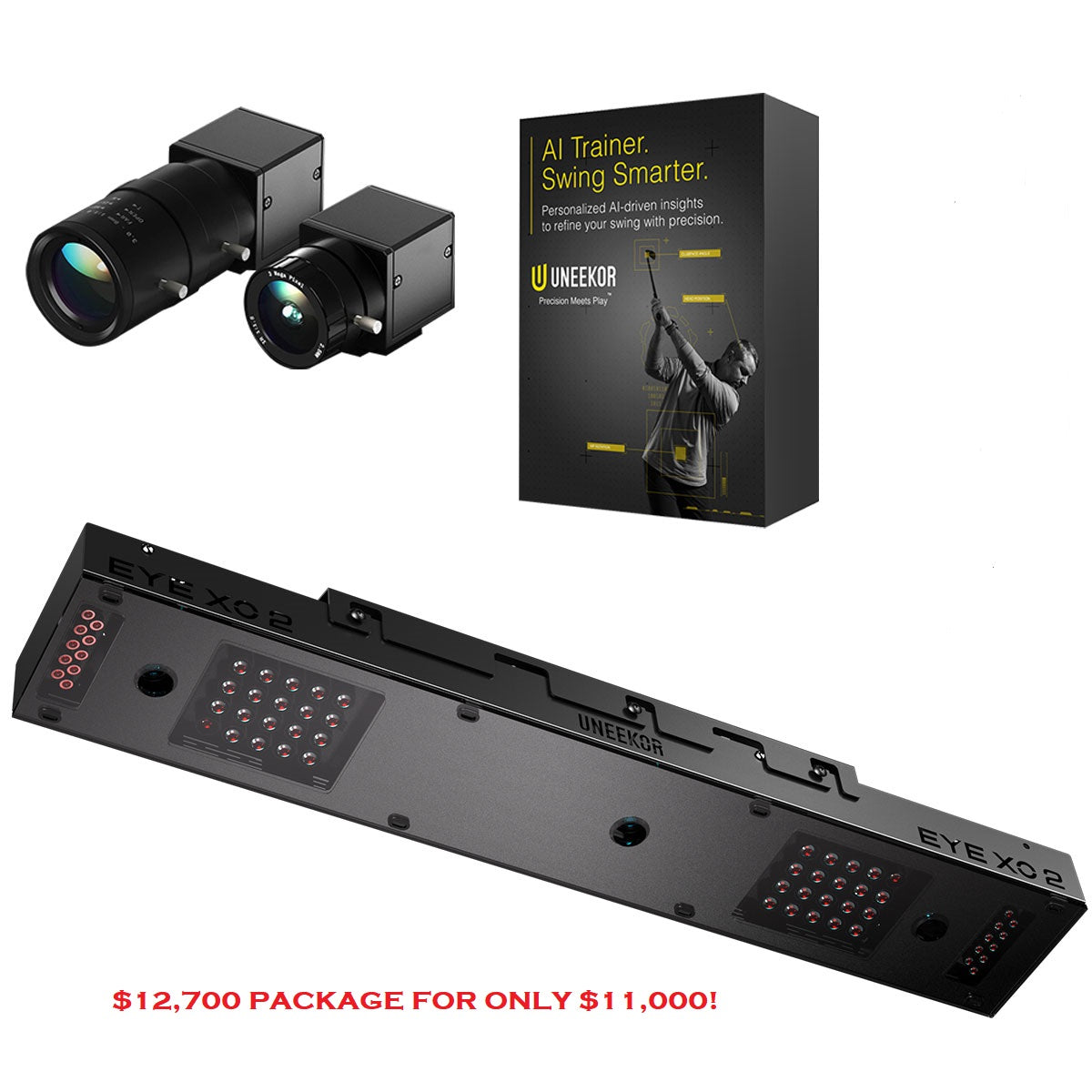
Versus
Uneekor EYE XO2 vs Foresight GC3: ceiling or floor?
About $4,000 separates them, but they're not really rivals — one lives in your ceiling forever, the other sits on the floor and travels. The cheaper one is also the one with no subscription.