Simulators & Home Golf
Golf's fastest-growing venue is a garage, a spare room or a sim bay. Building a home setup, the off-course boom and what changes when screen golfers head for grass.
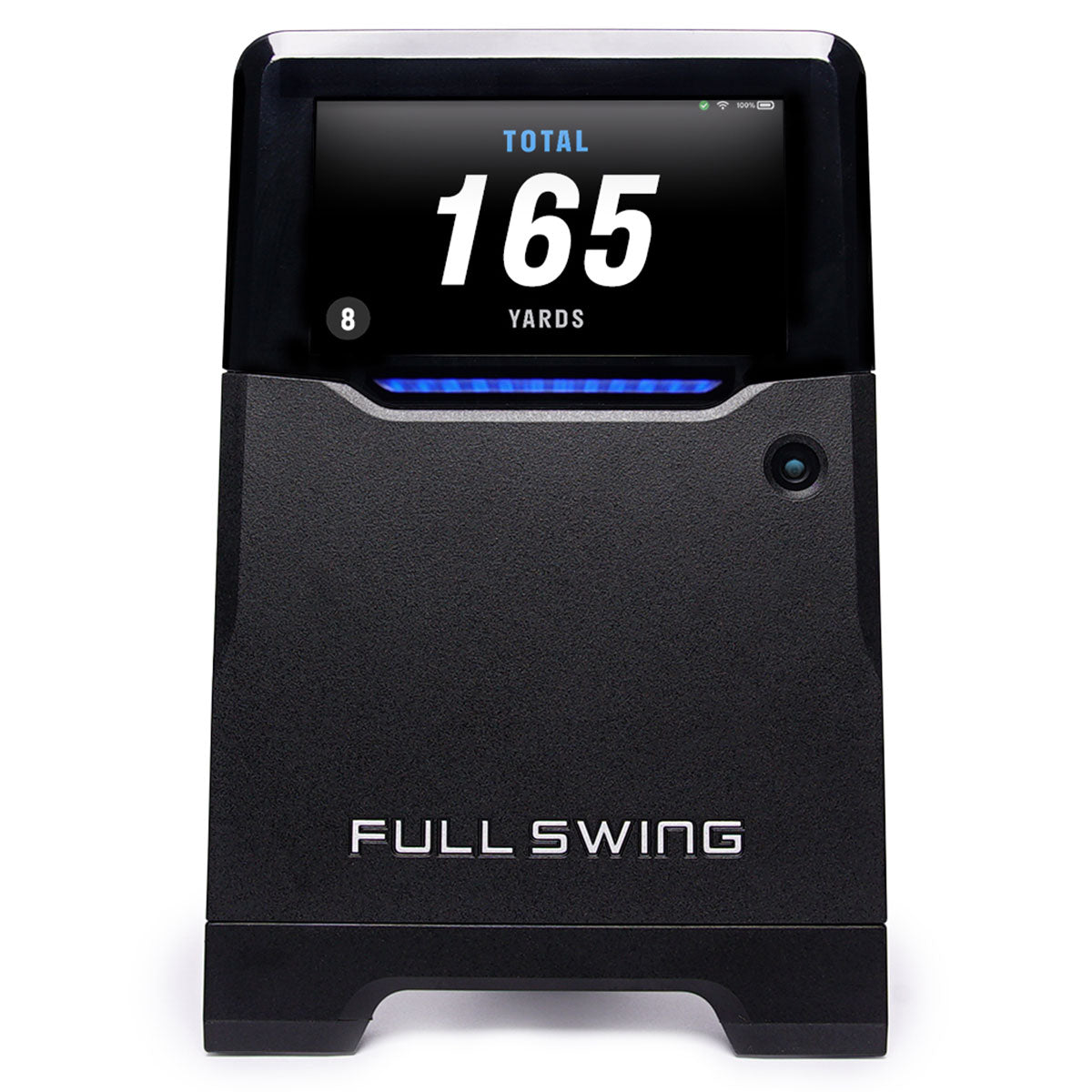
Full Swing KIT vs Garmin Approach R50: the same price, but the KIT wants up to 20 feet of depth and the R50 about 10
Now that the R50's September price cut has ended, the two sell for the same money in late October 2026. One is a radar that sits behind you and needs room to watch the ball fly. The other sits beside the ball and brings its own screen. Price isn't the decider here; the tape measure is.
By Marcus Bell
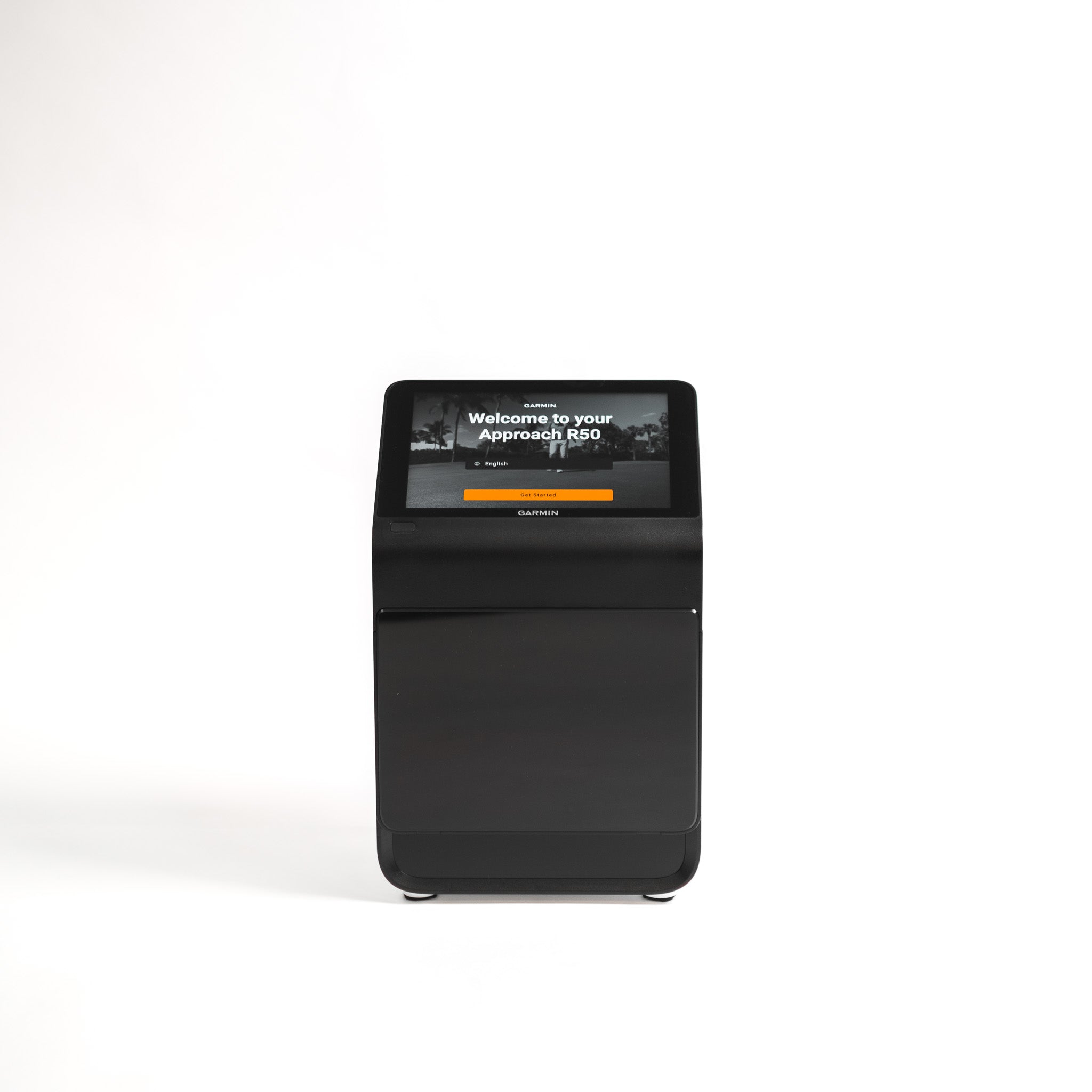
Garmin Approach R50 vs TruGolf APOGEE: a portable all-in-one sim against a ceiling unit that keeps the floor clear
Two premium camera units with their own software, and one of them is bolted to the ceiling. The R50 needs nothing else to run a round. The APOGEE needs a PC, a permanent room and a commitment to E6.
By Marcus Bell
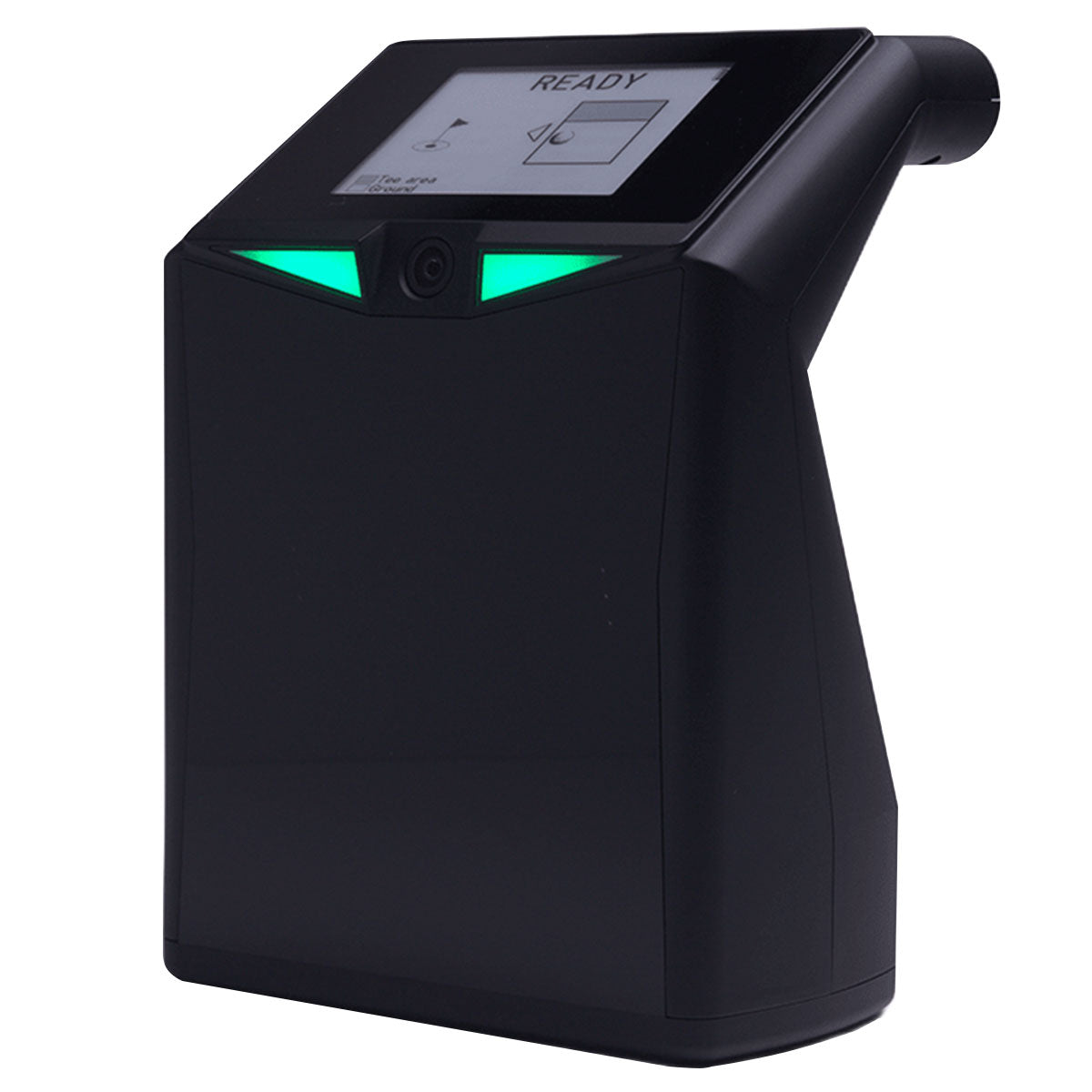
TruGolf LaunchBox vs Full Swing KIT: one price includes the courses, the other includes the club data
Two portable launch monitors below the premium tier, sold on opposite promises. TruGolf bundles 27 courses you keep and no annual bill. Full Swing bundles all sixteen data points and a camera, then leaves the golf courses to you.
By Marcus Bell
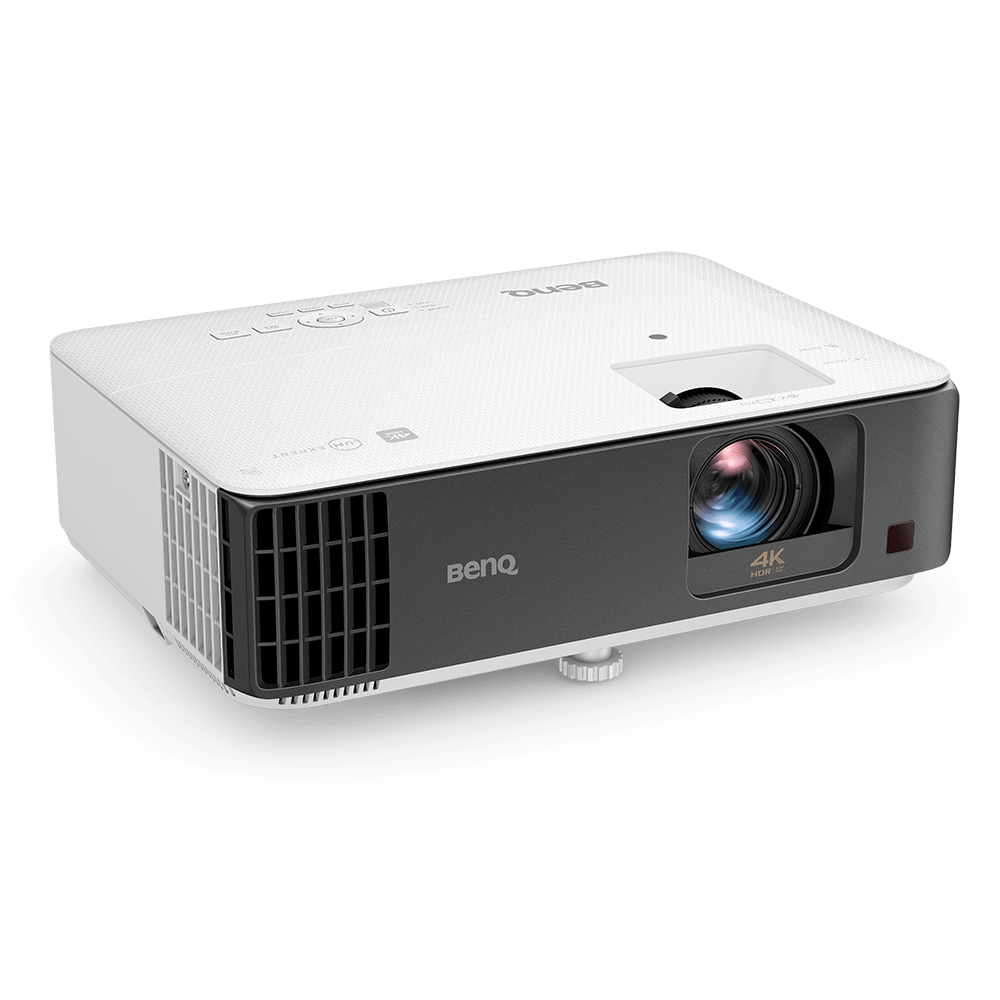
BenQ AK700ST vs LK936ST: the extra 1,100 lumens only pay where daylight reaches the screen
BenQ's two golf-sim lasers share a resolution, a light source and a golf picture mode. The dearer one buys brightness and lens shift. The cheaper one throws shorter and weighs half as much, and for most sim rooms that matters more.
By Marcus Bell
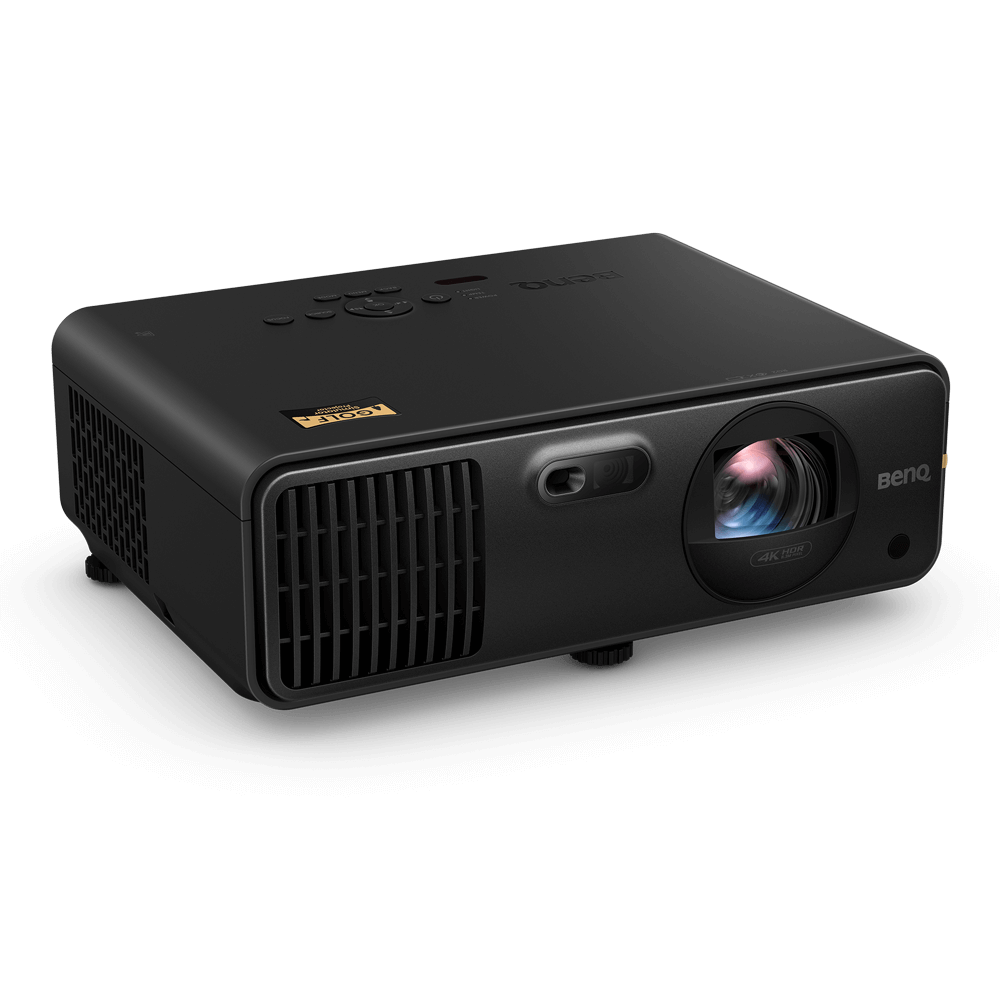
Uneekor EYE XR vs Foresight Falcon: the Falcon buys a far bigger hitting zone, the EYE XR keeps stickers off your clubs
Both hang from the ceiling and both leave the floor empty. One costs nearly three times the other, and the money buys space to miss the spot, four cameras and no software fee. It does not buy sticker-free club data. The cheaper unit has that.
By Marcus Bell
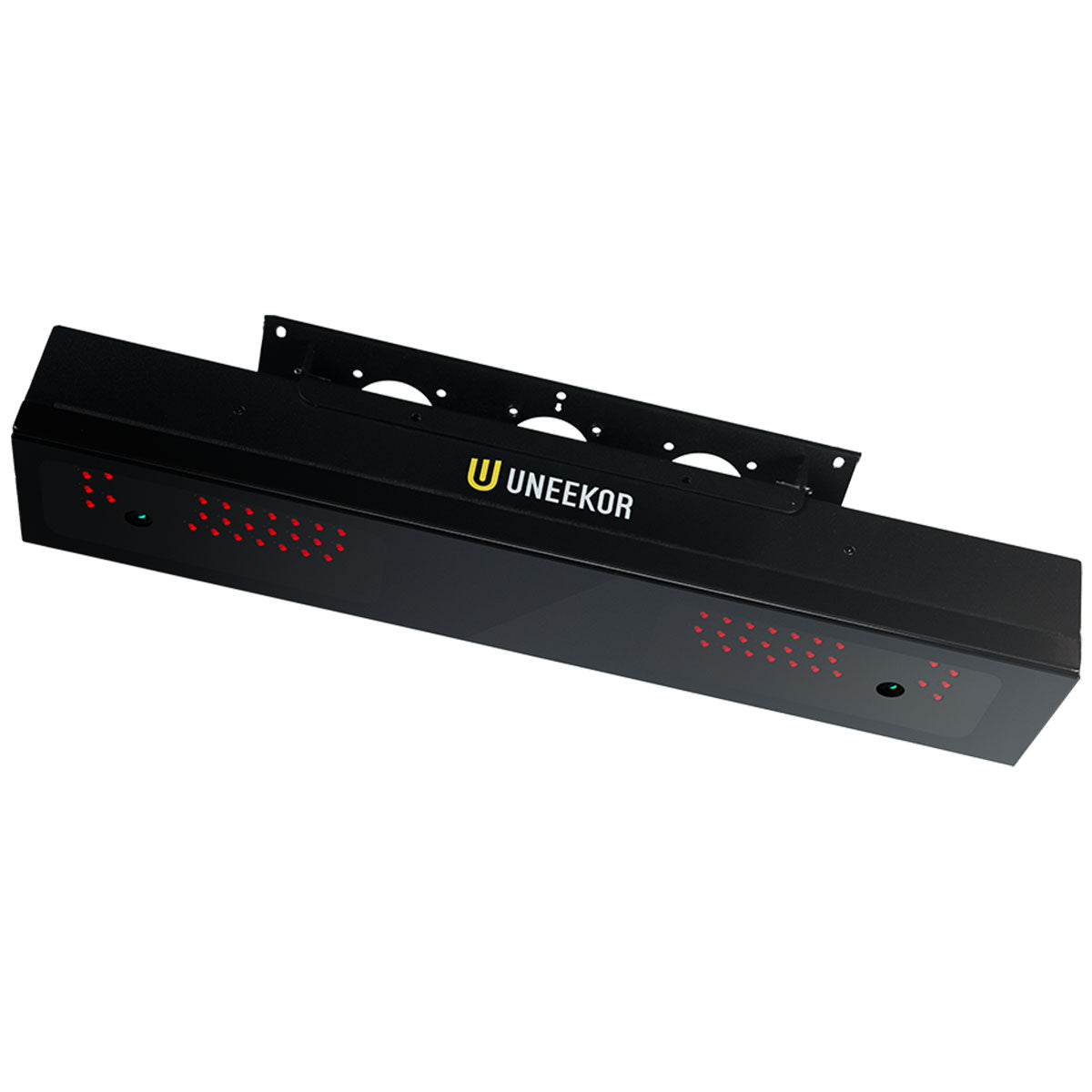
Uneekor EYE MINI vs Bushnell Launch Pro: both boxes now cost the same, and GSPro decides it
Uneekor has taken a four-figure cut out of the EYE MINI and Bushnell has trimmed the Launch Pro Circle B, and the two units have landed within a dollar of each other at US retail. That removes the hardware gap that used to settle this, and leaves the subscription ladder holding the entire decision.
By Marcus Bell
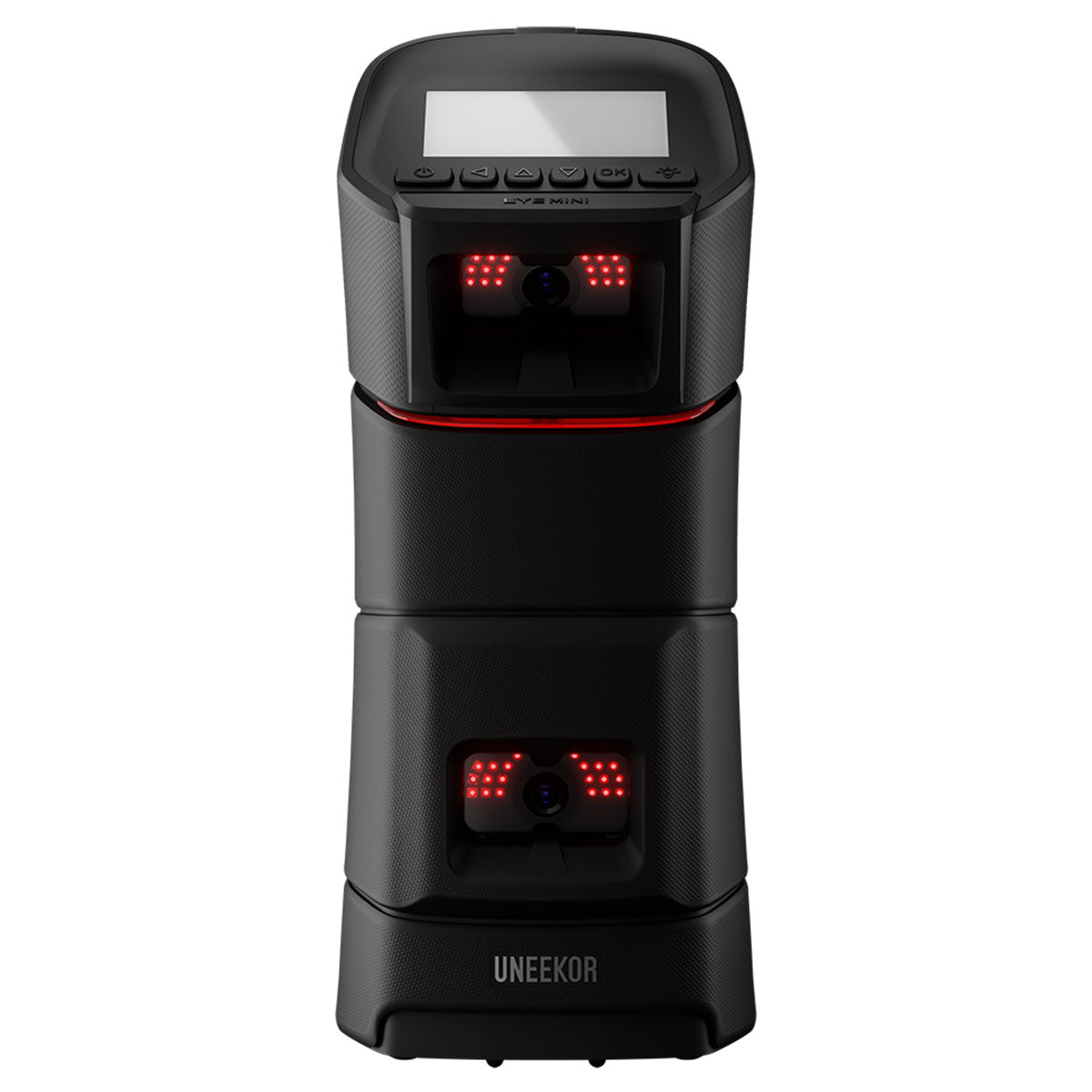
Carl's Place Curved vs Pro enclosure: the curve buys peripheral vision and spends it on projector geometry
Carl's curved kit wraps the impact screen around the hitting area so the image carries into peripheral vision. That changes the surface your projector has to focus on, which makes this a screen decision and a projector decision at the same time.
By Marcus Bell
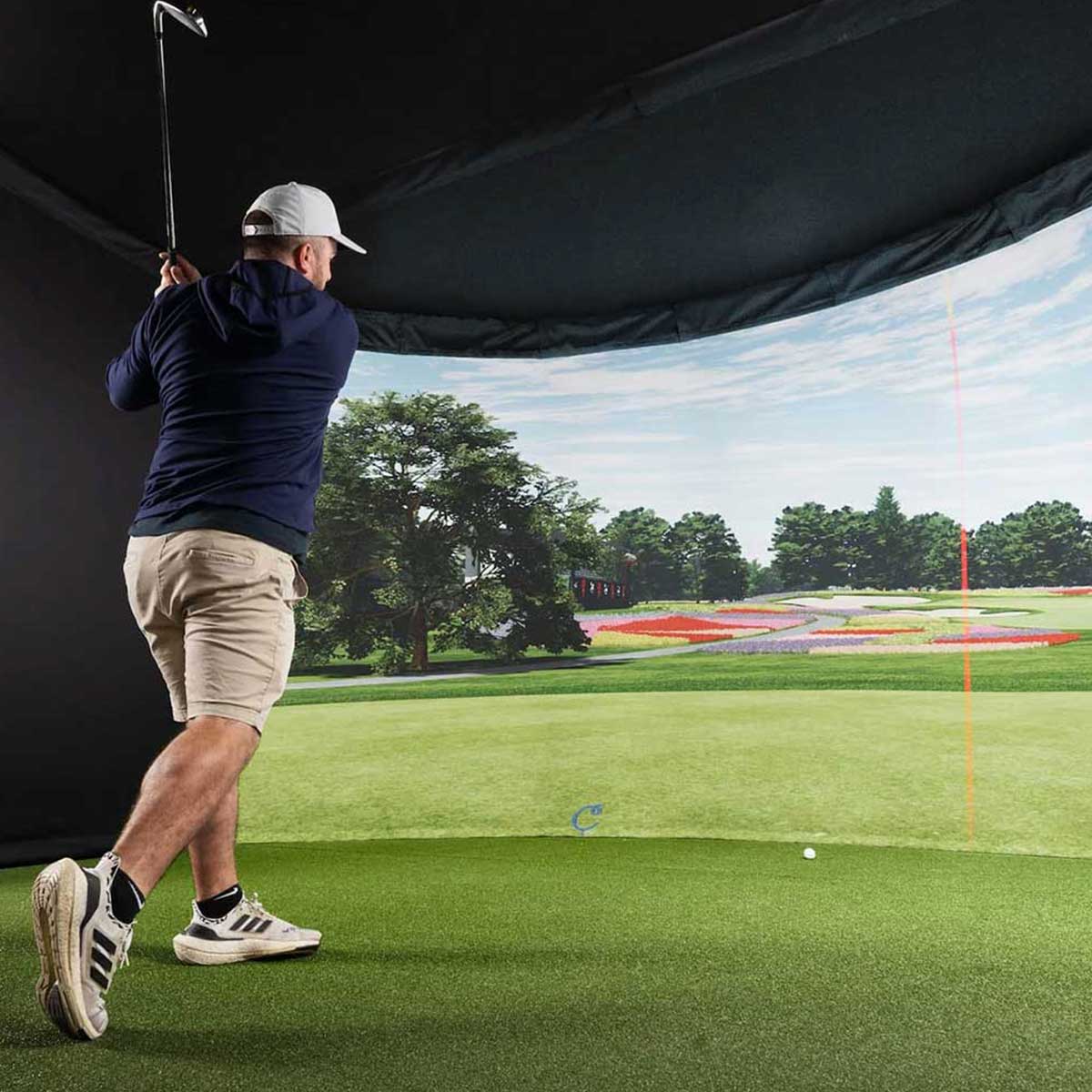
Uneekor EYE XR vs EYE XO2: the cheaper overhead keeps the sticker-free club tracking and gives up the hitting zone
Same brand, same ceiling mount, and one of them costs a little over 1.8 times the other. Before either is a decision, measure the room — then the gap comes down to a third camera and how much ball-position drift it forgives.
By Marcus Bell
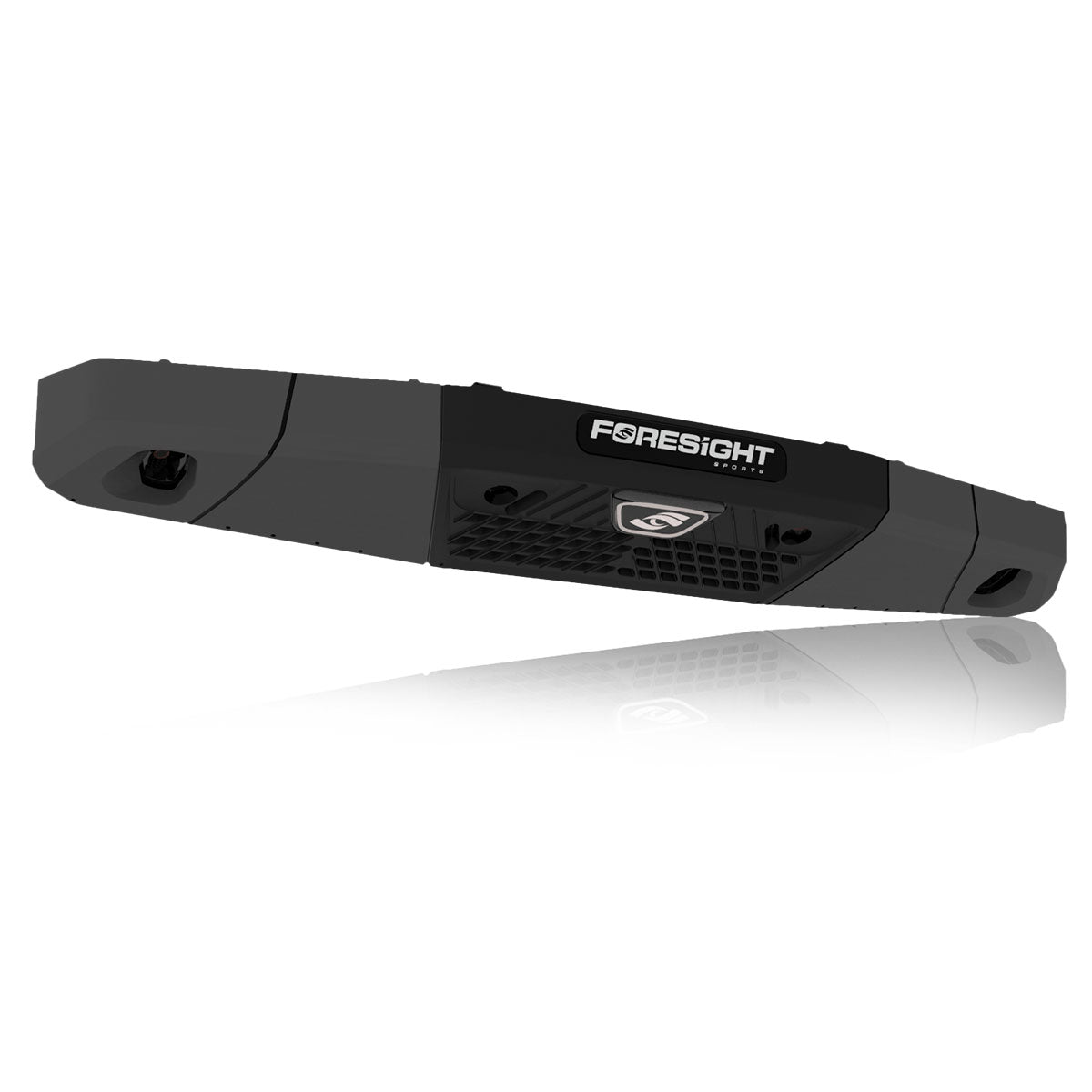
Foresight Falcon vs Trackman iO: one charges you at installation, the other every year after
Two ceiling-mounted launch monitors at the very top of the market, roughly 21 per cent apart on the shelf. Both carry a second cost the sticker never mentions, and they carry it at opposite ends of the ownership.
By Marcus Bell
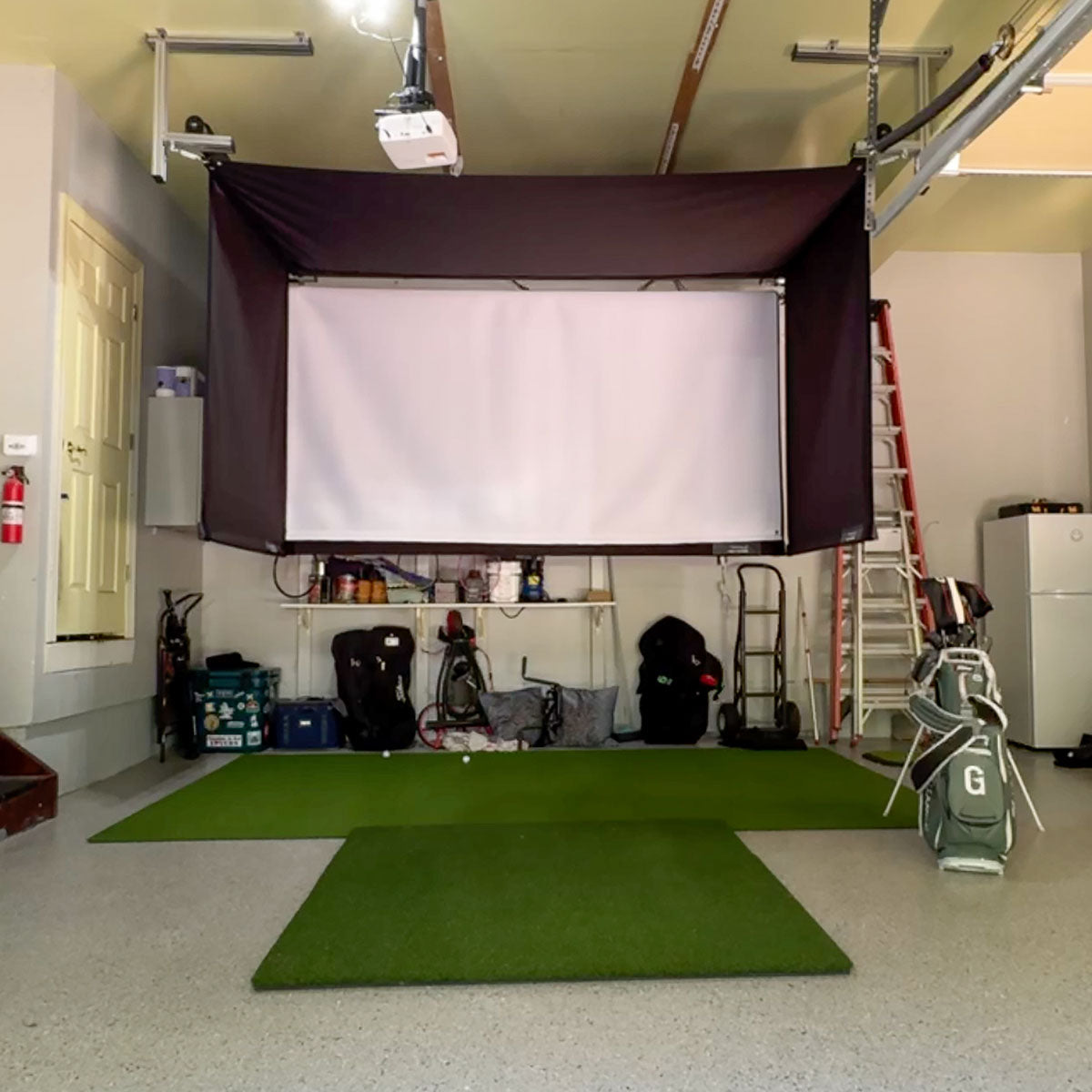
SportScreen Vanish vs Carl's Place Pro: the retractable one is cheaper, and the room's other job decides it
One rolls up into a ceiling housing so the garage goes back to being a garage. The other is a fixed, framed room you can order to the exact size of your wall. As we list them, the retractable is the cheaper of the two, and the pipes are not in the Carl's box.
By Marcus Bell
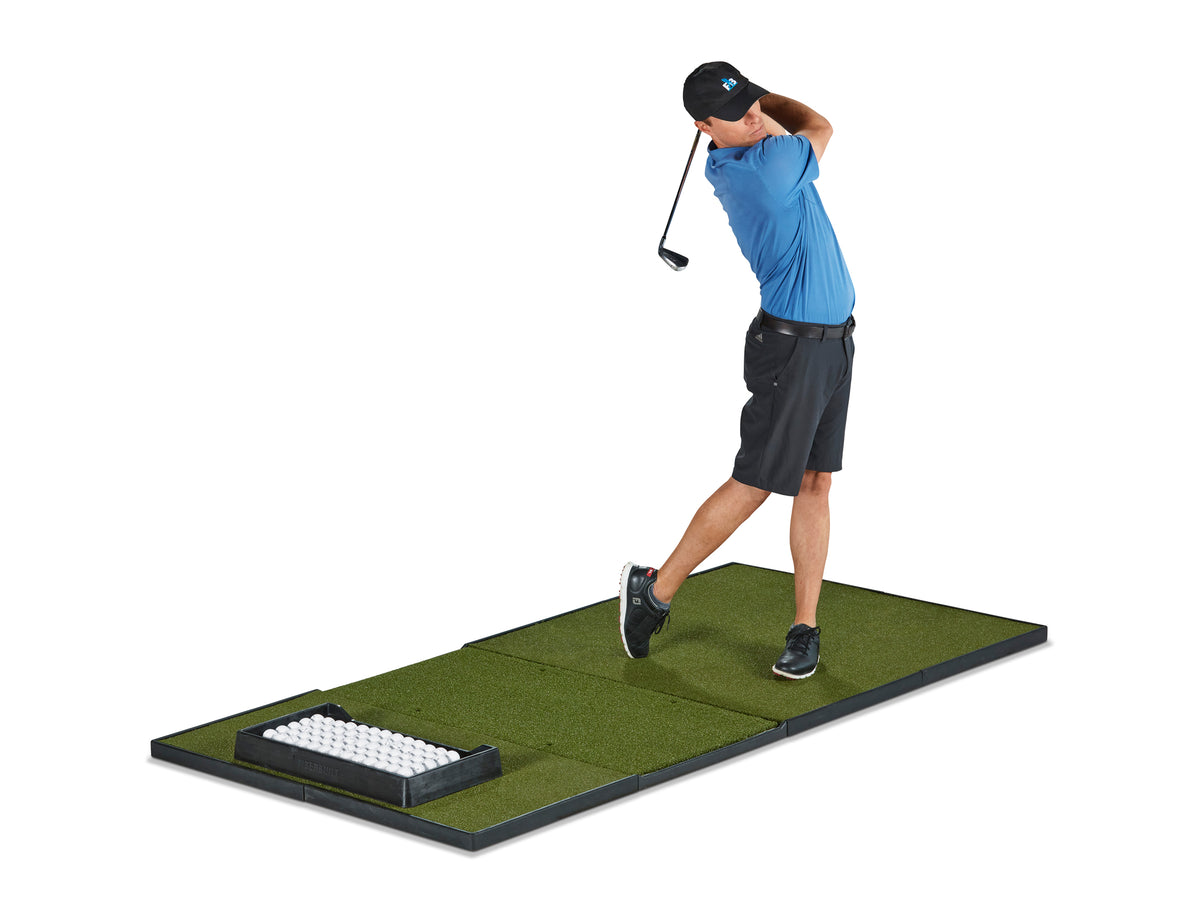
Fiberbuilt Player Preferred vs Studio Grass: two different turfs, and the price gap depends on your layout
Fiberbuilt's two simulator mats stand on different hitting surfaces and come in the same single-, centre- and double-hitting layouts. The extra money buys Pure Impact Turf and a vibration layer rated at 94.7 per cent, and how much extra depends on which layout your household needs.
By Marcus Bell
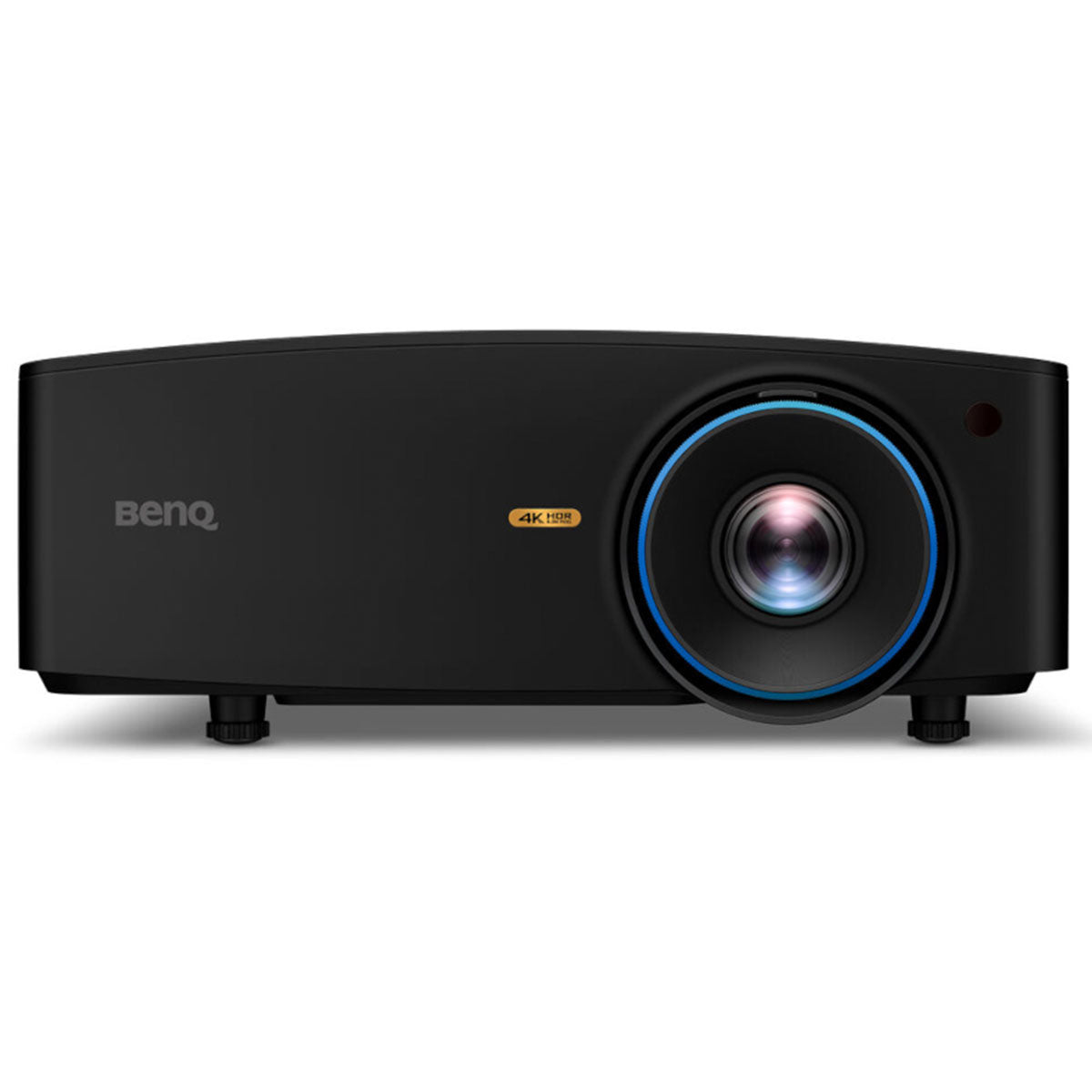
BenQ LK936ST vs Optoma GT2100HDR: the projector decision is about your room, not your budget
Two short-throw laser projectors for a golf simulator, separated by roughly threefold on price. The right answer is set by the light in your room and the distance you actually have, not by the lumen number.
By Marcus Bell
Most of an enclosure's price is the screen. Most buyers don't realise that, and it settles this argument
The SIG10 arrives at well under half the Carl's Place Pro's ask with a screen that has already beaten the category favourite in independent testing. The Pro is answering a different question, and it is a question about your walls.
By Marcus Bell
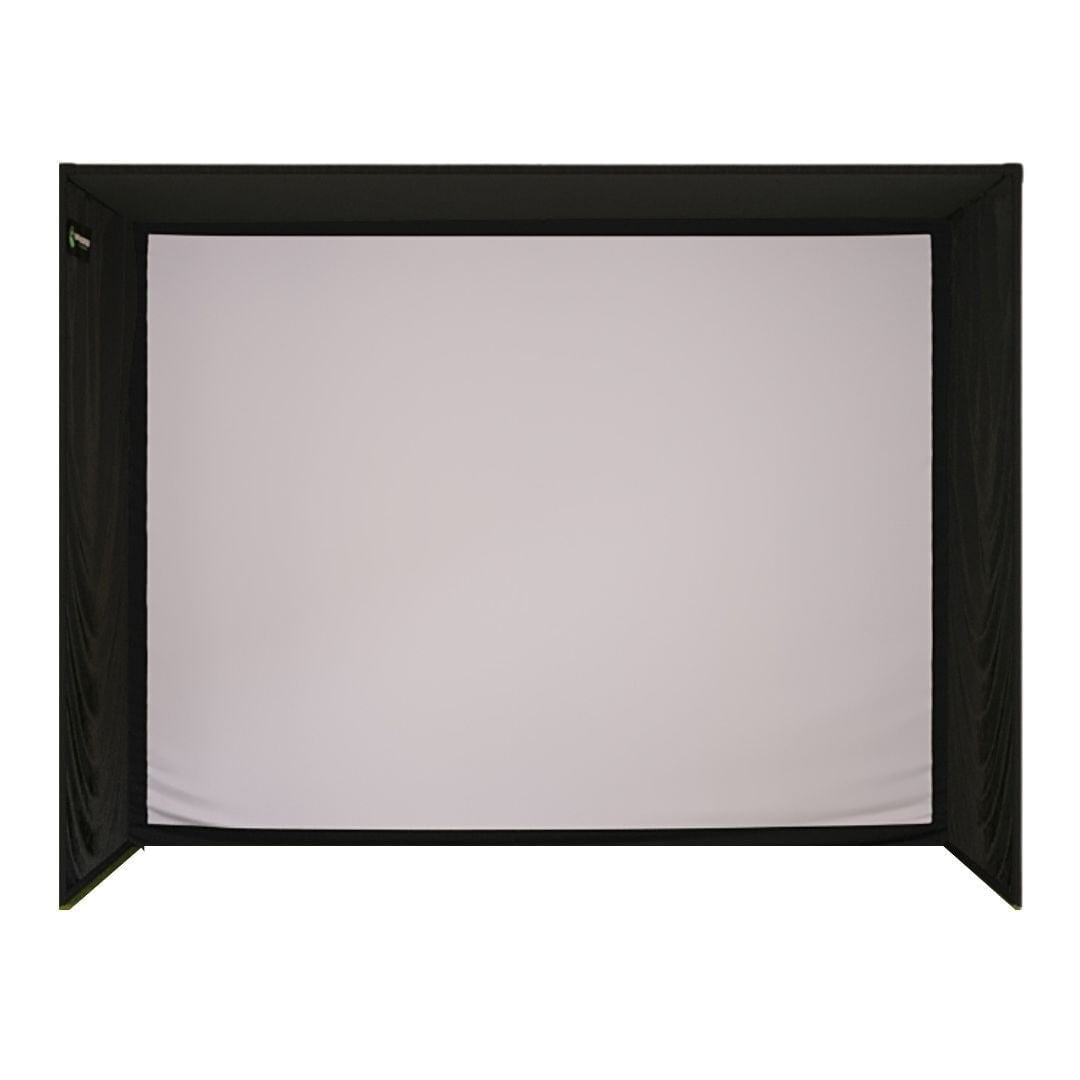
Carl's Place DIY vs Pro enclosure: you build the frame either way, so the real question is your room's light
The $2,900 gap between the two Carl's Place kits does not buy you out of the frame: both need steel conduit, cut to Carl's sheet or bought as a pre-cut pipe kit. It buys a darker, light-blocking surround and a screen chosen for your room. Here's the honest test for which side of it you belong on.
By Marcus Bell
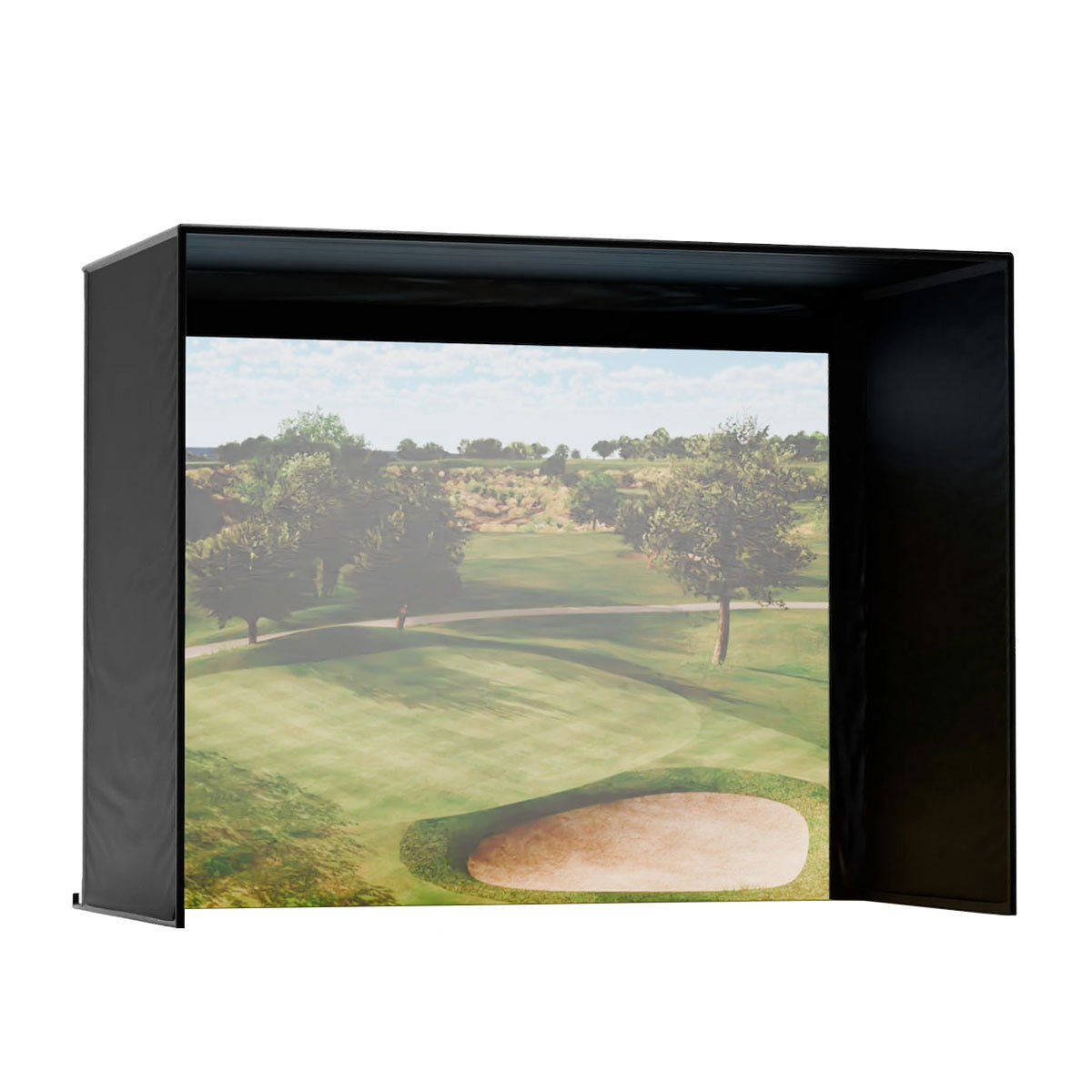
Radar vs camera launch monitors: the home-sim decision nobody explains
Two completely different technologies hide behind the words launch monitor, and picking the wrong one for your room is the most expensive mistake in home golf.
By Jordan Hale
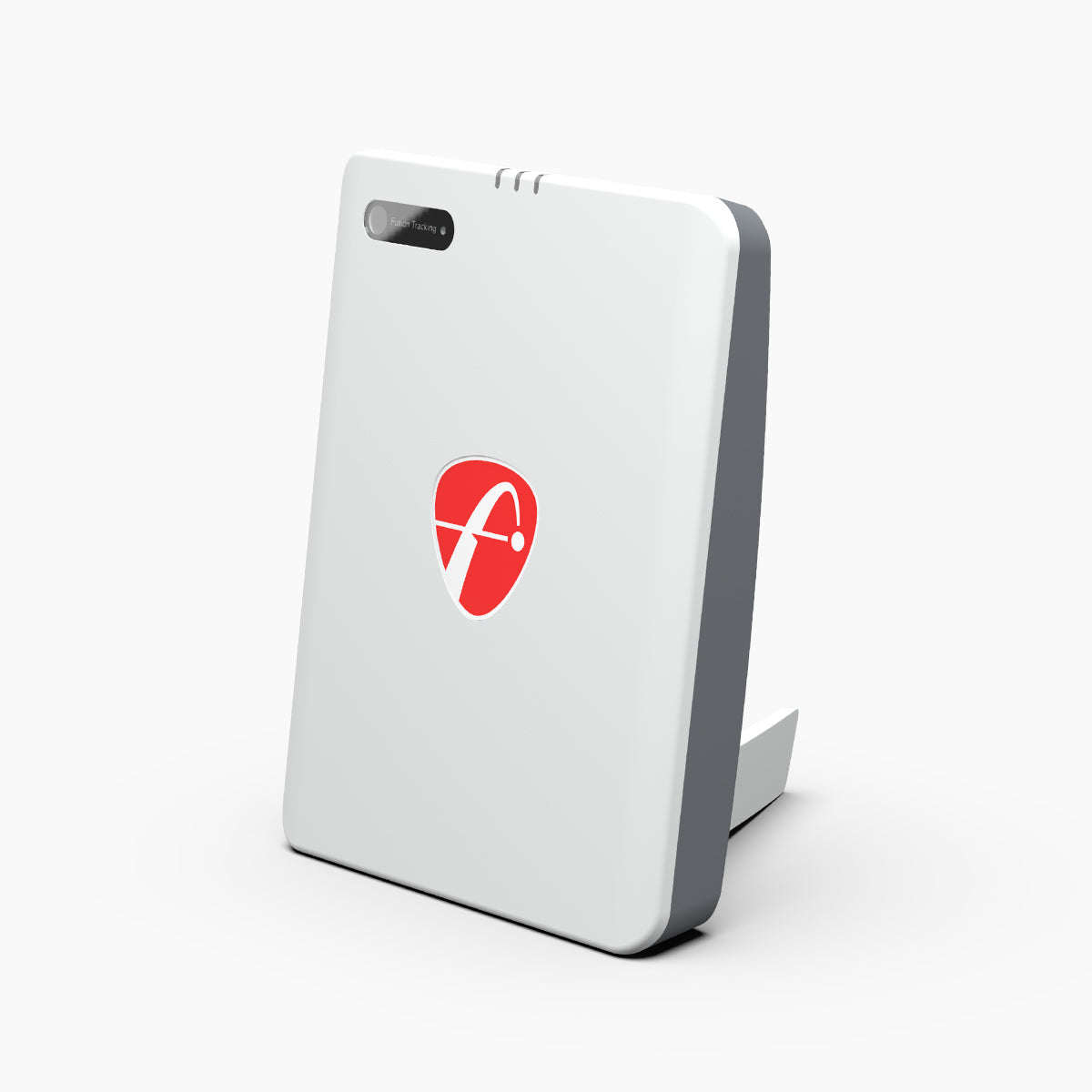
The only three projectors worth buying for a golf simulator
Forget the spec-sheet rabbit hole. For a golf sim the projector decision comes down to two things — your room's light and your budget — and it lands on one of three.
By Marcus Bell