Accessories
Bags, trolleys and training aids — everything you carry, push and practise with to make the round easier and your game better.
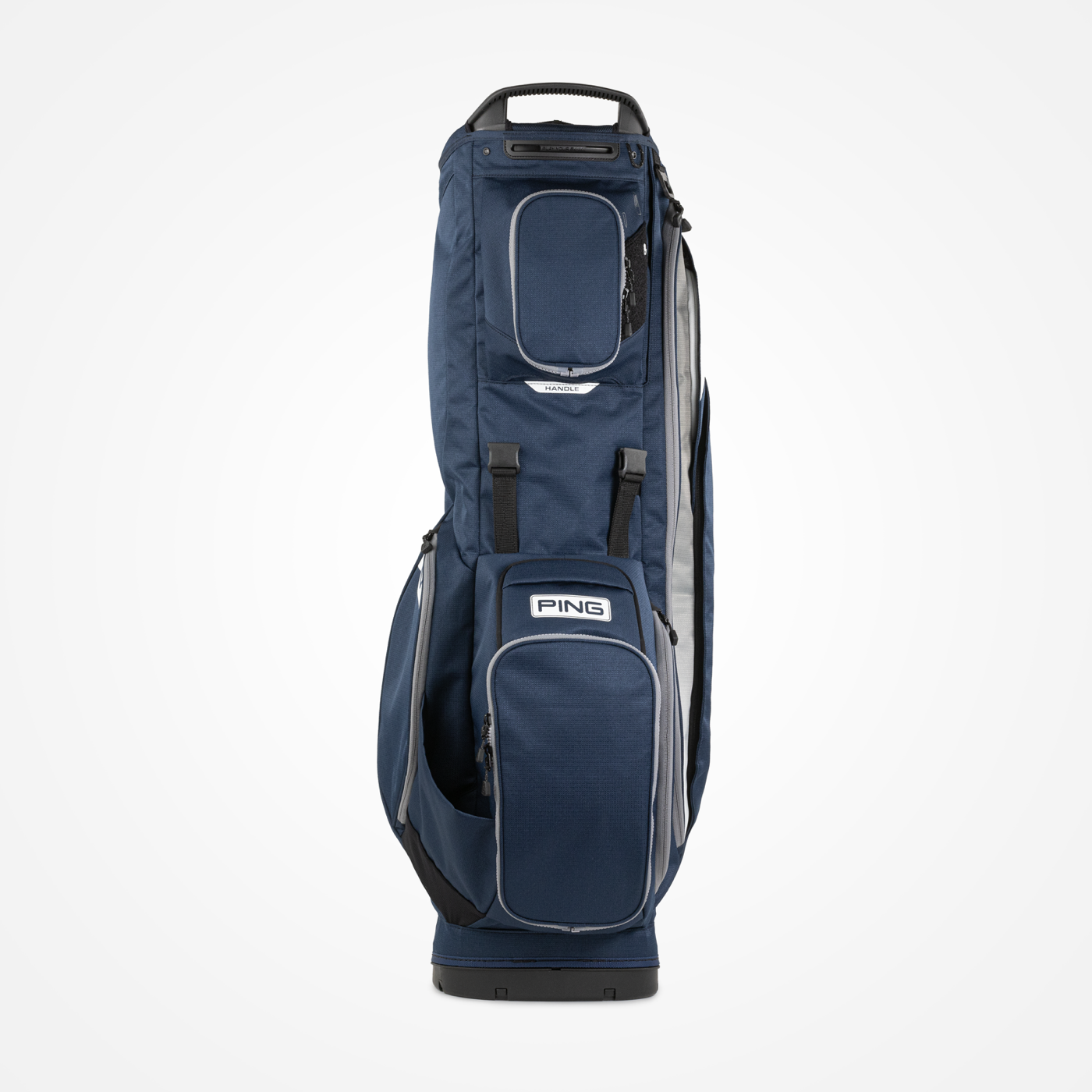
Sun Mountain C-130 vs Ping Pioneer: 16 pockets against 11, and neither cart bag is waterproof for winter
Two of the best-known trolley bags, both in stock heading into winter. The Pioneer has more pockets and a bigger putter well; the C-130 has bigger apparel space and weighs a little less. Neither keeps the rain out of the pockets.
By Tom Whitaker
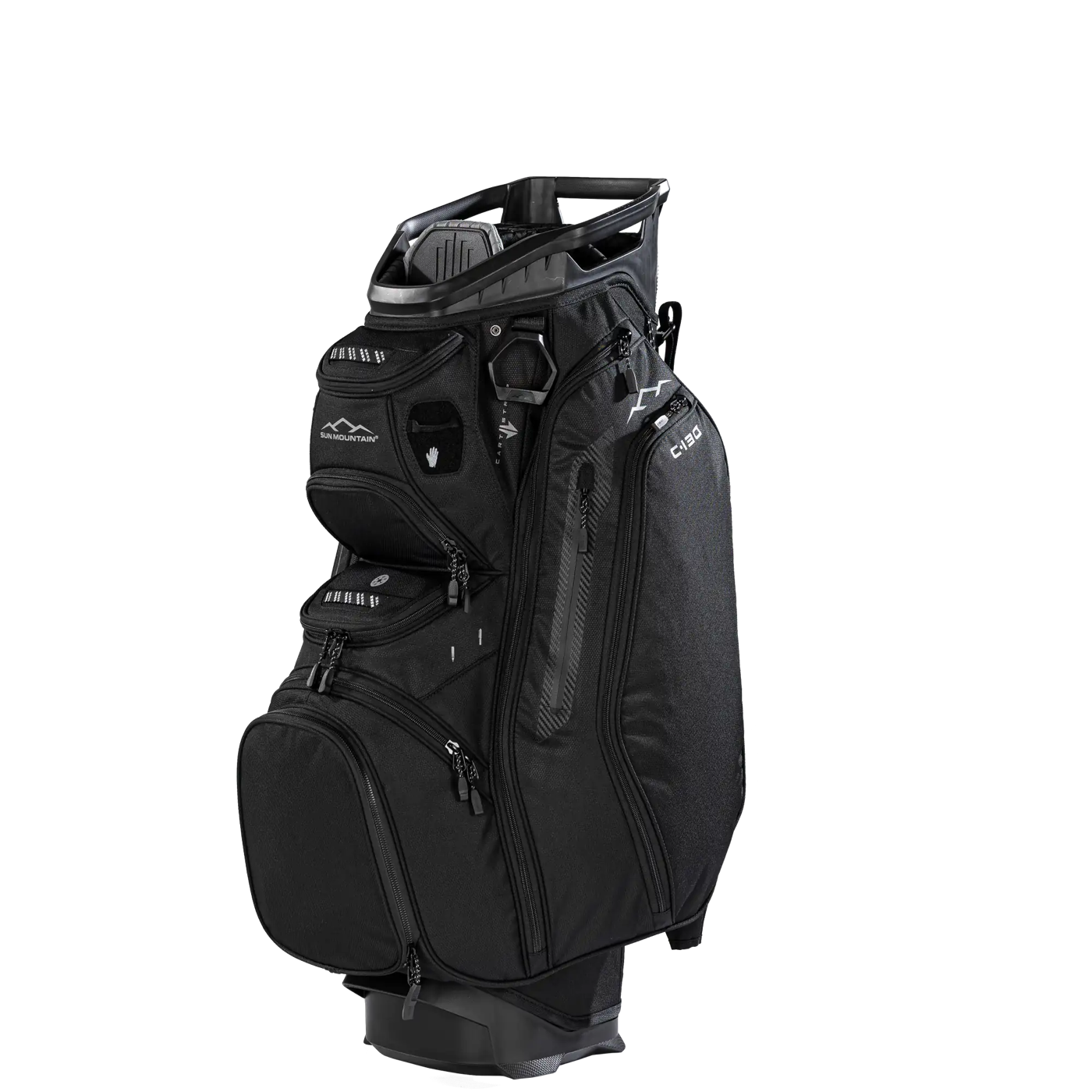
Motocaddy M7 GPS Remote vs Stewart Vertx: same price, so it comes down to the GPS screen and the battery warranty
Two 100-metre remote trolleys at the same list price. One puts a 3.5-inch GPS in the handle and five years of cover on the battery; the other skips the screen for terrain control, a flatter fold and a month to try it.
By Tom Whitaker
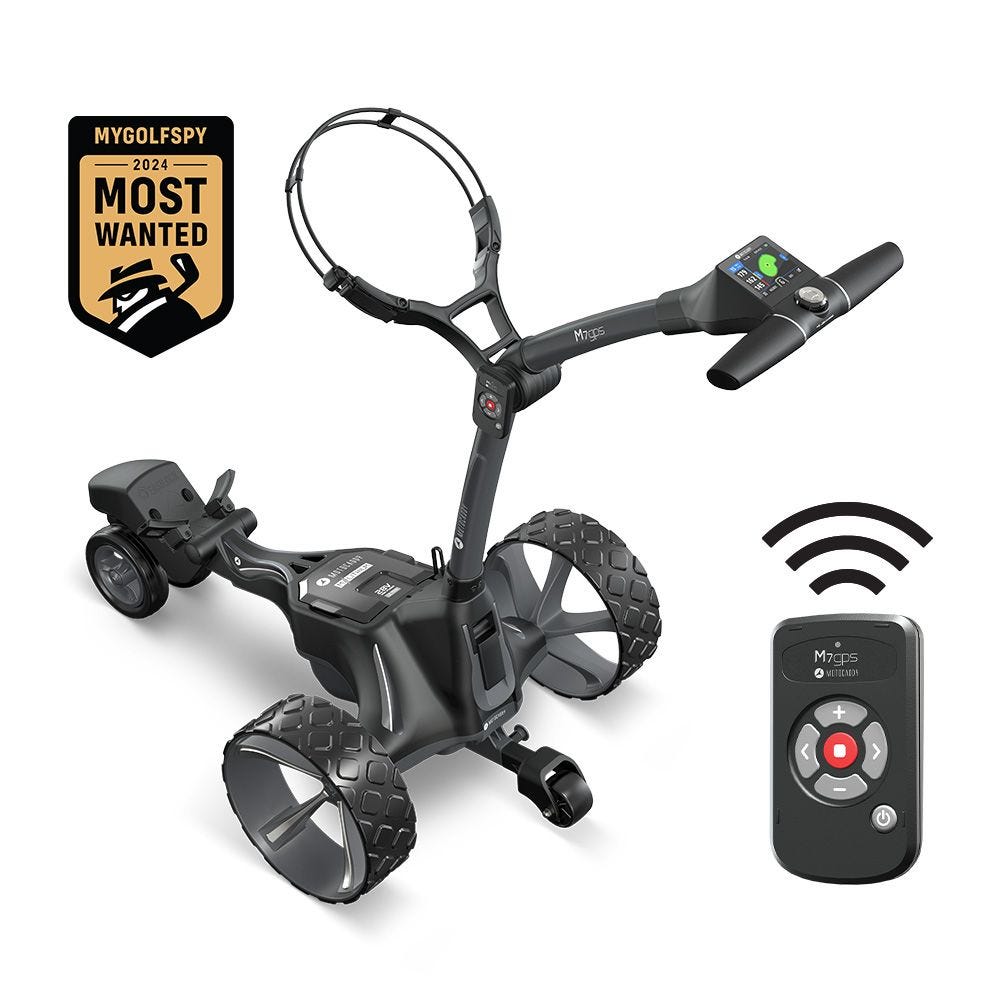
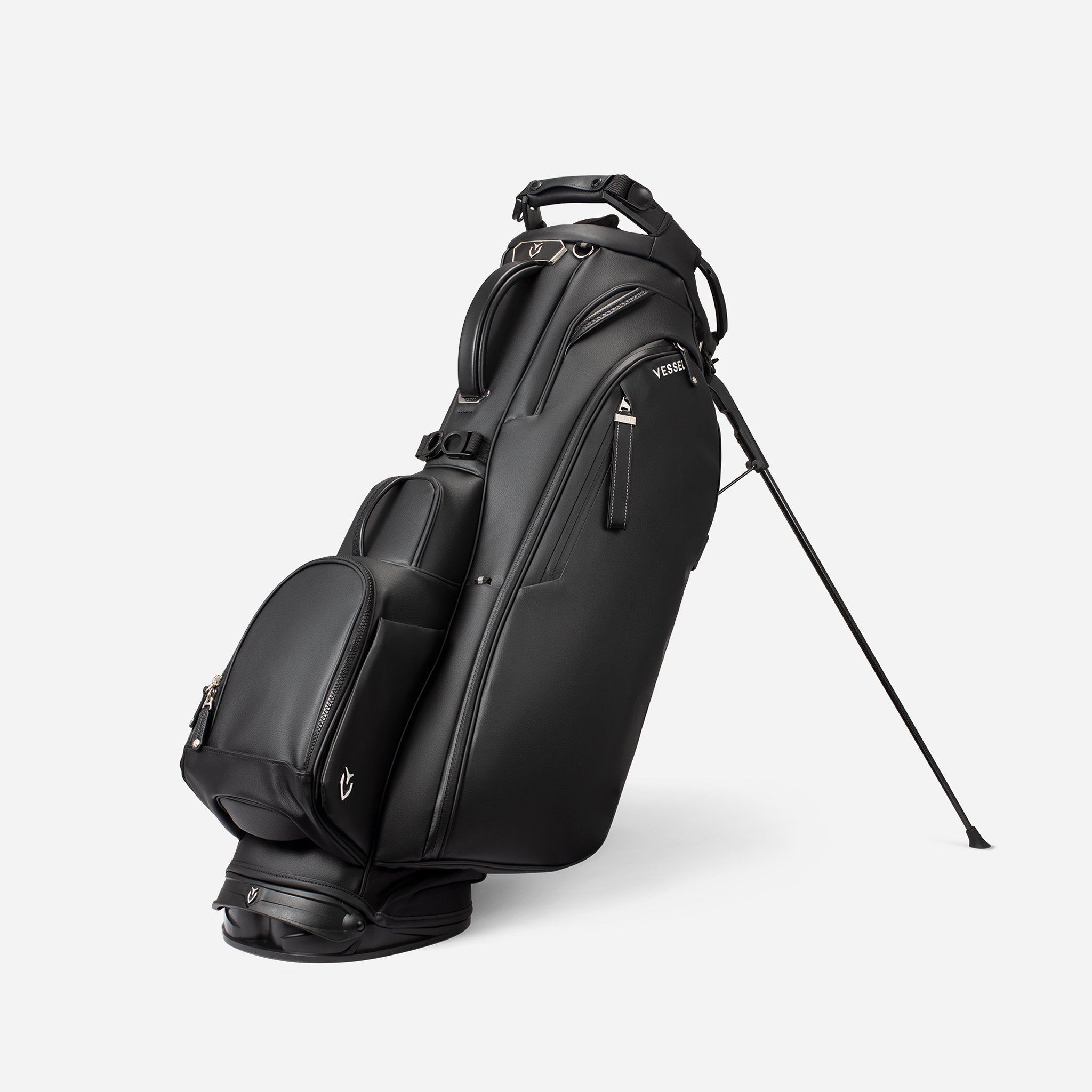
Vessel Player VI Pro vs Player V Pro: a bigger top and magnetic pockets, not a reason to replace a V Pro
Vessel's new flagship stand bag went on sale on 23 September with a top about nine per cent bigger, three more pockets and a quarter of a pound more weight. The old one is still on sale beside it, at almost the same money.
By Tom Whitaker
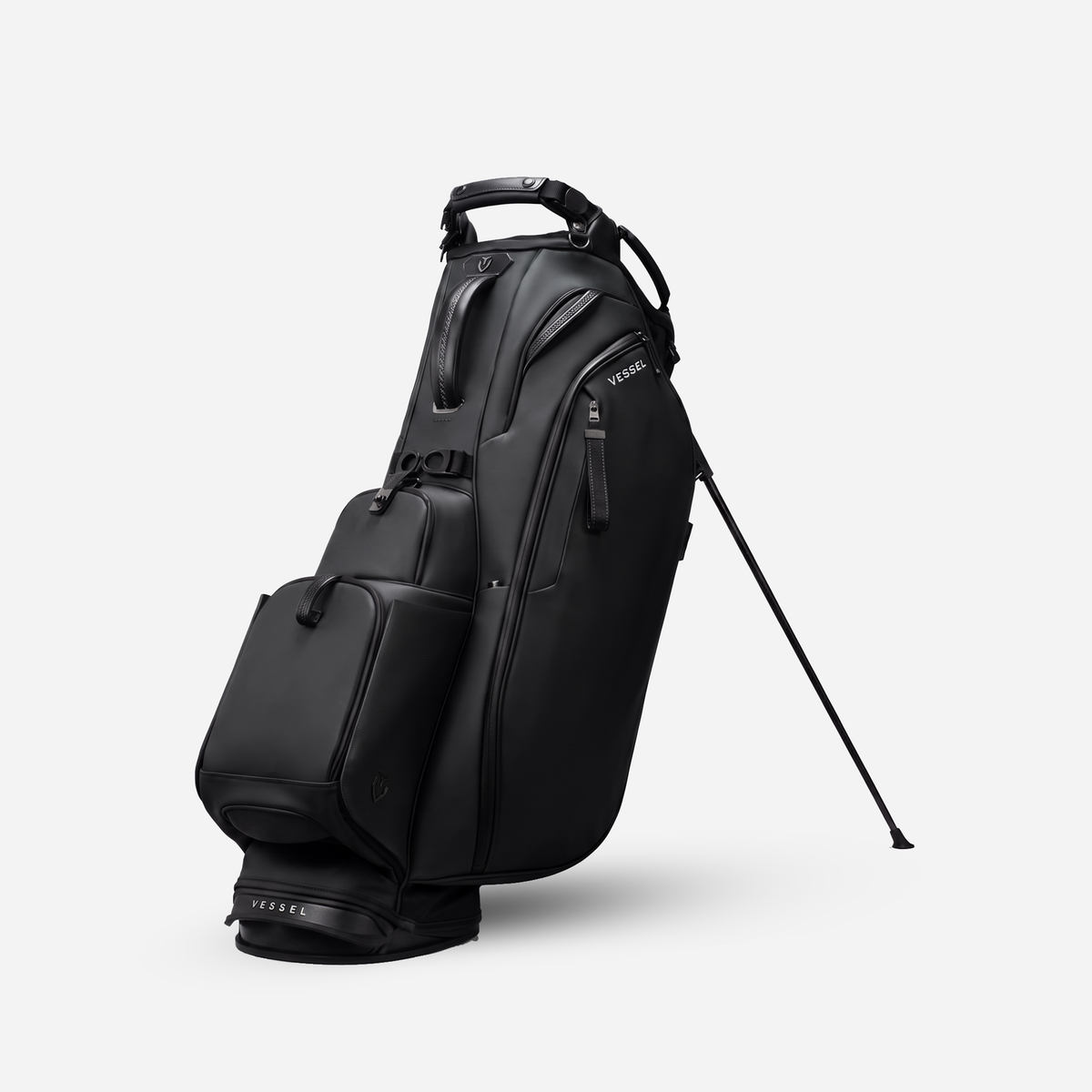
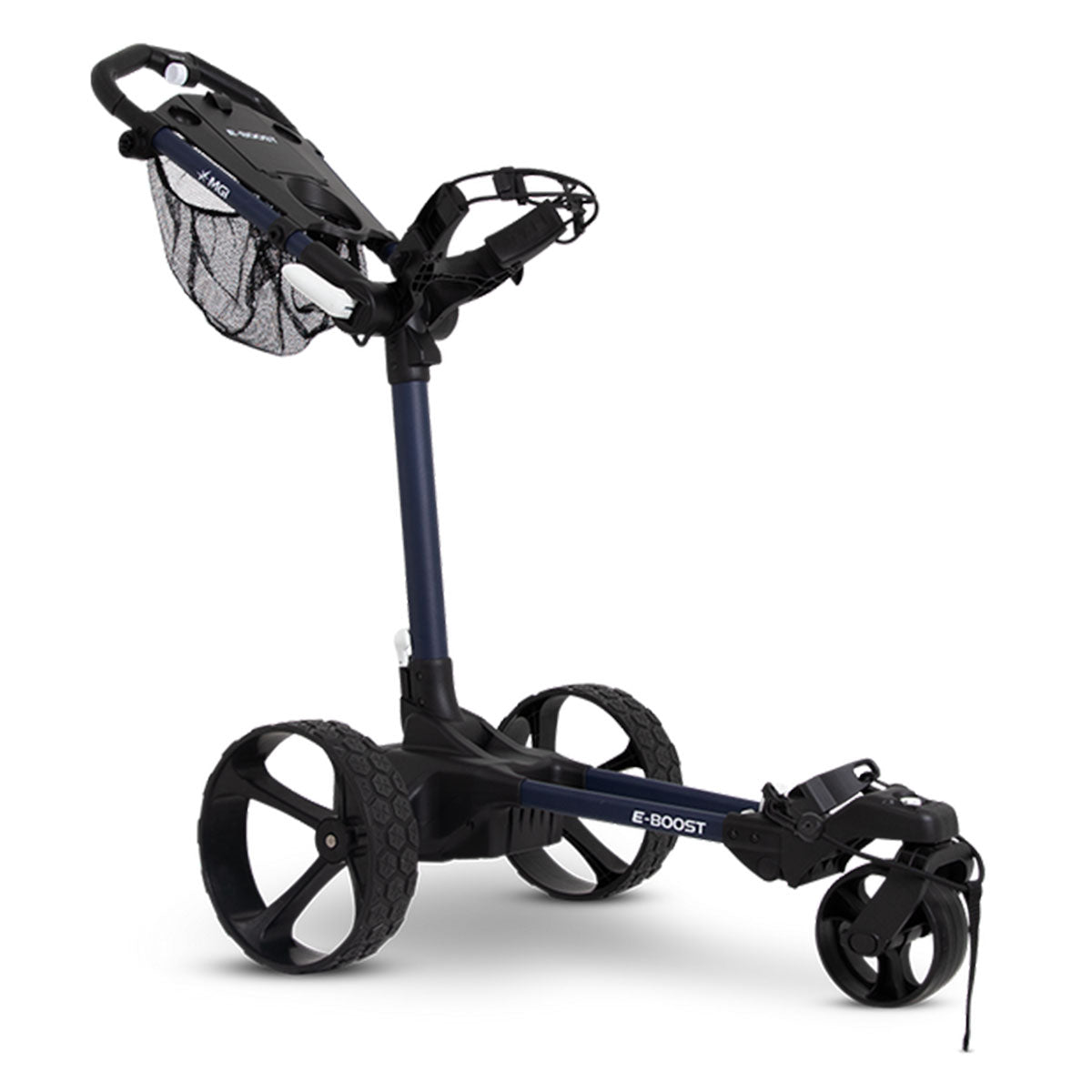
MGI E-Boost vs Motocaddy M7 GPS Remote: for hills alone, the motorised push trolley does the job at a third of the price
One is a push trolley with a 240W motor you switch on for the climbs. The other drives itself on a remote, brakes on the way down and puts a GPS map in the handle. They solve different problems, and most golfers only have one of them.
By Tom Whitaker
Vessel Player V Pro vs Sun Mountain 2.5+: four and a half pounds and two different theories of ownership
One is tour-grade synthetic leather, sixteen pockets and a spec sheet that reads like a staff bag that shrank. The other weighs less than a third of it. Both have carbon-fibre legs, which tells you exactly where the money went.
By Tom Whitaker
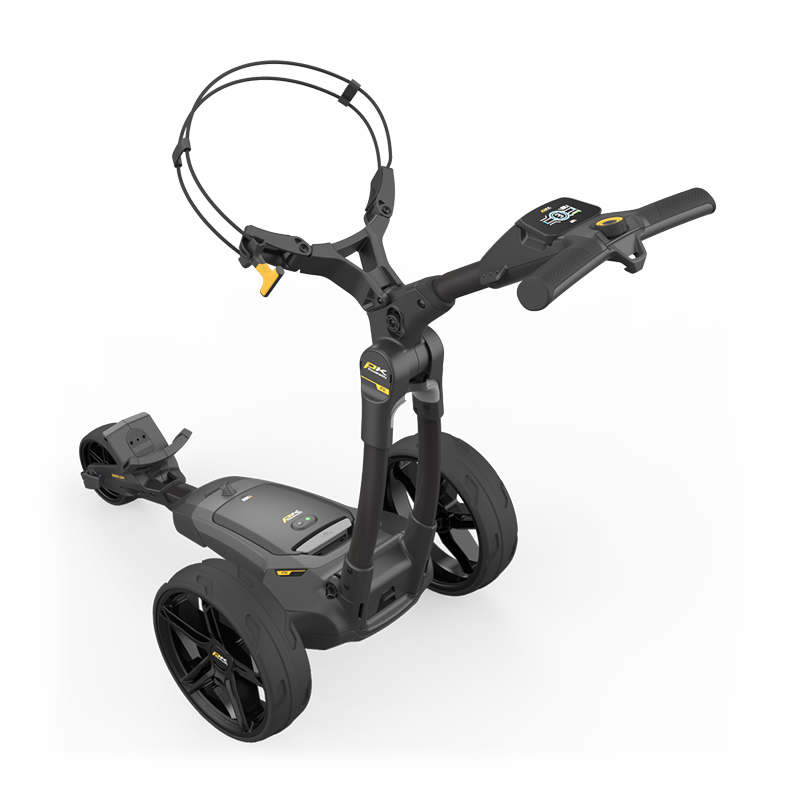
PowaKaddy FX3 vs Motocaddy M3 GPS DHC: the hill brake is a paid extra on one and built into the other
Both are mid-range electric trolleys and there is about three hundred between them. The gap is not motor, battery or build. It is how each brand chooses to sell you control on a wet descent.
By Tom Whitaker
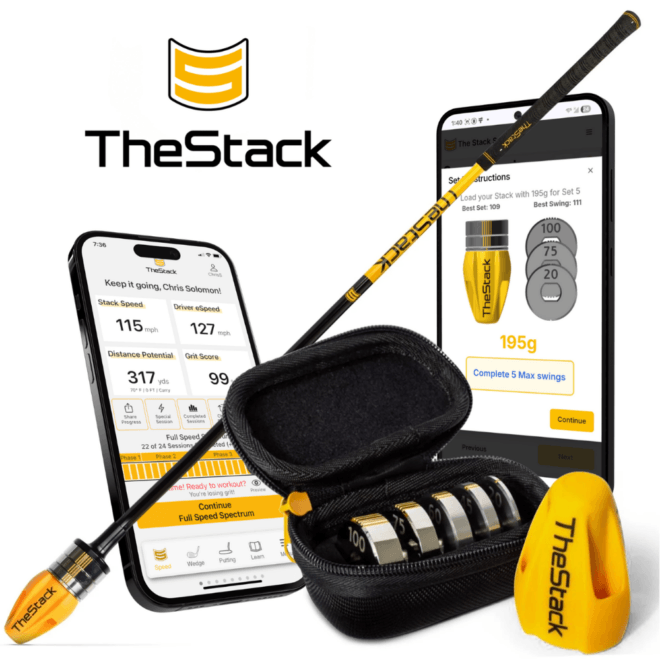
TheStack vs SuperSpeed: only one of these needs a launch monitor to work at all
Two speed systems that disagree about method. One hands you a fixed ladder of three sticks and gets out of the way. The other builds you a personal prescription and cannot run a single session until something is measuring your swing.
By Jordan Hale
Stewart Q Follow vs MGI Zip Navigator AT: follow mode is a fair-weather feature, and the drive decides autumn
One trolley walks behind you with the handset in your pocket. The other goes exactly where your thumb sends it. On dry, open ground that is a preference. From October it becomes a question about traction, weight and how often you were reaching for the handset anyway.
By Tom Whitaker
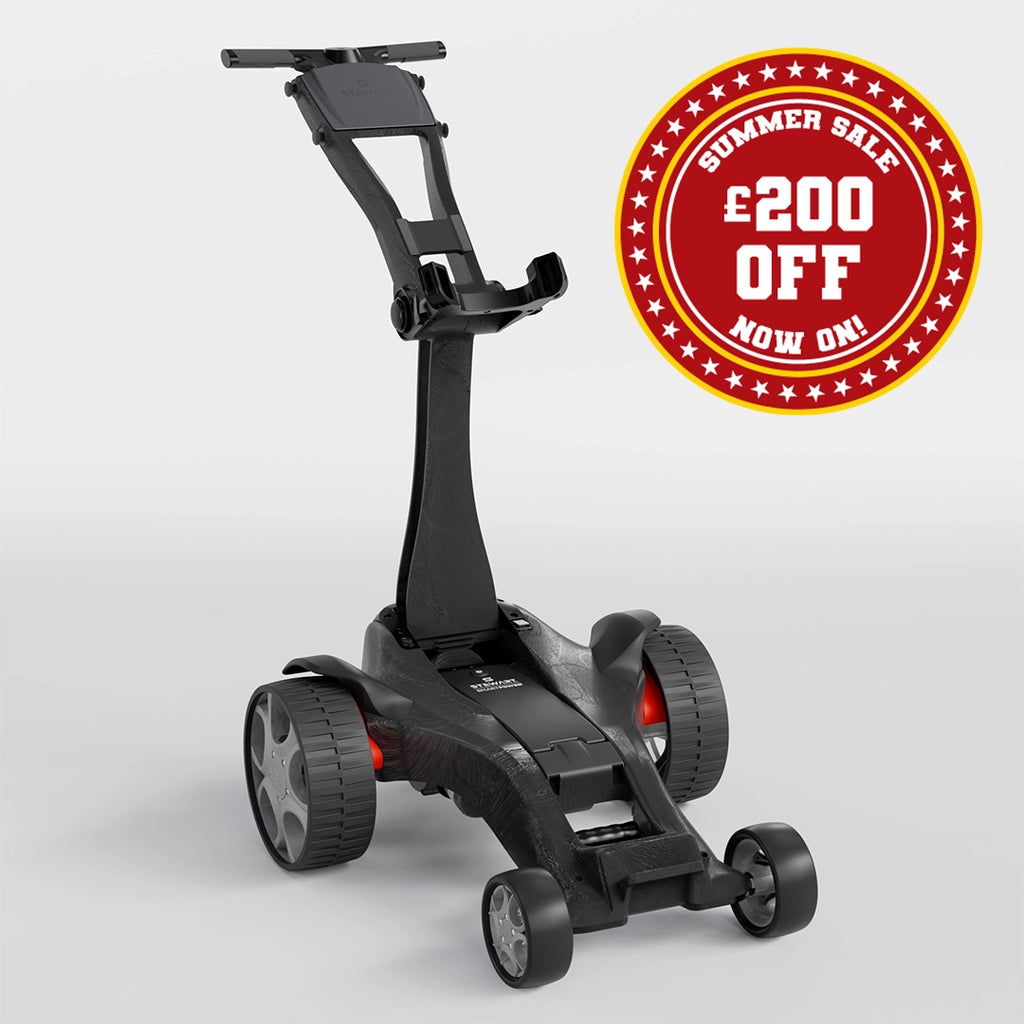
Ben Sayers Lithium vs Motocaddy QB2: is the cheapest electric trolley a false economy?
Every electric trolley conversation on this site has been held at the expensive end. Here is the one most club golfers are actually having, between a budget lithium trolley and the best compact push cart in the shop.
By Tom Whitaker
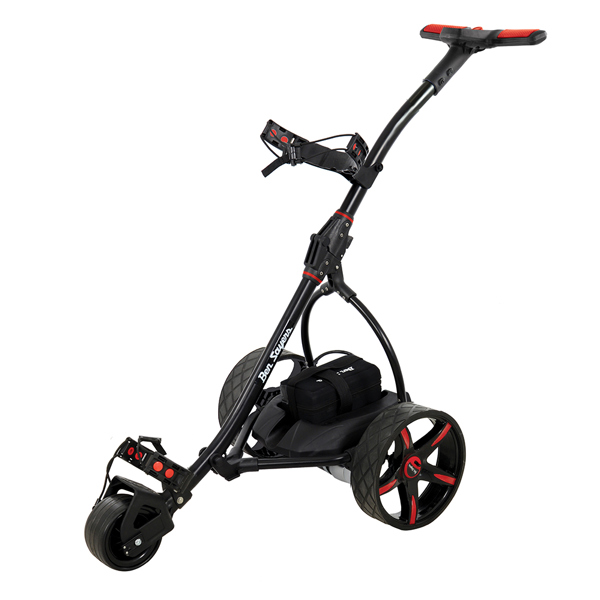
Orange Whip vs Lag Shot: two flexible shafts that teach completely different things
They look like the same idea — a bendy shaft that forces you to swing in sequence. One is a warm-up tool you'll use for a decade, the other is a training club that changes what you do with a golf ball.
By Ross Hamilton
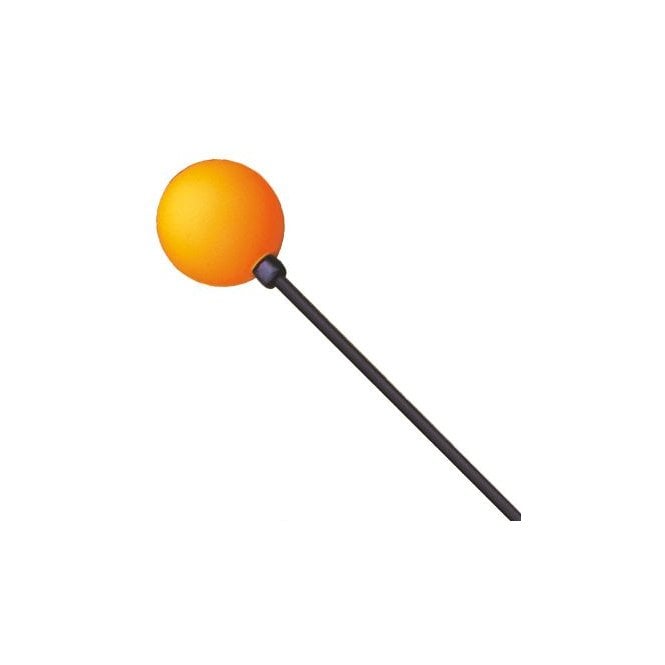
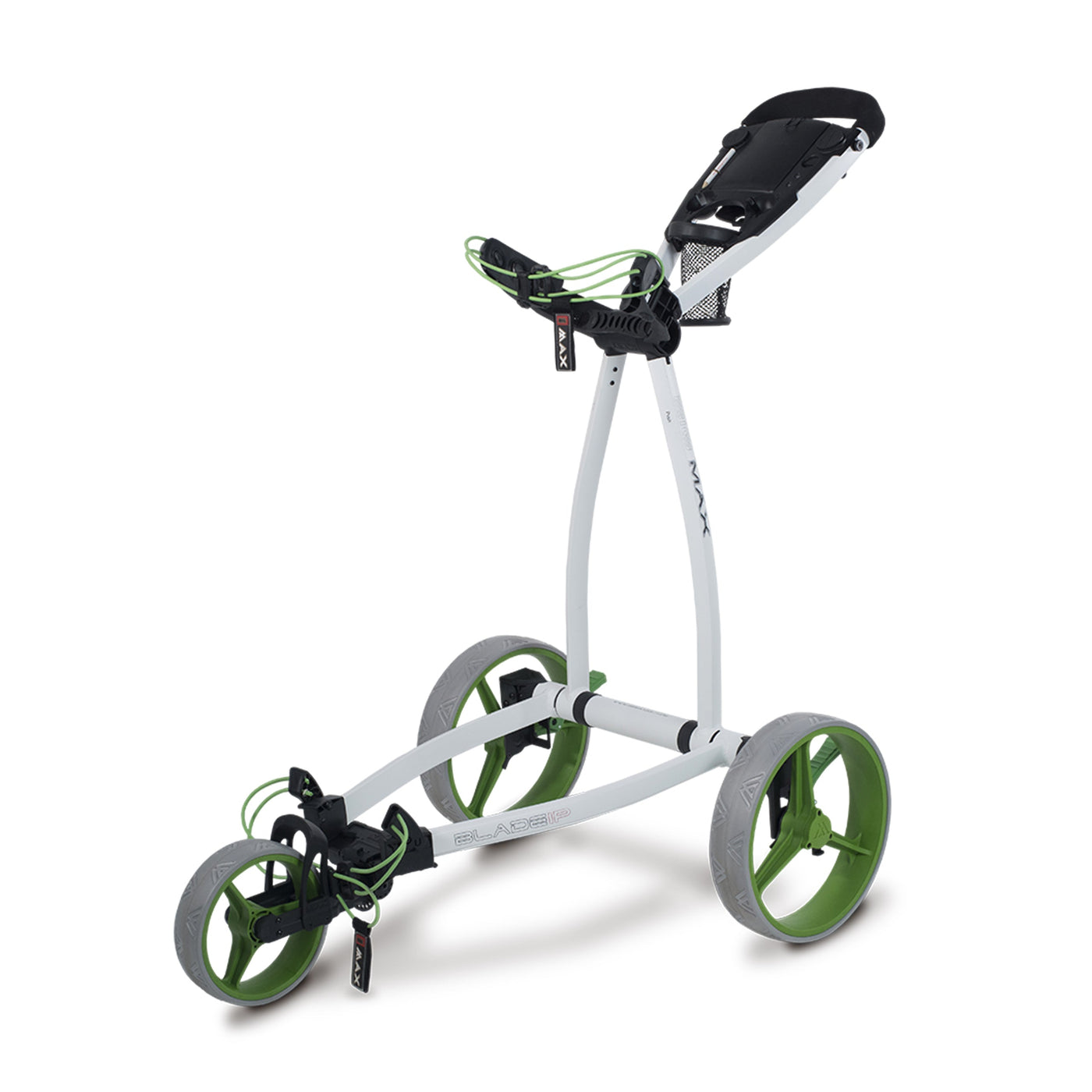
Push trolley vs electric trolley: is the extra money worth it?
One asks you to push your own clubs up the hill. The other does it for you, for nearly three times the price. How to tell which one you actually need.
By Ben Marsden
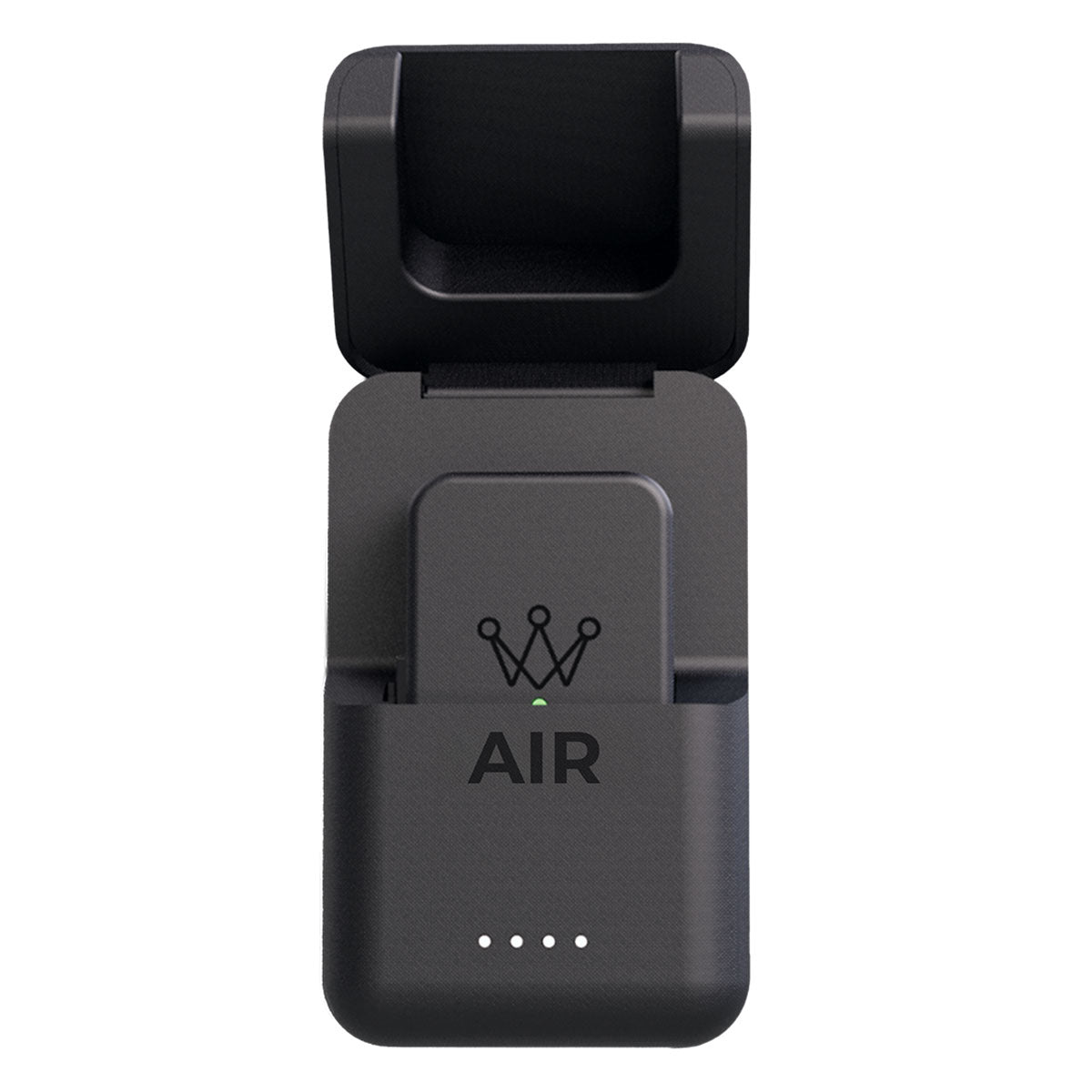
Arccos Air vs Gen 4 Sensors: the same data, two very different asks
One wants a sensor in every grip and your phone in your pocket. The other is a single clip that infers what you swung. The trade you're making isn't price — it's setup effort against how often it gets the club right.
By Tom Whitaker
Titleist Players 4 Plus vs Sun Mountain 2.5+: the tour default takes on the walking specialist
The walking revival has made the ultralight stand bag the most competitive category in golf, and this is its classic head-to-head: Titleist's do-everything carry bag against the featherweight from the company that invented the modern stand bag. One wins on storage and looks, the other on your shoulders after ten thousand steps.
By Jordan Hale

Stewart Q Follow vs PowaKaddy RX1 GPS: follow-me or remote-control?
The robot-caddie era has quietly arrived, and it has split into two philosophies: a trolley that follows you down the fairway on its own, and a trolley you drive from a handset with a GPS brain bolted on. Here's which robot deserves your money — and the honest case for buying neither.
By Ross Hamilton
Motocaddy M5 GPS vs PowaKaddy CT8: the electric trolley to buy
The two brands that own the fairway, head to head — it comes down to the screen, the fold and how your course slopes.
By Tom Whitaker
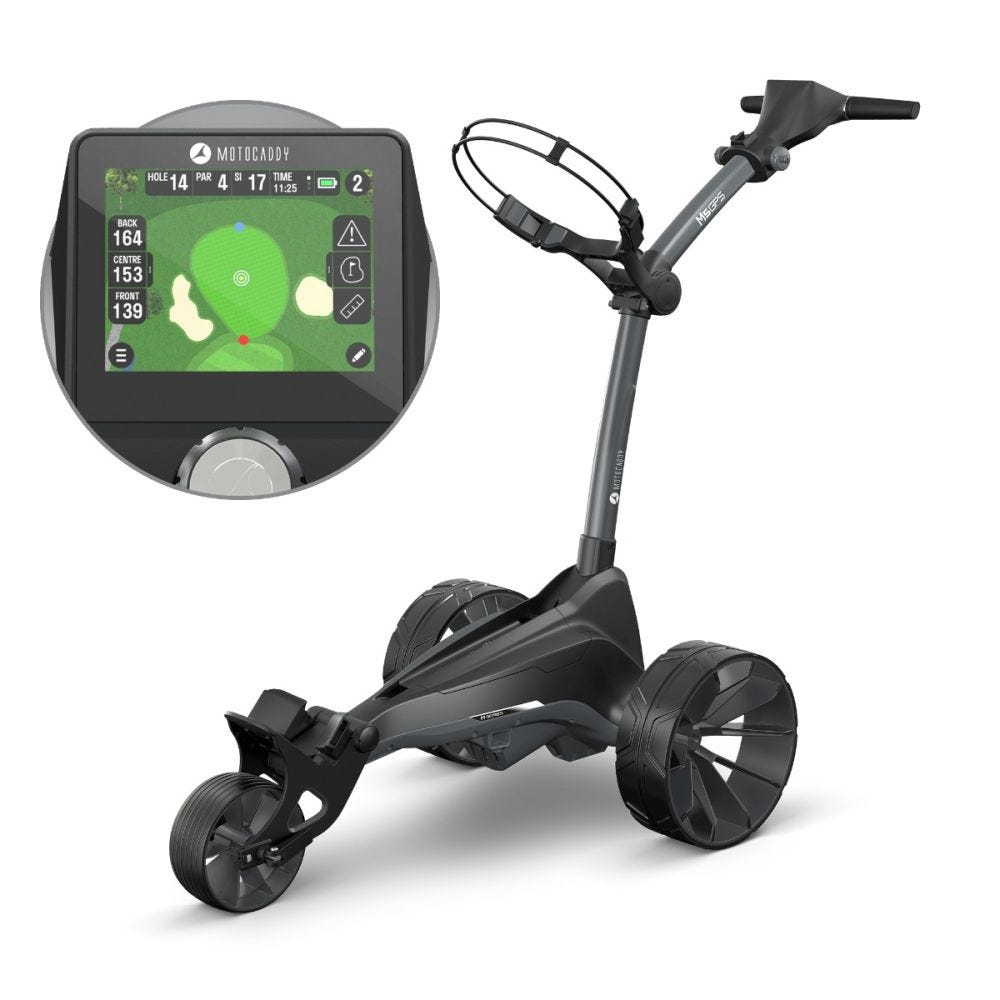
Push vs electric trolley: which is actually worth it?
One saves your back for not much money; the other saves your legs for rather more. How to spend wisely on carrying nothing.
By Jordan Hale
Stand bag vs cart bag: which one's right for you?
Buy the wrong one and you'll fight it every round. The choice is simpler than the wall of bags suggests — it's about how you get round.
By Jordan Hale