Accessories
Bags, trolleys and training aids — everything you carry, push and practise with to make the round easier and your game better.
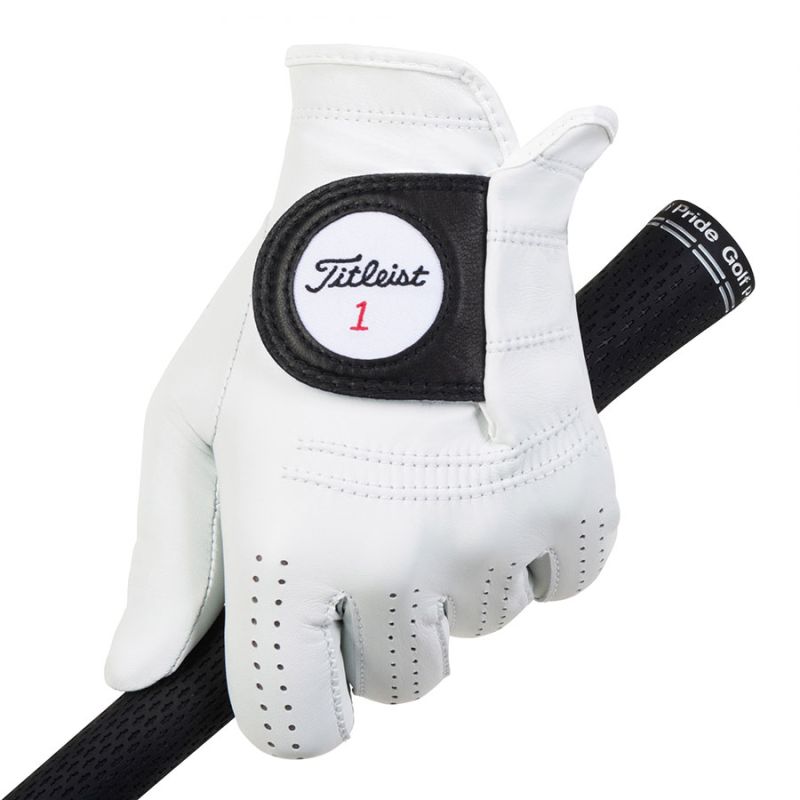
Autumn dew kills a cabretta glove by the fourth tee: swap to a synthetic at the turn
The rotation everyone recommends has a glove for hot, a glove for wet and a glove for freezing. It has no glove for a September eight o'clock tee time where the grass is soaked and the sky is clear, which is most of the next two months.
By Ross Hamilton
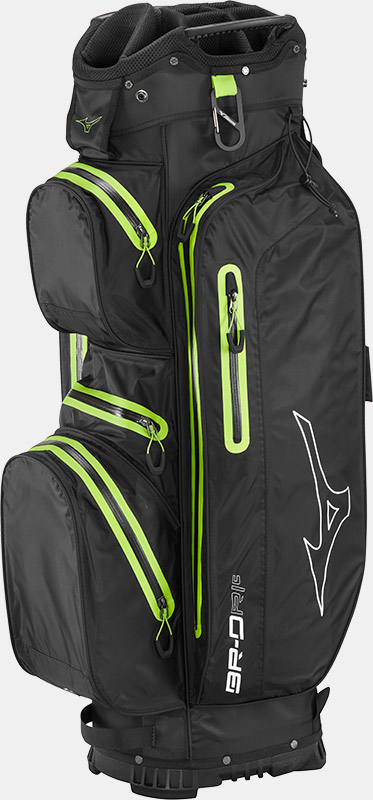
Golf bag waterproofing splits two ways: rain hoods keep the clubs dry, welded seams keep the bag dry
Every bag in the shop claims some version of weather protection, and the claims describe two completely different products. One protects your grips for four hours. The other stops the bag itself turning into a sponge until March.
By Tom Whitaker
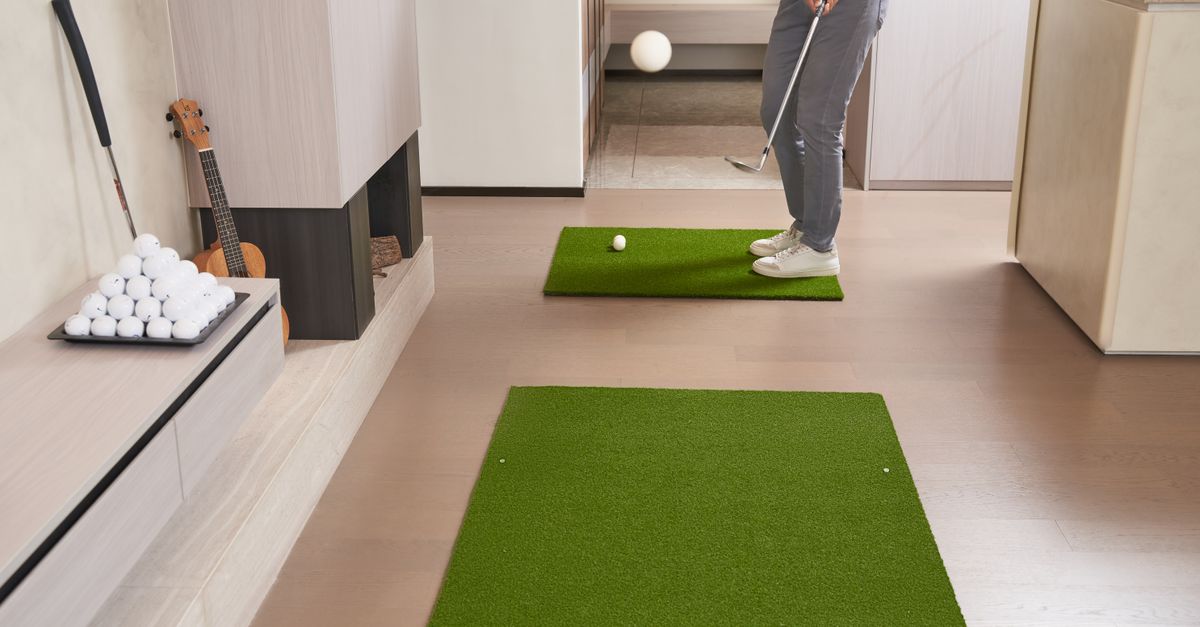
Speed, putting and strength: the three bits of winter practice that survive the walk back onto grass
The clocks go back, the mat and the net come out of the garage, and four months later almost nobody is any better. The work that survives the walk back onto grass has one thing in common, and most indoor practice fails the test.
By Ross Hamilton
Rain gloves come in pairs, and the grip underneath does half the work
The counterintuitive bit is well known. The bit almost nobody works out is that your gloved hand was never the problem, and the grip under it is doing half the job badly.
By Tom Whitaker
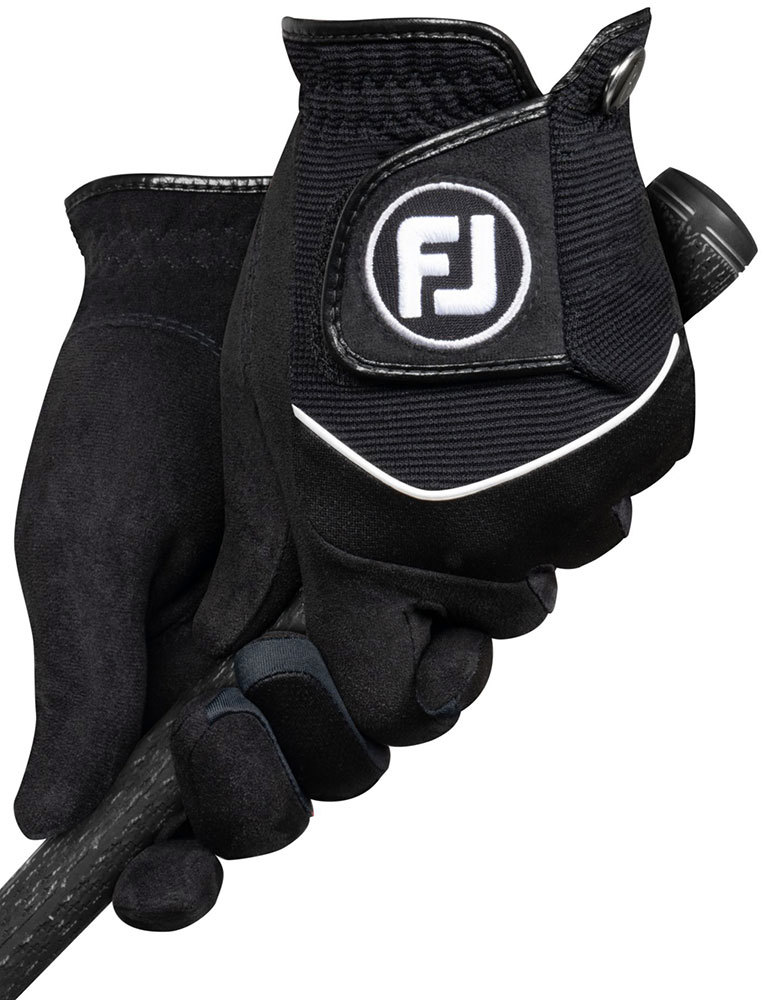
Nobody checks what a cart bag weighs, and the car park is where you find out
Pocket count is the number every shopper reads. Empty weight, and whether the base actually locks to the trolley it will live on, is the number that decides whether you like the bag.
By Tom Whitaker
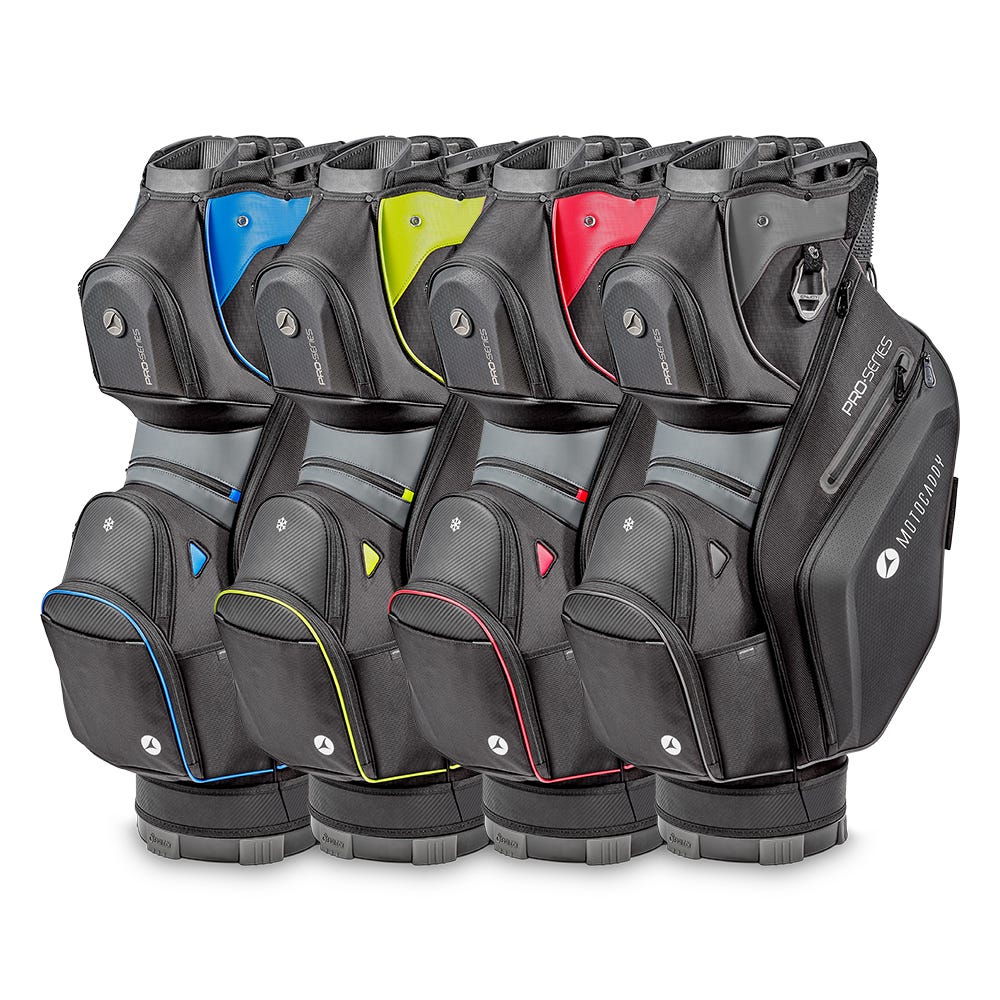
Your glove died three rounds ago and it's costing you the club face
A dead glove doesn't feel like broken kit, it feels like a swing fault. The tell is a shiny heel pad, not a hole — and it shows up about 3 rounds before most golfers notice.
By Ross Hamilton
The 14-way divider is the most oversold feature in golf, and it's quietly wrecking your grips
A slot for every club sounds like the end of the tangle. It isn't — what actually matters is whether those 14 dividers run to the base, and most shoppers never check.
By Tom Whitaker
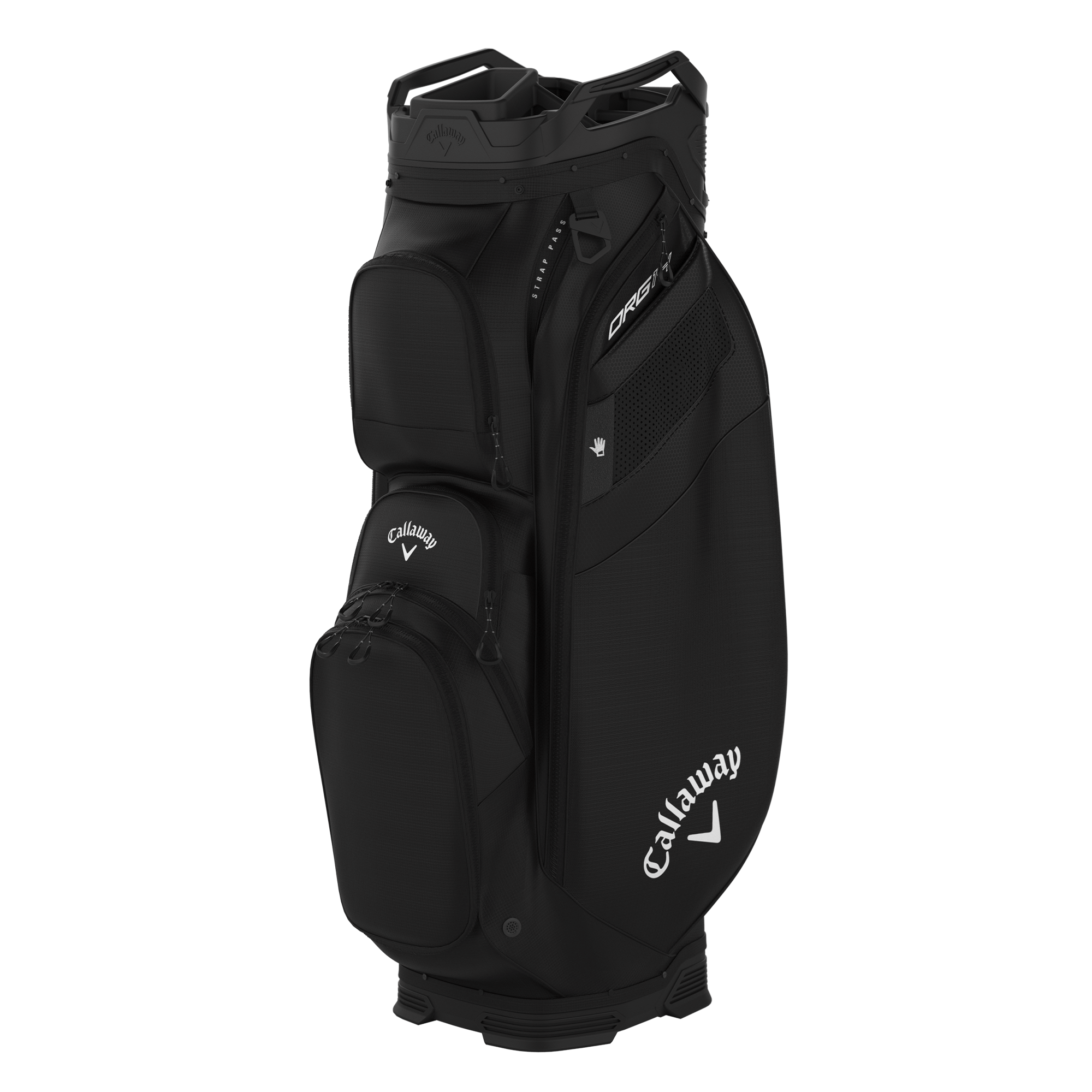
The golf glove is the cheapest upgrade in golf — and most golfers get it wrong
A glove touches every full swing you make, costs less than a sleeve of premium balls, and most golfers play the wrong one for the conditions. Here's the small rotation of gloves that keeps your grip locked in — dry, wet, cold and sweltering — for the price of one premium dozen.
By Dan Mercer
Age steals 20 yards off your tee — and a new driver isn't how you get them back
The decline is real and it's measurable, but the industry's answer — buy the newest driver every two years — targets the smallest lever. The three that actually move the needle are recoverable clubhead speed, a ball matched to your slower swing, and the weight you're carrying up the fairway.
By Dan Mercer
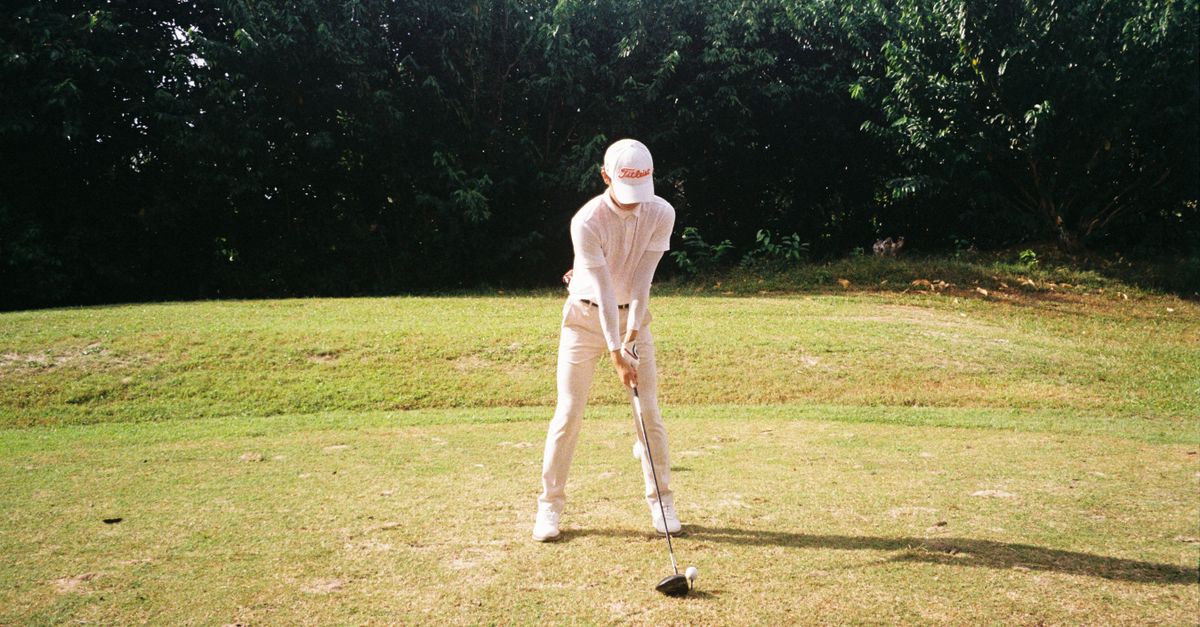
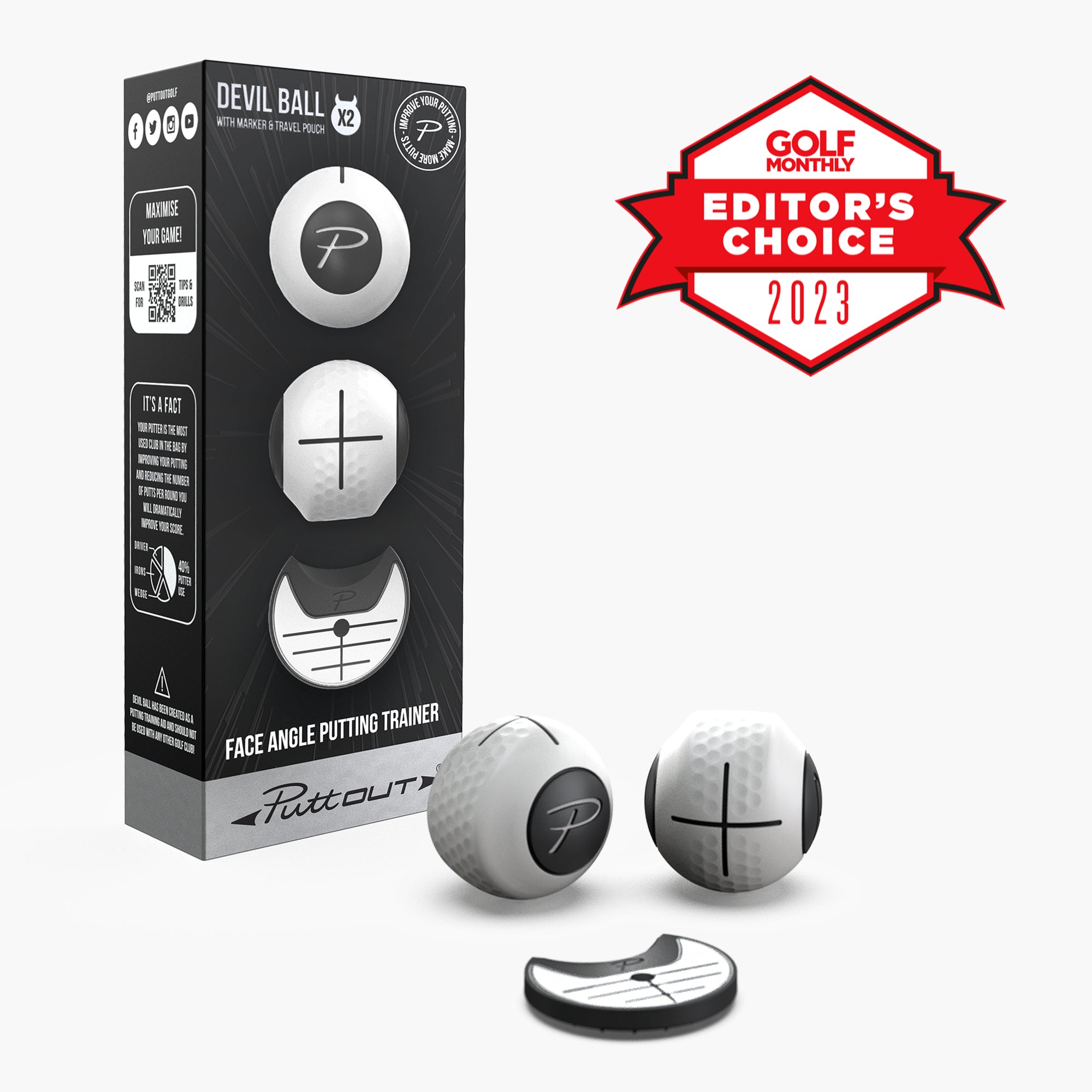
The best putters on Earth practise with cheap plastic — and you keep buying putters
Walk any tour practice green and it's covered in mirrors, gates, string lines and chalk — a full putting station for less than a dozen premium balls. Meanwhile amateurs respond to missed putts by buying a new putter. Here's how to decode the tour putting station, and which pieces actually move your handicap.
By Jordan Hale
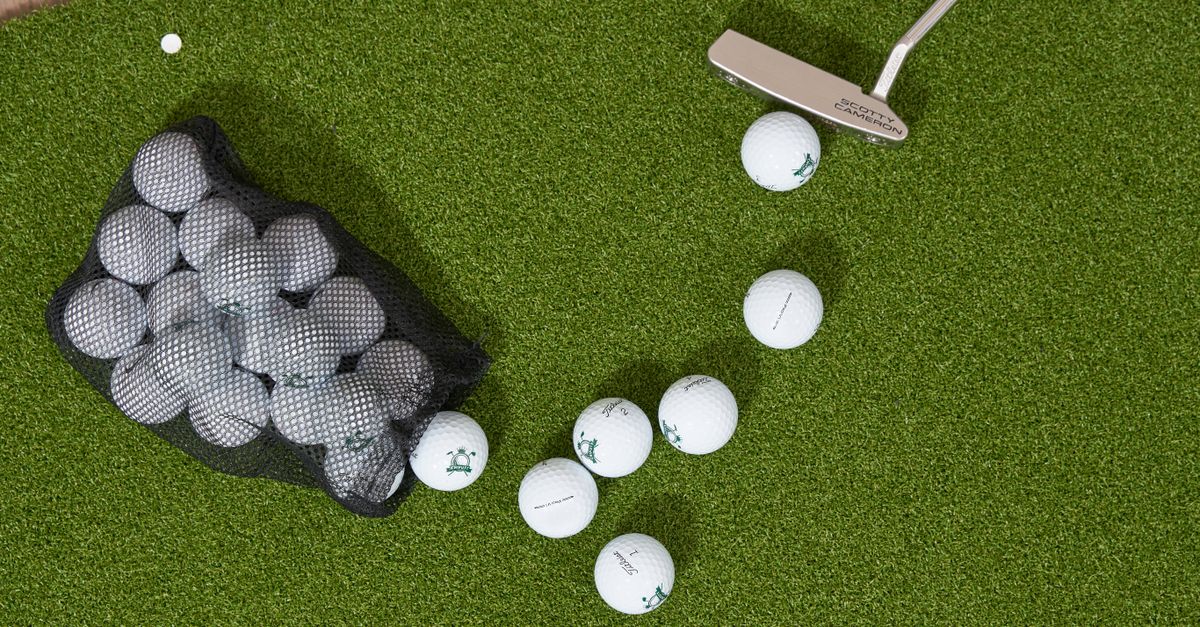
Swing speed training, explained: distance stopped being something you buy
MyGolfSpy's 2026 Most Wanted test hit 20,580 shots with 42 drivers and found the gaps between them are tiny. The gap between swing speeds is enormous — and overspeed training is the one proven way to move yours. Here's how speed sticks actually work, what they cost you in time, and who should skip them.
By Dan Mercer

The best short-game facility in town might be your backyard
America just played one of its busiest golf weekends of the year — and most of those strokes were lost inside 60 yards, not off the tee. A chipping net, a bag of foam balls and a putting mat turn a garden and a long July evening into the practice station that actually moves your handicap. Bonus: it's how kids and partners get into the game without ever facing a range.
By Tom Whitaker
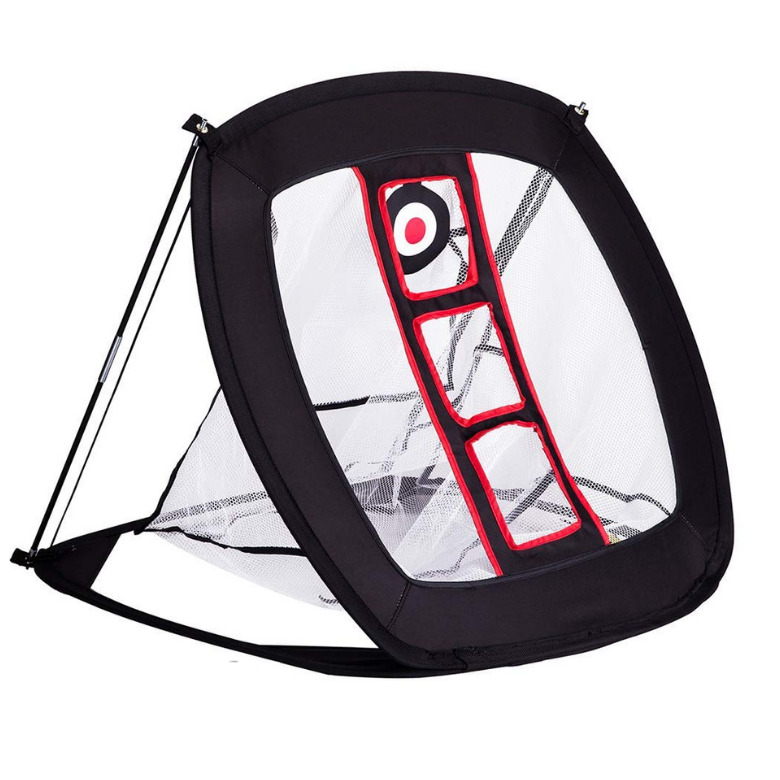
How to choose a golf bag: cart, stand, or carry for how you actually play
The right bag is decided by how you get round the course — so match it to your real golf, not the bag the pros carry.
By Tom Whitaker
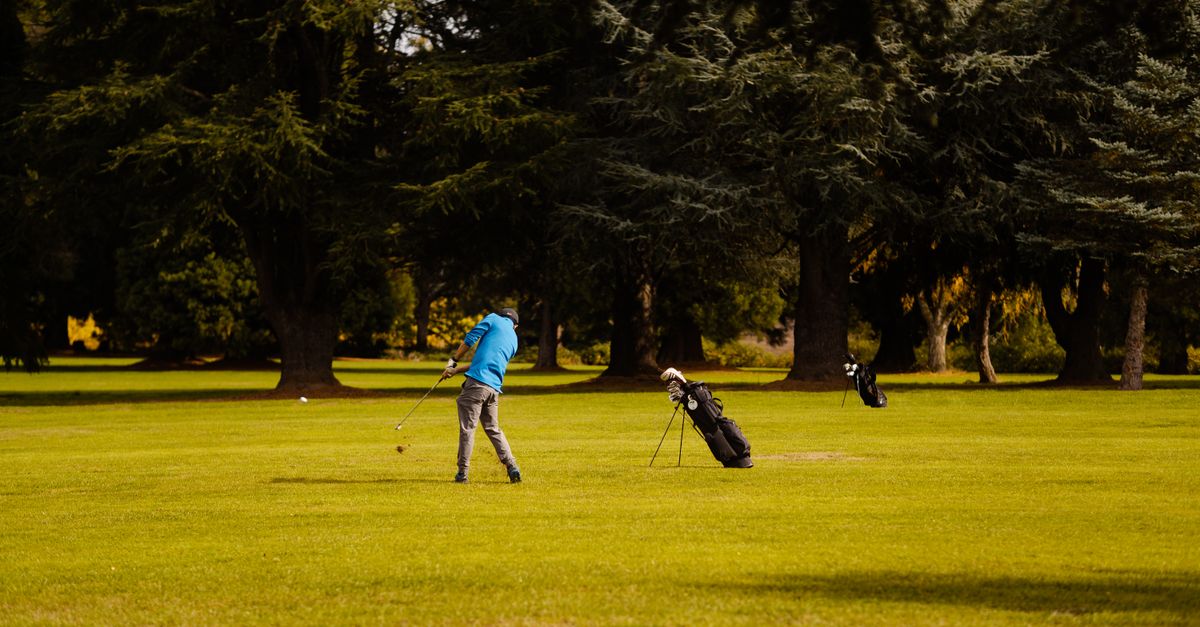
The summer practice kit that actually lowers your scores
Long evenings are the cheapest strokes you'll ever buy, but only if your practice tools turn range time into feedback instead of repetition.
By Ross Hamilton
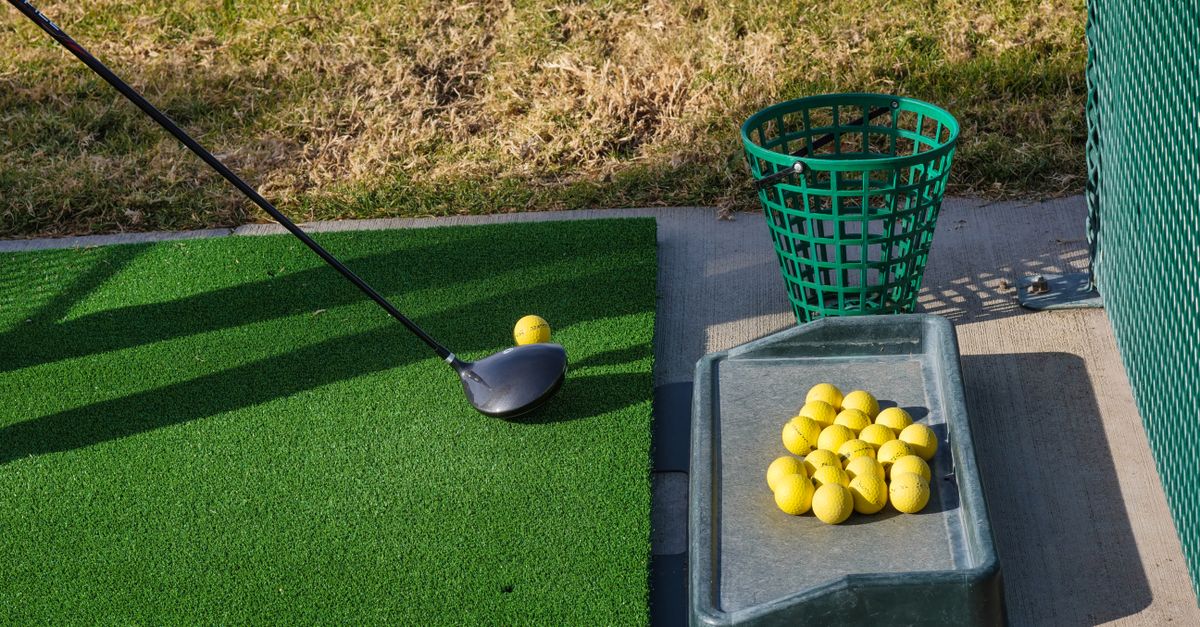
AI swing apps and smart wearables in 2026: worth it?
App coaching and swing sensors can genuinely help — but only if you'll do the reps. The honest take on what moves your scores and what's just expensive data.
By Tom Whitaker
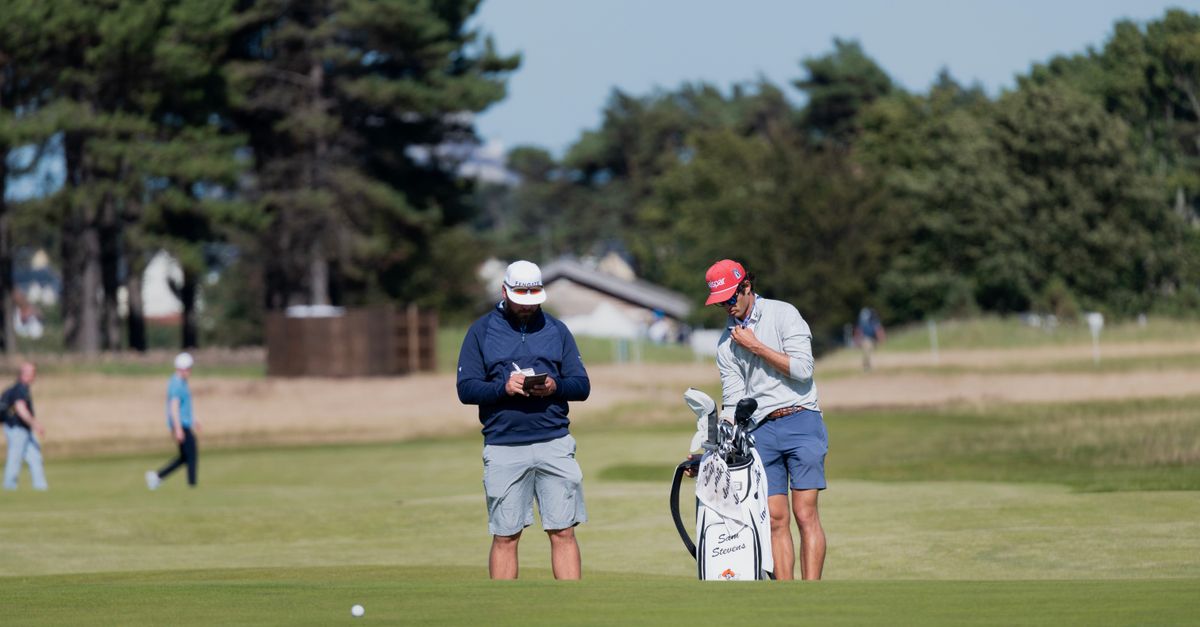
The guy grooving 60 straight 7-irons is wasting his afternoon
Most range time never touches your scorecard — it's mindless bucket-bashing that feels like practice and transfers to nothing. The fix is counterintuitive and cheap: practise what you can measure, then practise the way you actually play.
By Tom Whitaker
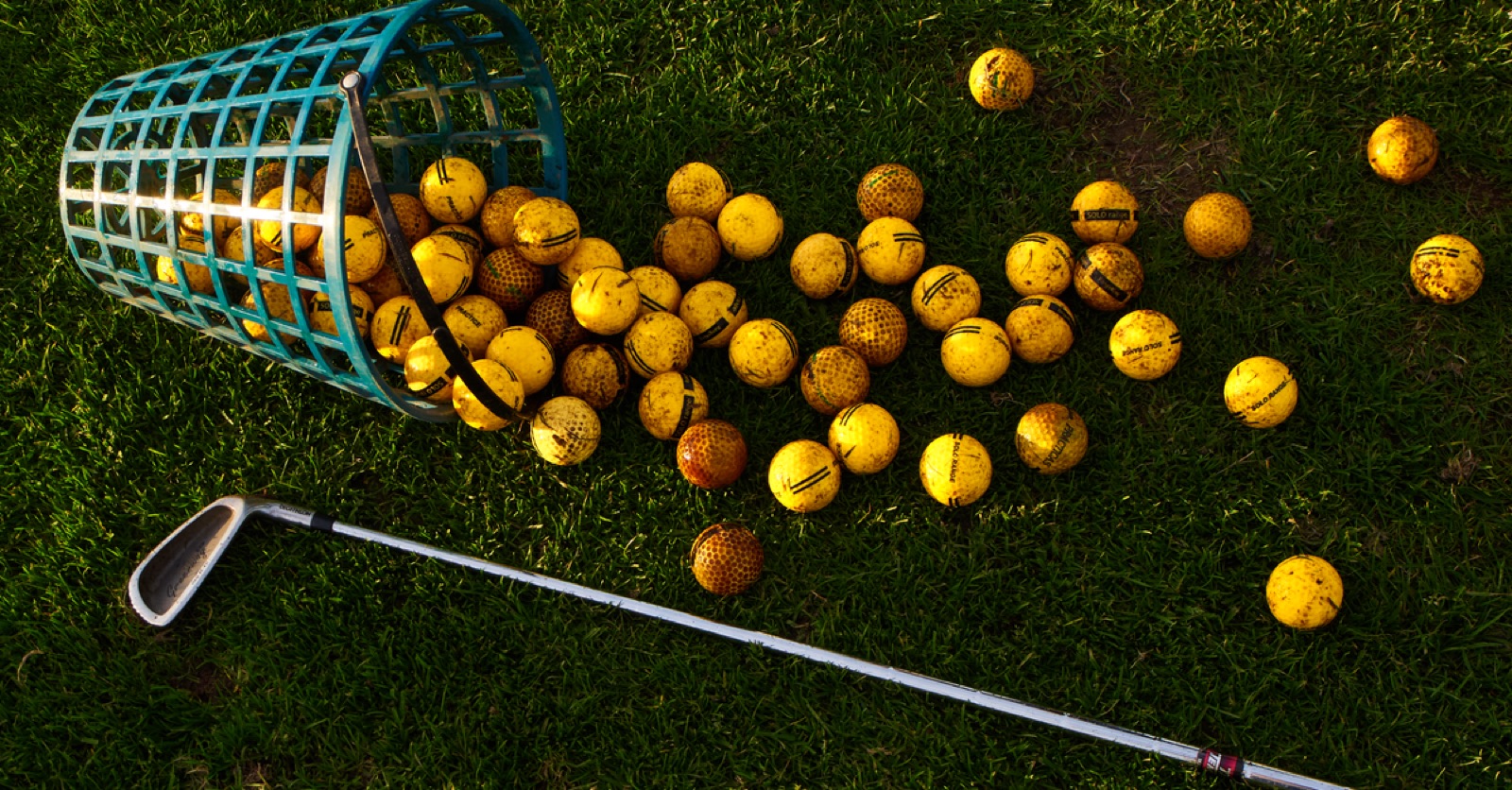
Do golf gloves matter — and how many do you actually need?
It's the cheapest bit of kit you touch every swing, and most golfers treat it as an afterthought. Here's what actually matters.
By Jordan Hale
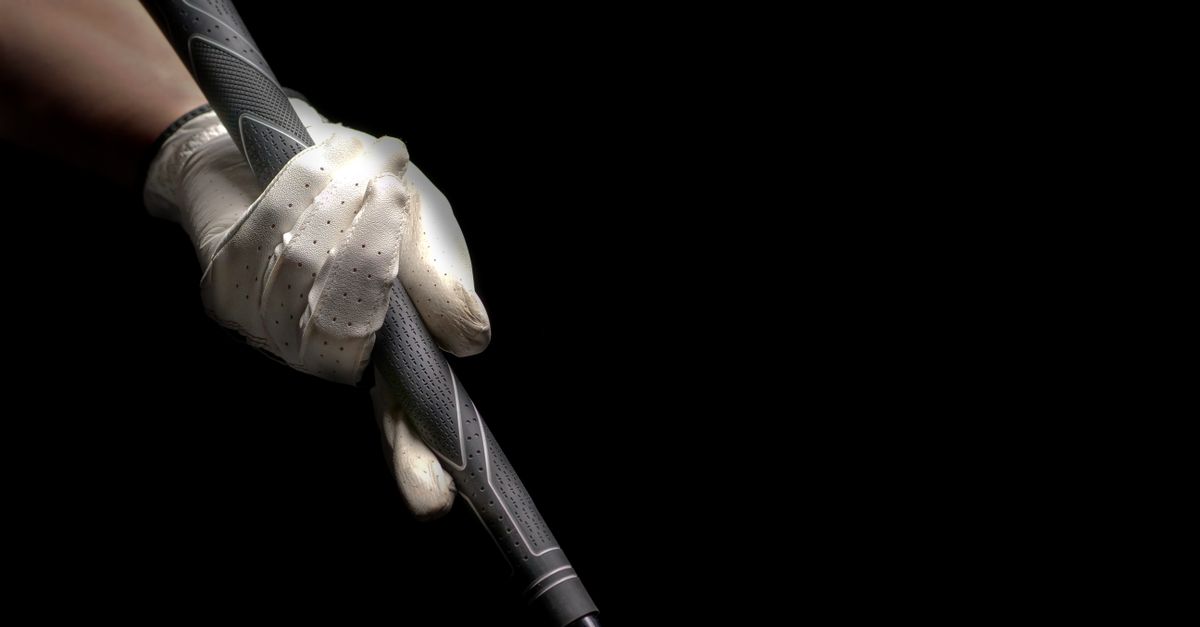
How to practise putting at home (and actually get better)
You hole more putts than you think on the carpet and fewer than you'd like on the course. Here's how to make home practice that transfers.
By Ross Hamilton